10 Ways to Reuse and Recycle Gold Mine Tailings
Introduction: From Liability to Asset
Gold mining, while essential for modern industry, generates vast quantities of waste material known as tailings. Historically stored in large impoundments, these tailings present significant environmental, safety, and financial liabilities. However, a paradigm shift is underway, viewing tailings not as waste but as a potential resource. Effective reprocessing and reuse of gold mine tailings can mitigate environmental risks, reduce the footprint of mining operations, and create new revenue streams. This article explores ten innovative and practical ways to transform gold mine tailings from a burden into a valuable asset, with a focus on the critical role of advanced grinding and processing technology.
1. Secondary Gold and Mineral Recovery
The most direct form of tailings reuse is the extraction of residual gold and other valuable minerals (e.g., silver, copper, sulfides). Historical processing methods were less efficient, leaving economically recoverable metals in the tailings. Modern techniques, including advanced cyanidation, flotation, and gravity separation, can unlock this value. The key to economic viability often lies in the initial liberation of these micron-sized particles from the gangue material. This requires fine or ultra-fine grinding to increase surface area and expose locked minerals.
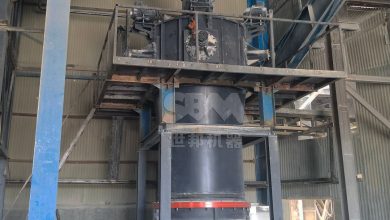
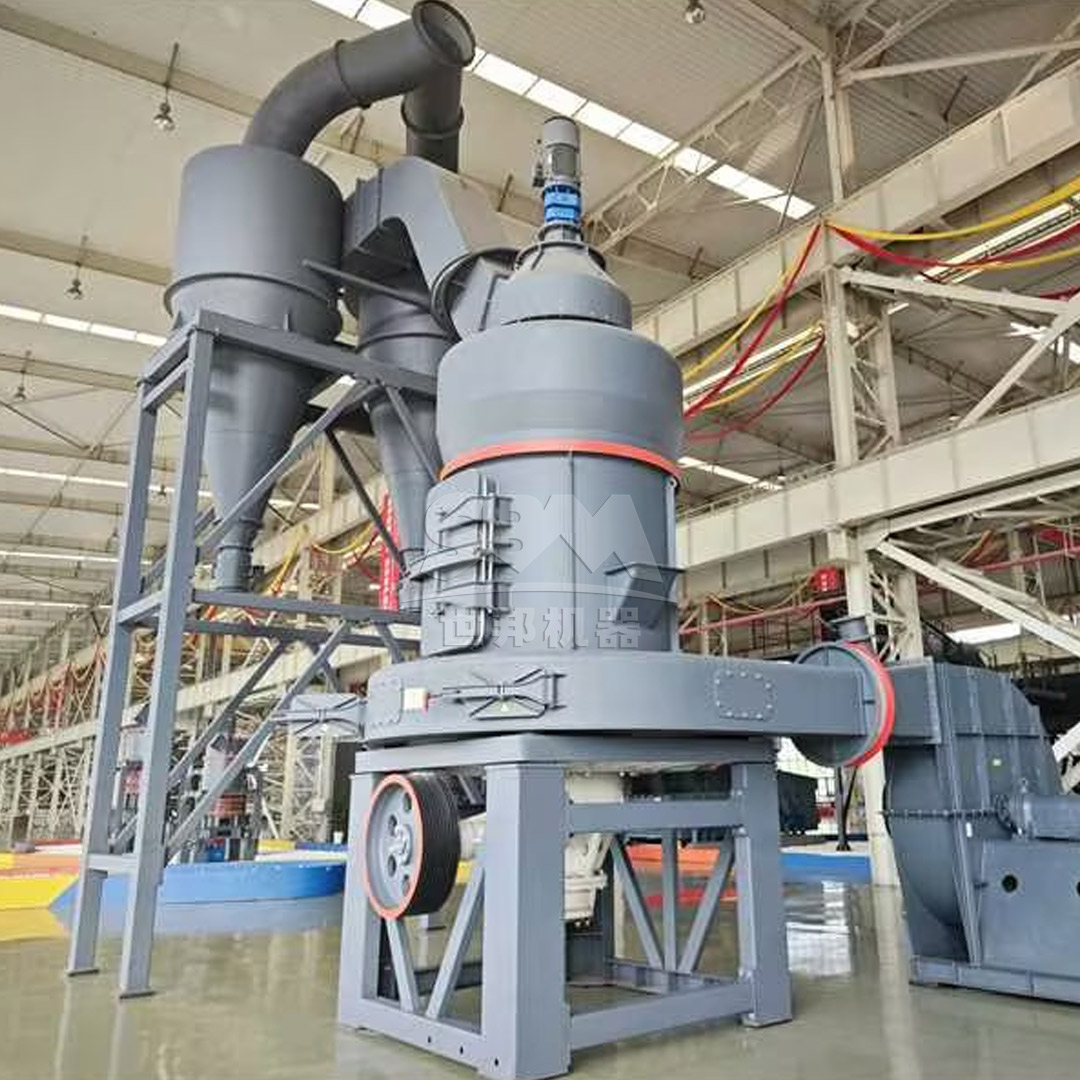
Technology Spotlight: For this application, achieving a consistent, ultra-fine grind is paramount. Our SCM Series Ultrafine Mill is ideally suited. Capable of producing powder from 325 to 2500 mesh (45-5μm), its high-precision vertical turbine classifier ensures no coarse powder mixing, maximizing mineral liberation for subsequent leaching or flotation. With capacities from 0.5 to 25 tons per hour and energy consumption 30% lower than traditional jet mills, it makes secondary recovery projects both technically effective and economically feasible.
2. Construction Aggregate and Building Materials
Processed tailings can serve as an excellent substitute for natural sand and fine aggregates in construction. When properly stabilized, they can be used in the production of bricks, pavers, roofing tiles, and cementitious materials. The fine, uniform particle size of milled tailings is often an advantage here. The material must be processed to a specific, consistent gradation and have its chemical properties (e.g., sulfide content) stabilized to prevent long-term degradation.
3. Backfill for Underground Mines
Mine backfill is a leading application for tailings, improving geotechnical stability in underground workings and reducing surface storage. Paste backfill and cemented hydraulic fill require tailings to be dewatered and mixed with a binder (like cement). The grind size and particle distribution significantly affect the strength, rheology, and water retention of the backfill mixture. A controlled, coarse to medium fineness is typically desired to reduce water demand and binder consumption.
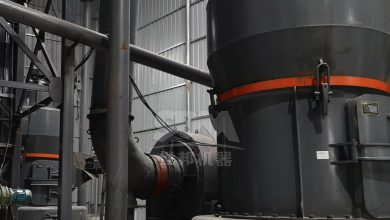
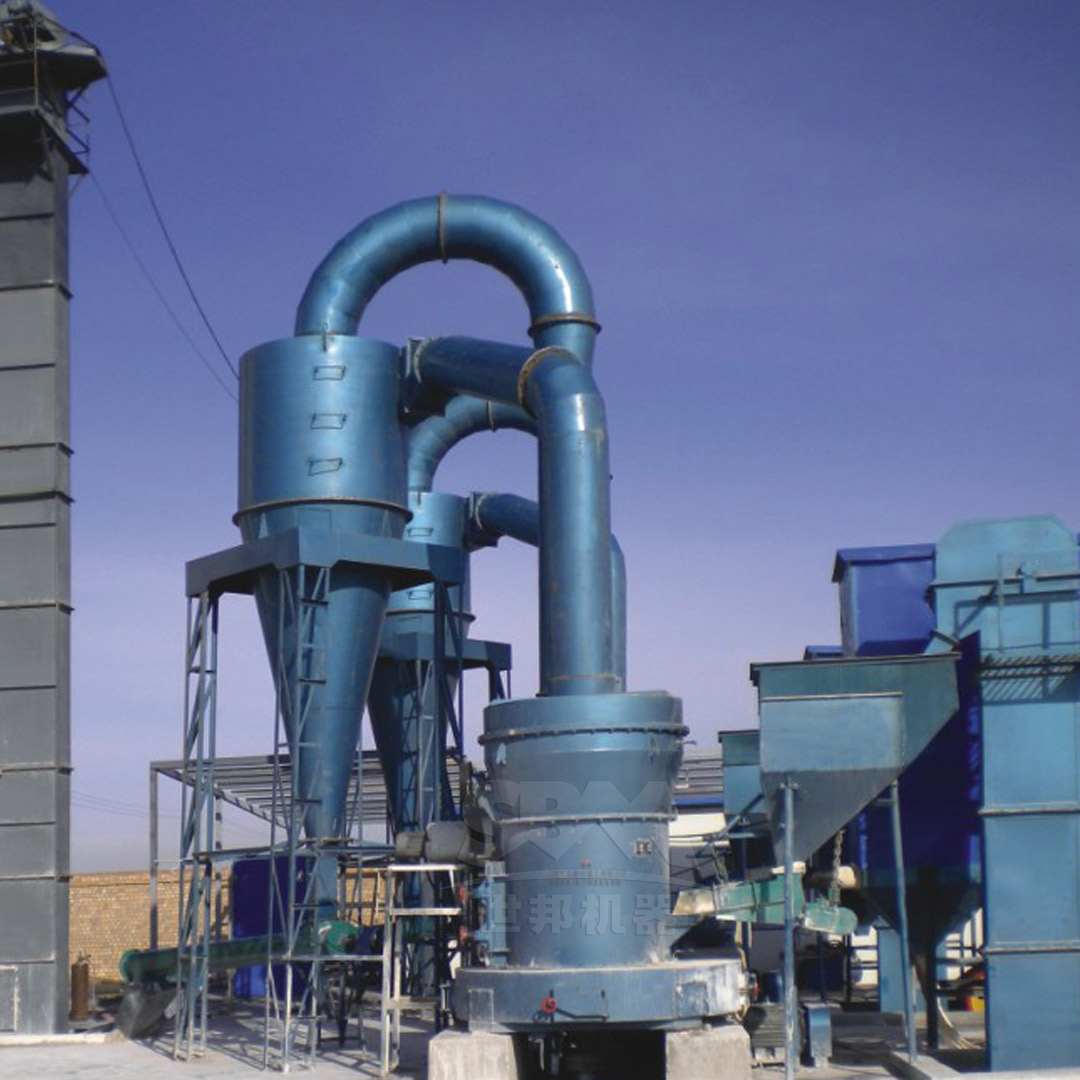
Technology Spotlight: For producing the optimal material for backfill, our MTW Series European Trapezium Mill is an outstanding choice. It efficiently processes tailings with feed sizes up to 50mm into a controlled product between 30-325 mesh (600-45μm). Its anti-wear shovel design and wear-resistant volute structure ensure low maintenance costs when handling abrasive materials. The integral bevel gear drive offers high transmission efficiency (up to 98%), making it a reliable and cost-effective solution for high-volume backfill production.
4. Soil Amendment and Agricultural Use
In specific cases, after thorough remediation to neutralize toxins and adjust pH, certain tailings rich in silicates and micronutrients can be blended with organic matter to create soil amendments for non-food crop cultivation or land reclamation. Extreme caution and extensive testing are required to ensure no heavy metal leaching occurs.
5. Ceramics and Glass Manufacturing
The silica and alumina content in many gold tailings makes them a potential raw material for the ceramics and glass industries. For use in ceramics, tailings often need to be processed to a very fine and consistent powder to ensure product uniformity and strength. This application demands high-purity classification to remove color-imparting impurities like iron oxides.
6. Geopolymer Cement Production
Geopolymers are inorganic polymers that can be synthesized from aluminosilicate materials. Silica-rich gold tailings, when activated by an alkaline solution, can form a cementitious binder that serves as a low-carbon alternative to Portland cement. The reactivity is highly dependent on the fineness and amorphous content of the tailings, necessitating intensive grinding.
7. Pigments and Colorants
Iron oxide-rich tailings can be processed and calcined to produce natural iron oxide pigments used in paints, coatings, and construction stains. The color (red, yellow, brown) depends on the mineralogy and processing conditions. Fine grinding is essential to achieve the desired color strength and particle size for the pigment industry.
8. Water Filtration Media
Processed and graded tailings with appropriate chemical stability can be used as a substrate in constructed wetlands or as a filter medium for industrial wastewater treatment. The porous structure and surface chemistry can aid in the adsorption of contaminants.
9. Landscaping and Erosion Control
Stabilized and vegetated tailings can be used to shape landscapes, create berms for noise or visual barriers, and for erosion control on slopes within the mine site closure plan. This directly reduces the long-term environmental liability.
10. Source of Critical Minerals
Modern analytical techniques may reveal that older tailings deposits contain minerals now considered critical (e.g., rare earth elements, cobalt, antimony). Reprocessing tailings as a source for these strategic materials is an emerging and high-potential application, often requiring specialized fine grinding and separation circuits.
Conclusion: The Foundation is Processing
The successful implementation of any tailings reuse strategy hinges on the ability to process the material into a consistent, specification-grade product. Whether the goal is ultra-fine liberation for metal recovery, a specific gradation for construction, or a reactive powder for geopolymers, the choice of grinding technology is critical. It determines the product quality, operational cost, and overall economic viability of the recycling project.
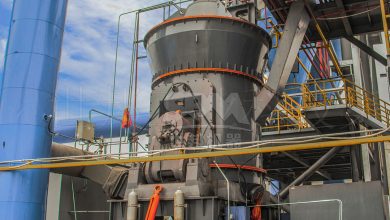
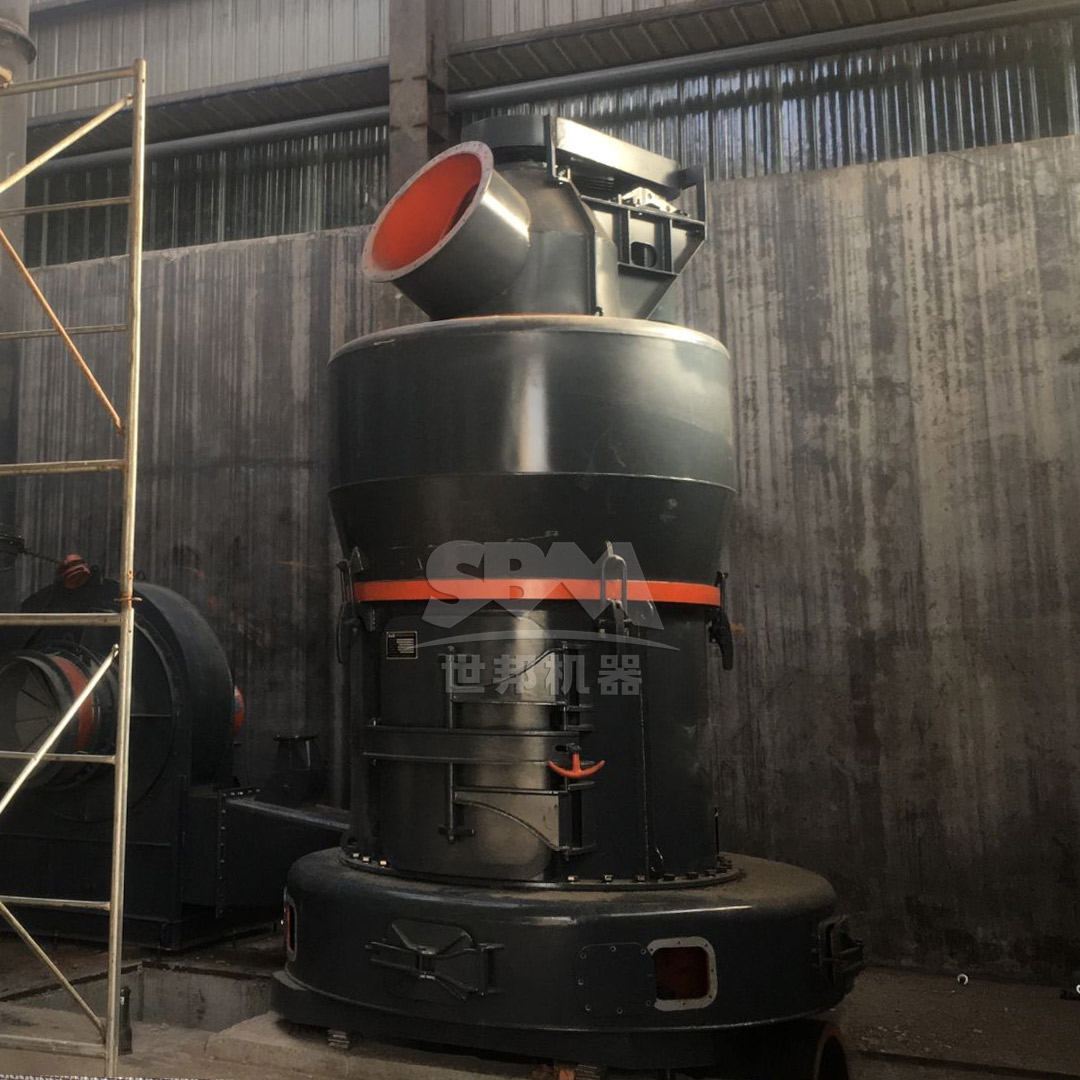
Our suite of grinding mills, from the ultra-fine SCM Series to the high-capacity MTW and LM Series, is engineered to meet these diverse challenges. By investing in the right processing technology, mining companies can effectively close the loop, turning environmental stewardship into a sustainable business advantage and paving the way for a more circular mining economy.