Working Principle of Magnesium Oxide Grinding Mill: An Overview
Introduction to Magnesium Oxide Grinding
Magnesium oxide (MgO), commonly known as magnesia, is a versatile industrial mineral with applications spanning refractory materials, construction, pharmaceuticals, and environmental protection. The production of high-quality magnesium oxide powder requires specialized grinding equipment capable of achieving precise particle size distribution while maintaining chemical purity. The grinding process for magnesium oxide presents unique challenges due to its moderate hardness (5.5-6.0 Mohs) and specific thermal properties that can affect final product quality.
Effective magnesium oxide grinding requires understanding the material’s characteristics and selecting appropriate milling technology. The ideal grinding system must balance production efficiency, energy consumption, and product quality while accommodating the specific requirements of different magnesium oxide grades, from caustic calcined magnesia to dead burned magnesia.
Fundamental Grinding Principles
Comminution Mechanisms
The reduction of magnesium oxide particles occurs through three primary mechanisms: impact, compression, and attrition. Impact grinding involves high-velocity collisions between grinding media and particles, effectively breaking larger crystals into smaller fragments. Compression grinding applies gradual pressure to particles between two surfaces, creating fractures along crystal planes. Attrition grinding involves particle-on-particle abrasion in a confined space, producing fine powders through frictional forces.
For magnesium oxide, the optimal grinding approach combines these mechanisms in proportions that maximize efficiency while minimizing undesirable thermal effects. Excessive impact can generate localized heat that may alter the material’s crystalline structure, while pure attrition may result in inefficient energy usage and prolonged processing times.
Particle Size Distribution Control
Controlling particle size distribution is critical in magnesium oxide processing, as end-use applications dictate specific size requirements. Refractory applications typically require coarse particles with controlled size distribution, while pharmaceutical and specialty chemical applications demand ultrafine powders with narrow distribution curves. Modern grinding mills incorporate advanced classification systems that separate particles based on size and return oversized material for further grinding.
The target fineness for magnesium oxide varies significantly by application: construction materials (100-325 mesh), refractory products (28-100 mesh), pharmaceutical grades (325-2500 mesh), and advanced ceramics (sub-micron particles). Each application necessitates specific grinding approaches and equipment configurations.
Grinding Mill Technologies for Magnesium Oxide
Vertical Roller Mills
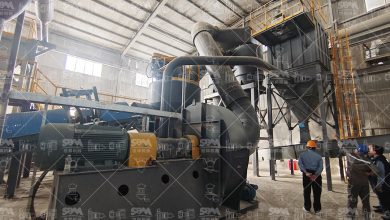
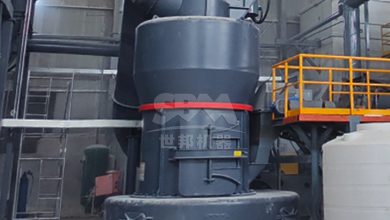
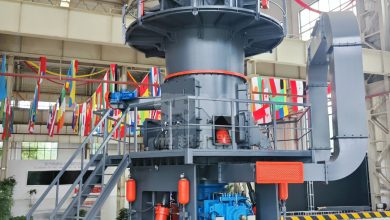
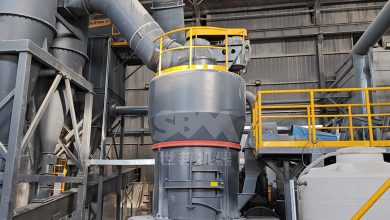
Vertical roller mills (VRMs) represent an efficient solution for medium to large-scale magnesium oxide grinding operations. These systems utilize hydraulically-loaded rollers that travel on a rotating grinding table, subjecting material to compression and shear forces. The ground material is transported by airflow to an integrated classifier, where oversize particles are separated and returned to the grinding zone.
For magnesium oxide processing, VRMs offer several advantages, including lower energy consumption compared to traditional ball mills (typically 30-40% less), compact footprint, and the ability to handle moist materials through integrated drying. The grinding process in VRMs generates less heat than impact-based systems, preserving the chemical properties of magnesium oxide.
Ultrafine Grinding Mills
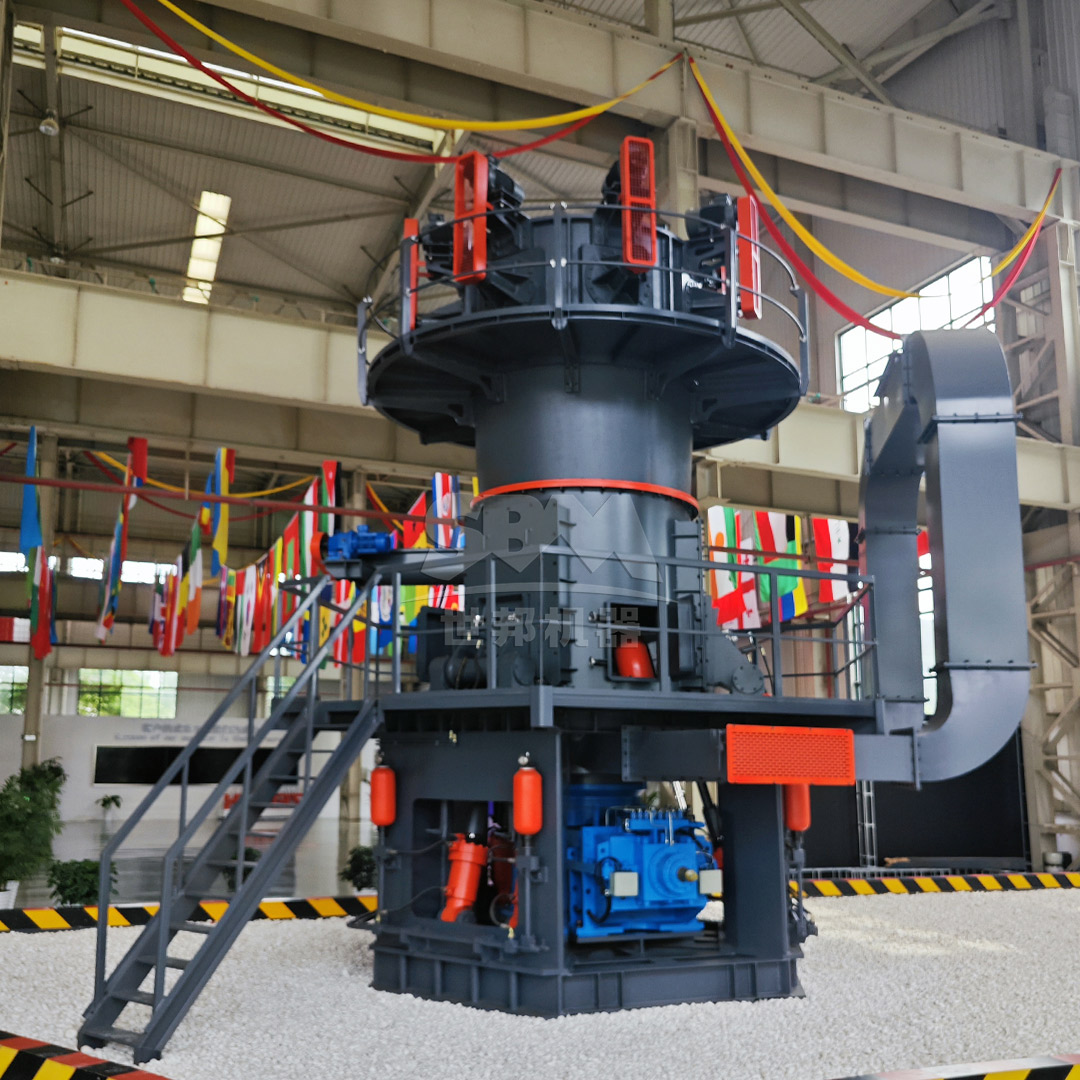
When producing high-value, ultrafine magnesium oxide powders, specialized ultrafine grinding mills deliver superior performance. Our SCM Ultrafine Mill series represents the pinnacle of ultrafine grinding technology, capable of producing magnesium oxide powders with fineness ranging from 325 to 2500 mesh (D97 ≤ 5μm).
The SCM Ultrafine Mill employs a unique grinding principle combining multiple grinding rings and rollers arranged in a vertical configuration. Material undergoes progressive refinement as it moves through layered grinding zones, with precise particle size control achieved through an integrated high-efficiency turbine classifier. This technology achieves remarkable energy efficiency, with capacity doubling that of jet mills while reducing energy consumption by 30%.
Key advantages of the SCM series for magnesium oxide processing include:
- High-precision classification ensuring uniform particle size distribution
- Special wear-resistant materials extending component life 2-3 times
- Pulse dust collection system exceeding international environmental standards
- Intelligent control system with automatic feedback for consistent product quality
With models ranging from SCM800 (0.5-4.5 ton/h capacity) to SCM1680 (5.0-25 ton/h capacity), the series offers solutions for various production requirements while maintaining exceptional product quality.
Advanced Grinding Systems
Trapezium Mills
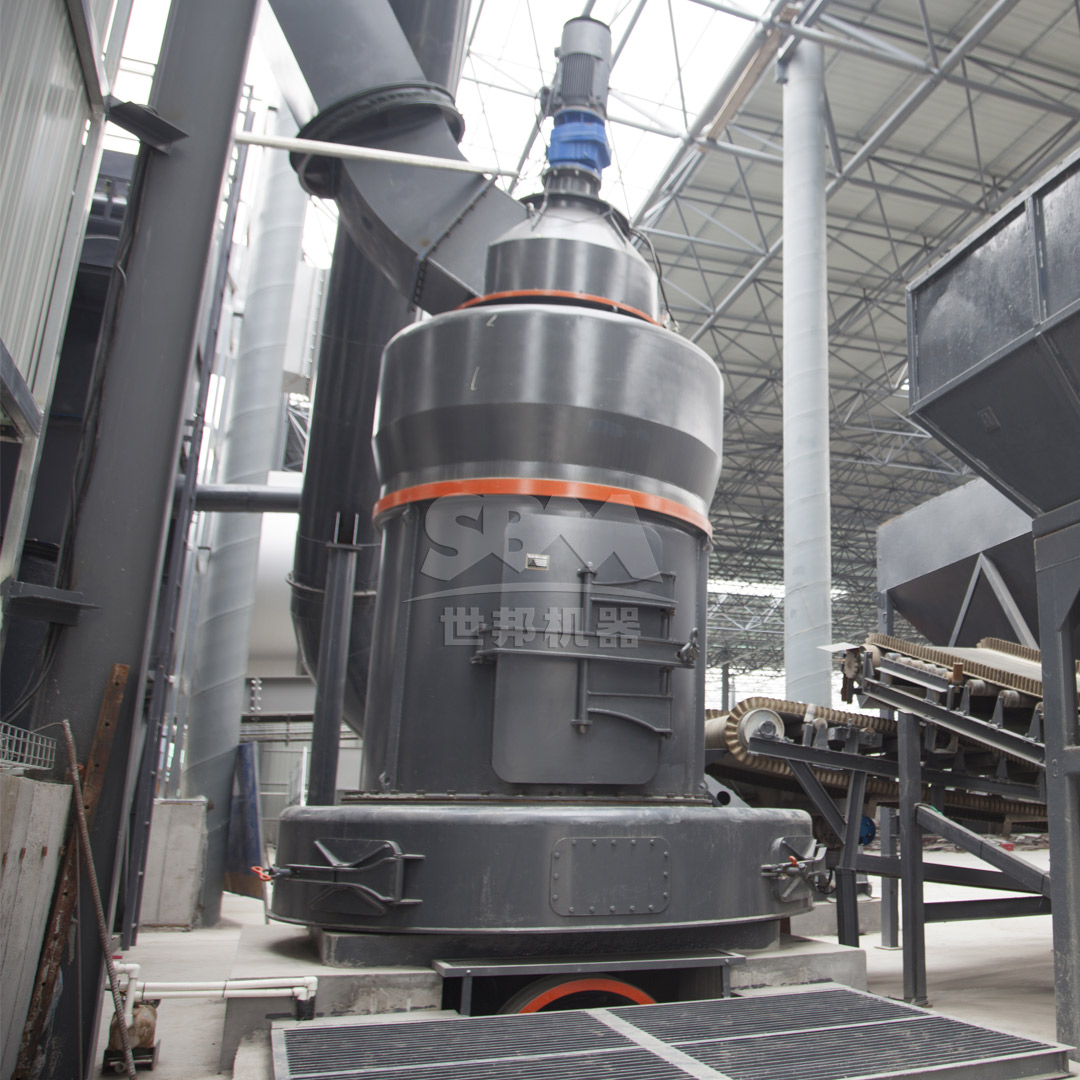
For medium-fineness magnesium oxide production, trapezium mills provide an optimal balance of efficiency, cost, and flexibility. Our MTW Series Trapezium Mill incorporates multiple technological innovations specifically beneficial for magnesium oxide processing, including curved air duct design that minimizes resistance and wear-resistant shovel blades that significantly reduce maintenance costs.
The grinding mechanism in MTW mills involves centrifugal force driving grinding rollers against the grinding ring, with specially designed shovel blades feeding material into the grinding zone. The integrated cone gear transmission delivers 98% efficiency while reducing space requirements and installation complexity.
For magnesium oxide grinding, the MTW series offers several distinct advantages:
- Anti-wear shovel design with composite wear parts reducing maintenance frequency
- Arc air channel optimizing airflow and reducing energy loss
- Integral cogwheel transmission ensuring smooth operation and high efficiency
- Durable grinding chamber construction for extended service life
With capacity ranging from 3-45 tons per hour across different models, the MTW series accommodates various production scales while maintaining consistent product quality between 30-325 mesh.
Specialized Grinding Solutions
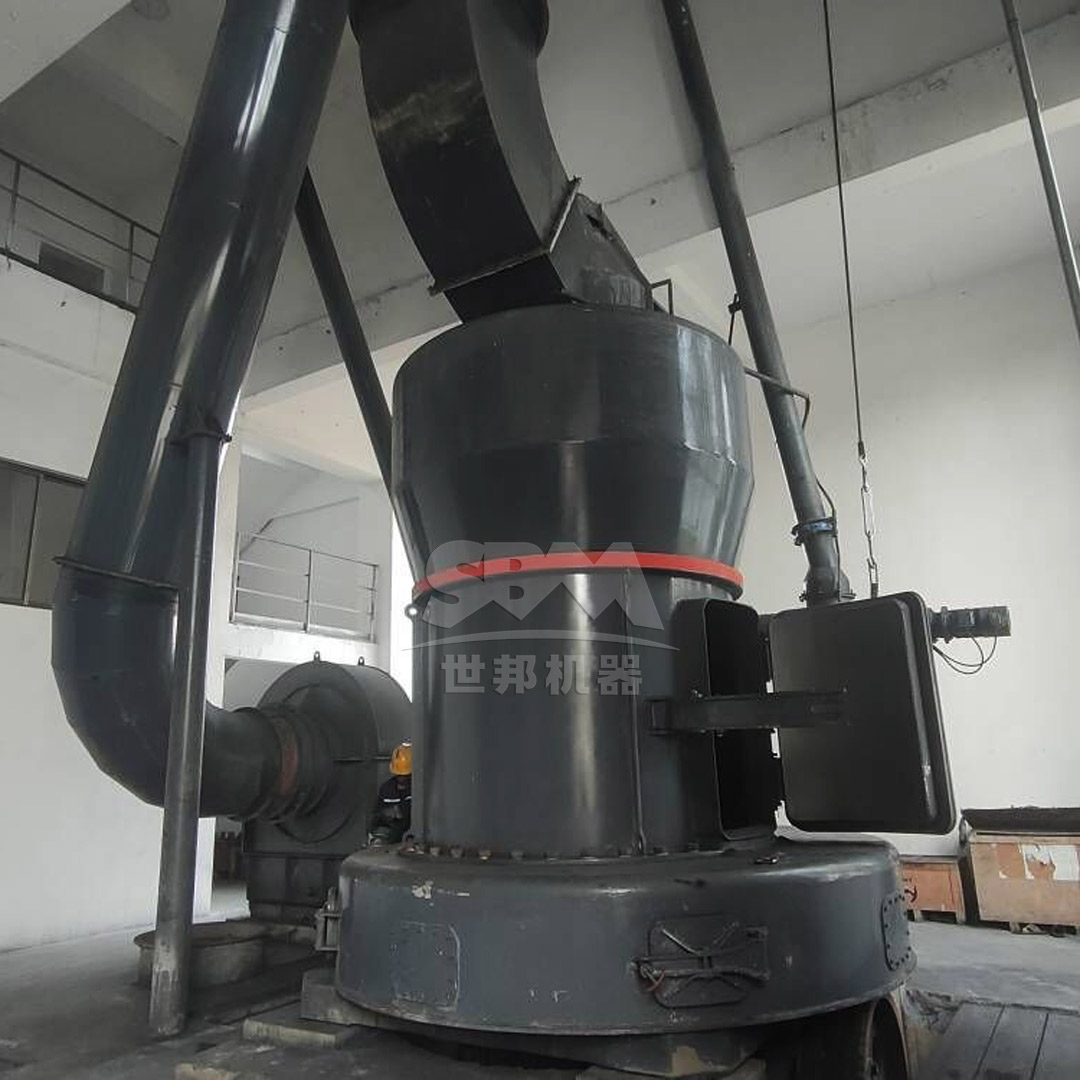
Beyond standard milling approaches, specialized grinding systems address unique challenges in magnesium oxide processing. Pendulum mills offer economical solutions for small to medium-scale operations, combining simple operation with reliable performance. These systems utilize suspended grinding rollers that swing outward due to centrifugal force, creating compression between rollers and grinding rings.
For operations requiring both grinding and classification in a single compact system, vertical pre-grinding mills provide integrated solutions. These systems combine crushing, grinding, and separation functions, significantly reducing footprint and installation costs while maintaining processing efficiency.
Critical Operational Considerations
Material Characteristics Impact
The grinding behavior of magnesium oxide varies significantly based on its calcination history and purity. Light-burned magnesia, with higher reactivity and porosity, grinds more easily but may require careful temperature control to prevent hydration. Dead-burned magnesia, characterized by dense crystalline structure and high refractoriness, demands more energy-intensive grinding approaches but offers better control over particle morphology.
Impurities present in natural magnesite sources can significantly affect grinding efficiency and product quality. Silica and iron compounds, common in magnesite deposits, typically have different hardness characteristics than magnesium oxide, potentially causing uneven wear in grinding systems and inconsistent particle size distribution.
Thermal Management
Temperature control during magnesium oxide grinding is essential for preserving material properties. Excessive heat generation can initiate premature sintering of fine particles or cause chemical changes that affect performance in end-use applications. Modern grinding systems address this challenge through several approaches:
- Integrated cooling systems that maintain optimal operating temperatures
- Advanced classifier designs that minimize recirculation of fine particles
- Process control systems that monitor and adjust operating parameters in real-time
For heat-sensitive applications, cryogenic grinding systems utilizing liquid nitrogen provide precise temperature control, though at higher operational costs.
Product Quality and Applications
Particle Characteristics
The grinding process directly influences critical magnesium oxide powder characteristics beyond simple particle size. Particle morphology, surface area, and crystalline structure all affect performance in downstream applications. Impact-dominant grinding tends to produce more angular particles with higher surface reactivity, while compression-based systems typically generate more rounded particles with lower surface area.
For refractory applications, particle shape distribution significantly impacts packing density and therefore the mechanical strength and thermal resistance of final products. Pharmaceutical and food-grade magnesium oxide requires precise control over particle characteristics to ensure bioavailability and compliance with regulatory standards.
Application-Specific Requirements
Different magnesium oxide applications demand specific grinding approaches:
- Refractory applications require controlled particle size distribution with emphasis on coarse fractions for structural integrity
- Agricultural applications benefit from moderate fineness (typically 100-200 mesh) with good flow characteristics
- Pharmaceutical grades demand ultrafine powders (typically 325-2500 mesh) with high chemical purity and consistent properties
- Environmental applications often require specific surface area optimization rather than strict particle size control
Future Trends in Magnesium Oxide Grinding
The evolution of magnesium oxide grinding technology continues toward higher efficiency, greater precision, and enhanced sustainability. Emerging trends include the integration of artificial intelligence for real-time process optimization, development of advanced wear-resistant materials extending component life, and hybrid systems combining multiple grinding principles for optimal performance across different product grades.
Environmental considerations increasingly influence grinding system design, with emphasis on energy recovery, dust containment, and noise reduction. Modern mills like our SCM and MTW series already incorporate many of these features, with pulse dust collection systems achieving efficiency beyond international standards and noise levels controlled below 75dB through integrated acoustic enclosures.
As magnesium oxide applications expand into advanced ceramics, electronic components, and specialized chemical processes, grinding technology must adapt to produce powders with increasingly specific characteristics. The future will likely see greater customization of grinding systems for particular magnesium oxide grades and applications, with digitalization enabling unprecedented control over product quality and process efficiency.