
Will Artificial Stone Become the New Growth Engine for the Stone Industry?
Introduction: The Rise of Engineered Stone
The global stone industry stands at a pivotal crossroads. For centuries, natural stone has been synonymous with luxury, durability, and timeless beauty. However, the 21st century has ushered in a formidable challenger: artificial stone, also known as engineered or quartz stone. Composed primarily of crushed natural quartz aggregates (typically over 90%) bound together by polymer resins and pigments, this manufactured material is rapidly gaining market share. The question is no longer if artificial stone will impact the industry, but whether it will fundamentally reshape it and become its primary growth engine. This article explores the technological, economic, and environmental drivers behind this shift and examines the critical role of advanced processing equipment in enabling this transformation.
The Driving Forces Behind the Artificial Stone Boom
The surging popularity of artificial stone is not accidental; it is a direct response to market demands that natural stone often struggles to meet consistently.
1. Unmatched Consistency and Design Flexibility
Unlike natural stone, which is subject to geological variance, artificial stone offers unparalleled batch-to-batch consistency in color and pattern. This reliability is paramount for large-scale commercial projects. Furthermore, manufacturers can create an infinite spectrum of colors and visual effects—from realistic marble veining to bold, solid hues—free from the limitations of natural geology.
2. Superior Performance Characteristics
Engineered quartz boasts several performance advantages. It is non-porous, making it highly resistant to staining from common household items like wine, oil, and coffee. This inherent property also makes it bacteriostatic, a key selling point for kitchens and healthcare settings. Its engineered structure provides exceptional flexural strength, reducing the risk of cracking during fabrication and installation.
3. Sustainability and Supply Chain Ethics
Artificial stone production utilizes abundant quartz feedstock and can incorporate recycled materials from other industrial processes. It offers a predictable and efficient supply chain, reducing the environmental and social uncertainties sometimes associated with quarrying natural stone, such as land use impact and labor practices.
The Core Challenge: Precision in Raw Material Preparation
The quality of artificial stone is intrinsically linked to the quality of its primary ingredient: processed quartz powder. The raw quartz must be crushed and ground to a specific, tightly controlled fineness and particle size distribution (PSD). An inconsistent or overly coarse PSD leads to weak spots, poor resin bonding, and an unsatisfactory surface finish. Conversely, achieving the optimal PSD efficiently is the key to profitability and product excellence.
This is where the revolution in grinding technology becomes the linchpin for the artificial stone industry’s growth. Traditional grinding methods often lack the precision, energy efficiency, and environmental controls required for modern, high-volume production.
Enabling Technology: The Grinding Equipment Revolution
To produce the high-quality, uniform quartz powder demanded by top-tier engineered stone manufacturers, advanced milling systems are non-negotiable. Two categories of grinding mills are particularly critical in this process chain: one for high-capacity, coarse-to-medium grinding of raw quartz, and another for producing the ultra-fine powders used in premium surfaces.
For High-Capacity, Efficient Grinding: The MTW Series European Trapezium Mill
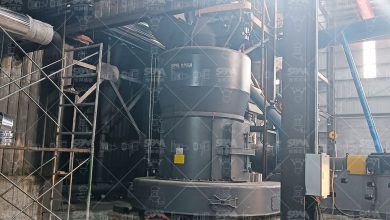
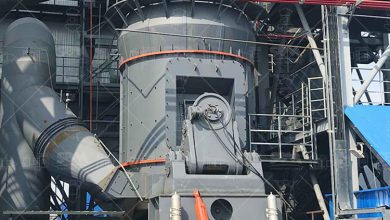
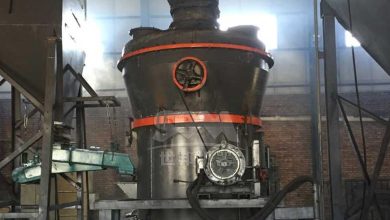
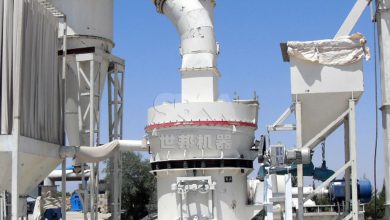
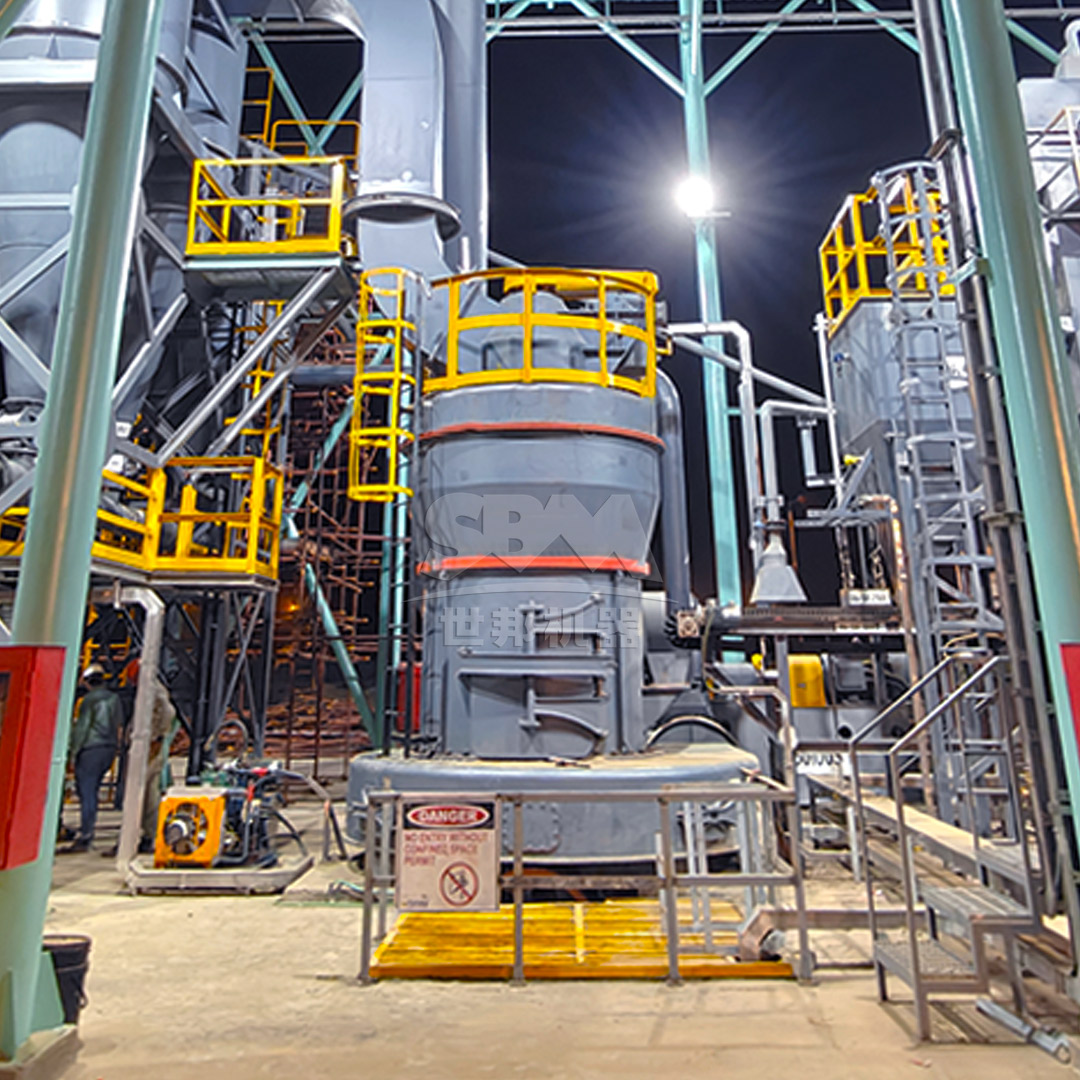
The initial size reduction of large quartz rocks requires robust and efficient machinery. The MTW Series European Trapezium Mill is engineered for this demanding role. Capable of handling feed sizes up to 50mm and producing outputs ranging from 30 to 325 mesh (600-45μm), it is a workhorse for primary grinding stages.
Its technical advantages directly address the needs of stone plants:
- Anti-wear Design & High Efficiency: Its combined shovel blades and curved roller design drastically reduce wear-part maintenance costs and downtime. The integral bevel gear drive achieves a remarkable 98% transmission efficiency, translating to significant energy savings—a major operational cost factor.
- Optimized Classification: The wear-resistant volute structure and optimized air duct ensure precise particle size separation. This results in a consistent product feed for downstream processes, maximizing the yield of usable material and minimizing waste.
- Large Capacity Range: With models like the MTW215G offering capacities up to 45 tons per hour, this mill series can support the massive scale required by global artificial stone producers.
For Premium, Ultra-Fine Powder Production: The SCM Series Ultrafine Mill
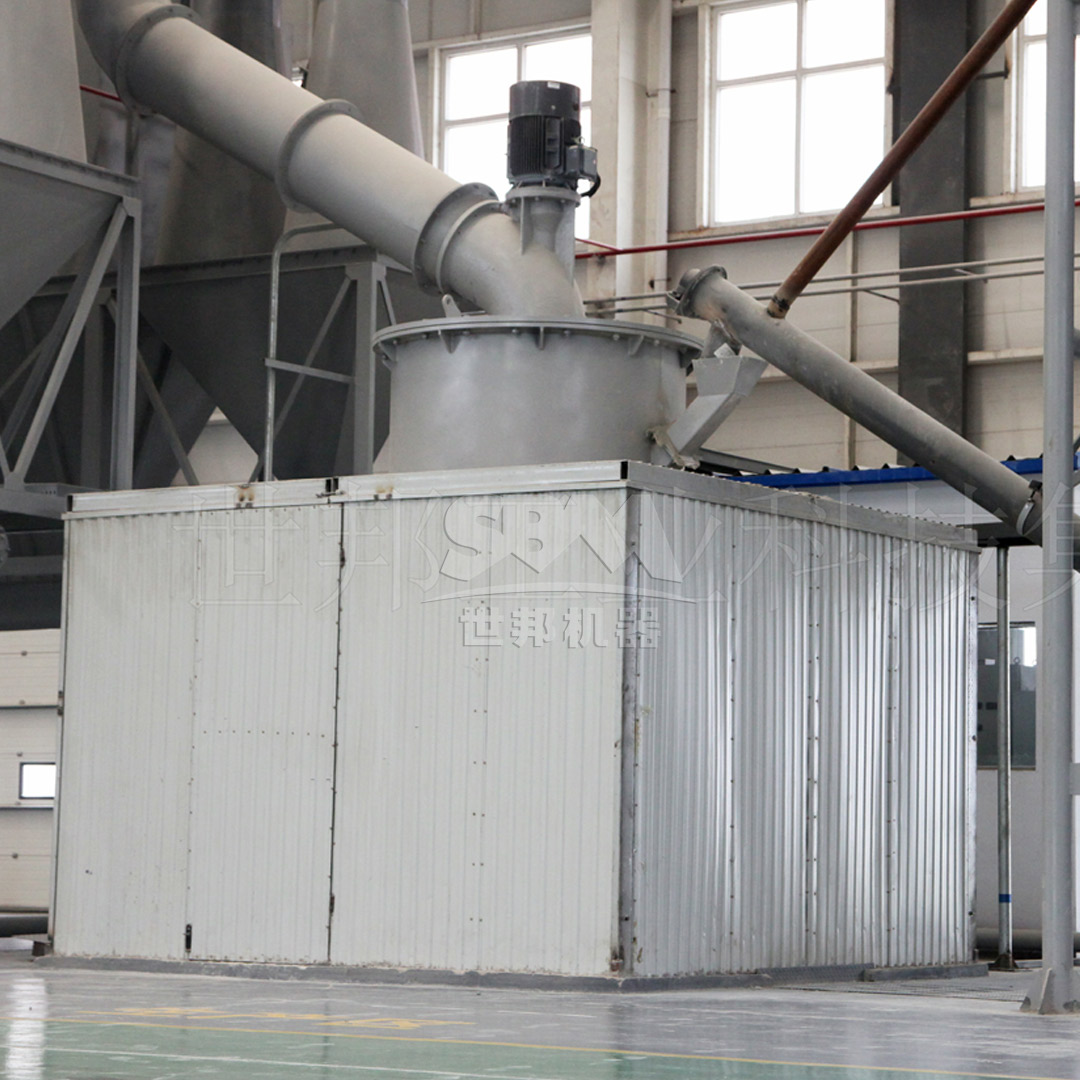
The pursuit of superior surface quality and the development of new, ultra-compact artificial stone products necessitate quartz powders of exceptional fineness. The SCM Series Ultrafine Mill is the definitive solution for producing these high-value powders, achieving fineness levels between 325 and 2500 mesh (45-5μm).
This mill is a technological marvel that unlocks new product possibilities:
- High-Precision Classification: Its vertical turbine classifier performs precise particle size “cutting,” ensuring no coarse particles contaminate the final ultra-fine powder. This uniformity is critical for achieving a perfectly smooth, non-porous surface in the finished slab.
- Energy-Efficient Performance: Operating with 30% lower energy consumption than traditional jet mills while offering double the capacity, the SCM series makes the production of ultra-fine powders economically viable.
- Eco-Friendly Operation: A pulse dust collection system with efficiency exceeding international standards, coupled with soundproof design, ensures that producing these premium materials does not come at an environmental or workplace comfort cost. For a plant targeting the high-end market, a model like the SCM1250, with a capacity of 2.5-14t/h, provides an ideal balance of output and fineness control.
The Integrated Production Line: From Raw Stone to Engineered Slab
A modern artificial stone plant is a symphony of integrated technology. The process typically begins with primary crushers reducing mined quartz to manageable sizes. This material is then fed into a grinding circuit, often starting with an MTW Series mill for efficient reduction to a consistent medium grit. The powder may then be classified, with a portion diverted to an SCM Series Ultrafine Mill for refinement. The precisely blended coarse, medium, and fine powders are then mixed with resins and pigments in a vacuum mixer to remove all air, pressed into slabs under immense pressure, and cured in ovens. Finally, the slabs are polished to a brilliant finish.
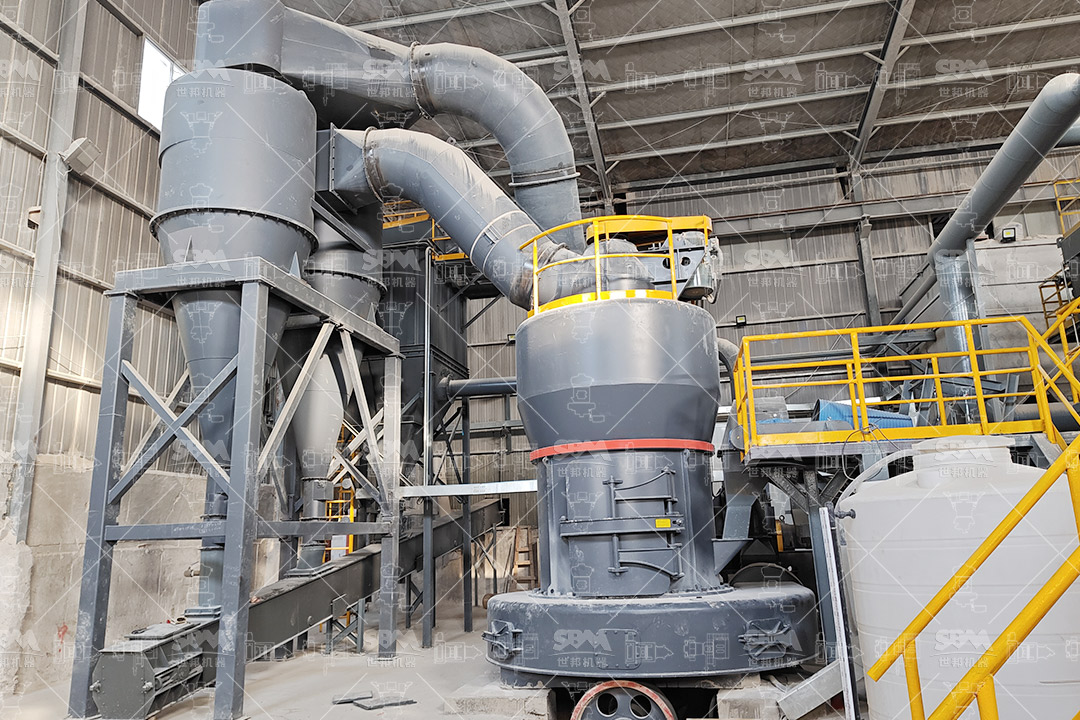
At every stage, but especially in grinding, the precision and reliability of the equipment determine the structural integrity, aesthetic quality, and cost-effectiveness of the final product.
Conclusion: A Symbiotic Future for Stone
Artificial stone is not merely a trend; it is a significant and growing segment that addresses modern architectural and consumer needs. Its rise does not signal the end of natural stone but rather the evolution of the broader stone industry into a more diverse and technologically advanced sector.
The growth engine of this new era is powered by innovation in material science and, fundamentally, by breakthroughs in processing technology. Advanced grinding mills like the MTW Series and SCM Series are not just supporting tools; they are enabling technologies that allow manufacturers to achieve the consistency, quality, and scale required to compete and thrive. They transform raw quartz from a simple mineral into a high-performance, design-forward engineered material.
Therefore, the answer is clear: Yes, artificial stone is poised to be a major, if not the primary, growth engine for the stone industry in the coming decades. Its success, however, is inextricably linked to the adoption of precise, efficient, and sustainable processing equipment. Companies that invest in this core technology will be the ones leading the charge, shaping the surfaces of our future homes, offices, and public spaces.