Why is Phosphate Rock Grinding Necessary for Phosphate Fertilizer Production?
Introduction: The Critical Role of Grinding in Fertilizer Manufacturing
The global demand for food security places immense pressure on agricultural productivity, making phosphate fertilizers a cornerstone of modern farming. At the heart of their production lies a seemingly simple yet profoundly critical process: the grinding of phosphate rock. This initial mechanical treatment is not merely a preparatory step; it is a fundamental prerequisite that dictates the efficiency, economics, and environmental footprint of the entire fertilizer production chain. This article delves into the multifaceted reasons why precise and efficient phosphate rock grinding is indispensable, exploring the scientific, process-related, and economic imperatives that make it the gateway to high-quality fertilizer.
1. Unlocking Reactivity: The Chemical Imperative of Increased Surface Area
Phosphate rock, primarily composed of fluorapatite [Ca5(PO4)3F], is a naturally occurring mineral with low inherent solubility and chemical reactivity. The primary goal of most fertilizer production processes, such as the wet-process phosphoric acid (WPA) route or direct application, is to make the phosphorus (P) content available to plants.
Grinding directly addresses this by dramatically increasing the specific surface area of the rock particles. The relationship is geometric: reducing particle size by a factor of ten can increase the surface area by a factor of one hundred. This expanded surface area is crucial for subsequent chemical reactions.
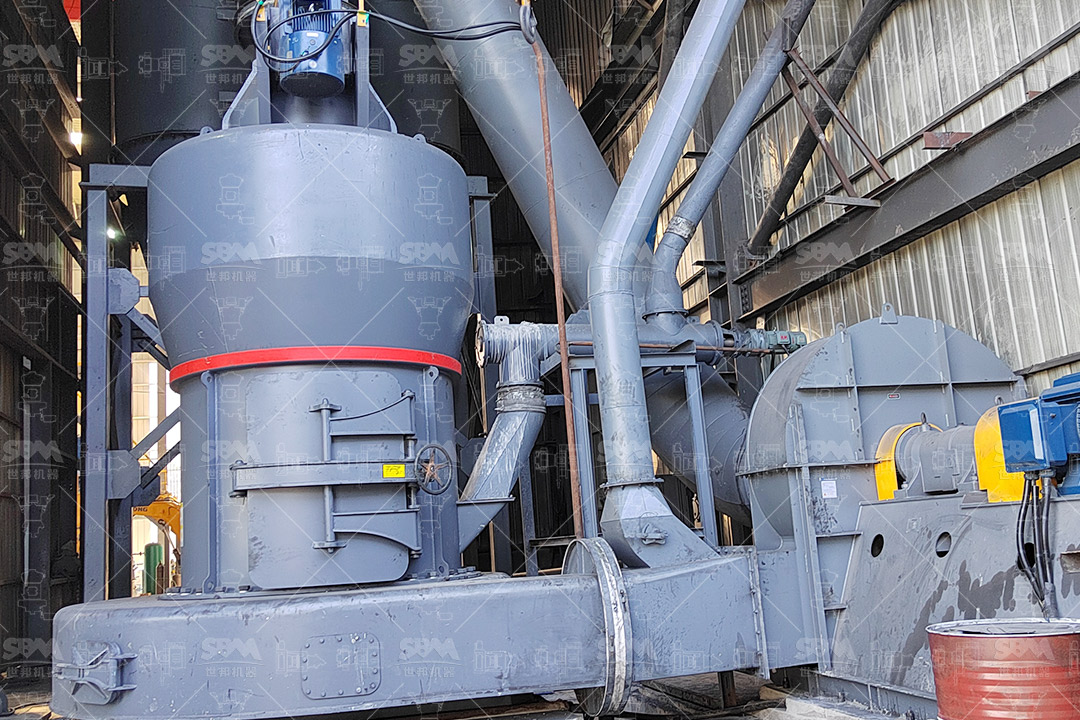
In the Wet-Process Phosphoric Acid method, ground rock is reacted with sulfuric acid. The reaction occurs at the solid-liquid interface. Finer particles provide a vastly larger interface, allowing for faster and more complete dissolution of the phosphate mineral. This leads to:
- Higher Reaction Rates: Shorter digestion times in the reactor.
- Improved P2O5 Recovery: More efficient extraction of phosphorus from the ore, maximizing yield from valuable raw material.
- Reduced Acid Consumption: More efficient reaction can optimize sulfuric acid usage, a major cost component.
For fertilizers like Single Superphosphate (SSP) or Triple Superphosphate (TSP), where phosphate rock is acidulated with phosphoric or sulfuric acid, a fine, uniform grind ensures intimate mixing and complete reaction, producing a consistent, high-analysis product.
2. Process Optimization: Facilitating Downstream Operations
Beyond chemistry, grinding optimizes every physical step that follows in a fertilizer plant.
- Mixing and Homogenization: A consistent, fine powder blends uniformly with acids or other raw materials, preventing localized unreacted zones and ensuring batch-to-batch product consistency.
- Slurry Handling and Pumping: In wet processes, finely ground rock forms a more stable and less abrasive slurry, reducing wear on pumps, pipes, and agitators.
- Filtration: The size and shape of gypsum crystals (a byproduct of the WPA process) are influenced by the initial rock particle size. Controlled grinding leads to better filterable gypsum crystals, enhancing filtration rates and reducing P2O5 losses in the filter cake.
- Granulation and Drying: For granular fertilizer production, the fineness of the feed powder (whether it’s ground rock or intermediate products like diammonium phosphate) is critical for achieving proper granule formation, strength, and size distribution.
3. Economic and Energy Efficiency: The Grinding Cost Balance
Grinding is an energy-intensive operation, often accounting for a significant portion of a plant’s power consumption. Therefore, the goal is not to grind “as fine as possible” but to grind “as fine as necessary” to achieve optimal downstream performance with minimal energy input. This requires precision equipment capable of delivering a targeted particle size distribution (PSD).
Over-grinding wastes energy and generates excessive ultra-fines that can cause dust issues and process inefficiencies. Under-grinding leads to poor reactivity, lower yields, and operational problems. Advanced grinding systems with efficient classification allow operators to hit the precise PSD sweet spot, maximizing overall plant economics.
4. Product Quality and Agronomic Effectiveness
The final quality of the fertilizer is traceable back to the grind. For directly applied phosphate rocks (especially reactive ones), fineness is the key agronomic parameter. Regulatory standards often specify the percentage of material passing through certain mesh screens (e.g., 100% passing 150 μm). A finer grind increases the surface area exposed to soil acids, accelerating the rate at which phosphorus becomes plant-available.
For processed fertilizers, a consistent, controlled feed from the grinding circuit ensures the final product has uniform nutrient content, good physical properties (hardness, lack of dust), and predictable dissolution behavior in the soil.
Selecting the Right Grinding Technology for Phosphate Rock
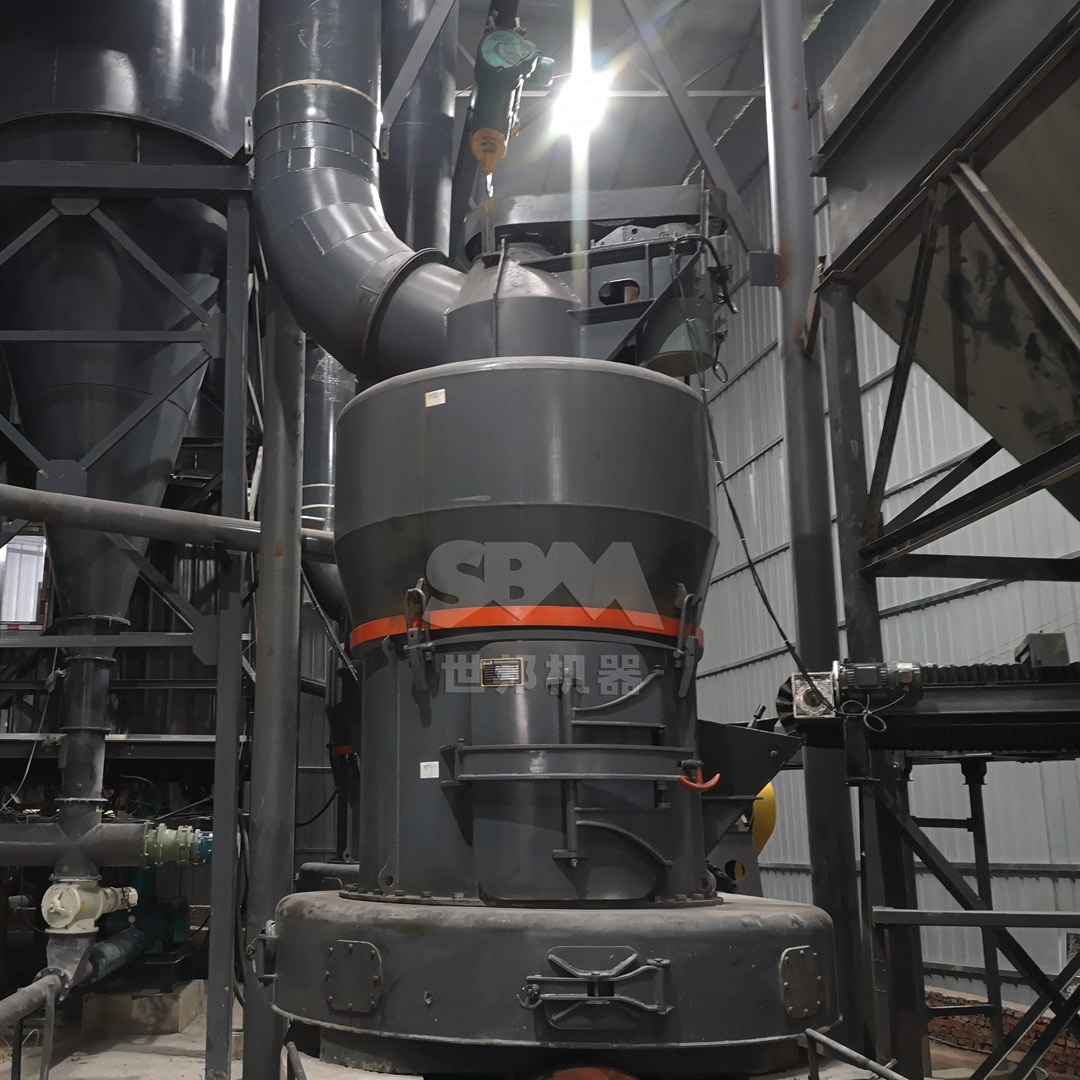
Given its moderate to hard abrasiveness and the need for medium to fine powders (typically ranging from 80% passing 75 μm for acidulation to 100% passing 150 μm for direct application), choosing the correct grinding mill is paramount. Key considerations include:
- Abrasion Resistance: The mill must withstand the wear from silica and other hard minerals in the ore.
- Energy Efficiency: Low specific energy consumption (kWh/ton) is critical for operating costs.
- Product Fineness Control: Ability to produce a consistent and adjustable PSD.
- System Reliability & Maintenance: High availability and low maintenance requirements.
- Environmental Compliance: Low dust emissions and noise levels.
Technology Spotlight: The MTW Series Trapezium Mill for Primary and Secondary Grinding
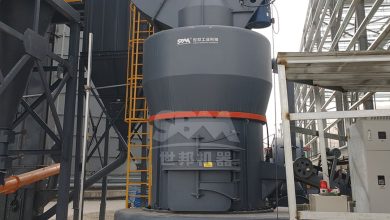
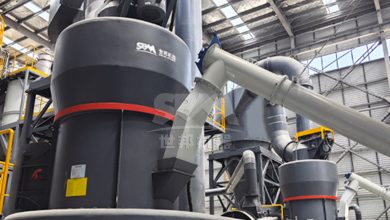
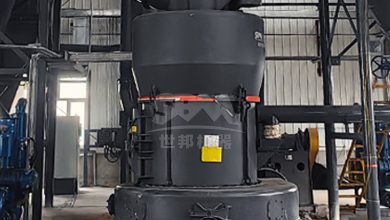
For the demanding requirements of phosphate rock size reduction, our MTW Series Trapezium Mill presents an outstanding solution, particularly for producing powders in the 30-325 mesh (0.6mm-45μm) range. Its design philosophy directly addresses the challenges of processing abrasive minerals like phosphate rock.
The MTW Mill’s wear-resistant design is a standout feature. Its combination of specially designed curved shovels and high-chromium alloy grinding rollers and rings significantly extends service life, directly combating the high-wear nature of phosphate ore. This translates to lower long-term maintenance costs and reduced downtime.
Furthermore, its conical gear integral transmission achieves an impressive 98% transmission efficiency. This highly efficient drive system, coupled with an optimized curved air duct that minimizes airflow resistance, results in substantial energy savings compared to traditional grinding systems. For a phosphate plant operating continuously, this efficiency gain has a major impact on the bottom line.
The mill’s advanced internal powder classifier ensures precise control over the final product fineness. This is crucial for hitting the target PSD for acidulation, whether for sulfuric or phosphoric acid processes. Models like the MTW215G, with a capacity of 15-45 tons per hour and handling feed sizes up to 50mm, are ideally suited for large-scale phosphate fertilizer production lines, providing reliable, high-volume grinding with excellent fineness control.
For Ultra-Fine or Specialized Requirements: The SCM Ultrafine Mill
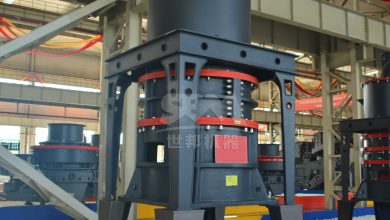
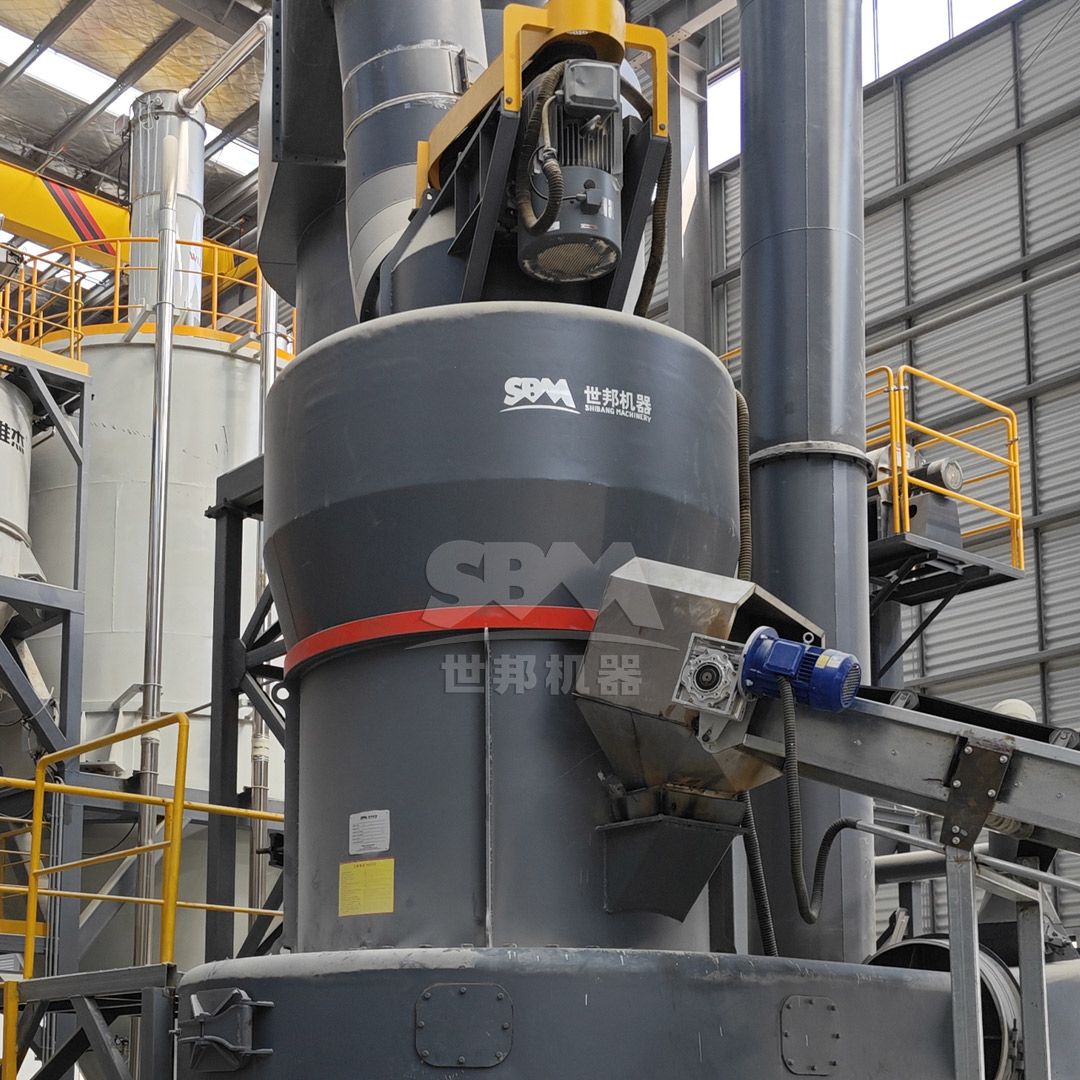
In some advanced fertilizer formulations or for enhancing the reactivity of specific phosphate sources, an ultra-fine grind may be beneficial. For these demanding applications requiring powders from 325 to 2500 mesh (45-5μm), our SCM Ultrafine Mill is the technology of choice.
The SCM Mill excels in producing exceptionally fine and uniform powders. Its vertical turbine classification system provides sharp particle size cuts, ensuring the final product has a narrow, consistent distribution without coarse grain contamination. This level of homogeneity can be critical for specialty fertilizer products or for maximizing surface area in certain chemical processes.
Despite its ability to achieve ultra-fine grinds, the SCM Mill is engineered for efficiency. Its innovative grinding chamber design and intelligent control system can increase output by up to 100% while reducing energy consumption by 30% compared to traditional jet mills. Furthermore, its fully sealed system with high-efficiency pulse dust collection ensures an environmentally clean operation, with noise levels below 75dB. A model like the SCM1250, offering 2.5-14 tons per hour capacity, provides a powerful solution for adding high-value, ultra-fine phosphate powder production to a fertilizer portfolio.
Conclusion: More Than Just Crushing Rock
Phosphate rock grinding is far from a mundane mechanical task. It is a transformative process that activates a raw mineral, turning it into a reactive feedstock for the global food production system. It sits at the nexus of chemical efficiency, process economics, and final product quality. Investing in modern, efficient, and precise grinding technology—such as the robust MTW Series Trapezium Mill for mainstream production or the high-precision SCM Ultrafine Mill for specialized applications—is not an operational expense but a strategic investment. It lays the foundation for a fertilizer plant that is competitive, sustainable, and capable of producing the high-quality nutrients that agriculture depends on. By mastering the first step of grinding, producers unlock the full value of their phosphate resource and contribute to a more food-secure world.