Why Anode Slime Needs Fine Grinding & How to Grind Anode Material Efficiently?
Introduction: The Critical Role of Fine Grinding in Anode Material Processing
In the rapidly evolving battery manufacturing industry, the processing of anode materials has emerged as a critical factor determining battery performance, longevity, and cost-effectiveness. Anode slime, a byproduct of copper electrorefining containing valuable metals like copper, silver, gold, and selenium, requires specialized processing to maximize metal recovery and value. The particle size distribution achieved during grinding directly impacts downstream processes including leaching efficiency, filtration rates, and ultimately, the purity of recovered metals. This comprehensive analysis explores the technical requirements for anode slime grinding and presents advanced solutions for optimizing this crucial processing step.
The Science Behind Fine Grinding of Anode Slime
Enhanced Surface Area and Reaction Kinetics
Fine grinding dramatically increases the specific surface area of anode slime particles, which directly accelerates leaching kinetics during subsequent hydrometallurgical processing. Research indicates that reducing particle size from 100μm to 10μm can increase surface area by approximately tenfold, significantly improving the contact between leaching reagents and valuable metal components. This enhanced reactivity translates to higher metal recovery rates, reduced reagent consumption, and shorter processing times – all critical factors in optimizing operational economics.
Liberation of Encapsulated Valuables
Anode slime typically contains complex microstructures where precious metals are often encapsulated within copper and selenium matrices. Conventional coarse grinding may leave these valuable components trapped, resulting in significant economic losses. Fine grinding to appropriate particle sizes ensures complete liberation of these encapsulated particles, enabling maximum recovery during separation processes. The optimal liberation size varies depending on the specific mineralogy of the anode slime, typically requiring grinding to below 20μm for most applications.
Improved Homogeneity and Process Control
Consistent fine grinding produces a homogeneous feed material with uniform particle size distribution, which is essential for predictable and stable downstream processing. Variations in particle size can lead to inconsistent leaching behavior, filtration problems, and ultimately, fluctuations in final product quality. Advanced grinding systems with precise classification capabilities ensure tight control over the particle size distribution, eliminating these processing inconsistencies.

Technical Challenges in Anode Slime Grinding
Abrasive Nature and Equipment Wear
Anode slime contains hard, abrasive components that can cause rapid wear of grinding media and equipment components. This abrasiveness necessitates grinding systems constructed from specialized wear-resistant materials and designed for easy maintenance and component replacement. The economic impact of excessive wear includes not only replacement costs but also downtime and potential contamination of the product.
Thermal Sensitivity and Oxidation Risks
Many components within anode slime are thermally sensitive and may oxidize or undergo undesirable phase transformations when exposed to excessive heat during grinding. Effective temperature control through optimized grinding mechanics and, when necessary, cooling systems is essential to preserve the chemical characteristics of the valuable components.
Dust Control and Environmental Considerations
The fine powders generated during grinding present significant dust control challenges, with potential implications for both worker safety and environmental compliance. Modern grinding systems must incorporate comprehensive dust collection and containment systems that operate effectively across the entire particle size range.
Advanced Grinding Technologies for Anode Materials
Ultra-Fine Grinding Solutions
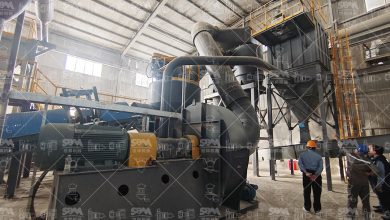
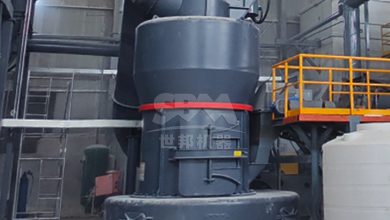
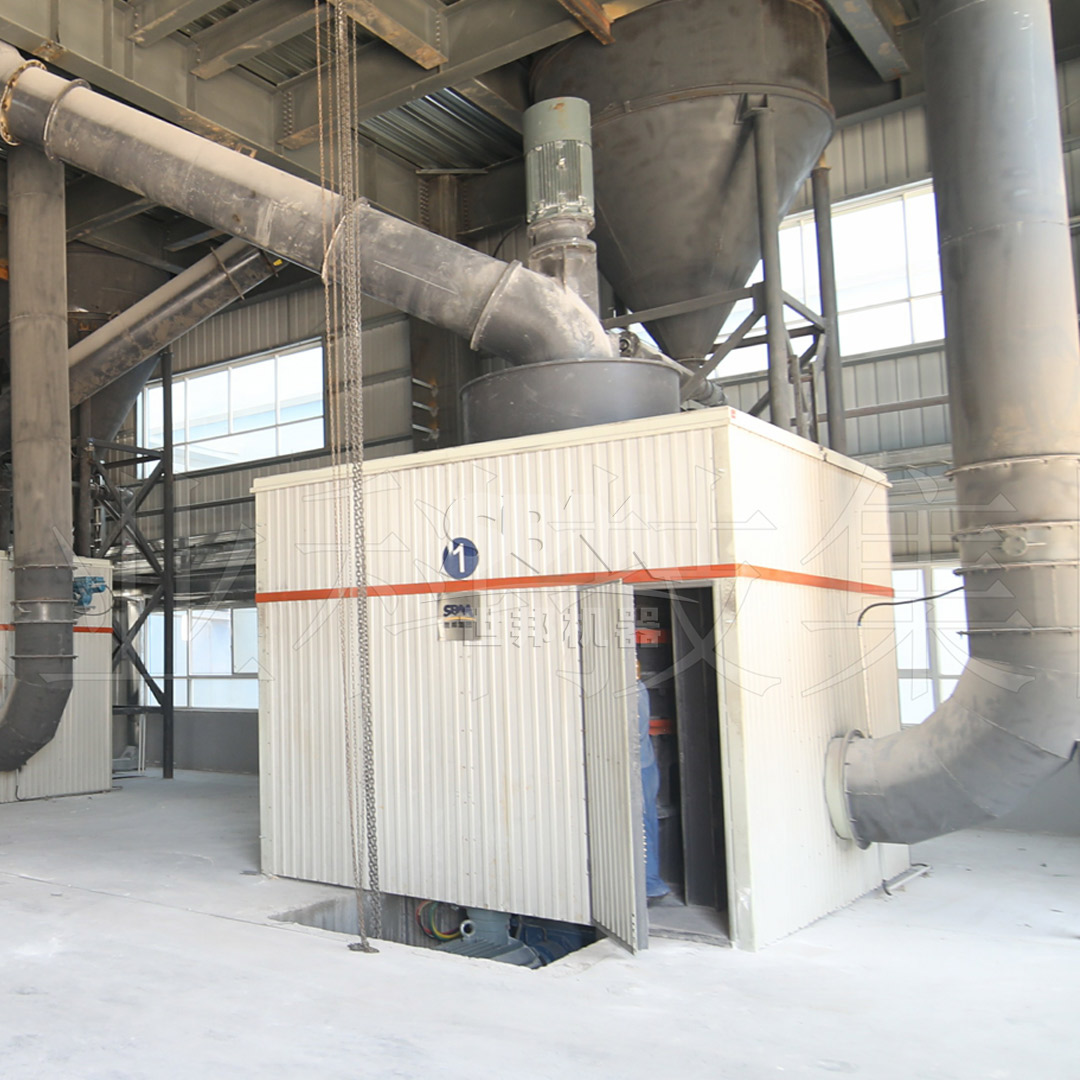
For applications requiring the finest particle sizes, specialized ultra-fine grinding equipment delivers exceptional performance. The SCM Ultrafine Mill represents the cutting edge in this category, capable of producing powders in the range of 325-2500 mesh (D97≤5μm). With capacity reaching 25 ton/h and energy consumption 30% lower than conventional jet mills, this system offers both technical and economic advantages for anode slime processing. Its vertical turbine classification system ensures precise particle size control without coarse particle contamination, while the special material roller and grinding ring extend service life significantly compared to conventional systems.
Medium-Fine Grinding Applications
For processes not requiring ultra-fine powders, medium-fine grinding systems provide an optimal balance of performance and operating costs. The MTW Series Trapezium Mill delivers output in the 30-325 mesh range (down to 0.038mm) with capacities up to 45 ton/h. Its curved air channel design minimizes energy loss while improving transmission efficiency, and the combined shovel blade design significantly reduces maintenance requirements. The integrated cone gear transmission achieves remarkable 98% transmission efficiency, contributing to overall energy savings. These characteristics make the MTW series particularly suitable for preliminary grinding stages or applications where the extreme fineness of SCM mills is not required.
Vertical Roller Mill Applications
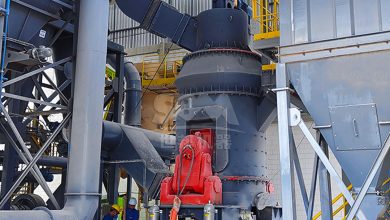
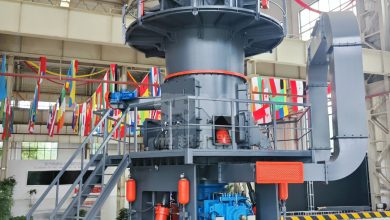
Vertical roller mills offer distinct advantages for high-capacity anode slime processing applications. The LM Series Vertical Roller Mill integrates multiple functions including crushing, grinding, and separation in a single compact unit, reducing footprint requirements by up to 50%. With capacities ranging from 3-250 ton/h and the ability to produce powders from 30-325 mesh (with special models reaching 600 mesh), these systems provide exceptional flexibility. The non-contact design between grinding rollers and the disc extends wear part life up to three times compared to conventional systems, while energy consumption is reduced by 30-40% compared to ball mill systems.
Optimizing Grinding Circuit Design for Anode Slime
Integrated Classification Systems
Effective classification is equally important as the grinding process itself for achieving target particle size distributions. Modern grinding systems incorporate advanced classification technologies that enable precise cut-point control and efficient separation of properly ground material from oversize particles that require further reduction. This closed-circuit approach maximizes grinding efficiency while minimizing overgrinding and energy waste.
Automation and Process Control
Advanced control systems continuously monitor and adjust grinding parameters to maintain optimal performance despite variations in feed characteristics. These systems typically incorporate real-time particle size analysis, power monitoring, and automated adjustment of operational parameters to ensure consistent product quality with minimal operator intervention.
Energy Efficiency Considerations
Grinding is typically the most energy-intensive unit operation in anode slime processing, making energy efficiency a critical economic factor. Modern grinding systems employ multiple strategies to minimize specific energy consumption, including optimized grinding mechanics, high-efficiency drives, and intelligent control systems that adjust energy input based on actual processing requirements.
Case Study: Implementing Advanced Grinding Technology
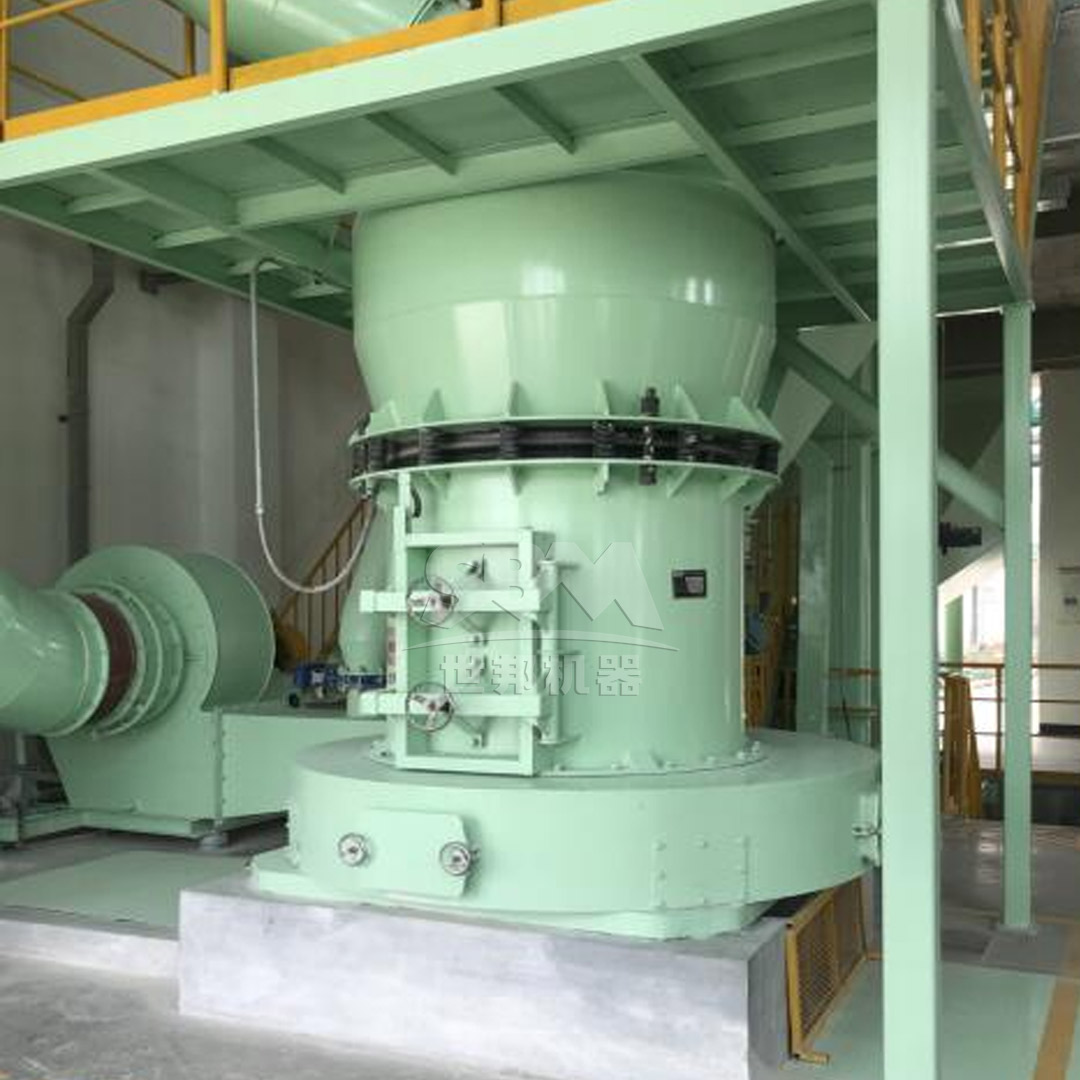
A major copper refinery recently upgraded their anode slime processing circuit by implementing an SCM1000 Ultrafine Mill for final grinding ahead of their leaching circuit. The results demonstrated significant improvements across multiple metrics: gold recovery increased from 87% to 96%, silver recovery improved from 92% to 98%, leaching time reduced by 40%, and cyanide consumption decreased by 28%. The payback period for the equipment investment was calculated at just 14 months based solely on the increased metal recovery, with additional benefits from reduced reagent consumption and increased processing capacity.
Future Trends in Anode Material Grinding Technology
The ongoing evolution of grinding technology continues to address the specific challenges of anode slime processing. Emerging trends include the development of increasingly wear-resistant materials to extend component life, advanced sensor technology for real-time process optimization, and integration with digital twin technology for predictive maintenance and operational planning. Additionally, the drive toward circular economy principles is stimulating innovation in grinding system design to minimize waste generation and energy consumption throughout the equipment lifecycle.
Conclusion
Fine grinding represents a critical unit operation in anode slime processing, with direct implications for metal recovery, process efficiency, and overall economic performance. The selection of appropriate grinding technology must consider the specific characteristics of the anode slime, the target particle size distribution for downstream processes, and the overall economic objectives of the operation. Advanced grinding systems such as the SCM Ultrafine Mill and MTW Series Trapezium Mill offer sophisticated solutions that address the technical challenges while delivering superior economic performance through enhanced metal recovery, reduced operating costs, and improved process stability. As battery technology continues to advance, the importance of optimized anode material processing will only increase, reinforcing the strategic value of investing in advanced grinding technology.