Which Type of Grinding Mill is Suitable for Processing Hydrated Lime?
Introduction to Hydrated Lime Processing
Hydrated lime, also known as calcium hydroxide (Ca(OH)₂), is a versatile chemical compound with widespread applications across various industries including construction, water treatment, chemical manufacturing, and environmental remediation. The production of high-quality hydrated lime requires precise grinding and classification to achieve the desired particle size distribution and chemical reactivity. Selecting the appropriate grinding mill is crucial for optimizing production efficiency, product quality, and operational costs.
The processing of hydrated lime presents unique challenges due to its tendency to absorb moisture, its abrasive nature, and the specific surface area requirements for different applications. This comprehensive guide examines the various grinding mill technologies available and provides detailed recommendations for hydrated lime processing operations.
Key Considerations for Hydrated Lime Grinding
Material Characteristics
Hydrated lime possesses several material properties that significantly influence mill selection:
- Moisture Sensitivity: Hydrated lime readily absorbs atmospheric moisture, which can lead to clogging and reduced grinding efficiency
- Abrasiveness: The material exhibits moderate abrasiveness, requiring wear-resistant components
- Particle Size Requirements: Different applications demand specific fineness levels ranging from coarse (30-100 mesh) to ultra-fine (2500+ mesh)
- Thermal Sensitivity: Excessive heat generation during grinding can cause dehydration and quality degradation
Production Requirements
When selecting a grinding mill for hydrated lime, operators must consider:
- Required production capacity (tons per hour)
- Target particle size distribution
- Energy consumption targets
- Space limitations and installation constraints
- Environmental regulations and emission controls
- Maintenance requirements and operational reliability
Types of Grinding Mills for Hydrated Lime
Ball Mills
Ball mills represent traditional technology for lime grinding, utilizing rotating cylinders filled with grinding media (typically steel balls). The material is ground through impact and attrition as the mill rotates. While ball mills offer reliable operation and can handle varying feed sizes, they suffer from high energy consumption, significant heat generation, and limited ability to produce ultra-fine products efficiently.
Modern ball mills for hydrated lime processing typically feature:
- Effective capacities ranging from 0.65 to 450 tons per hour
- Output fineness between 0.074-0.8mm (approximately 200-20 mesh)
- Dual operation modes (dry and wet grinding)
- High crushing ratios up to 300:1
However, for most modern hydrated lime applications requiring fine to ultra-fine products, more advanced milling technologies offer superior performance.
Vertical Roller Mills
Vertical roller mills (VRMs) have become increasingly popular for hydrated lime processing due to their excellent energy efficiency and ability to handle moist materials. These mills utilize hydraulically-loaded rollers that compress and grind material against a rotating table.
Key advantages of VRMs for hydrated lime include:
- Integrated drying capability using hot gases
- Substantially lower energy consumption compared to ball mills
- Compact design with reduced footprint
- Ability to process materials with higher moisture content
- Excellent particle size control
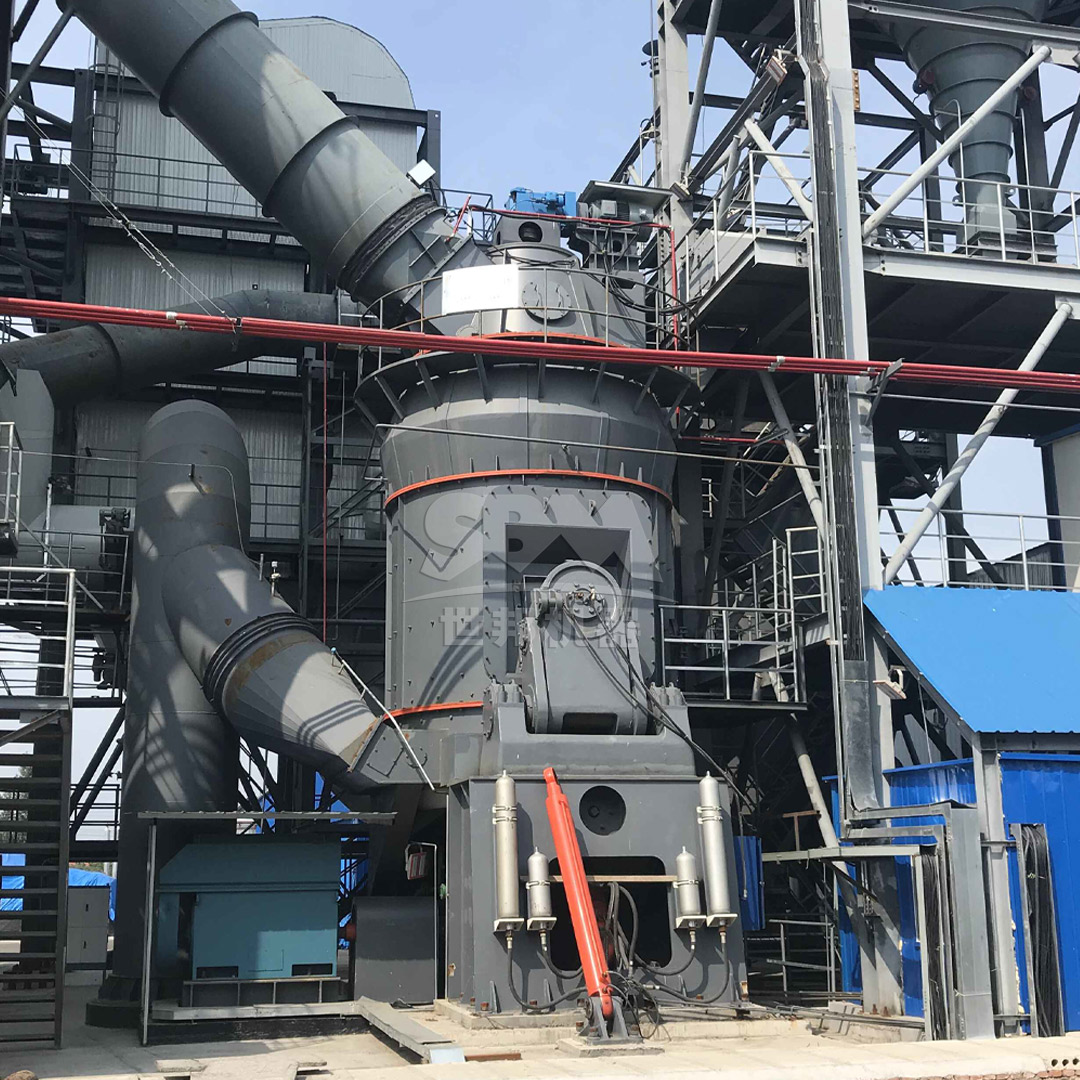
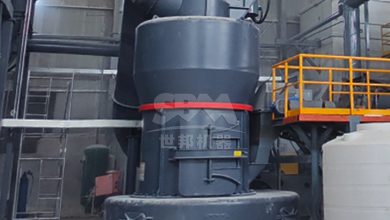
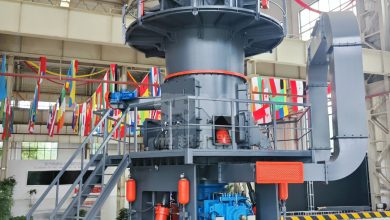
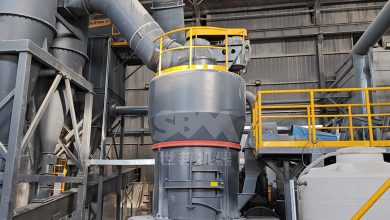
For hydrated lime applications, our LM Series Vertical Roller Mill represents an optimal solution with its advanced features specifically designed for mineral processing:
- Integrated Design: Combines crushing, grinding, drying, and classification in a single unit, reducing footprint by 50% and cutting infrastructure costs by 40%
- Low Operating Costs: Non-contact grinding roller and table design extends wear part life by 3 times while reducing energy consumption by 30-40% compared to ball mill systems
- Intelligent Control: Expert automatic control system supports remote/local switching with real-time monitoring of operational parameters
- Environmental Compliance: Fully sealed negative pressure operation ensures dust emissions below 20mg/m³ with operating noise ≤80dB(A)
The LM Series handles input sizes up to 50mm and produces fineness from 30-325 mesh (special models reaching 600 mesh) with capacities ranging from 3-250 tons per hour depending on specific requirements.
Raymond Mills (Pendingulum Mills)
Raymond mills, particularly modern pendulum mill designs, offer an excellent balance of performance, reliability, and cost-effectiveness for medium-fineness hydrated lime production. These mills utilize spring-loaded rollers that swing outward to press against a stationary grinding ring.
Advantages of pendulum mills for hydrated lime:
- Proven technology with high reliability
- Good particle size control in the medium-fineness range
- Relatively low capital investment
- Easy operation and maintenance
Our MTW Series European Trapezium Mill enhances traditional pendulum mill technology with several innovative features perfect for hydrated lime processing:
- Anti-wear Shovel Design: Combined shovel blades reduce maintenance costs with curved design extending roller life
- Optimized Air Channel: Curved air duct reduces airflow energy loss, improving transmission efficiency with high-strength guard plates protecting working surfaces
- Integrated Bevel Gear Transmission: Achieves 98% transmission efficiency while saving space and reducing installation costs
- Wear-resistant Volute Structure: Non-blocking design improves air classification efficiency while reducing maintenance costs by 30%
The MTW Series processes input materials up to 50mm, producing fineness from 30-325 mesh (down to 0.038mm) with capacities from 3-45 tons per hour.
Ultra-fine Grinding Mills
For applications requiring extremely fine hydrated lime products (typically 800 mesh and finer), specialized ultra-fine grinding mills are necessary. These advanced mills combine intense grinding forces with highly precise classification systems.
Key technologies for ultra-fine hydrated lime production include:
- Fluidized bed jet mills
- Agitated media mills
- Advanced mechanical impact mills with integrated classifiers
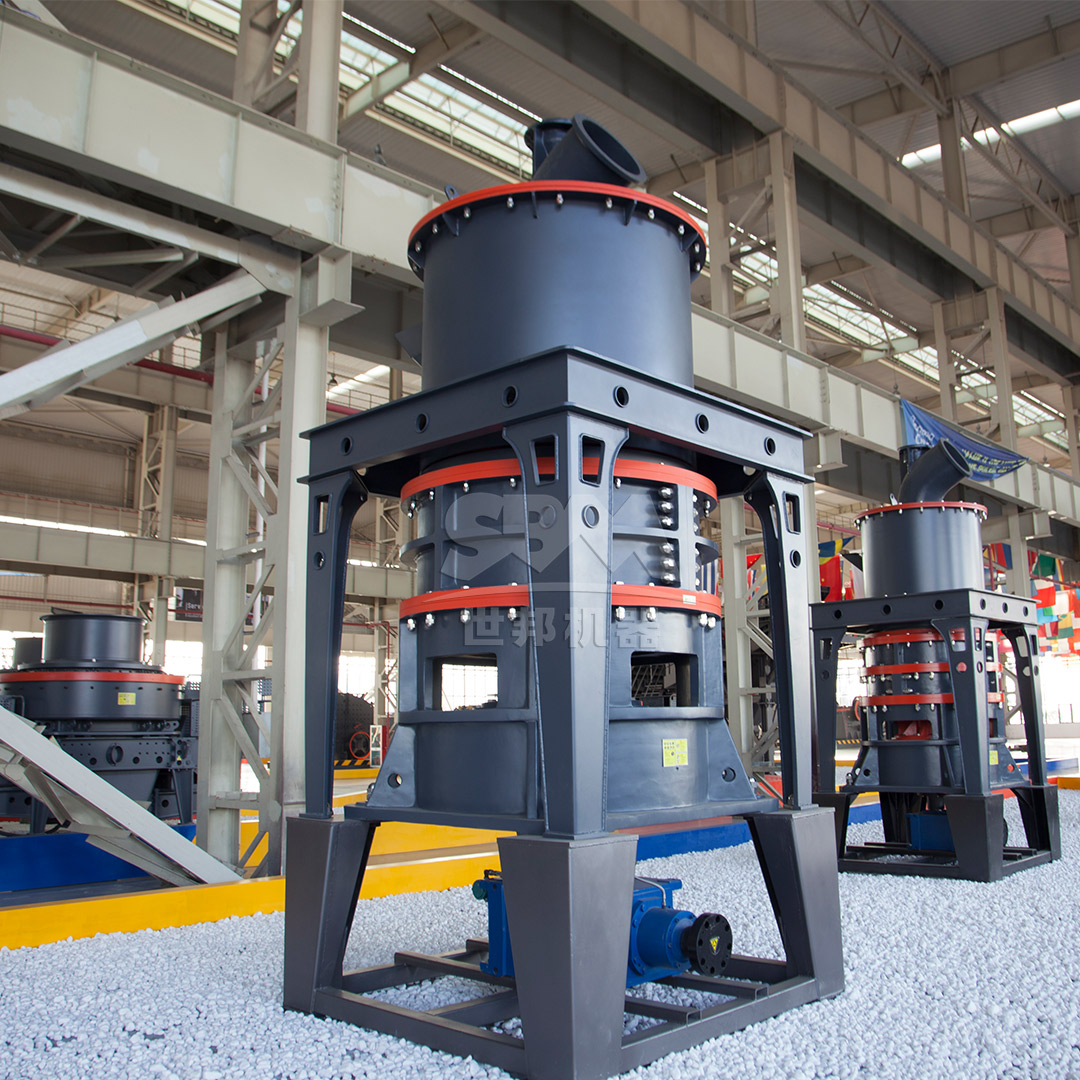
Our SCM Ultrafine Mill stands out as an exceptional solution for high-value hydrated lime applications requiring ultra-fine specifications:
- High Efficiency and Energy Saving: Delivers twice the capacity of jet mills with 30% lower energy consumption, featuring intelligent control with automatic feedback on product fineness
- High Precision Classification: Vertical turbine classifier ensures precise particle size cuts with no coarse powder mixing, guaranteeing uniform product quality
- Durable Design: Special material rollers and grinding rings extend service life several times with bearing-free screw grinding chamber ensuring stable operation
- Environmental and Low Noise: Pulse dust collection exceeds international standards with soundproof room design maintaining noise levels ≤75dB
The SCM Series processes input materials up to 20mm, producing exceptional fineness from 325-2500 mesh (D97≤5μm) with capacities ranging from 0.5-25 tons per hour across different models.
Technical Comparison of Mill Types
| Mill Type | Output Fineness | Capacity Range | Energy Efficiency | Capital Cost | Maintenance Requirements |
|---|---|---|---|---|---|
| Ball Mill | 0.074-0.8mm | 0.65-450 t/h | Low | Medium | High |
| Vertical Roller Mill | 30-600 mesh | 3-250 t/h | High | High | Medium |
| Trapezium Mill | 30-325 mesh | 3-45 t/h | Medium-High | Medium | Low-Medium |
| Ultrafine Mill | 325-2500 mesh | 0.5-25 t/h | High | High | Medium |
Selection Guidelines Based on Application Requirements
Construction Applications
For construction applications such as mortar, plaster, and soil stabilization, hydrated lime typically requires medium fineness (100-325 mesh). For these applications, the MTW Series European Trapezium Mill offers an optimal balance of performance, efficiency, and cost-effectiveness. The mill’s robust construction and reliable operation ensure consistent product quality with minimal downtime.
Chemical and Industrial Applications
Chemical processes often demand precisely controlled particle size distributions with high surface area. Water treatment, flue gas desulfurization, and specialty chemical production typically require fine to ultra-fine hydrated lime. For these demanding applications, the SCM Ultrafine Mill delivers exceptional performance with its advanced classification system and precise particle size control.
Large-Scale Production
For high-volume production facilities serving multiple markets, the LM Series Vertical Roller Mill provides unmatched efficiency and flexibility. The integrated drying capability is particularly valuable for handling hydrated lime with varying moisture content, while the compact design minimizes space requirements.
Operational Best Practices for Hydrated Lime Grinding
Feed Preparation
Proper feed preparation is essential for optimal mill performance:
- Ensure consistent feed size distribution through appropriate pre-crushing
- Control moisture content to prevent clogging and maintain grinding efficiency
- Implement effective tramp metal removal to protect mill components
Process Optimization
Maximize grinding efficiency through:
- Regular monitoring and adjustment of classifier speed
- Optimization of grinding pressure (for roller mills)
- Proper adjustment of air flow rates
- Continuous monitoring of product fineness with feedback control
Maintenance Strategies
Implement proactive maintenance to ensure reliable operation:
- Regular inspection and replacement of wear parts
- Systematic lubrication schedules
- Vibration monitoring for early detection of issues
- Comprehensive spare parts inventory management
Environmental Considerations
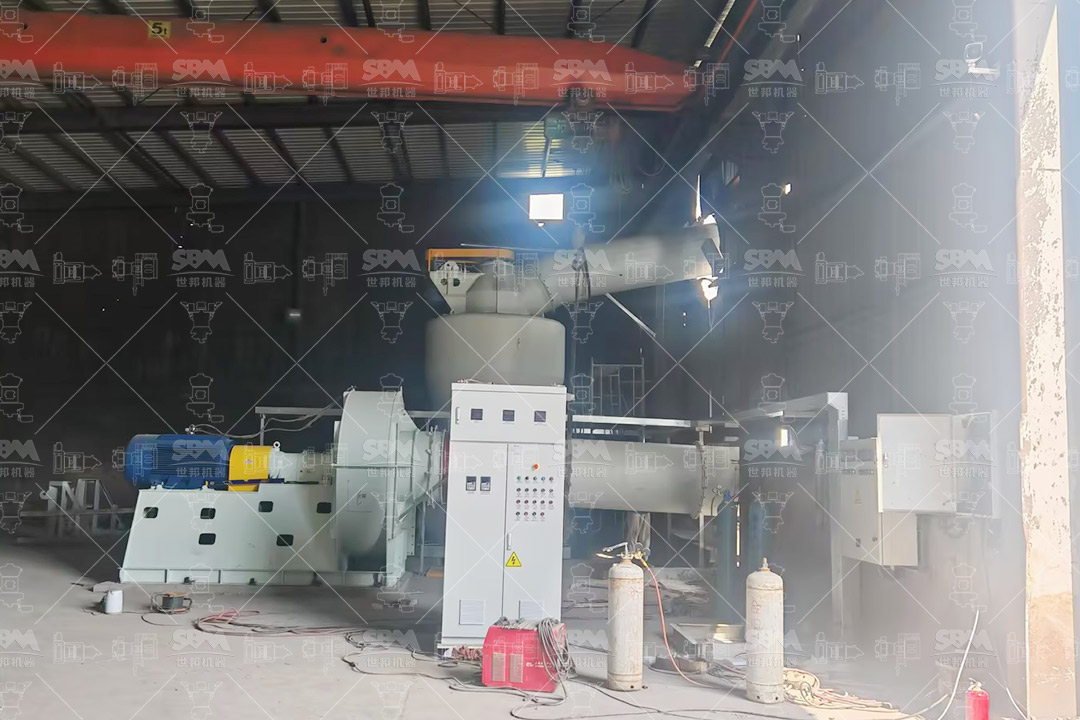
Modern grinding mills for hydrated lime must address several environmental concerns:
- Dust Control: Advanced dust collection systems with efficiency exceeding 99.9%
- Noise Reduction: Sound enclosure designs maintaining noise levels below 80 dB(A)
- Energy Efficiency: Optimized designs reducing specific energy consumption
- Emissions Compliance: Systems designed to meet international environmental standards
Conclusion
Selecting the appropriate grinding mill for hydrated lime processing requires careful consideration of production requirements, product specifications, and economic factors. While traditional ball mills still find application in certain scenarios, modern grinding technologies such as vertical roller mills, trapezium mills, and ultra-fine grinding mills offer significant advantages in efficiency, product quality, and operational flexibility.
For most hydrated lime applications, our MTW Series European Trapezium Mill provides an excellent balance of performance and economy for medium-fineness requirements, while the SCM Ultrafine Mill delivers exceptional results for high-value applications demanding precise particle size control at ultra-fine levels. For large-scale production with varying moisture content, the LM Series Vertical Roller Mill offers integrated drying and grinding with superior energy efficiency.
By understanding the specific requirements of your hydrated lime application and matching them with the appropriate grinding technology, operators can optimize production efficiency, product quality, and overall operational economics.