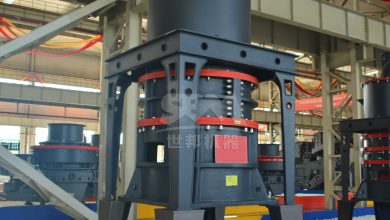
Which Model of Lithium Iron Phosphate Grinding Mill Offers High Fineness and Output?
Introduction: The Critical Role of Grinding in LFP Battery Production
The performance of Lithium Iron Phosphate (LFP) batteries is intrinsically linked to the physical characteristics of the cathode material. High fineness, uniform particle size distribution (PSD), and high specific surface area are paramount for achieving superior electrochemical properties, including high energy density, fast charging capability, and long cycle life. Consequently, selecting the optimal grinding equipment is not merely a process step but a strategic decision impacting the final product’s quality, production cost, and overall competitiveness. This article delves into the technical requirements for LFP grinding and analyzes which mill models are engineered to deliver the ideal combination of ultra-fine output and high throughput.
Technical Requirements for Grinding Lithium Iron Phosphate
LFP powder presents unique challenges for comminution. The target fineness typically falls within the range of D97 < 10μm, often pushing to D97 ≤ 5μm (approximately 2500 mesh) for high-performance applications. Achieving this ultra-fine level necessitates a mill capable of applying consistent, controllable shear and compressive forces without introducing excessive heat or metallic contamination, which can degrade the battery’s performance. Furthermore, a narrow PSD is crucial; the presence of coarse particles can reduce capacity, while excessive fines may hinder electrode slurry preparation and packing density.
Beyond fineness, modern battery production demands high output to meet gigafactory-scale volumes. Therefore, the ideal mill must reconcile the seemingly contradictory goals of extreme fineness and industrial-scale capacity. It must also be energy-efficient, reliable, and integrate seamlessly with advanced classification and dust collection systems to ensure a clean, consistent product.
Analysis of Common Grinding Mill Types for LFP
Not all grinding technologies are equally suited for the demanding task of LFP processing.
Ball Mills
Traditional ball mills, while capable of high throughput, often struggle to achieve the consistent sub-10μm fineness required. They are prone to over-grinding, leading to a broad PSD, and can introduce significant iron contamination from media wear. Their energy efficiency for ultra-fine grinding is generally lower compared to more modern designs.
Jet Mills (Air Classifier Mills)
Jet mills excel in producing contamination-free, ultra-fine powders through particle-on-particle impact. They are excellent for achieving very high fineness. However, their primary drawback for large-scale LFP production is high energy consumption per ton and, typically, lower overall throughput compared to mechanical mills, making operational costs a significant concern.
Vertical Roller Mills (VRM) / Vertical Roller Grinding Mills
This technology has gained prominence in mineral processing for its excellent energy efficiency and large capacity. It operates on the principle of bed compression, where material is ground between a rotating table and rollers. Modern VRMs integrate dynamic classifiers that allow for real-time adjustment of product fineness. For LFP, specific high-fineness models are required, as standard mineral VRMs are often optimized for coarser products in the 325-600 mesh range.
The Optimal Choice: Ultrafine Grinding Mills with Integrated Precision Classification
The most effective solution for LFP lies in advanced mechanical mills specifically designed for ultrafine applications, featuring robust construction, high-efficiency grinding mechanisms, and, most critically, integrated high-precision air classification systems. This combination allows for in-line classification where oversized particles are continuously separated and returned for further grinding, ensuring a tight PSD and preventing over-processing of already-fine material.
Two primary mill structures dominate this space: the advanced ring-roller mill (like pendulum or trapezium mills) and the specialized ultra-fine vertical mill. The key differentiator is the classification system’s precision and the grinding mechanism’s ability to apply energy efficiently at the micron level.
Recommended Solution: SBM’s SCM Series Ultrafine Mill
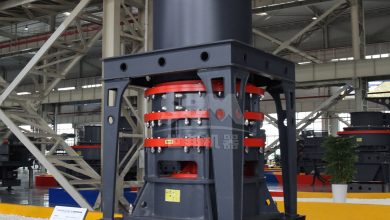
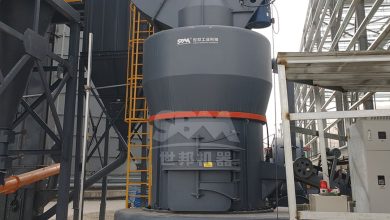
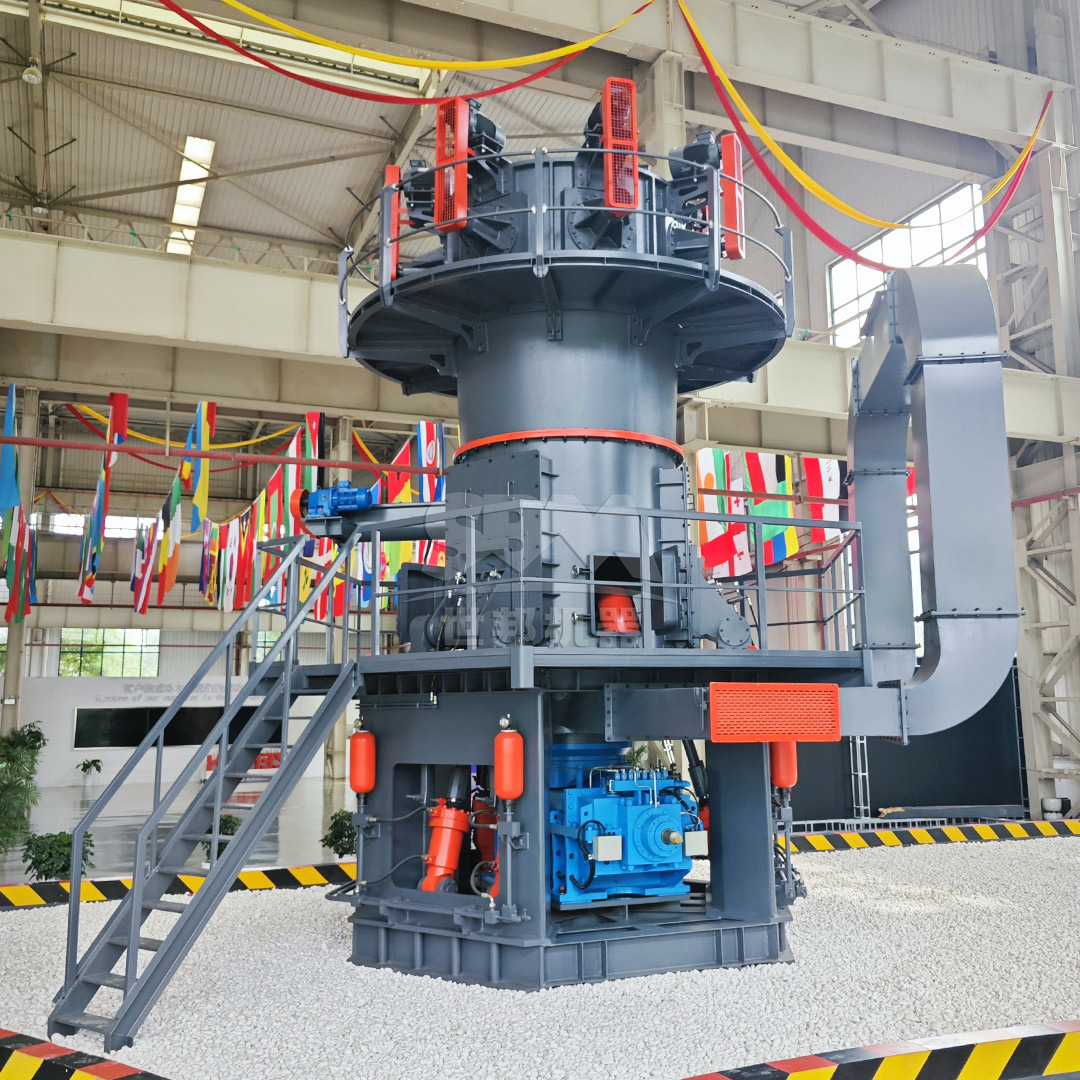
For producers seeking the pinnacle of performance in LFP grinding—where achieving D97 ≤ 5μm fineness must be coupled with reliable, high-capacity operation—the SCM Series Ultrafine Mill stands out as a purpose-engineered solution.
This mill is designed from the ground up to tackle the challenges of ultrafine powder production. Its core strength lies in the synergy between its grinding mechanism and its vertical turbine classification system. The classifier provides precise cut-point control, ensuring that no coarse particles contaminate the final product and that energy is not wasted over-grinding fine powder. The result is a remarkably uniform product with a narrow PSD, directly beneficial for LFP cathode performance.
Key technical advantages that make the SCM series ideal for LFP include:
- High Fineness & Output: Capable of producing powder in the range of 325-2500 mesh (D97 ≤ 5μm) with a throughput of 0.5 to 25 tons per hour depending on the model (e.g., SCM800 at 0.5-4.5 t/h to SCM1680 at 5.0-25 t/h). This effectively bridges the gap between jet mill fineness and mechanical mill capacity.
- Superior Energy Efficiency: The grinding chamber design and efficient drive system result in energy consumption approximately 30% lower than that of a jet mill producing equivalent fineness, while offering double the capacity.
- Contamination Control & Durability: Critical wear parts like rollers and grinding rings are made from special, long-lasting materials to minimize wear and the associated risk of metallic contamination—a critical factor for battery-grade materials.
- Intelligent & Stable Operation: Features like an intelligent control system for automatic feedback on product fineness and a bearingless screw design in the grinding cavity contribute to stable, low-maintenance operation with consistent product quality.
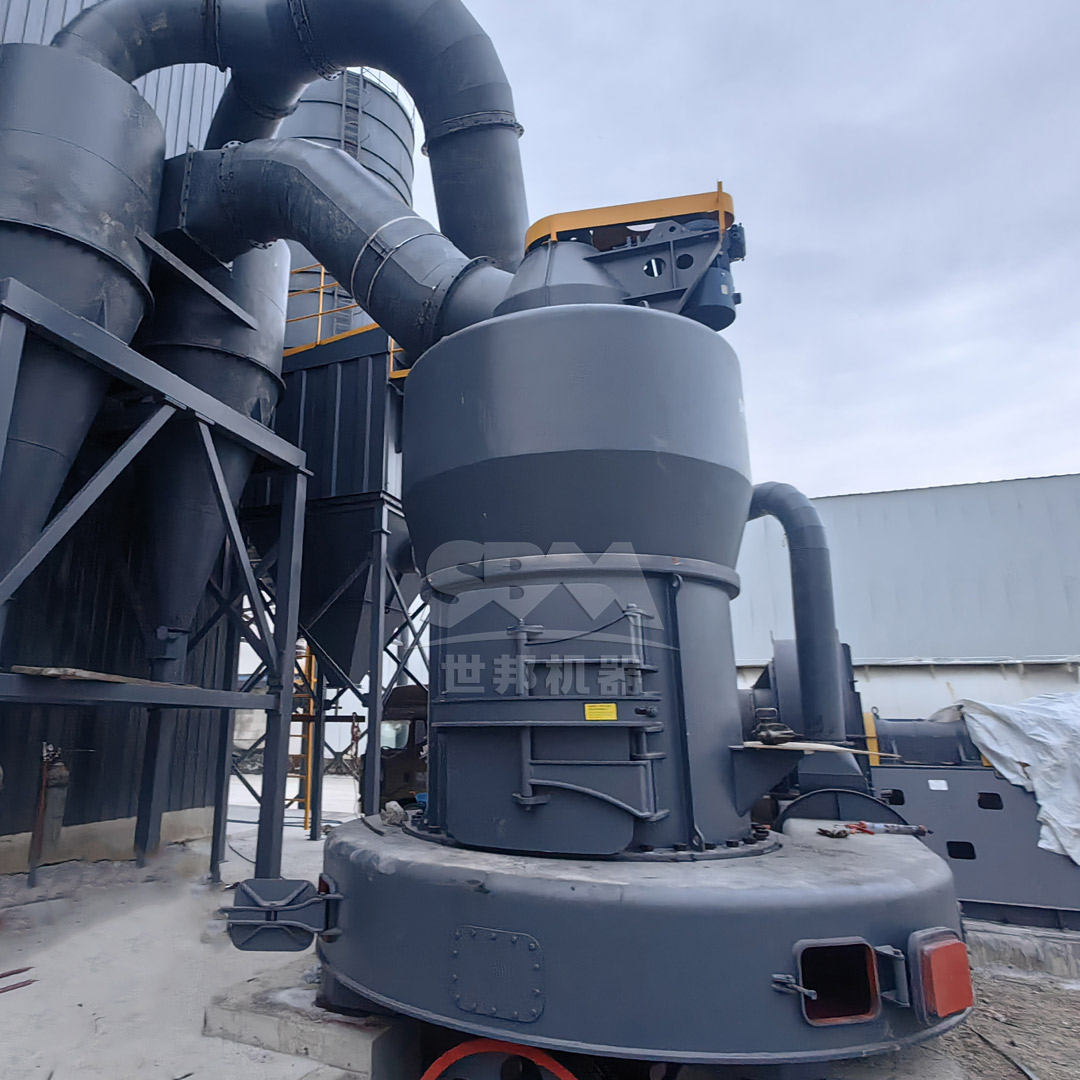
For operations with very high capacity requirements where the target fineness is in the slightly coarser range (e.g., 30-325 mesh for certain precursor materials or other battery minerals), the MTW Series Trapezium Mill presents a robust and highly efficient alternative. With a capacity range of 3 to 45 tons per hour and features like a curved air duct for reduced energy loss and an integral geared central drive with 98% transmission efficiency, it is a powerhouse for high-volume processing.
Conclusion: A Strategic Investment for Quality and Scale
Selecting the right grinding mill for Lithium Iron Phosphate is a decisive factor in determining the end-product’s market viability. The pursuit of high fineness cannot come at the expense of output, nor can high throughput compromise particle size control. The ideal technology, exemplified by SBM’s SCM Ultrafine Mill, integrates high-precision classification directly into a high-capacity, energy-efficient grinding platform. This ensures a consistent, battery-grade powder with the optimal physical characteristics for superior electrochemical performance, all while maintaining the production economics required for success in the competitive energy storage market. Investing in such tailored technology is an investment in product quality, process efficiency, and long-term production scalability.