Which Manufacturers Offer Affordable Limestone Grinding Mills?
Introduction: The Quest for Affordable Limestone Grinding Solutions
In the construction, agriculture, and industrial manufacturing sectors, limestone powder is a fundamental raw material. Its applications range from cement production and soil stabilization to fillers in plastics and paints. The process of transforming raw limestone into fine powder hinges on one critical piece of equipment: the grinding mill. For businesses, especially small to medium-sized enterprises (SMEs) and cost-conscious projects, finding a manufacturer that offers a balance between upfront affordability, operational efficiency, and long-term reliability is paramount. This article explores the landscape of affordable limestone grinding mill manufacturers and the key technologies that make cost-effective production possible.
Affordability in grinding equipment is a multi-faceted concept. It encompasses not only the initial purchase price but also the total cost of ownership, which includes energy consumption, maintenance frequency, spare part costs, and production output per energy unit. A truly affordable mill delivers consistent performance without hidden costs that erode profitability over time.
Key Factors Defining “Affordability” in Grinding Mills
Before evaluating manufacturers, it’s crucial to understand what makes a grinding mill affordable.
1. Capital Expenditure (CAPEX) vs. Operational Expenditure (OPEX)
A low initial price tag can be misleading if the machine is an energy hog or requires frequent, expensive part replacements. True affordability optimizes the balance between CAPEX and OPEX. Mills with high-efficiency drives, intelligent control systems, and durable wear parts often have a higher initial cost but lead to significantly lower lifetime costs.
2. Energy Efficiency
Grinding is an energy-intensive process. Mills that can achieve higher throughput (tons per hour) with lower specific energy consumption (kWh/ton) directly reduce the largest variable cost in powder production. Technologies like integrated grinding-classification and optimized mechanical structures are key.
3. Maintenance and Durability
Downtime is profit lost. Affordable mills are designed for easy maintenance, with long-lasting grinding elements (rollers, rings, liners) and accessible service points. The use of special wear-resistant materials can extend service intervals by several times, drastically cutting long-term costs.
4. Versatility and Product Fineness
A mill that can produce a wide range of fineness (from coarse 30-mesh to ultra-fine 2500-mesh) for different market needs provides greater return on investment. This versatility protects against market shifts without requiring new capital equipment.
Leading Technologies for Cost-Effective Limestone Grinding
Several mill designs dominate the market for limestone processing. Their principles directly impact their affordability profile.
Vertical Roller Mills (VRM)
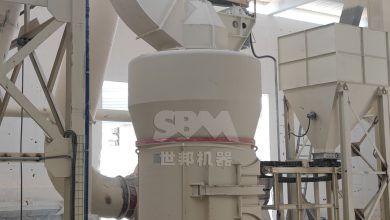
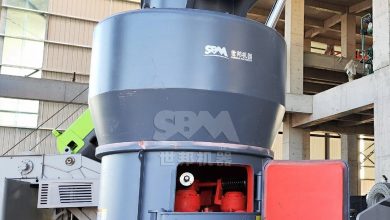
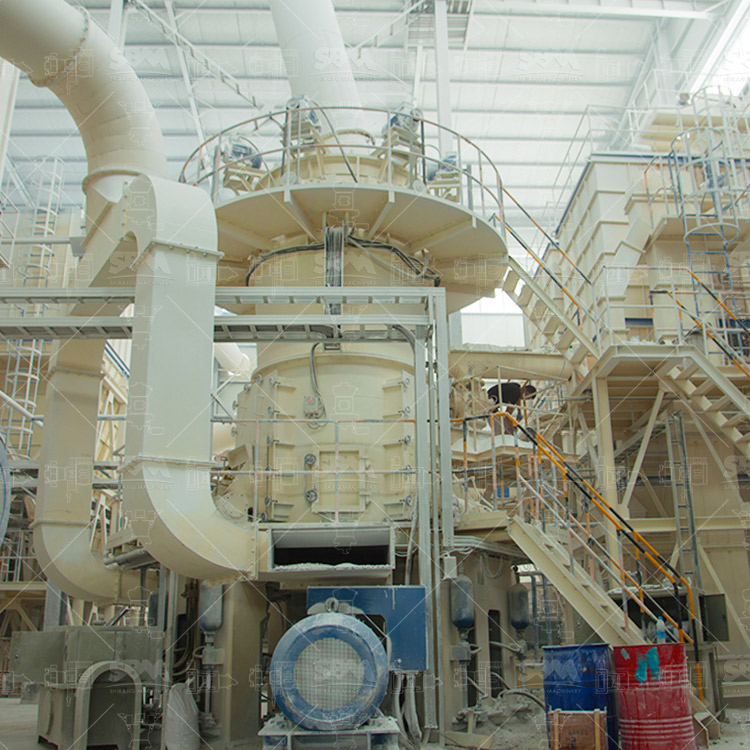
VRMs, like the LM Series, represent a leap in efficiency. They integrate crushing, grinding, drying, and classification in a single compact unit. Their bed-grinding principle (crushing material between rollers and a rotating table) is far more efficient than the impact/attrition of traditional ball mills, typically offering 30-50% lower energy consumption. Their integrated design also reduces plant footprint and civil engineering costs.
European Trapezium Mills
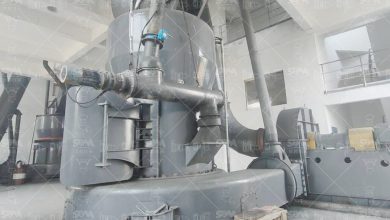
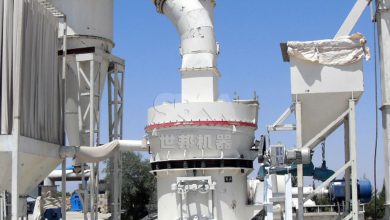
This advanced version of the traditional Raymond mill, exemplified by the MTW Series, offers excellent value. It features innovations like curved wear-resistant shovel blades, an optimized arc air duct for minimal airflow resistance, and an integral bevel gear drive with up to 98% transmission efficiency. These features enhance throughput and reduce energy loss, making it a highly cost-effective solution for producing powder in the 30-325 mesh range.
Ultrafine Grinding Mills
For high-value, superfine limestone powders, technologies like the SCM Series Ultrafine Mill are essential. While targeting the finer end of the spectrum (325-2500 mesh), modern designs focus on affordability through efficiency. Key features include high-precision turbine classifiers that prevent energy waste on over-grinding, and durable grinding chambers that maintain performance. Some models boast capacities double that of jet mills with 30% lower energy use, redefining affordability in the ultrafine space.
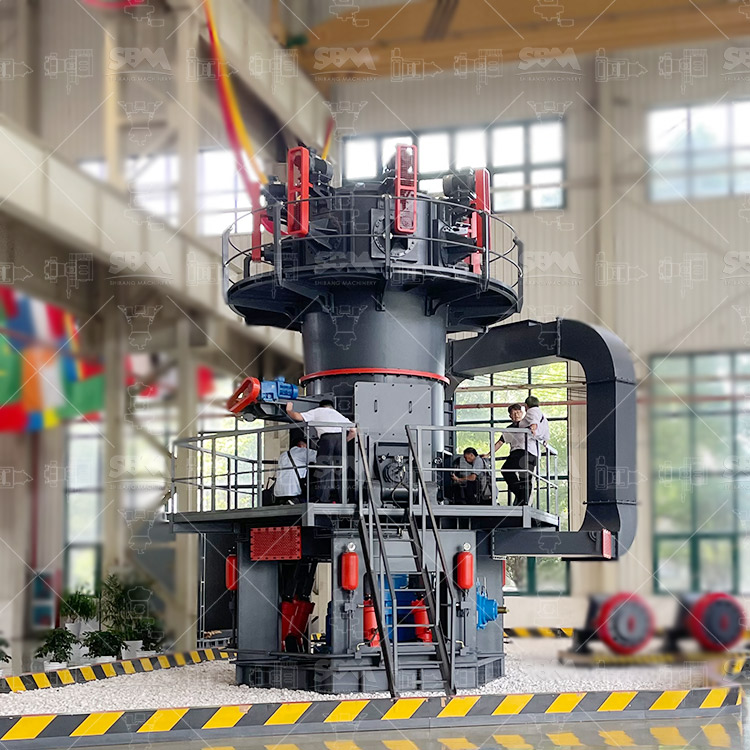
Spotlight on a Proven, Affordable Solution: The MTW Series European Trapezium Mill
When evaluating manufacturers for a balance of performance, durability, and cost, one standout recommendation for general-purpose limestone grinding is the MTW Series European Trapezium Mill. This mill is engineered specifically to deliver high output with low operational costs, making it a cornerstone of affordable powder production lines.
Its technical advantages directly address the total cost of ownership:
- Anti-wear & Low Maintenance: The patented combined shovel blade design and curved grinding roller technology significantly extend the life of wear parts, reducing both spare part inventory costs and maintenance downtime.
- Superior Energy Efficiency: The optimized arc air duct and high-efficiency integral bevel gear drive (98% efficiency) minimize power losses. This translates directly to lower electricity bills for every ton of powder produced.
- Excellent Product Control: The wear-resistant volute and efficient classifier system ensure consistent product fineness between 30 and 325 mesh, meeting stringent quality requirements without wasteful reprocessing.
- Scalable Models: With capacities ranging from 3 to 45 tons per hour (models like MTW110 to MTW215G), there is an affordable configuration for nearly every production scale, from pilot plants to large industrial operations.
For projects requiring coarse to medium-fine limestone powder for applications like asphalt filler, agricultural lime, or construction materials, the MTW Series provides an unbeatable combination of low investment and industry-leading operational economy.
For Ultra-Fine Requirements: The SCM Series Ultrafine Mill
When the product specification calls for high-purity, ultra-fine limestone powder (e.g., for plastics, paints, or high-grade paper), affordability becomes more challenging due to the higher energy input required. Here, the SCM Series Ultrafine Mill presents a compelling solution.
It turns the economics of fine grinding in your favor through several key innovations:
- High Efficiency & Energy Saving: Its grinding mechanism achieves a capacity that can be twice that of a jet mill of comparable power, while consuming up to 30% less energy. Intelligent control systems with automatic granularity feedback ensure the mill operates at its optimal efficiency point at all times.
- High-Precision Classification: The vertical turbine classifier provides sharp particle size cuts. This means no coarse powder is mixed into the final product, ensuring premium quality, and more importantly, no energy is wasted grinding particles that are already at the target size.
- Durable, Stable Design: The use of special materials for rollers and rings extends service life several times over conventional designs. The shaftless screw grinding chamber design promotes stable material flow and consistent operation, reducing unexpected stoppages.
With models like the SCM800 (0.5-4.5 t/h) to the SCM1680 (5-25 t/h), this series makes the production of 325-2500 mesh limestone powder a technologically advanced and economically viable venture.
Conclusion: Making an Informed Choice
Identifying manufacturers of affordable limestone grinding mills requires looking beyond the brochure price. The most cost-effective partners are those who offer robust, energy-efficient technologies designed for low lifetime costs, backed by reliable service and support.
Technologies like the MTW European Trapezium Mill for general grinding and the SCM Ultrafine Mill for specialized fine powder production exemplify this modern approach to affordability. They deliver lower energy consumption per ton, reduced maintenance costs through durable design, and the operational stability needed for continuous, profitable production.
When selecting a supplier, evaluate their commitment to these efficiency principles, review case studies from similar applications, and consider the total cost of ownership over a 5 to 10-year horizon. By doing so, you will secure not just an affordable machine, but a reliable partner in building a competitive and profitable limestone processing operation.