Which Manufacturer Offers the Best 2000 Mesh Calcite Grinding Mill and How to Configure the Production Line?
Introduction
The pursuit of ultra-fine calcite powder, particularly at 2000 mesh (approximately 6.5μm), has become increasingly important across various industries including plastics, paints, coatings, rubber, and pharmaceuticals. Achieving this level of fineness requires specialized grinding equipment capable of precise particle size control while maintaining operational efficiency and cost-effectiveness. This comprehensive guide examines the critical factors in selecting the optimal 2000 mesh calcite grinding mill and provides detailed configuration guidelines for complete production lines.
Technical Requirements for 2000 Mesh Calcite Grinding
Producing calcite powder at 2000 mesh presents unique technical challenges that demand specific equipment capabilities. The target fineness of D97 ≤ 6.5μm requires advanced classification systems and precise grinding mechanisms. Calcite, with a Mohs hardness of 3, is relatively soft but requires careful processing to prevent over-grinding and maintain crystal structure integrity. The ideal grinding system must balance energy consumption, wear resistance, classification accuracy, and environmental considerations.
Critical Selection Criteria for 2000 Mesh Calcite Mills
Classification System Precision
The heart of any ultra-fine grinding system is its classification technology. For 2000 mesh calcite production, the classification system must achieve sharp particle size cuts with minimal coarse particle contamination. High-efficiency turbo classifiers with adjustable rotor speeds are essential for maintaining consistent product quality. The classifier should operate with minimal internal turbulence and provide precise control over the cut point.
Grinding Mechanism Efficiency
The grinding mechanism must generate sufficient energy density to achieve ultra-fine particles while minimizing heat generation. Various grinding principles including roller compression, impact, and attrition can be employed, but the system must be optimized for calcite’s specific material properties. The grinding elements should provide consistent pressure distribution and wear evenly to maintain performance over time.
Energy Consumption Optimization
Energy costs typically represent 40-60% of total operating expenses in fine grinding operations. Modern mills should incorporate energy recovery systems, efficient drive trains, and optimized airflow patterns to minimize power consumption per ton of product. Advanced control systems that automatically adjust operational parameters based on feed characteristics can significantly reduce energy waste.
Wear Resistance and Maintenance
Even with relatively soft materials like calcite, the extreme fineness requirements lead to significant wear on grinding components. The optimal mill should feature wear-resistant materials in critical areas, easy replacement procedures for wearing parts, and design features that extend component life. Maintenance accessibility and scheduled downtime should be considered in the overall equipment evaluation.
Top Mill Recommendations for 2000 Mesh Calcite Production
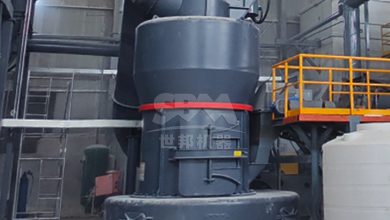
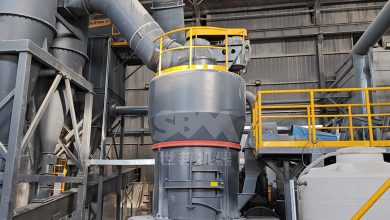
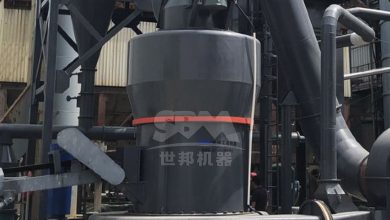
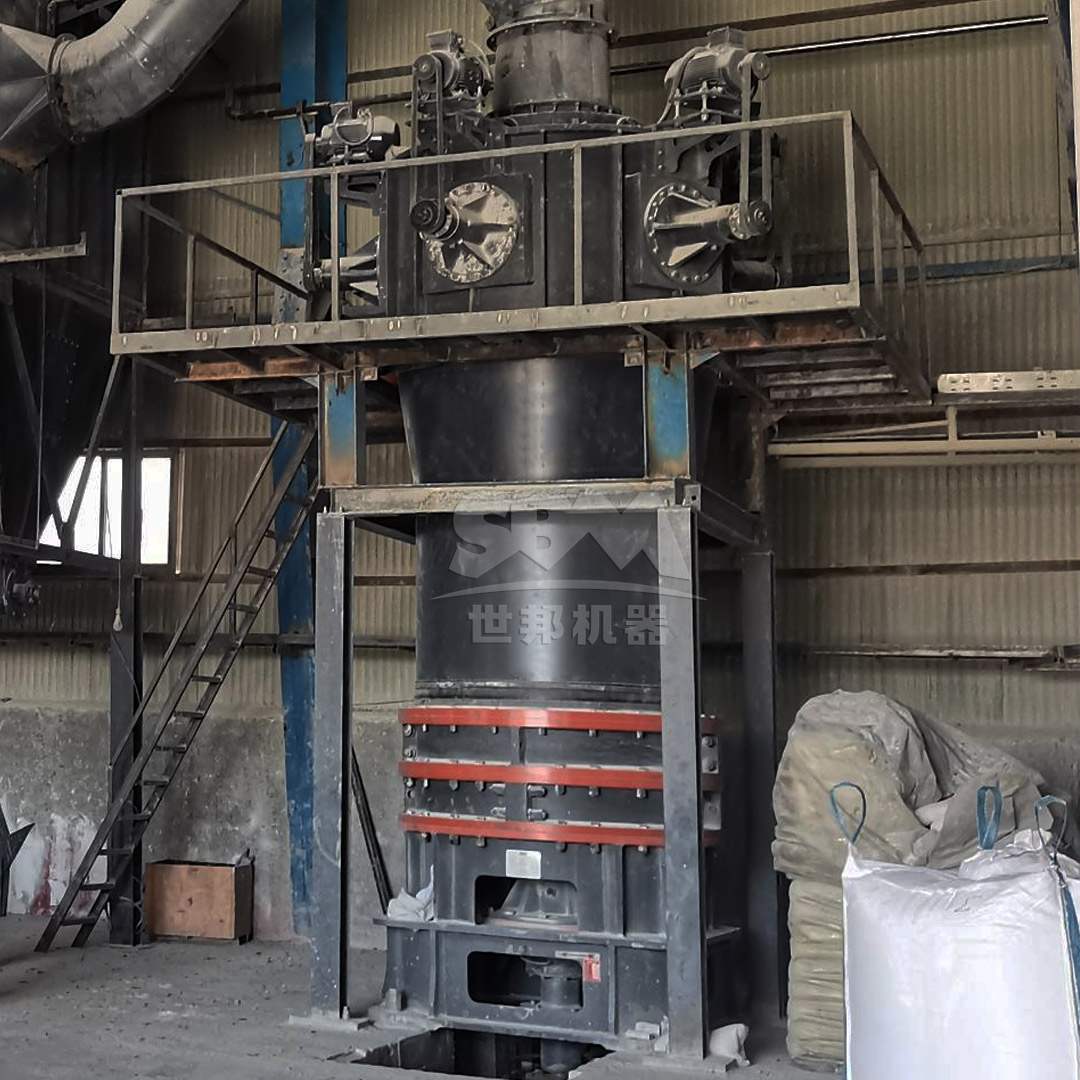
SCM Ultrafine Mill: The Premier Choice for Ultra-Fine Calcite
For operations requiring consistent 2000 mesh calcite production, the SCM Ultrafine Mill stands out as an exceptional solution. This mill specifically addresses the challenges of ultra-fine grinding with several distinctive advantages:
The SCM series achieves output fineness ranging from 325 to 2500 mesh (D97 ≤ 5μm), comfortably exceeding the 2000 mesh requirement. Its unique grinding chamber design features multiple grinding rings and rollers that create a layered grinding effect, progressively reducing particle size with minimal energy input. The integrated high-precision turbo classifier provides exceptional particle size distribution control, ensuring consistent product quality.
Key technical advantages include:
- Superior Energy Efficiency: Operating at 30% lower energy consumption compared to conventional jet mills while delivering twice the production capacity
- Advanced Classification: Vertical turbine classification system enables precise particle size cuts with no coarse powder contamination
- Enhanced Durability: Specially hardened grinding rollers and rings provide extended service life, significantly reducing replacement frequency
- Environmental Compliance: Integrated pulse dust collection system exceeds international emission standards with noise levels below 75dB
The SCM series offers multiple models to match production requirements, from the SCM800 with 0.5-4.5 ton/hour capacity to the industrial-scale SCM1680 handling 5.0-25 tons per hour. This scalability makes it suitable for both specialized applications and high-volume production facilities.
LUM Ultra-Fine Vertical Mill: Advanced Alternative for High-Capacity Operations
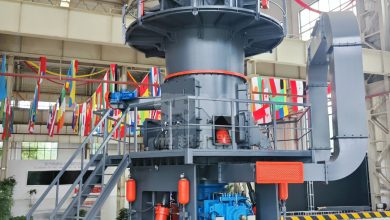
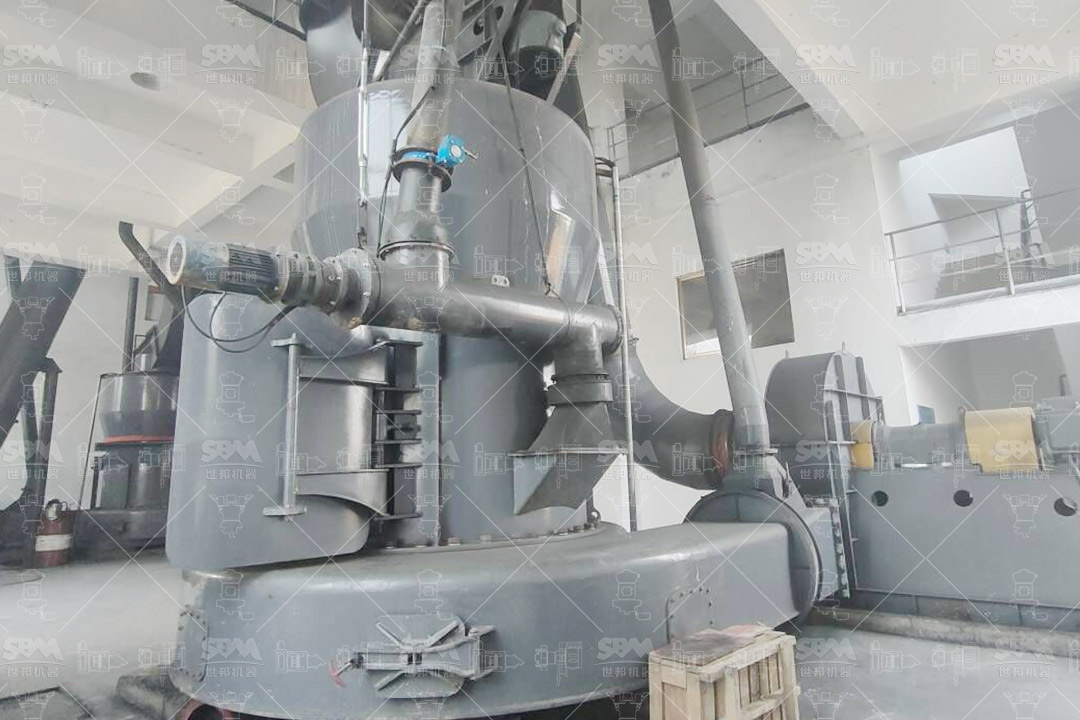
For operations requiring the highest production volumes of 2000 mesh calcite, the LUM Ultra-Fine Vertical Mill presents an excellent alternative. This system combines vertical grinding efficiency with advanced classification technology, featuring multiple rotor classification systems that eliminate coarse particles from the final product. The LUM series achieves comparable fineness to the SCM mill while offering distinct advantages in large-scale operations.
The LUM mill’s intelligent control system automatically adjusts operational parameters based on real-time product quality feedback, maintaining consistent fineness despite variations in feed material. Its compact design reduces footprint requirements while maintaining accessibility for maintenance operations.
Comprehensive Production Line Configuration for 2000 Mesh Calcite
Raw Material Preparation System
The production line begins with proper raw material handling. Calcite feedstock should be pre-crushed to ≤20mm using a jaw crusher or hammer mill, followed by drying if moisture content exceeds 1%. A vibrating feeder with adjustable flow rate ensures consistent feed to the grinding mill, while a bucket elevator transports material to intermediate storage silos. Magnetic separation at this stage removes metallic contaminants that could damage grinding components.
Grinding and Classification Circuit
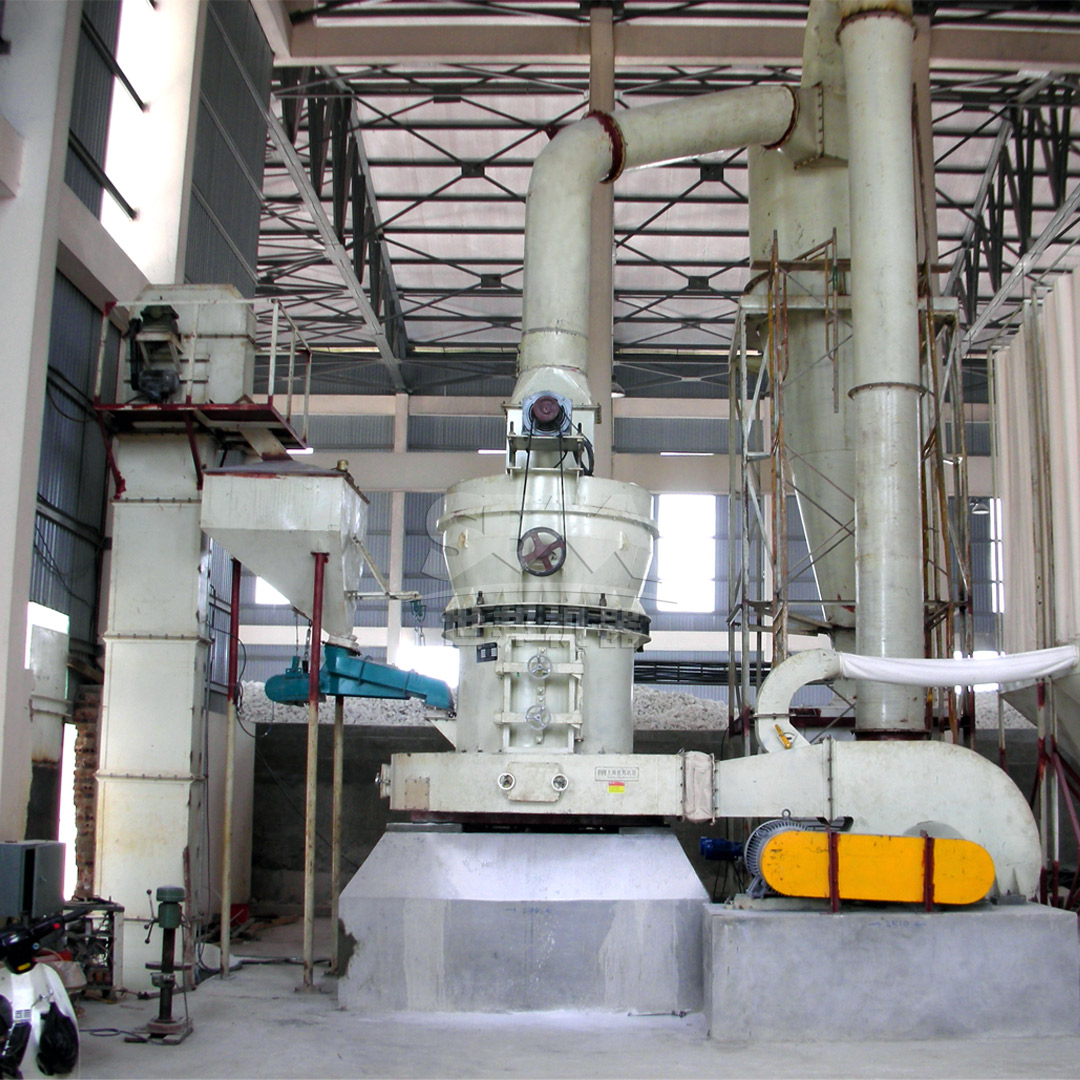
The heart of the production line features the main grinding mill equipped with high-efficiency classifiers. For the SCM Ultrafine Mill, the system includes the main motor driving multiple grinding rings, with material fed through a sealed screw conveyor. The integrated classification system separates fine particles, which proceed to collection, while oversize material returns to the grinding chamber via a gravity discharge system.
Product Collection and Packaging
After classification, the fine calcite powder enters a two-stage collection system comprising a cyclone separator and pulse-jet baghouse filter. The cyclone removes the majority of product, while the baghouse captures ultrafine particles, achieving collection efficiency exceeding 99.9%. The collected powder transfers to storage silos through pneumatic conveying systems, with automated packaging stations for bagging or bulk container loading.
Dust Control and Environmental Systems
Comprehensive dust control is essential for 2000 mesh calcite production. The system should include capture hoods at transfer points, negative pressure maintenance in grinding and classification units, and high-efficiency fabric filters with automatic cleaning cycles. Sound enclosures around high-noise equipment maintain workplace noise levels below 85 dB, while integrated monitoring systems track dust emissions to ensure regulatory compliance.
Operational Considerations for Optimal Performance
Feed Material Control
Consistent feed material characteristics are crucial for stable 2000 mesh calcite production. Variations in moisture content, hardness, or chemical composition can significantly impact grinding efficiency and product quality. Implement strict quality control measures for incoming raw materials, including regular sampling and analysis. Pre-blending different calcite sources can minimize variations and ensure consistent operation.
Process Parameter Optimization
Key operational parameters requiring continuous monitoring and adjustment include:
- Classifier Rotor Speed: Directly controls product fineness; higher speeds produce finer particles
- Grinding Pressure: Affects grinding efficiency and energy consumption; optimal pressure balances throughput and wear
- System Airflow: Influences particle transport and classification efficiency; must be balanced with feed rate
- Feed Rate: Must be optimized for each specific mill configuration and material characteristics
Maintenance and Wear Management
Regular maintenance is essential for sustained performance in 2000 mesh calcite production. Critical maintenance activities include:
- Weekly inspection of grinding elements for wear
- Monthly calibration of classification systems
- Quarterly replacement of filter bags in dust collection systems
- Biannual overhaul of mechanical components and drive systems
Implementing a predictive maintenance program based on vibration analysis and performance monitoring can prevent unexpected downtime and maintain product quality.
Quality Control and Product Specifications
Maintaining consistent quality in 2000 mesh calcite production requires comprehensive quality control measures. Key parameters to monitor include:
- Particle Size Distribution: Laser diffraction analysis to verify D97 ≤ 6.5μm
- Brightness and Whiteness: Spectrophotometer measurements against standard references
- Chemical Purity: XRF analysis to monitor contaminant levels
- Oil Absorption: Critical for applications in paints and plastics
Automated sampling systems should collect representative samples at regular intervals throughout the production process, with real-time adjustment of operational parameters based on quality feedback.
Economic Considerations and Return on Investment
Investing in a 2000 mesh calcite production line requires careful economic analysis. The SCM Ultrafine Mill offers favorable economics through:
- Reduced energy consumption per ton of product
- Lower wear part replacement costs due to extended component life
- Higher product value through consistent quality achievement
- Reduced downtime through reliable operation and easy maintenance
A typical payback period for a complete production line ranges from 18 to 36 months, depending on production volume, local energy costs, and product market value. Operations producing specialty high-value calcite products may achieve even shorter return periods.
Conclusion
Selecting the optimal grinding mill for 2000 mesh calcite production requires careful consideration of multiple technical and operational factors. The SCM Ultrafine Mill emerges as the premier choice for most applications, offering the precise classification, energy efficiency, and operational reliability necessary for consistent high-quality production. When configured within a properly designed production line that addresses raw material preparation, product collection, and environmental controls, this system delivers exceptional performance for ultra-fine calcite manufacturing.
Successful implementation requires attention to operational details, comprehensive quality control, and proactive maintenance practices. By following the guidelines presented in this article, producers can establish efficient, profitable operations capable of meeting the stringent requirements of 2000 mesh calcite production for various industrial applications.