Which Grinding Mill Manufacturer is the Best Choice for Your Needs?
Introduction: Navigating the Complex World of Grinding Mills
The selection of appropriate grinding equipment represents one of the most critical decisions in mineral processing, cement production, and various industrial powder applications. With numerous manufacturers offering diverse technologies, identifying the optimal solution requires careful consideration of multiple factors including material characteristics, production requirements, energy efficiency, and operational costs. This comprehensive guide examines key aspects of grinding mill selection and highlights advanced solutions that address modern industrial challenges.
Understanding Grinding Mill Classifications
By Operating Principle
Grinding mills operate on distinct mechanical principles that determine their application suitability. Impact mills utilize rapid collision forces to fracture particles, making them ideal for brittle materials. Compression mills employ gradual pressure between surfaces, suitable for hard, abrasive substances. Attrition mills use shearing action between media, effective for fibrous materials. Finally, cutting mills employ blades or knives for precise size reduction of specific materials.
By Final Product Size
The required final product size significantly influences equipment selection. Coarse grinding applications (output > 1mm) typically employ hammer mills or jaw crushers. Medium-fine grinding (45μm-1mm) utilizes ball mills, Raymond mills, or vertical roller mills. For ultra-fine applications (1-45μm), specialized equipment like our SCM Ultrafine Mill delivers exceptional performance with output ranging from 325 to 2500 mesh (D97≤5μm).
Critical Selection Factors for Grinding Equipment
Material Characteristics
The physical and chemical properties of processed materials fundamentally dictate mill selection. Hardness, measured on the Mohs scale, determines the necessary grinding force and wear resistance requirements. Abrasiveness influences component lifespan and maintenance intervals. Moisture content affects flow characteristics and may necessitate drying systems. Chemical composition may require specialized materials to prevent contamination or corrosion.
Production Requirements
Capacity needs span from laboratory-scale operations (kg/h) to industrial production (hundreds of t/h). Our MTW Series Trapezium Mill offers capacities from 3 to 45 tons per hour, accommodating diverse production scales. Required product fineness ranges from coarse aggregates to sub-micron powders, with distribution consistency being equally important for many applications.
Operational Considerations
Energy consumption represents a significant portion of operating costs, making efficiency a paramount concern. Maintenance requirements, including component replacement frequency and service accessibility, impact operational continuity. Space constraints may favor vertical designs over horizontal configurations. Environmental regulations increasingly demand advanced dust collection and noise suppression systems.
Advanced Grinding Technologies: Meeting Modern Challenges
Ultra-Fine Grinding Solutions
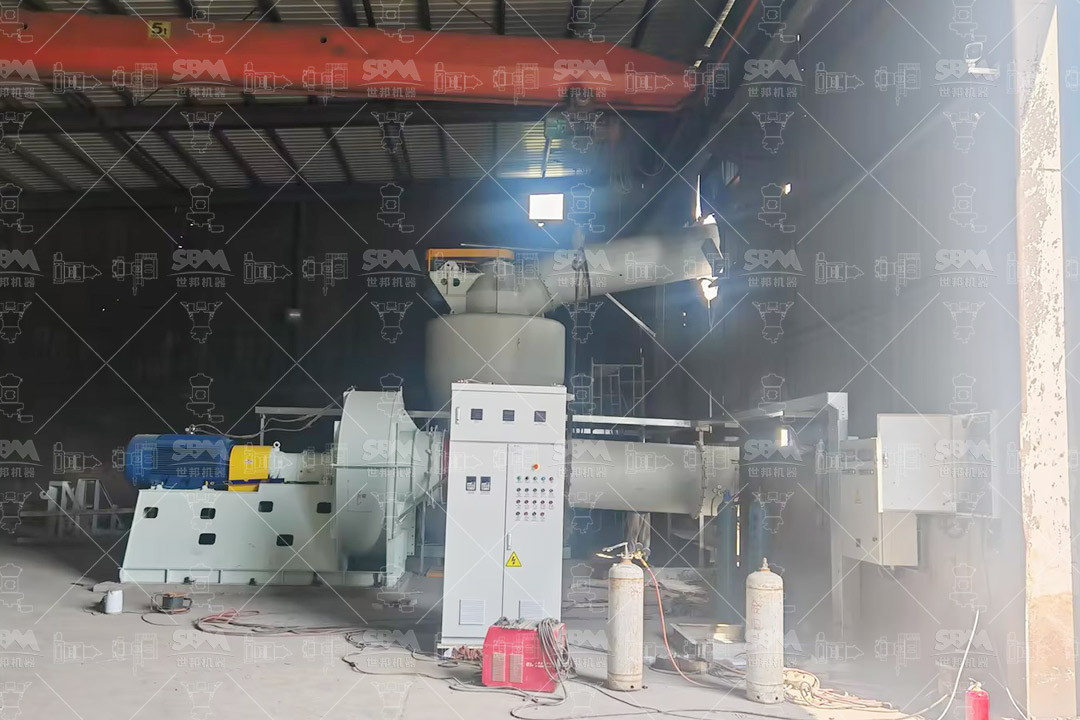
The demand for superfine powders continues to grow across pharmaceuticals, advanced materials, and specialty chemicals. Our SCM Ultrafine Mill addresses this need with several technological advantages. The vertical turbine classifier enables precise particle size control, ensuring uniform product quality without coarse particle contamination. Special wear-resistant materials for rollers and grinding rings extend service life significantly compared to conventional designs.
Energy efficiency reaches new heights with the SCM series, delivering twice the capacity of jet mills while reducing energy consumption by 30%. Intelligent control systems automatically monitor and adjust operational parameters to maintain consistent product fineness. Environmental performance exceeds international standards with pulse dust collection efficiency and noise levels below 75dB through integrated acoustic insulation.
High-Capacity Precision Grinding
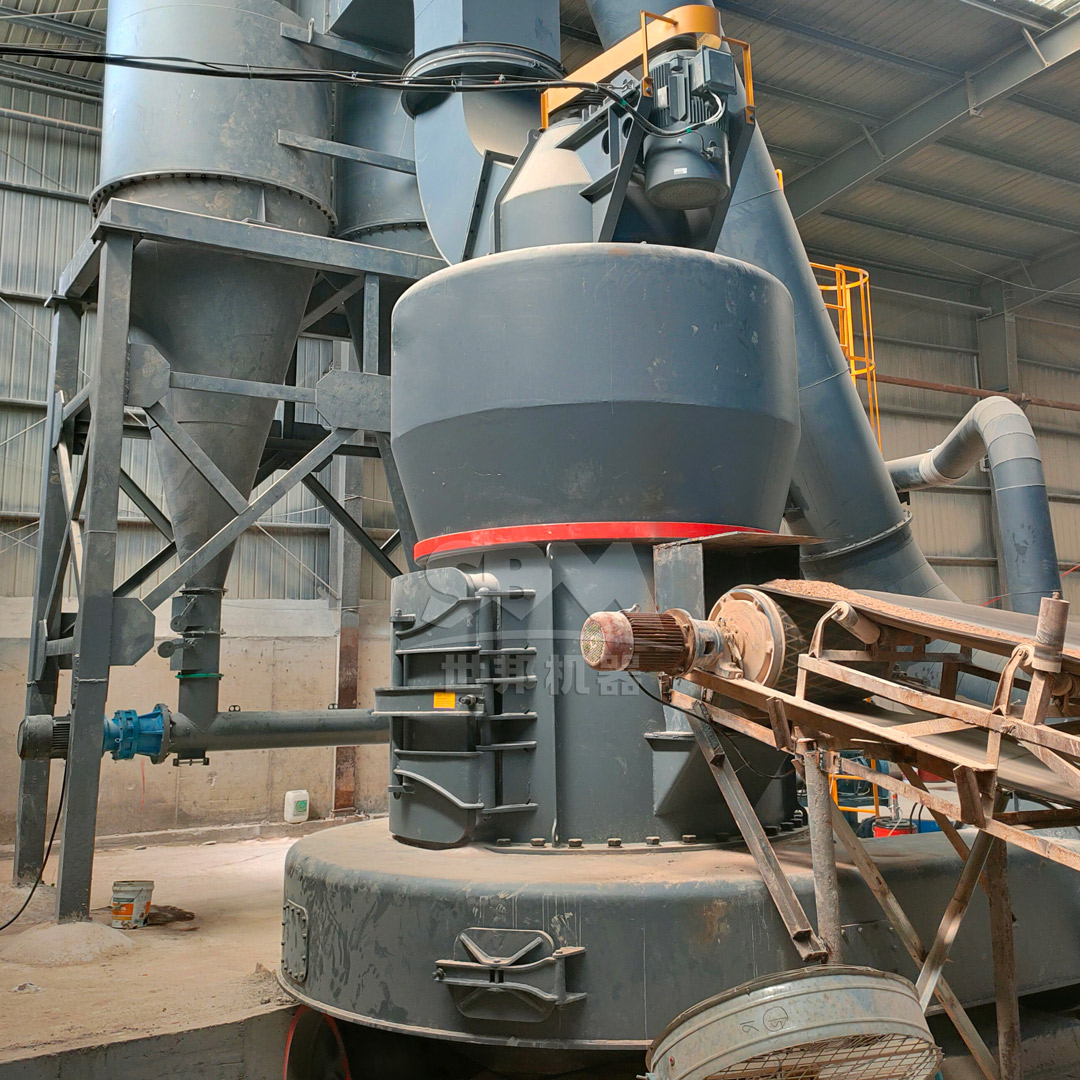
For applications requiring substantial throughput with precise size control, the MTW Series Trapezium Mill represents an optimal solution. Its innovative curved air channel design minimizes energy loss while improving material transport efficiency. The integrated cone gear transmission system achieves remarkable 98% transmission efficiency while saving installation space and reducing overall costs.
The wear-resistant volute structure eliminates flow resistance, enhancing air classification performance. Combined with the anti-wear shovel blade design featuring replaceable segments and curved profiles, the MTW series significantly reduces maintenance requirements and extends operational intervals. Available in multiple configurations from MTW110 to MRN218, this series accommodates capacities from 3 to 45 tons per hour with product fineness adjustable between 30 and 325 mesh.
Application-Specific Recommendations
Mining and Mineral Processing
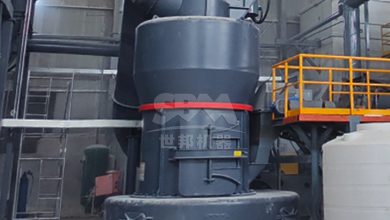
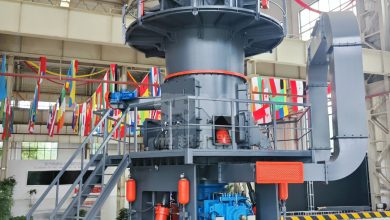
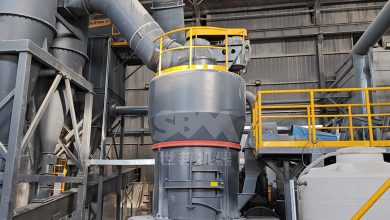
Vertical roller mills excel in mineral applications due to their high efficiency and ability to handle abrasive materials. The LM series vertical roller mills offer integrated crushing, grinding, and separation functions in a compact footprint, reducing space requirements by 50% compared to traditional systems. With capacities reaching 250 tons per hour and the ability for outdoor installation, these mills significantly reduce infrastructure costs while maintaining operational flexibility.
Cement and Building Materials
The cement industry benefits from specialized pre-grinding solutions like the LM-Y vertical pre-grinding roller mills, which integrate sand making and grinding functions in a single unit. This innovative approach reduces power consumption by 30-50% compared to conventional systems while producing superior quality aggregates with controllable powder content. The hydraulic adjustment system facilitates quick roller sleeve replacement, minimizing downtime during maintenance operations.
Chemical and Pharmaceutical Applications
Ultra-fine grinding demands precise control and contamination-free operation. The SCM Ultrafine Mill’s completely sealed negative pressure operation prevents dust leakage, while the absence of screw shafts in the grinding chamber eliminates potential contamination points. With fineness adjustable from 325 to 2500 mesh and capacities from 0.5 to 25 tons per hour, this equipment meets the stringent requirements of sensitive applications.
Technical Innovations Driving Performance
Intelligent Control Systems
Modern grinding mills incorporate sophisticated automation that optimizes performance while reducing operator intervention. Expert control systems automatically adjust operational parameters based on material characteristics and desired product specifications. Remote monitoring capabilities enable performance tracking and predictive maintenance scheduling. Real-time particle size analysis ensures consistent product quality throughout production runs.
Advanced Wear Protection
Component longevity directly impacts operational costs and equipment availability. Our grinding mills utilize specialized materials including high-chrome alloys and ceramic composites in high-wear areas. The modular roller assembly design in vertical mills enables rapid replacement without extensive disassembly. These innovations extend service intervals by 300-500% compared to conventional designs in demanding applications.
Environmental and Economic Considerations
Energy Efficiency
Power consumption represents the most significant operational expense in grinding operations. Modern designs address this challenge through multiple approaches. Optimized mechanical transmission systems minimize energy losses, while efficient classifier designs reduce fan power requirements. The SCM Ultrafine Mill’s 30% energy reduction compared to conventional technologies translates to substantial cost savings over equipment lifespan.
Environmental Compliance
Stringent emissions regulations necessitate advanced dust collection systems. Pulse jet bag filters with efficiency exceeding 99.9% ensure compliance with international standards. Noise control measures, including acoustic insulation and vibration damping, maintain workplace noise levels below 80dB(A). Fully sealed designs prevent material leakage while negative pressure operation contains dust effectively.
Making the Optimal Selection
Choosing the right grinding mill requires balancing multiple factors including capital investment, operating costs, product requirements, and operational constraints. Our technical team provides comprehensive support from initial consultation through commissioning and ongoing service. With extensive experience across diverse applications, we deliver tailored solutions that optimize performance while minimizing total cost of ownership.
The SCM Ultrafine Mill and MTW Series Trapezium Mill represent just two examples from our comprehensive product range. Each equipment line incorporates decades of engineering refinement and field-proven innovations. By understanding your specific requirements and operational context, we can identify the optimal technology match to maximize your return on investment while ensuring reliable, efficient operation.
Conclusion: Partnering for Success
Selecting grinding equipment represents a long-term commitment that impacts operational efficiency, product quality, and profitability. Rather than seeking a universal “best” solution, the optimal approach matches specific technologies to application requirements. Our diverse product portfolio ensures appropriate solutions for virtually any grinding challenge, from ultra-fine specialty chemicals to high-volume mineral processing.
With continuous innovation driving performance improvements and cost reductions, modern grinding technologies offer unprecedented efficiency and reliability. By leveraging our technical expertise and comprehensive product range, you can implement grinding solutions that deliver sustainable competitive advantage through superior performance, reduced operating costs, and enhanced product quality.