Which Grinding Mill is More Suitable for Grinding Coal Slag into Powder?
Introduction to Coal Slag Grinding
Coal slag, a by-product of coal combustion in thermal power plants, presents both an environmental challenge and a valuable resource opportunity. When properly processed into fine powder, coal slag can be utilized in various applications including cement production, concrete admixtures, and construction materials. The key to unlocking this potential lies in selecting the appropriate grinding mill that can efficiently process this abrasive material while meeting specific fineness requirements.
Coal slag typically contains silica, alumina, iron oxide, and calcium oxide, with hardness ranging from 5 to 7 on the Mohs scale. Its abrasive nature demands robust grinding equipment with wear-resistant components. The optimal mill selection depends on multiple factors including required production capacity, target fineness, energy efficiency considerations, and overall operational costs.
Key Considerations for Coal Slag Grinding
Material Characteristics
Understanding coal slag properties is fundamental to mill selection. The material’s moisture content, hardness, abrasiveness, and feed size directly impact grinding efficiency. Most coal slag contains 5-15% moisture and requires pre-drying when processing to very fine powders. The presence of unburned carbon can also affect grinding behavior and final product quality.
Target Fineness Requirements
Different applications demand specific particle size distributions. For cement replacement applications, fineness of 300-400 m²/kg Blaine surface area (approximately 45-75 microns) is typically sufficient. However, for high-value applications such as mineral admixtures in high-performance concrete, much finer powders reaching 500-800 m²/kg (10-30 microns) may be required.
Production Capacity Needs
Operational scale significantly influences mill selection. Small-scale operations (1-5 tons per hour) have different optimal solutions compared to large-scale industrial applications requiring 20-100 tons per hour throughput. The mill must maintain consistent performance across the desired production range.
Energy Efficiency
Grinding operations typically account for 60-70% of total energy consumption in mineral processing. Selecting energy-efficient equipment not only reduces operational costs but also minimizes environmental impact. Modern grinding technologies can reduce specific energy consumption by 30-50% compared to traditional solutions.
Types of Grinding Mills for Coal Slag
Vertical Roller Mills (VRM)
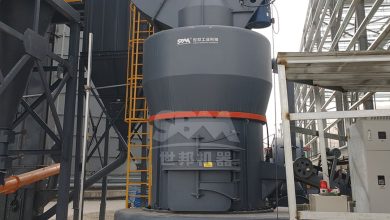
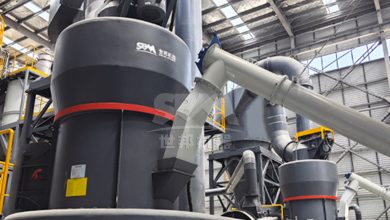
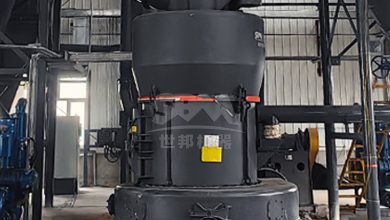
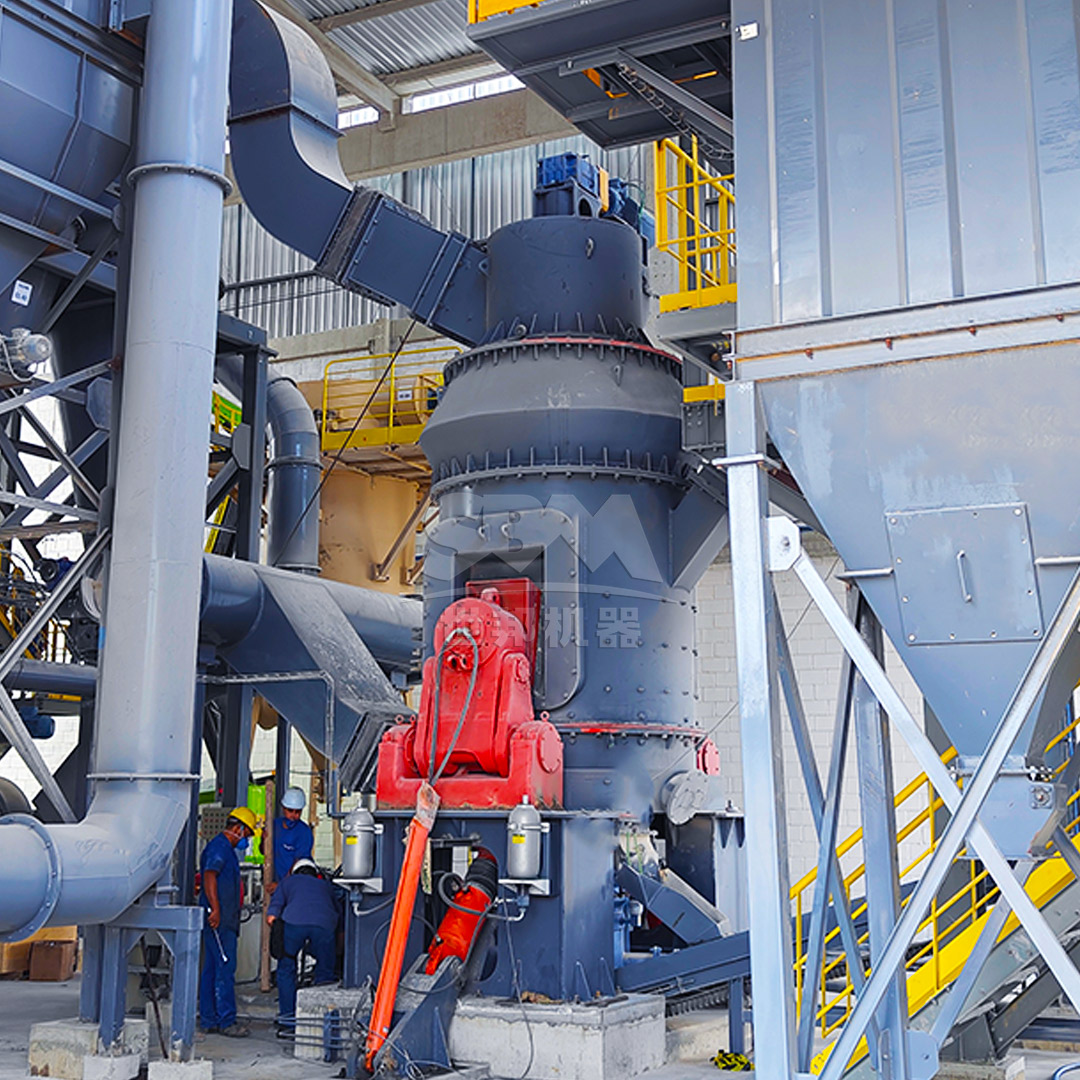
Vertical roller mills have become the industry standard for coal slag grinding due to their excellent combination of efficiency, reliability, and flexibility. These mills utilize large-diameter grinding tables with multiple rollers that apply pressure to the material bed. The integrated classification system allows precise control over product fineness.
For coal slag applications, our LM Series Vertical Roller Mill stands out as an exceptional solution. This mill series offers several advantages specifically beneficial for coal slag processing:
- High Grinding Efficiency: The material bed grinding principle reduces specific energy consumption by 30-40% compared to ball mills
- Wear Resistance: Special alloy grinding components withstand the abrasive nature of coal slag
- Integrated Drying: Hot gas integration allows simultaneous grinding and drying of moist materials
- Compact Design: 50% reduction in footprint compared to traditional ball mill systems
- Flexible Operation: Quick adjustment of product fineness from coarse to ultra-fine specifications
The LM series handles feed sizes up to 50mm and produces powders ranging from 30-325 mesh (600-45μm), with special configurations achieving fineness up to 600 mesh. Capacities range from 3-250 tons per hour, making it suitable for both medium and large-scale operations.
Ultrafine Grinding Mills
When the application demands exceptionally fine powders (typically below 10 microns), ultrafine grinding mills become necessary. These specialized mills combine impact, attrition, and shear forces to achieve micron and sub-micron particle sizes.
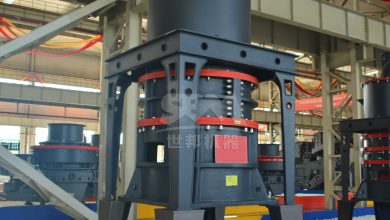
Our SCM Series Ultrafine Mill represents the pinnacle of fine grinding technology for coal slag applications requiring superior product quality. This mill delivers outstanding performance characteristics:
- Exceptional Fineness: Produces powders from 325-2500 mesh (45-5μm) with narrow particle size distribution
- High Precision Classification: Vertical turbine classifier ensures precise cut points without coarse particle contamination
- Energy Efficient Operation: Delivers twice the capacity of jet mills with 30% lower energy consumption
- Durable Construction: Specially designed rollers and grinding rings provide extended service life
- Environmental Compliance: Pulse dust collection system exceeds international standards with noise levels below 75dB
The SCM series handles feed materials up to 20mm with production capacities ranging from 0.5-25 tons per hour across different models. The intelligent control system automatically maintains consistent product quality by monitoring and adjusting operational parameters in real-time.
Ball Mills
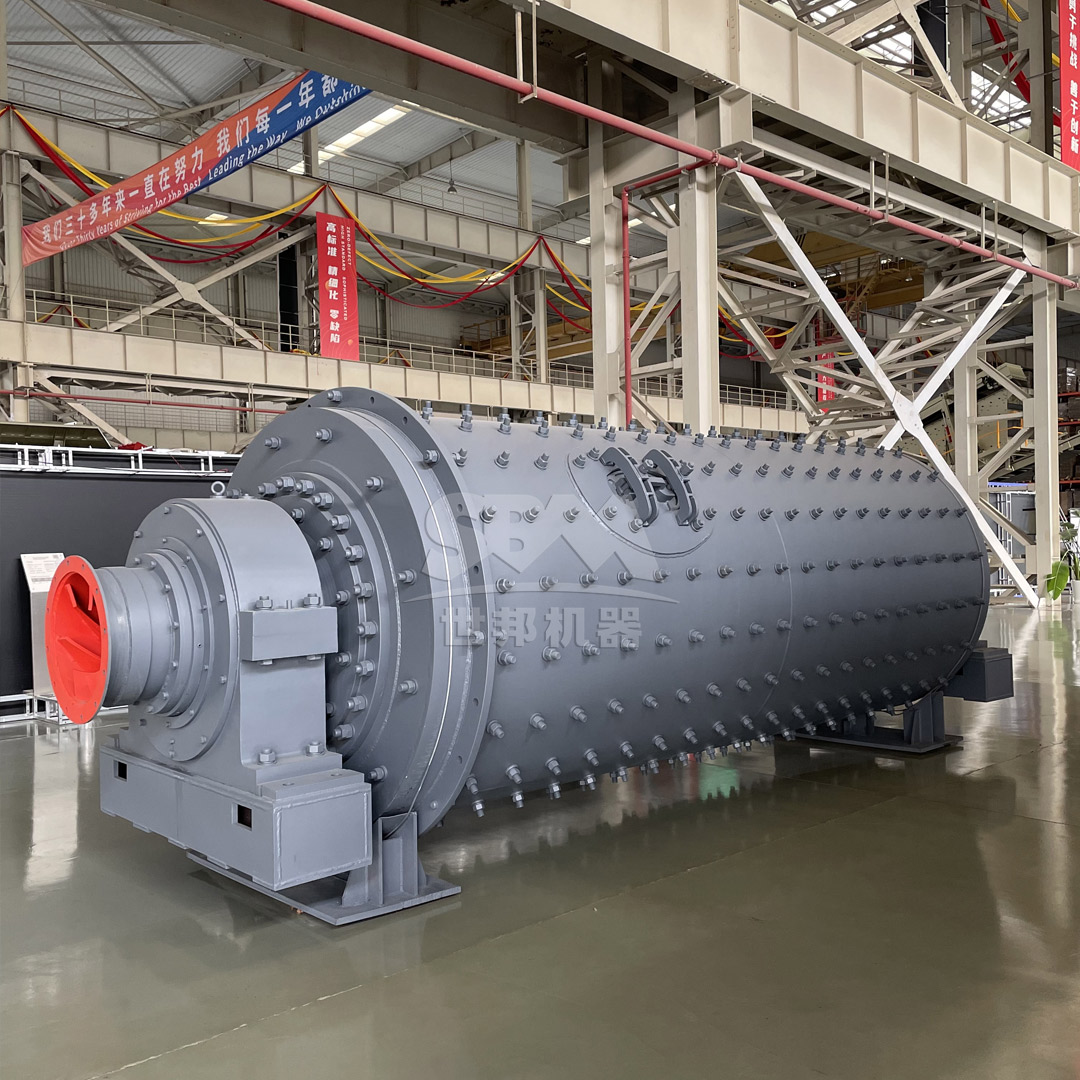
While traditional, ball mills remain a viable option for certain coal slag grinding applications, particularly when lower capital investment is prioritized over operational efficiency. These mills operate on the principle of impact and attrition as grinding media (balls) cascade inside a rotating cylinder.
Ball mills can handle feed sizes up to 25mm and produce powders in the range of 0.074-0.8mm (200-20 mesh). Capacities range widely from 0.65-450 tons per hour, accommodating various production scales. However, they typically consume 30-40% more energy than vertical roller mills for equivalent output.
Trapezium Mills
MTW Series Trapezium Mills offer a balanced solution for medium-fine grinding requirements. These mills feature innovative designs that improve efficiency and reduce maintenance requirements compared to traditional Raymond mills.
Key advantages include curved air channel designs that minimize energy loss, combined shovel blades that reduce maintenance costs, and integrated cone gear transmission systems achieving 98% efficiency. These mills process materials up to 50mm with output fineness of 30-325 mesh (600-45μm) and capacities of 3-45 tons per hour.
Technical Comparison of Mill Options
| Mill Type | Feed Size (max) | Product Fineness | Capacity Range (t/h) | Specific Power Consumption | Key Advantages |
|---|---|---|---|---|---|
| Vertical Roller Mill (LM Series) | ≤50mm | 30-325 mesh (600-45μm) | 3-250 | Lowest (30-40% less than ball mills) | High efficiency, integrated drying, compact footprint |
| Ultrafine Mill (SCM Series) | ≤20mm | 325-2500 mesh (45-5μm) | 0.5-25 | Very Low (30% less than jet mills) | Exceptional fineness, precise classification, automated control |
| Ball Mill | ≤25mm | 0.074-0.8mm (200-20 mesh) | 0.65-450 | Highest | Proven technology, simple operation, lower initial cost |
| Trapezium Mill (MTW Series) | ≤50mm | 30-325 mesh (600-45μm) | 3-45 | Medium | Balanced performance, reliable operation, easy maintenance |
Recommended Solutions for Different Scenarios
Large-Scale Industrial Applications (20+ t/h)
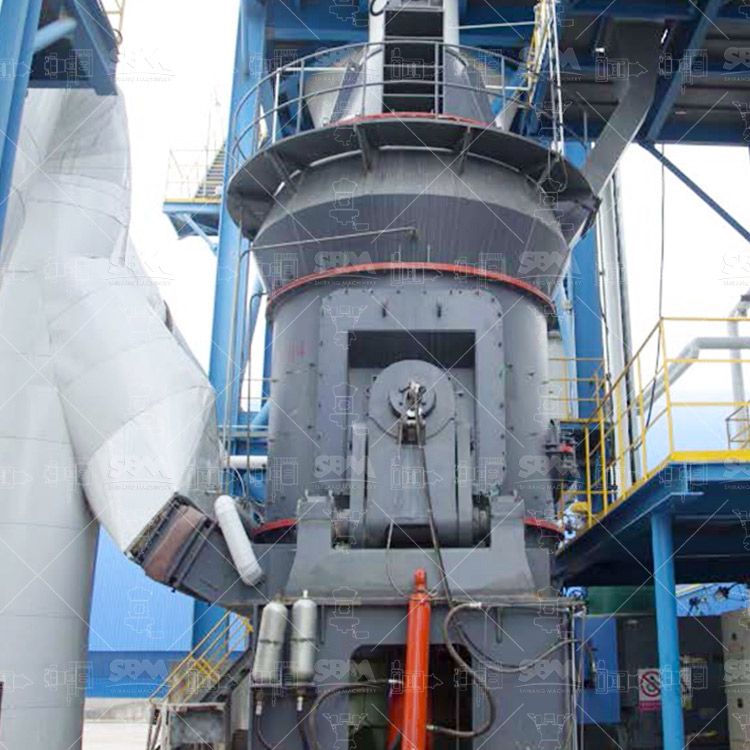
For high-volume production requirements, the LM Series Vertical Roller Mill represents the optimal choice. Its high efficiency, low operating costs, and reliability make it ideal for continuous industrial operations. The modular design allows customization to specific capacity needs, while the robust construction ensures long-term performance with minimal maintenance.
Specific models like the LM220K with 800kW main motor power can handle 36-105 tons per hour, making it suitable for major coal slag processing facilities. The integrated drying capability is particularly valuable for processing slag with higher moisture content.
High-Quality Powder Production (Ultrafine Requirements)
When product quality and fineness are paramount, the SCM Series Ultrafine Mill delivers unparalleled performance. Its ability to produce consistent, high-purity powders with precise particle size distribution makes it ideal for premium applications where coal slag powder commands higher market value.
Models such as the SCM1250 with 185kW power provide 2.5-14 tons per hour capacity while achieving fineness up to 2500 mesh. The automated control system maintains product consistency even with variations in feed material characteristics.
Medium-Scale Operations (5-20 t/h)
For medium-capacity requirements, both the MTW Series Trapezium Mill and smaller LM series models offer excellent solutions. The MTW138Z model, with 90kW main motor power and 6-17 t/h capacity, provides a balanced approach with lower capital investment while maintaining good efficiency.
Operational Considerations and Best Practices
Feed Preparation
Proper feed preparation significantly impacts grinding efficiency. Coal slag should be pre-crushed to appropriate sizes (typically below 20mm for ultrafine mills, 50mm for vertical mills) to optimize mill performance. Moisture content should be controlled, with pre-drying implemented when exceeding recommended levels.
Wear Part Management
The abrasive nature of coal slag necessitates proactive wear part management. Establishing regular inspection schedules and maintaining inventory of critical wear components (grinding rollers, tables, classifier blades) minimizes downtime. Modern mills feature advanced wear monitoring systems that predict maintenance needs.
Energy Optimization
Implementing energy optimization strategies can reduce operating costs by 15-25%. These include optimizing classifier speed, maintaining proper grinding pressure, and implementing variable frequency drives on auxiliary equipment. Modern control systems automatically adjust operational parameters for optimal energy efficiency.
Dust Collection and Environmental Compliance
Effective dust collection is essential for both product recovery and environmental compliance. Integrated pulse-jet baghouse filters with efficiency exceeding 99.9% ensure emissions remain below regulatory limits. Proper system design maintains negative pressure throughout the grinding circuit to prevent dust leakage.
Conclusion
Selecting the optimal grinding mill for coal slag involves careful consideration of technical requirements, operational constraints, and economic factors. For most industrial applications, vertical roller mills offer the best balance of efficiency, reliability, and operational flexibility. The LM Series provides exceptional performance for high-capacity requirements, while the SCM Series delivers superior results for ultrafine powder production.
When evaluating specific projects, consult with technical experts to match mill capabilities with your unique requirements. Proper mill selection, combined with optimized operational practices, ensures maximum return on investment while producing high-quality coal slag powders that meet market specifications.