Which Grinding Mill is Best for Processing Slag in Dry Milling Applications?
Introduction to Slag Processing
Slag, a byproduct of metal smelting and refining processes, has evolved from industrial waste to a valuable resource in construction materials, cement production, and soil stabilization. The efficient processing of slag through dry milling applications requires specialized grinding equipment that can handle its abrasive nature while achieving the desired fineness for various industrial applications. Selecting the appropriate grinding mill is crucial for optimizing production efficiency, energy consumption, and final product quality.
Dry milling of slag presents unique challenges due to the material’s hardness, abrasiveness, and variable composition. The ideal grinding solution must combine robust construction, precise particle size control, energy efficiency, and reliable operation to ensure cost-effective processing. This comprehensive analysis examines the key factors in selecting grinding equipment for slag processing and evaluates the most suitable mill types for different production requirements.
Key Considerations for Slag Grinding Mill Selection
Material Characteristics and Feed Size
Understanding slag properties is fundamental to selecting the right grinding equipment. Slag typically exhibits high hardness (Mohs 5-7), contains abrasive components, and may have variable moisture content. The initial feed size directly impacts mill selection, with different equipment handling varying maximum input dimensions. Mills must be capable of processing slag with input sizes ranging from fine powders to chunks up to 50mm, depending on the preliminary crushing stage.
Required Product Fineness
The intended application of the processed slag determines the necessary fineness range. For cement replacement applications, fineness typically ranges from 300-500 m²/kg Blaine (approximately 45-30μm), while high-value applications such as supplementary cementitious materials may require ultra-fine grinding down to 5μm or less. The grinding mill must provide precise control over particle size distribution to meet specific product specifications.
Production Capacity Requirements
Matching mill capacity to production needs is essential for economic operation. Slag grinding applications range from small-scale operations requiring 1-5 tons per hour to large industrial plants needing hundreds of tons per hour. The selected equipment must not only meet current production targets but also allow for future expansion with minimal modifications.
Energy Efficiency and Operating Costs
Grinding operations typically account for a significant portion of total processing costs. Energy-efficient mills can reduce power consumption by 30-50% compared to conventional equipment, substantially lowering operating expenses. Additional factors include maintenance requirements, wear part replacement costs, and operational labor.
Environmental Considerations
Modern grinding operations must address dust emissions, noise pollution, and overall environmental impact. Advanced mills incorporate integrated dust collection systems, sound insulation, and closed-circuit operation to minimize environmental footprint while ensuring operator safety and regulatory compliance.
Types of Grinding Mills for Slag Processing
Vertical Roller Mills (VRM)
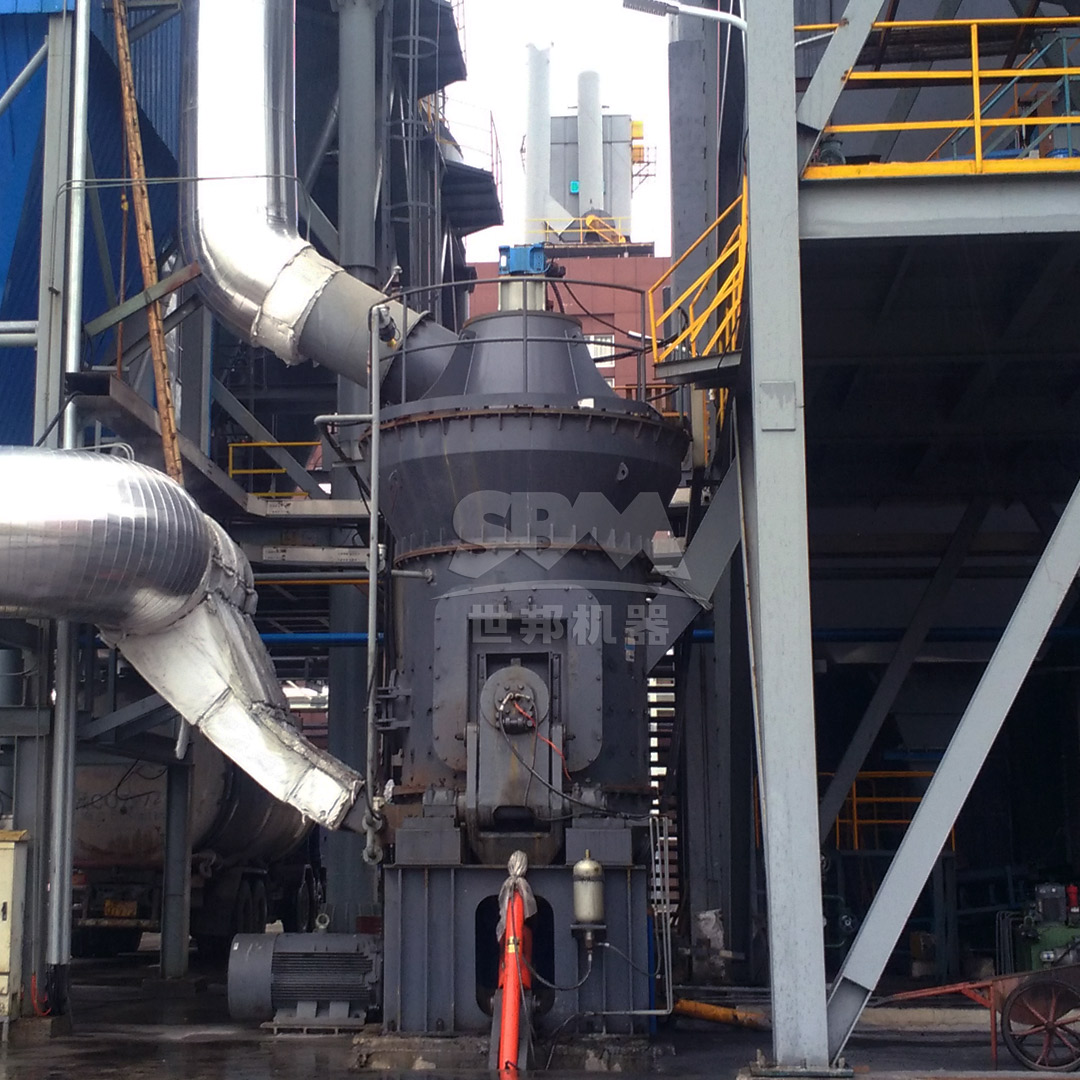
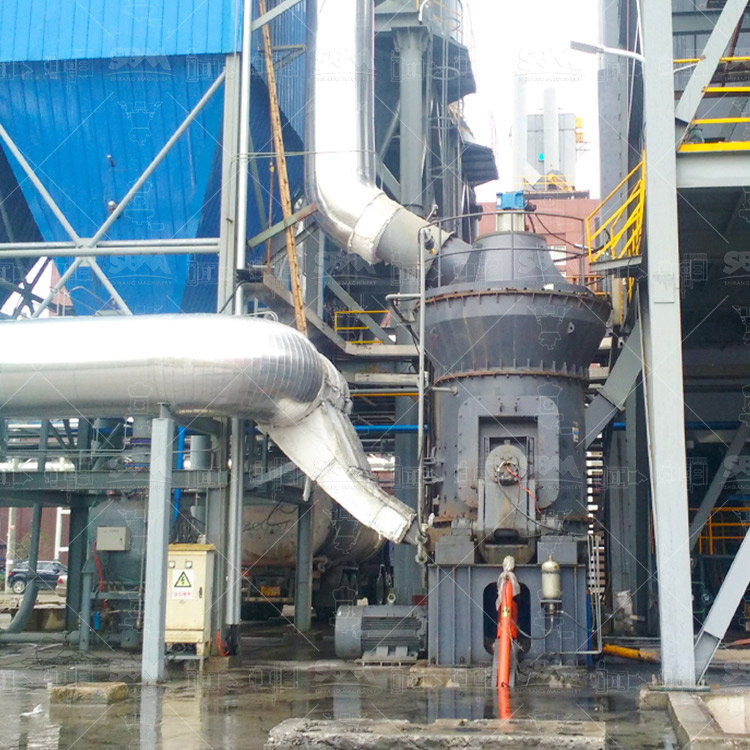
Vertical roller mills have become the preferred solution for large-scale slag grinding operations due to their exceptional energy efficiency and high throughput capabilities. These mills utilize a bed compression principle where material is ground between a rotating table and grinding rollers. The integrated drying capability allows processing of slag with moisture content up to 15-20% without requiring separate drying equipment.
VRMs offer several advantages for slag processing, including lower specific energy consumption (typically 30-50% less than ball mills), compact design reducing floor space requirements, and the ability to handle variations in feed material characteristics. The external material circulation system enables optimization of grinding bed thickness and stability, while the integrated dynamic classifier provides precise control over product fineness.
Ball Mills
Traditional ball mills remain a reliable option for slag grinding, particularly in applications requiring very fine products or where operational flexibility is paramount. These mills operate on the impact and attrition principle, using steel balls as grinding media to reduce particle size through repeated impacts.
While ball mills generally have higher energy consumption compared to vertical roller mills, they offer advantages in terms of operational simplicity, ability to handle abrasive materials with minimal contamination, and proven reliability. Modern ball mill designs incorporate high-efficiency separators, improved liner designs, and advanced control systems to optimize performance for slag grinding applications.
Ultrafine Grinding Mills
For applications requiring extremely fine slag products (D97 ≤ 5μm), specialized ultrafine grinding mills provide the necessary precision and control. These mills typically combine mechanical grinding with advanced air classification to achieve narrow particle size distributions in the sub-micron range.
Ultrafine grinding of slag enhances its pozzolanic activity, making it particularly valuable as a high-performance supplementary cementitious material. The increased surface area and optimized particle size distribution significantly improve the strength development and durability characteristics of cementitious systems incorporating ultrafine slag.
Recommended Solutions for Slag Grinding Applications
SCM Ultrafine Mill for High-Fineness Applications
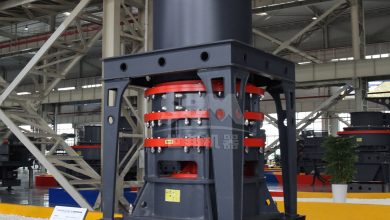
For operations requiring ultra-fine slag products with fineness ranging from 325 to 2500 mesh (D97 ≤ 5μm), the SCM Ultrafine Mill represents an optimal solution. This advanced grinding system combines high efficiency with precision classification to produce consistently fine slag powders ideal for high-value applications.
The SCM Ultrafine Mill delivers exceptional performance through its innovative design features. With capacity ranging from 0.5 to 25 tons per hour depending on model selection, this mill accommodates various production requirements while maintaining energy efficiency that reduces consumption by 30% compared to conventional grinding systems. The vertical turbine classifier ensures precise particle size control, eliminating coarse particle contamination and producing uniform product quality.
Durability concerns when processing abrasive slag materials are addressed through special wear-resistant materials for grinding components, extending service life significantly. The mill’s intelligent control system automatically monitors and adjusts operational parameters to maintain consistent product quality while optimizing energy usage. Environmental performance meets stringent standards with pulse dust collection efficiency exceeding international requirements and noise levels controlled below 75dB through integrated acoustic insulation.
The SCM series offers multiple models to match specific production needs:
- SCM800: 0.5-4.5 ton/h capacity, 75kW power
- SCM900: 0.8-6.5 ton/h capacity, 90kW power
- SCM1000: 1.0-8.5 ton/h capacity, 132kW power
- SCM1250: 2.5-14 ton/h capacity, 185kW power
- SCM1680: 5.0-25 ton/h capacity, 315kW power
LM Vertical Roller Mill for Large-Scale Production
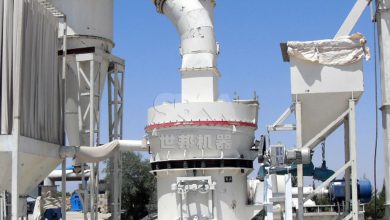
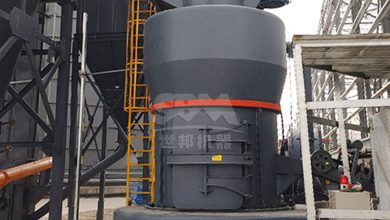
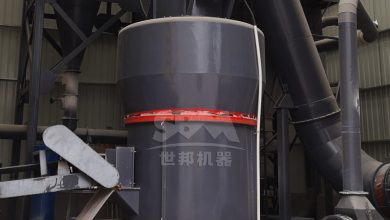
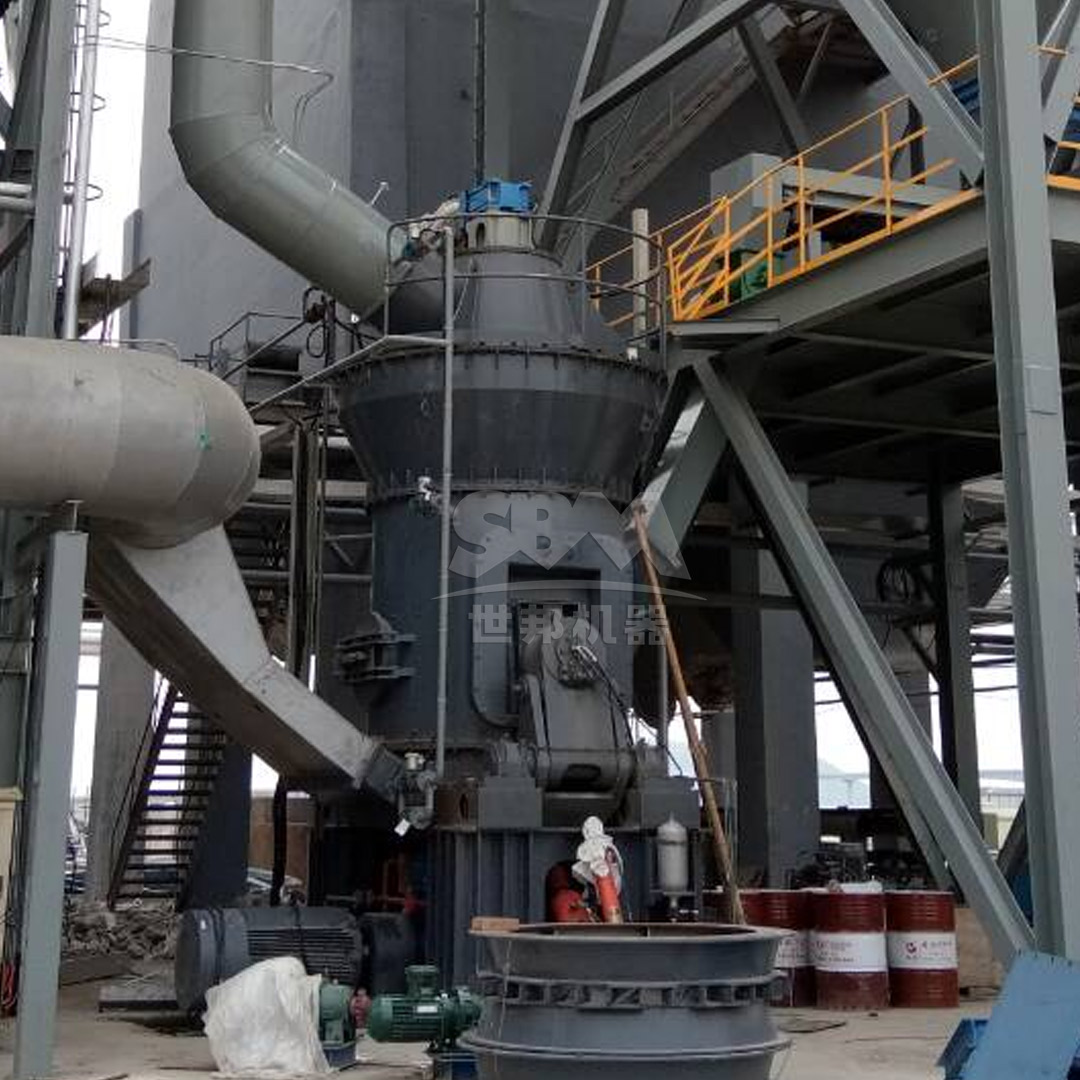
For high-capacity slag grinding operations requiring throughput from 3 to 250 tons per hour, the LM Vertical Roller Mill provides an efficient and reliable solution. This mill integrates multiple functions including grinding, drying, classification, and conveying in a single compact unit, significantly reducing installation footprint and civil engineering costs.
The LM series demonstrates particular advantages for slag processing through its innovative grinding geometry and operating principle. Material is ground between rollers and a rotating table using the efficient bed compression method, reducing specific energy consumption by 30-40% compared to traditional ball mill systems. The non-contact design between grinding components and optimized wear protection extends operational life while minimizing maintenance requirements.
Advanced control systems enable fully automated operation with remote monitoring capabilities, reducing labor requirements while ensuring consistent product quality. The mill accommodates slag with moisture content up to 15% without requiring separate drying equipment, and the fully enclosed negative pressure operation maintains dust emissions below 20mg/m³ for environmentally compliant operation.
For dedicated slag grinding applications, the LM Vertical Slag Mill series offers specialized configurations:
- LM130N: 4-6 ton/h capacity, 200-250kW power
- LM150N: 6-8 ton/h capacity, 280-315kW power
- LM170N: 8-10 ton/h capacity, 400-450kW power
- LM190N: 10-12 ton/h capacity, 500-560kW power
- LM220N: 20-26 ton/h capacity, 900-1000kW power
- LM280N: 50-60 ton/h capacity, 1800-2000kW power
- LM370N: 90-110 ton/h capacity, 3150-3300kW power
Operational Best Practices for Slag Grinding
Feed Preparation and System Optimization
Proper preparation of slag feed material significantly impacts grinding efficiency and product quality. Pre-crushing to appropriate size distribution ensures stable mill operation and optimized energy consumption. Consistent feed rate control prevents mill overload conditions while maximizing throughput. Moisture control through pre-drying or appropriate system adjustments maintains optimal grinding conditions and prevents material buildup.
Wear Management and Maintenance Planning
The abrasive nature of slag necessitates proactive wear management strategies. Regular inspection of grinding components allows for planned maintenance rather than emergency shutdowns. Implementing wear monitoring systems and maintaining critical spare parts inventory minimizes production interruptions. Selecting appropriate wear materials matched to specific slag characteristics extends component life and reduces operating costs.
Quality Control and Process Optimization
Continuous monitoring of product fineness, particle size distribution, and chemical composition ensures consistent product quality. Modern grinding systems incorporate automated sampling and analysis equipment with feedback control to maintain target specifications. Process optimization through adjustment of operational parameters such as classifier speed, grinding pressure, and gas flow maximizes efficiency while meeting product requirements.
Conclusion
Selecting the optimal grinding mill for dry slag processing requires careful consideration of material characteristics, production requirements, product specifications, and economic factors. For ultra-fine applications demanding precise particle size control down to 5μm, the SCM Ultrafine Mill provides exceptional performance with energy-efficient operation. For large-scale production needs, the LM Vertical Roller Mill delivers high capacity grinding with significantly reduced operating costs.
The advancement in grinding technology continues to improve the efficiency and economics of slag processing, transforming this industrial byproduct into valuable materials for construction and other applications. By matching the appropriate grinding technology to specific operational requirements, processors can optimize their operations while producing high-quality slag products that meet increasingly stringent market demands.