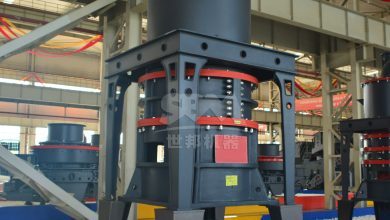
Where to Find the Best Calcite Grinding Mill Equipment?
Introduction: The Critical Role of Grinding in Calcite Processing
Calcite, a naturally occurring calcium carbonate mineral, is one of the most versatile and widely used industrial minerals globally. Its applications span from fillers in plastics, paints, and paper to essential components in construction materials, pharmaceuticals, and food additives. The value of calcite in these applications is intrinsically linked to its particle size, shape, and purity. This is where precision grinding technology becomes paramount. Selecting the optimal grinding mill is not merely a purchase; it’s a strategic investment that determines product quality, production efficiency, operational cost, and environmental compliance. This comprehensive guide explores the key considerations for choosing calcite grinding equipment and highlights advanced solutions that set the industry standard.
Key Factors in Selecting Calcite Grinding Equipment
1. Desired Fineness and Particle Size Distribution
The end-use of the ground calcite dictates the required fineness. For instance, paper coating may require ultrafine powders below 2μm, while plastic fillers might need products in the 10-45μm range. The equipment must not only achieve the target top size (e.g., D97) but also produce a consistent and narrow particle size distribution. A wide distribution can negatively affect product performance in downstream applications.
2. Production Capacity and Scalability
Matching the mill’s throughput to your current and projected future needs is crucial. Under-sizing leads to bottlenecks, while over-sizing results in unnecessary capital expenditure and inefficient energy use. The best equipment offers a range of models within the same technological family, allowing for seamless capacity scaling.
3. Energy Consumption and Operational Costs
Grinding is an energy-intensive process. Modern, efficient mills can reduce specific energy consumption (kWh/ton) by 30-50% compared to older technologies like traditional ball mills. Lower energy use directly translates to significant long-term operational savings and a reduced carbon footprint.
4. Wear Part Durability and Maintenance
Calcite, though not the hardest mineral, is abrasive. The longevity of grinding elements (rollers, rings, liners) directly impacts maintenance frequency, downtime, and cost-per-ton. Advanced designs use special alloy materials and innovative mechanical structures to extend service life by several multiples.
5. System Integration and Environmental Controls
A grinding mill is the heart of a system that includes feeding, classification, dust collection, and automation. An integrated, well-sealed system with high-efficiency pulse jet bag filters ensures a clean working environment, protects product quality, and meets stringent international emission standards (<10 mg/Nm³). Low-noise design is also a critical factor for plant safety and community relations.
Technology Deep Dive: Matching Mill Types to Calcite Applications
For Coarse to Medium Fineness (45-325 mesh / 30-600μm)
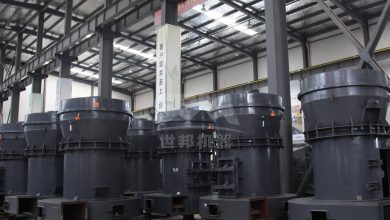
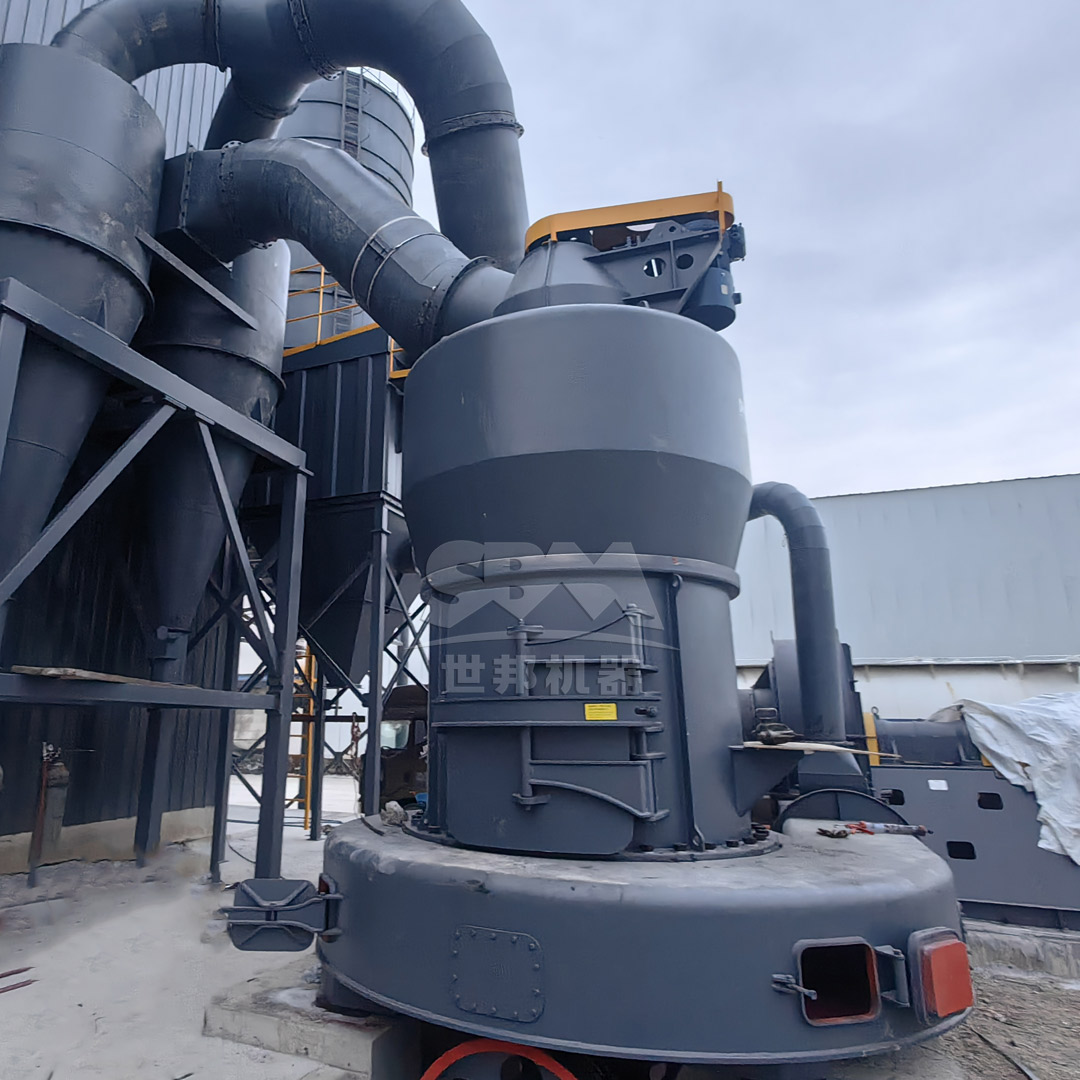
Applications like animal feed, soil conditioning, and some construction materials require this range. European Trapezium Mills (MTW Series) excel here. Their robust design, featuring an anti-wear shovel and optimized arc air duct, provides high capacity (3-45 TPH) with exceptional reliability. The integral bevel gear drive achieves up to 98% transmission efficiency, making them a highly energy-efficient choice for this fineness spectrum.
For Fine to Ultrafine Fineness (325-2500 mesh / 5-45μm)
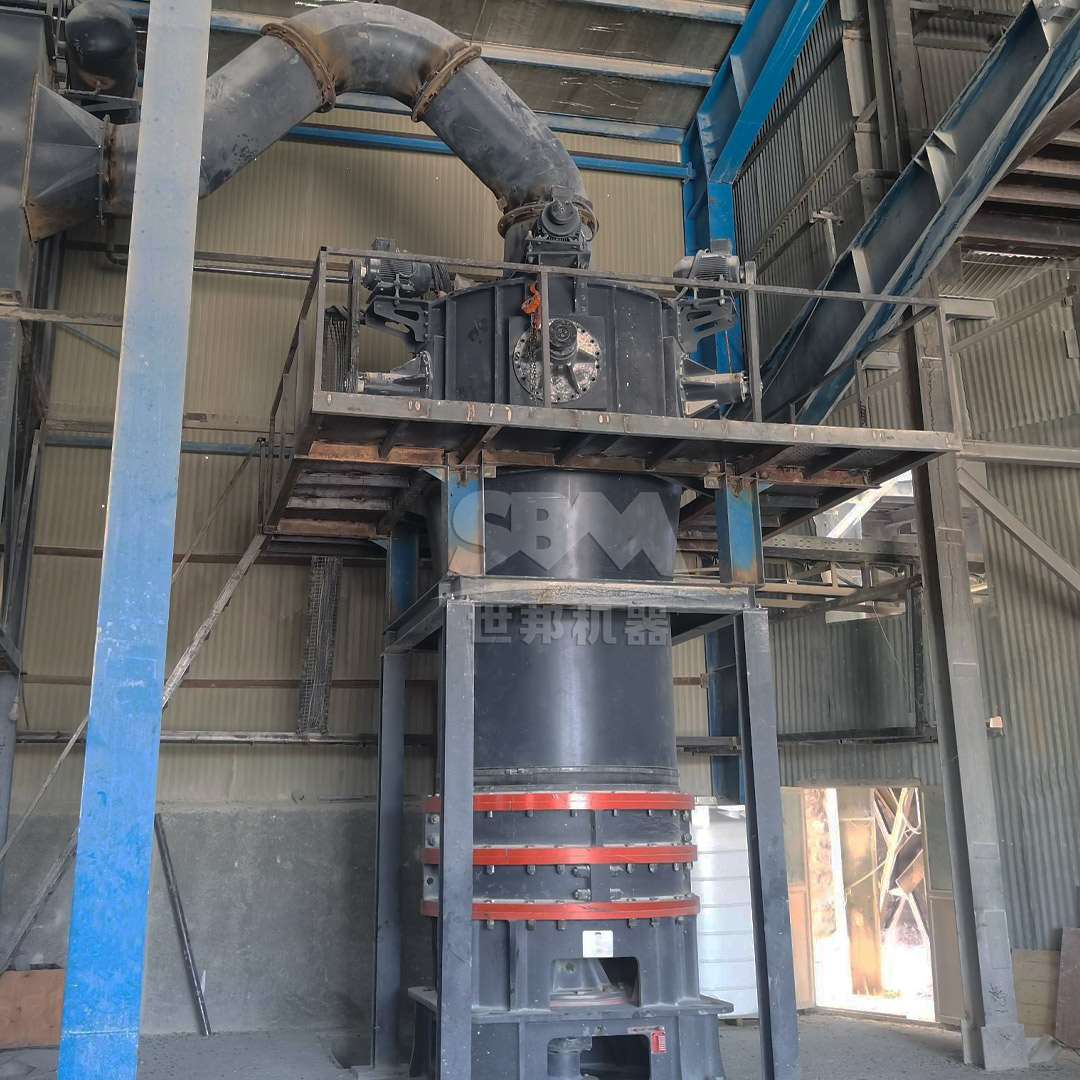
This is the most demanding and high-value segment for calcite, used in high-grade plastics, paints, and masterbatch. For these applications, the SCM Series Ultrafine Mill represents the pinnacle of technology. Engineered for high efficiency and precision, its core advantages make it an ideal solution:
- High Efficiency & Energy Saving: Its capacity is twice that of jet mills while consuming 30% less energy. An intelligent control system with automatic granularity feedback ensures consistent output.
- High-Precision Classification: A vertical turbine classifier achieves precise particle size cuts, eliminating coarse powder mixing and guaranteeing a uniform, high-quality product.
- Durable Design: Special material rollers and rings, coupled with a shaftless screw grinding chamber, extend service life and ensure remarkably stable operation.
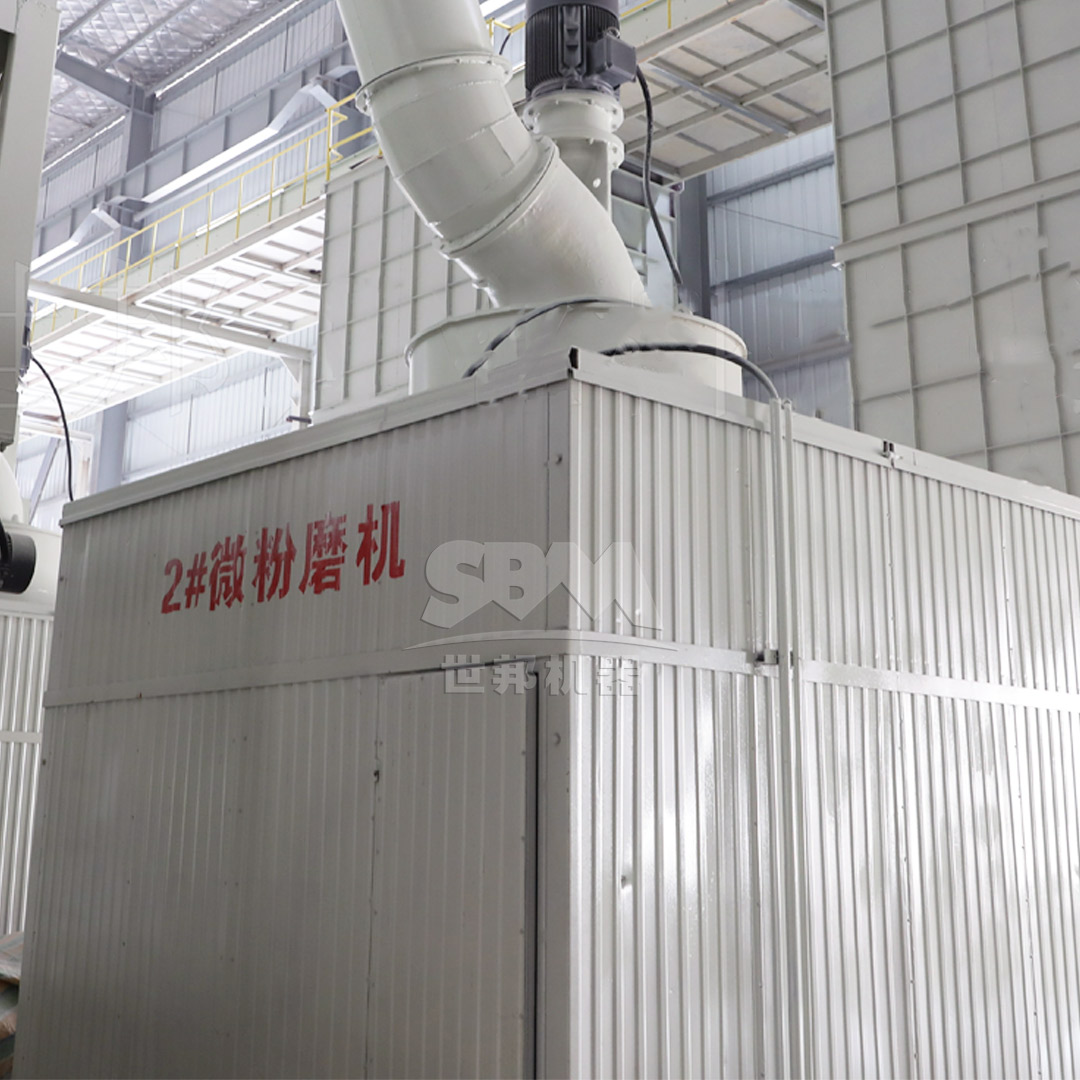
- Eco-friendly & Low Noise: With a pulse dust collection efficiency exceeding international standards and a soundproof room design, it operates cleanly and quietly.
The SCM series, with models from SCM800 to SCM1680 offering capacities from 0.5 to 25 TPH, provides a scalable solution for any ultrafine calcite production need.
For Large-Scale, Integrated Production (30-325 mesh)
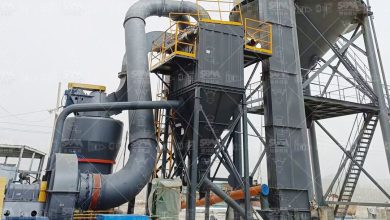
For mega-projects requiring capacities up to 250 TPH, such as in large-scale PCC (Precipitated Calcium Carbonate) plants or mining operations, LM Series Vertical Roller Mills are unmatched. Their integrated design reduces footprint by 50% and infrastructure costs by 40%. Energy consumption is 30-40% lower than traditional ball mill systems, and their intelligent control system allows for expert-level automation and remote monitoring.
Beyond the Mill: The Importance of a Complete Solution Provider
Finding the best equipment goes beyond comparing specifications on paper. It involves partnering with a manufacturer that provides:
- Test Center Services: The ability to conduct sample tests to confirm fineness, capacity, and energy use predictions.
- Customized Engineering: Tailoring the system layout, auxiliary equipment, and automation to fit your specific plant constraints.
- Global After-Sales Support: Access to genuine spare parts, expert technical service, and operational training to maximize uptime.
- Proven Track Record: A history of successful installations in the calcium carbonate industry across different regions and applications.
Conclusion: Investing in Precision and Efficiency
The quest for the best calcite grinding mill equipment leads to technologies that prioritize precision, energy efficiency, durability, and environmental stewardship. While several mill types can process calcite, the choice must be strategically aligned with your target product specifications and production goals. For operations targeting the high-value, ultrafine calcite market, advanced solutions like the SCM Series Ultrafine Mill offer a compelling combination of cutting-edge classification, operational economy, and robust design. For large-scale fine grinding, the MTW Series European Trapezium Mill and LM Series Vertical Roller Mill provide unparalleled capacity and efficiency. By focusing on these advanced technological platforms and partnering with an experienced supplier, you can secure not just a machine, but a cornerstone for long-term profitability and quality leadership in the competitive calcite industry.