What Type of Small Grinding Mill is Suitable for Producing 200 Mesh Coal Powder?
Introduction
Producing high-quality coal powder with a consistent fineness of 200 mesh (approximately 74 microns) requires specialized grinding equipment that balances efficiency, precision, and operational costs. The selection of an appropriate mill depends on multiple factors including raw material characteristics, production capacity requirements, energy consumption, and final product specifications. This comprehensive guide examines the technical considerations for 200 mesh coal powder production and identifies the most suitable grinding solutions.
Understanding 200 Mesh Coal Powder Requirements
Coal powder at 200 mesh fineness finds extensive applications in various industries including power generation, cement production, metallurgy, and chemical processing. The specific surface area and particle size distribution at this fineness significantly impact combustion efficiency, reactivity, and transportation characteristics. Achieving consistent 200 mesh output requires grinding equipment with precise classification capabilities and stable operation parameters.
The ideal mill for 200 mesh coal powder should deliver particles predominantly in the 65-75 micron range with minimal oversize or undersize fractions. This ensures optimal combustion characteristics while minimizing unburned carbon losses. Additionally, the grinding system must handle the abrasive nature of coal while maintaining consistent output quality throughout extended operation periods.
Key Selection Criteria for Coal Grinding Mills
Technical Parameters
When selecting equipment for 200 mesh coal powder production, several technical parameters demand careful consideration:
- Grinding Efficiency: The mill should achieve the target fineness with minimal energy consumption per ton of output
- Classification Precision: Accurate particle size separation ensures consistent product quality
- Wear Resistance: Components contacting coal must withstand abrasion to maintain performance
- Moisture Handling: Capability to process coal with varying moisture content without clogging
- System Integration: Compatibility with drying, feeding, and collection systems
Economic Considerations
Beyond technical specifications, economic factors significantly influence mill selection:
- Initial investment versus long-term operational costs
- Maintenance requirements and component lifespan
- Energy consumption per ton of finished product
- Space requirements and installation complexity
- Operational labor requirements and automation level
Recommended Mill Types for 200 Mesh Coal Powder
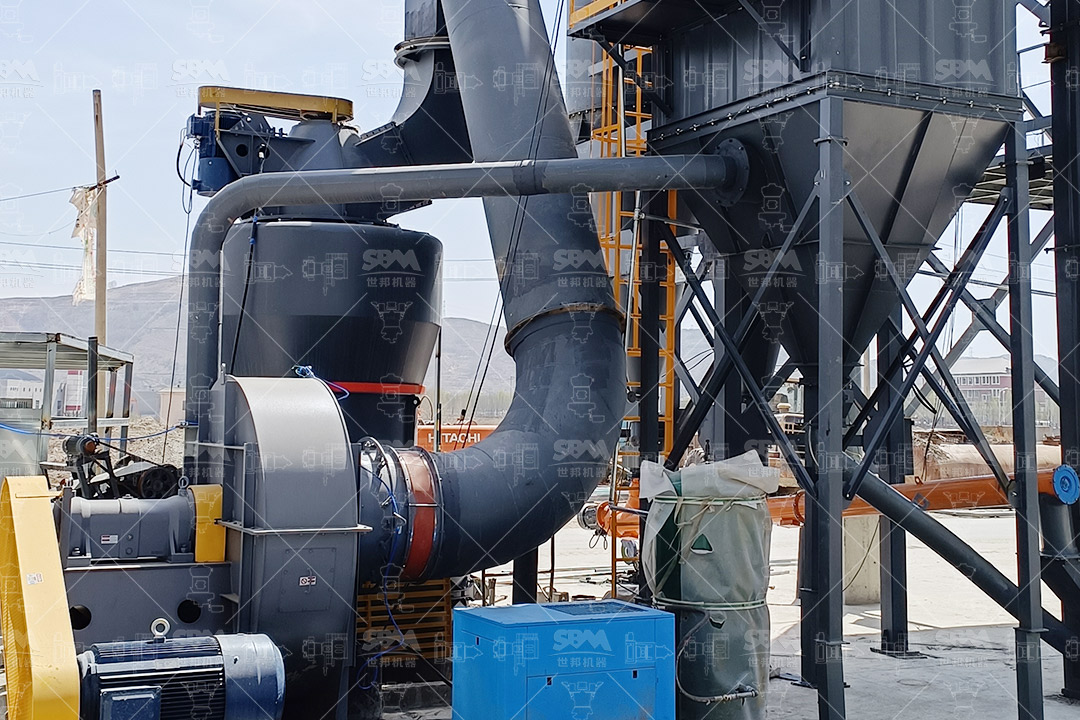
Vertical Roller Mills for Medium to Large Capacity
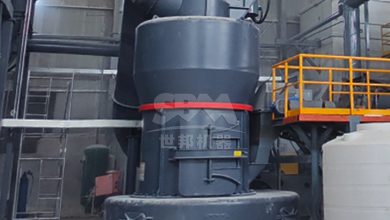
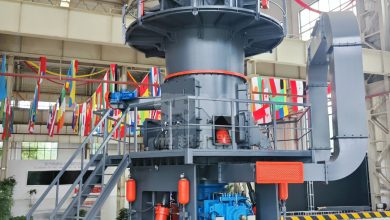
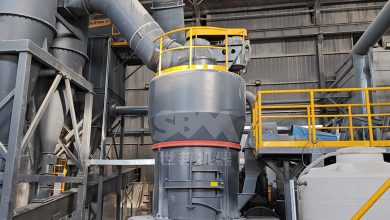
Vertical roller mills represent an excellent choice for 200 mesh coal powder production, particularly for medium to large-scale operations. These mills combine grinding, drying, and classification in a single compact unit, offering significant advantages in energy efficiency and space utilization. The fundamental working principle involves material being fed onto a rotating grinding table where rollers exert pressure to crush the coal, while hot air simultaneously dries and transports the fine particles to a dynamic classifier.
For 200 mesh coal production, vertical roller mills demonstrate particular strengths in their ability to handle varying moisture content and provide consistent product quality. The integrated dynamic classifiers allow precise control over product fineness, ensuring the 200 mesh specification is consistently met. Additionally, the vertical configuration facilitates easy maintenance and inspection of critical wear components.
MTW Series Trapezium Mill for Versatile Applications
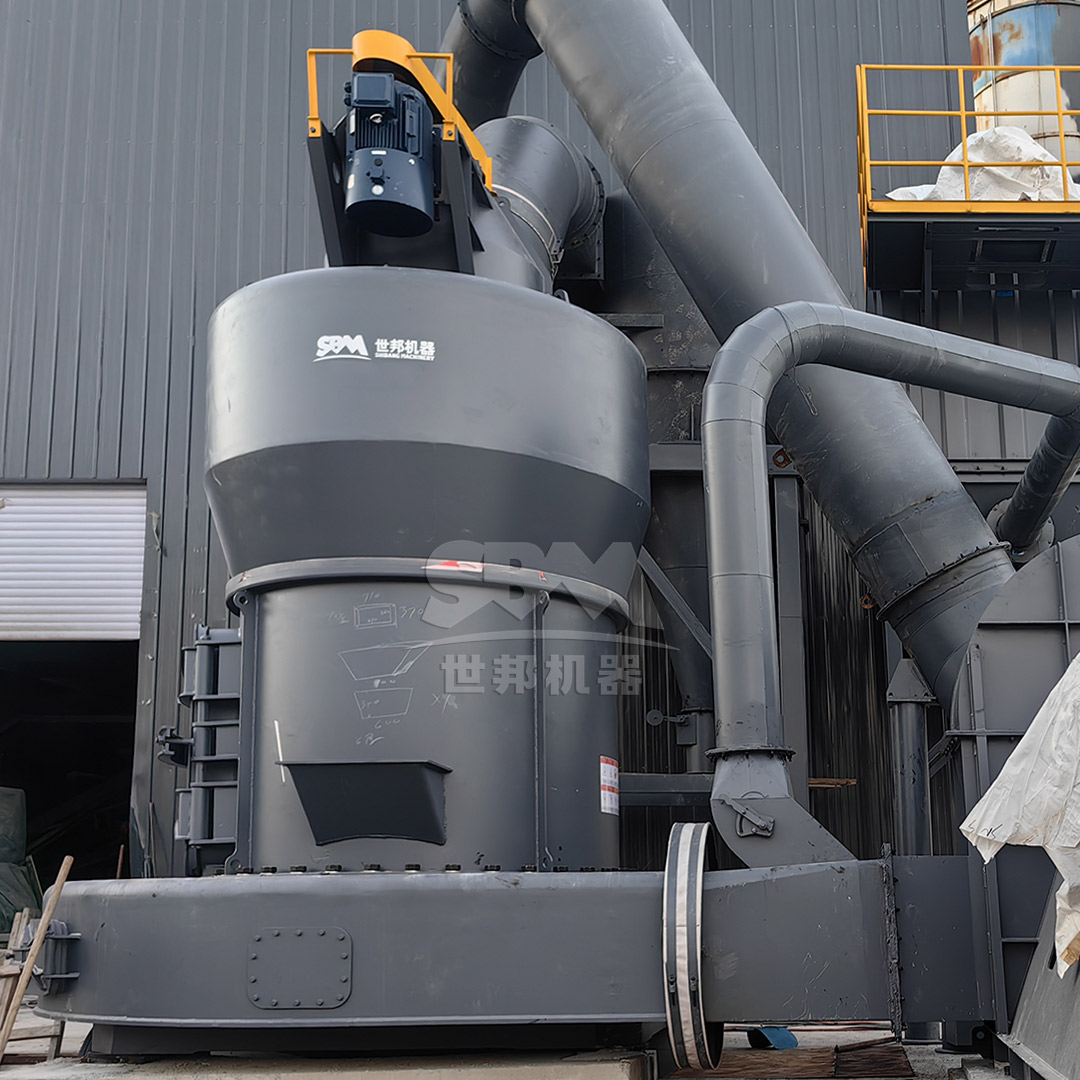
The MTW Series Trapezium Mill stands out as an exceptional solution for producing 200 mesh coal powder across a wide range of capacity requirements. This advanced grinding system incorporates multiple technological innovations that make it particularly suitable for coal processing applications.
Technical Advantages for Coal Grinding:
- Anti-wear Shovel Design: Combined shovel blades reduce maintenance costs while curved design extends roller service life
- Optimized Airflow Path: Curved air channel design minimizes energy loss with high-strength protective plates
- Integrated Bevel Gear Transmission: Achieves 98% transmission efficiency with space-saving configuration
- Durable Volute Structure: Non-clogging design enhances air classification efficiency
The MTW Series operates through a principal motor driving grinding rollers that revolve around the central axis while simultaneously rotating to generate centrifugal force. Shovels propel material between the grinding ring and rollers, creating a material bed that undergoes efficient compression crushing. The integrated classification system provides precise control over final product size, making it ideal for consistent 200 mesh output.
With multiple models available, the MTW Series offers capacities ranging from 3-45 tons per hour, accommodating various production requirements. The mill’s robust construction and wear-resistant components ensure reliable operation when processing abrasive coal materials, while the advanced classification system maintains precise control over the 200 mesh product specification.
SCM Ultrafine Mill for Precision Grinding Applications
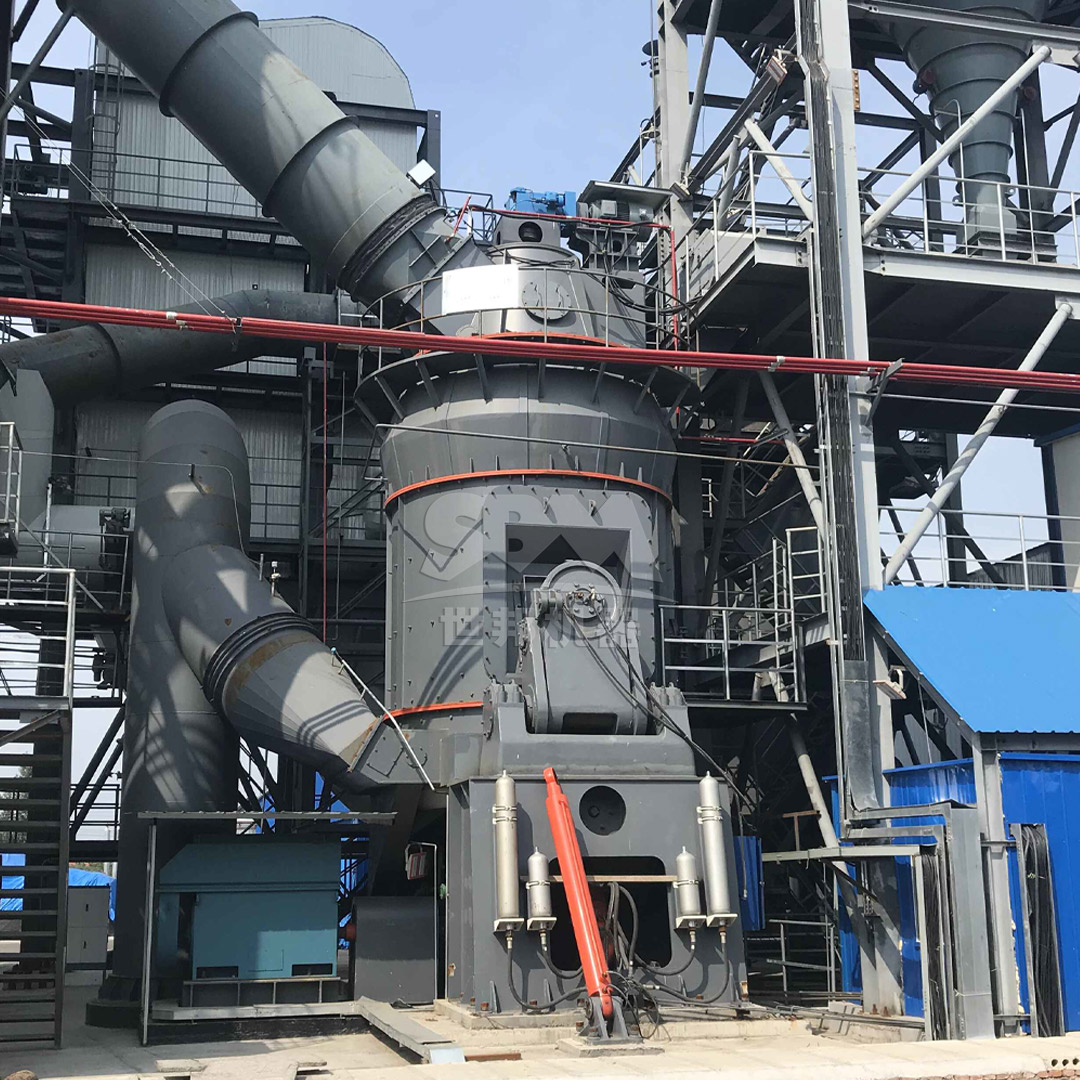
For operations requiring exceptional control over particle size distribution at 200 mesh, the SCM Ultrafine Mill presents an advanced technological solution. While capable of producing much finer powders, this mill excels at maintaining tight tolerances around specific target sizes like 200 mesh.
Key Technical Features:
- High-Efficiency Classification: Vertical turbine classifier enables precise particle size cuts with no coarse powder contamination
- Energy Efficient Operation: Delivers twice the capacity of jet mills with 30% lower energy consumption
- Durable Construction: Special material rollers and grinding rings extend service life multiple times
- Environmental Compliance: Pulse dust collection exceeds international standards with noise levels below 75dB
The SCM Ultrafine Mill operates through a main motor driving multiple layers of grinding rings in rotation. Material disperses into the grinding path through centrifugal force, undergoing compression crushing and progressive grinding across multiple stages. The final powder collection is accomplished through a combination of cyclone collector and pulse dust removal system.
With models ranging from SCM800 to SCM1680, this mill series offers processing capacities from 0.5 to 25 tons per hour, suitable for various production scales. The intelligent control system with automatic feedback on product fineness ensures consistent 200 mesh output, while the robust construction minimizes maintenance requirements.
Operational Considerations for Coal Grinding
Moisture Content Management
Coal moisture content significantly impacts grinding efficiency and product quality. Most grinding mills for 200 mesh production require coal moisture below 10-15% for optimal operation. Integrated drying systems or pre-drying equipment may be necessary when processing high-moisture coal. The grinding process itself generates heat that assists in moisture reduction, but excessive moisture can lead to material buildup and reduced classification efficiency.
Wear Protection Strategies
Coal’s abrasive nature necessitates robust wear protection in grinding mills. Critical components including grinding rollers, grinding tables, classifier blades, and pipeline elbows require specialized materials or protective coatings. Regular inspection and maintenance schedules ensure consistent performance and prevent unexpected downtime. Modern mills incorporate quick-change systems for wear components to minimize maintenance time.
Safety and Environmental Compliance
Coal grinding operations must address specific safety considerations, particularly dust explosion risks and environmental emissions. Modern grinding mills incorporate multiple safety features including inert gas systems, explosion vents, and comprehensive monitoring. Environmental compliance requires efficient dust collection systems that typically achieve emission levels below 20mg/m³, along with noise control measures to maintain operational levels below 80dB.
Comparative Analysis of Mill Performance
When evaluating mills for 200 mesh coal powder production, several performance metrics warrant comparison:
| Mill Type | Energy Efficiency (kWh/t) | Wear Rate (g/t) | Product Consistency | Capacity Range (t/h) |
|---|---|---|---|---|
| Vertical Roller Mill | 12-18 | 5-15 | Excellent | 5-100+ |
| MTW Trapezium Mill | 15-22 | 10-20 | Very Good | 3-45 |
| SCM Ultrafine Mill | 18-28 | 8-18 | Exceptional | 0.5-25 |
| Ball Mill | 25-35 | 30-50 | Good | 0.65-450 |
This comparison demonstrates that both the MTW Series Trapezium Mill and SCM Ultrafine Mill offer favorable combinations of energy efficiency, wear resistance, and product consistency for 200 mesh coal powder production. The specific choice depends on production capacity requirements, available infrastructure, and operational priorities.
Conclusion
Selecting the appropriate grinding mill for 200 mesh coal powder production requires careful consideration of multiple technical and economic factors. Both the MTW Series Trapezium Mill and SCM Ultrafine Mill present compelling solutions with their advanced classification systems, energy-efficient operation, and robust construction. The MTW Series offers particular advantages for operations requiring versatile capacity ranges and exceptional reliability, while the SCM Ultrafine Mill delivers superior precision for applications demanding tight particle size distribution control.
Modern grinding technology continues to evolve, with ongoing improvements in classification efficiency, wear resistance, and energy utilization. When properly selected and operated, contemporary grinding mills can produce high-quality 200 mesh coal powder with optimal economics and minimal environmental impact, supporting various industrial processes that rely on precisely controlled coal fineness.