What Type of Mill is Used to Grind Lime into Calcium Oxide Powder?
Introduction: The Critical Role of Grinding in Lime Processing
Calcium oxide (CaO), commonly known as quicklime or burnt lime, is a fundamental industrial chemical produced by the thermal decomposition of limestone (calcium carbonate) in a process called calcination. The resulting quicklime is often a lumpy, coarse material that must be ground into a fine powder to maximize its reactivity and suitability for a vast array of applications, including steelmaking, flue gas desulfurization, water treatment, construction (plaster, mortar), and chemical manufacturing. The selection of the appropriate grinding mill is therefore not merely a matter of size reduction; it is a critical decision impacting product quality, energy efficiency, production cost, and overall plant economics. This article explores the various types of mills suitable for grinding lime into calcium oxide powder, analyzing their principles, advantages, and ideal use cases, with a focus on achieving optimal fineness, capacity, and operational efficiency.
Key Considerations for Lime Grinding
Before selecting a mill, several specific characteristics of lime must be considered:
- Abrasiveness: Lime can be moderately abrasive, demanding wear-resistant materials in the grinding chamber.
- Moisture Sensitivity: Quicklime is highly hygroscopic and reacts with water (slaking). Grinding systems must often handle dry or slightly moist feed and prevent moisture ingress.
- Desired Fineness: Applications range from coarse agricultural lime (20-100 mesh) to highly reactive chemical-grade powder (325 mesh and finer, up to 2500 mesh for specialized uses).
- Heat Generation: The grinding process generates heat, which must be managed to prevent excessive temperature rise that could affect material properties or system components.
- System Integration: The mill must integrate seamlessly with pre-crushing, drying (if needed), classification, collection, and dust control systems.
Types of Mills for Lime Grinding
1. Traditional Ball Mills
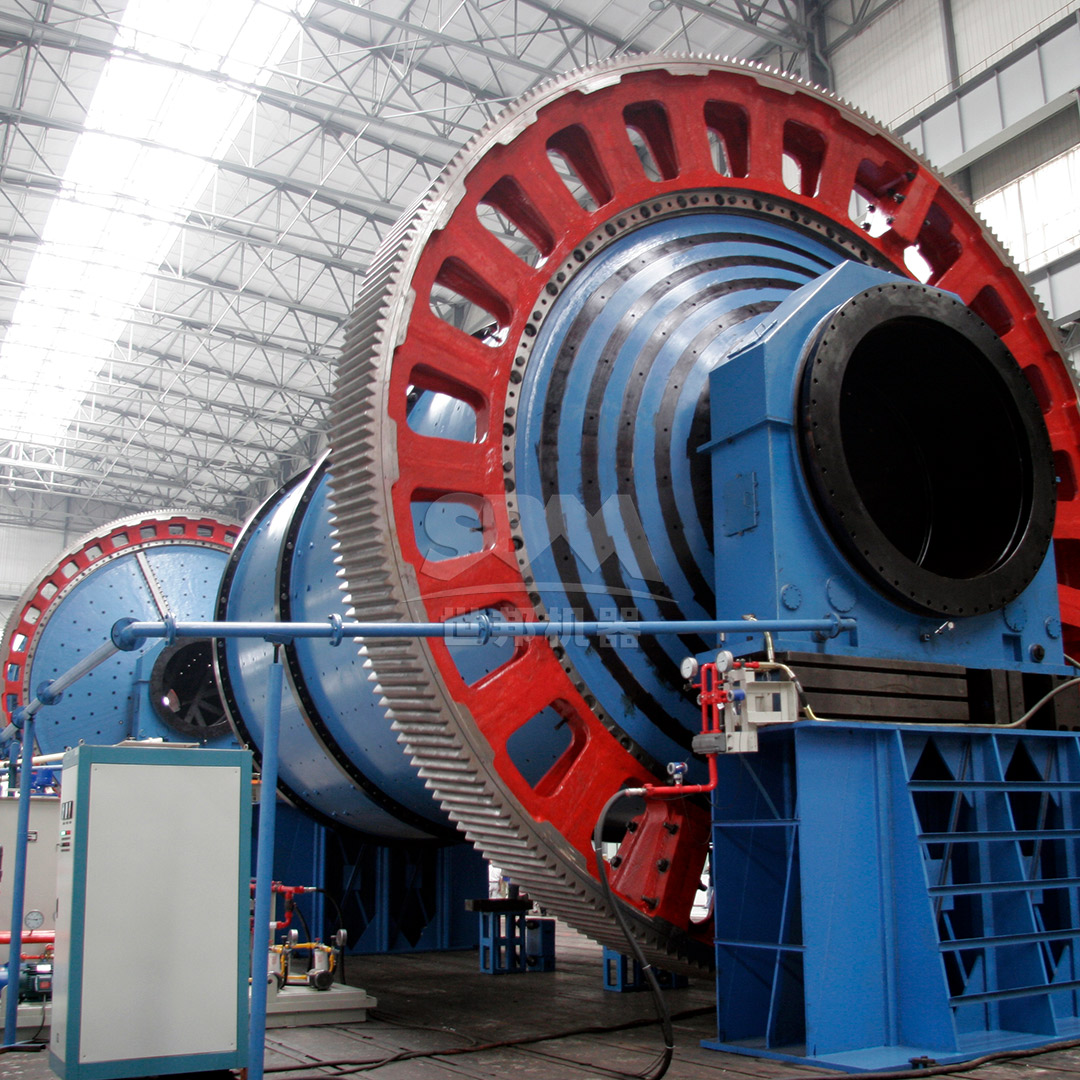
Ball mills are rotating cylinders filled with grinding media (steel balls). As the mill rotates, the balls cascade and tumble, impacting and abrading the lime particles. They are robust and capable of producing a wide range of particle sizes.
Advantages: High reliability, simple operation, capable of both dry and wet grinding, suitable for large capacities.
Disadvantages for Lime: High energy consumption (low efficiency for dry grinding), significant heat generation, high wear rate of balls and liners, noisy operation, and the final product may have a broad particle size distribution unless coupled with an efficient external classifier.
2. Raymond Mills (Roller Mills) and Pendulum Mills
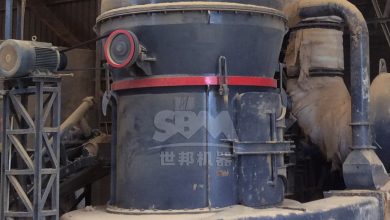
These are medium-speed mills where rollers swing outward due to centrifugal force and roll against a stationary grinding ring. A shovel feeds the material into the grinding zone. They have been a long-standing choice for mineral processing.
Advantages: Well-established technology, relatively lower capital cost for medium-scale operations, good for producing powders in the 30-325 mesh range.
Disadvantages: Limited ability to produce very fine powders (beyond 325 mesh) efficiently, mechanical complexity in the roller suspension system, and wear can affect grinding fineness over time unless the system has automatic compensation.
3. Vertical Roller Mills (VRM)
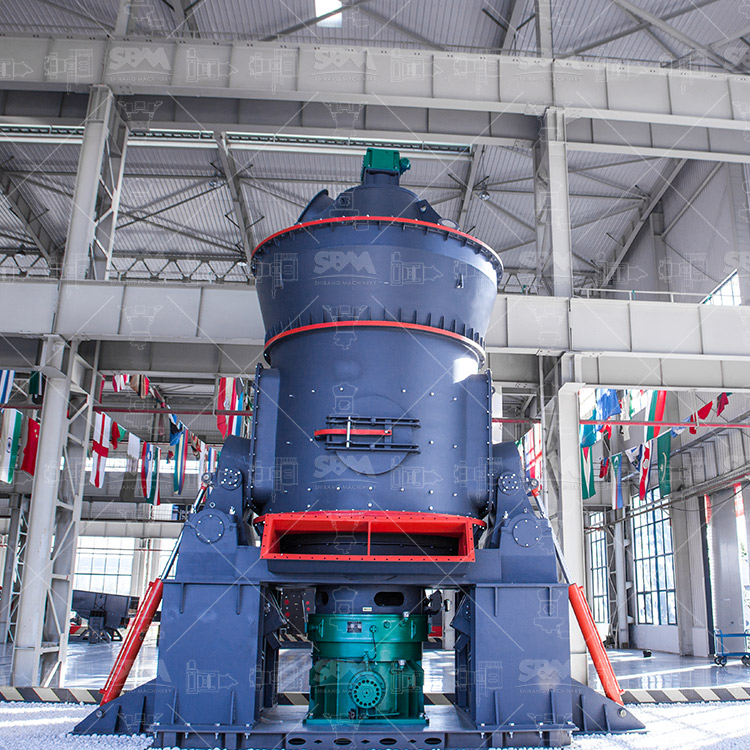
VRMs represent a significant technological leap. Material is fed onto a rotating grinding table and is ground under pressure by hydraulically loaded rollers. Ground material is transported by air to an integrated classifier.
Advantages: Exceptional energy efficiency (30-50% less power than ball mills), excellent drying capability (can handle feed with some moisture), compact footprint, lower noise levels, and stable product quality with a sharp particle size cut via the internal classifier.
Disadvantages: Higher initial investment, more complex operation and maintenance, sensitivity to feed size and hard foreign materials.
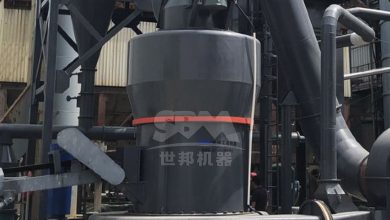
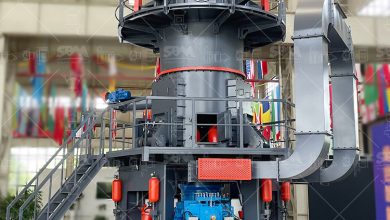
For lime grinding, especially at medium to large scales (e.g., 10-250 tons per hour) and for fineness up to 325 mesh, the LM Series Vertical Roller Mill is an outstanding choice. Its集约化设计 (Intensive Design) integrates multiple functions, reducing plant footprint by 50%. More importantly, its 低运行成本 (Low Operational Cost) is crucial for lime producers; the non-contact design of磨辊与磨盘 (grinding roller and disc) extends wear part life, while its energy consumption is 30-40% lower than traditional ball mill systems. The智能控制 (Intelligent Control) system allows for stable, automated operation, ensuring consistent product fineness. For projects requiring high capacity and efficiency, models like the LM190K (23-68 t/h) or LM220K (36-105 t/h) are particularly well-suited.
4. Ultrafine Grinding Mills
For applications demanding high-purity, highly reactive calcium oxide powder with a fineness exceeding 400 mesh (D97 < 20μm) and reaching into the micron (2500 mesh/5μm) range, specialized ultrafine mills are required. These mills combine intense mechanical grinding forces with highly precise air classification.
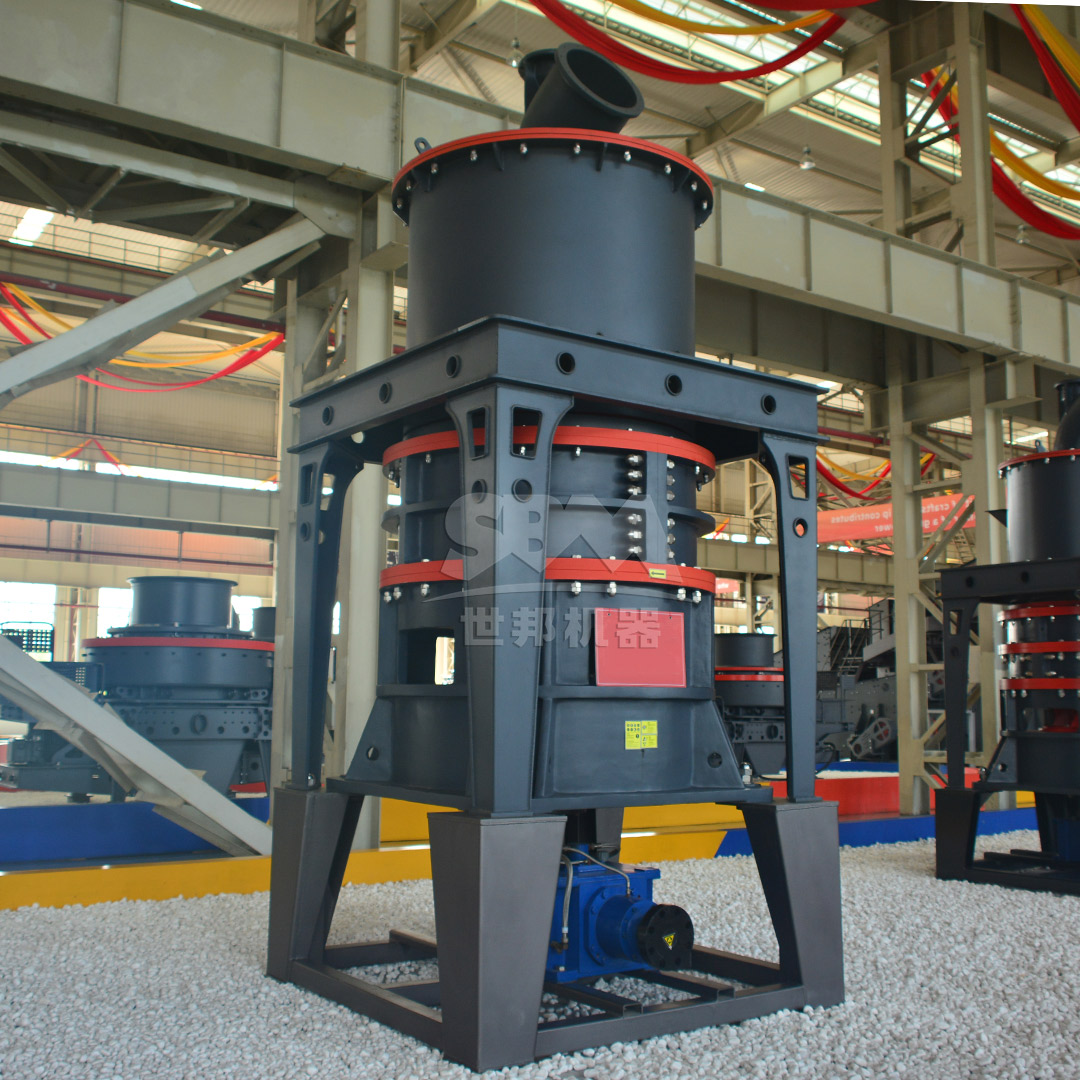
This is where our flagship SCM Series Ultrafine Mill excels. Engineered specifically for producing fine and ultrafine powders, the SCM mill is ideal for high-value lime products used in advanced ceramics, pharmaceuticals, or as a high-performance filler. Its core strength lies in its 高精度分级 (High-Precision Classification) system. The vertical turbine classifier ensures a precise cut point, guaranteeing that no coarse particles contaminate the final product, resulting in exceptional uniformity. Furthermore, its 高效节能 (High Efficiency and Energy Saving) design delivers a capacity twice that of jet mills while reducing energy consumption by 30%. For lime processors targeting the ultrafine market, the SCM1000 (1.0-8.5 t/h, up to 2500 mesh) or SCM1250 (2.5-14 t/h) models offer the perfect balance of precision and productivity. The 环保低噪 (Environmental Protection and Low Noise) features, including pulse dust collection exceeding international standards and noise levels below 75dB, ensure a clean and compliant operation.
Recommended Mill Selection Based on Application
- Coarse to Medium Grinding (20-100 mesh for agriculture/construction): Hammer Mills or basic Pendulum Mills (like the MRN series) are cost-effective.
- General Industrial Powder (100-325 mesh for steel, water treatment): MTW Series Trapezium Mill or LM Vertical Roller Mill are optimal. The MTW series, with its防磨损铲刀设计 (wear-resistant shovel design) and锥齿轮整体传动 (integral bevel gear transmission) for 98% efficiency, offers robust and reliable performance for this range. The LM series provides superior energy savings for larger installations.
- Fine to Ultrafine Powder (325-2500 mesh for high-end chemical/industrial use): SCM Ultrafine Mill is the definitive solution, offering unmatched fineness control and efficiency.
- Very Large-Scale Production (>50 t/h) of Industrial-Grade Powder: Large Vertical Roller Mills (e.g., LM280K) are the industry benchmark for efficiency and capacity.
Conclusion
The transformation of lime into functional calcium oxide powder is a precision engineering task. The choice of grinding mill moves beyond simple crushing to a strategic decision influencing product value, operational cost, and environmental footprint. While traditional ball mills and Raymond mills have their place, modern vertical roller mills (like the LM Series) and advanced ultrafine mills (like the SCM Series) represent the future of lime processing. They deliver the crucial combination of energy efficiency, precise particle size control, system integration, and environmental compliance that modern industry demands. Evaluating your specific fineness requirements, production capacity, and total cost of ownership will guide you to the optimal milling technology for your calcium oxide production line.