What Type of Grinding Mill is Suitable for Processing Sintered Ilmenite After Regrinding and Beneficiation?
Introduction
Sintered ilmenite, a critical raw material for titanium dioxide production and titanium metal extraction, presents unique challenges in mineral processing due to its hard, abrasive nature and complex mineralogical composition. After initial beneficiation processes, the material often requires further regrinding to liberate valuable minerals from gangue materials and achieve the optimal particle size distribution for downstream processing. Selecting the appropriate grinding mill for this application is crucial for operational efficiency, product quality, and economic viability.
This comprehensive technical analysis examines the specific requirements for processing sintered ilmenite after regrinding and beneficiation, evaluates various grinding technologies, and provides recommendations based on operational parameters and economic considerations.
Characteristics of Sintered Ilmenite
Sintered ilmenite possesses several distinctive properties that significantly influence grinding mill selection:
- High Hardness: With Mohs hardness typically ranging from 5.5 to 6.5, sintered ilmenite requires substantial energy input for size reduction
- Abrasive Nature: The presence of hard mineral phases causes significant wear on grinding media and mill components
- Specific Gravity: High density (4.5-5.0 g/cm³) affects material transport and classification within grinding circuits
- Target Particle Size: Final product requirements typically range from 325 mesh (45μm) to 500 mesh (25μm) for optimal downstream processing
- Moisture Sensitivity: While sintered ilmenite is generally dry processed, moisture control remains important for efficient grinding operations
Key Considerations for Mill Selection
Technical Requirements
When selecting grinding equipment for sintered ilmenite regrinding applications, several technical factors must be prioritized:
- Wear Resistance: Mill components must withstand the highly abrasive nature of ilmenite particles
- Energy Efficiency: Grinding operations typically account for 30-50% of total mineral processing energy consumption
- Particle Size Control: Precise control over final product size distribution is essential for downstream separation processes
- Operational Reliability: Continuous operation with minimal downtime is critical for production economics
- Environmental Compliance: Dust control, noise emissions, and overall environmental impact must meet regulatory standards
Economic Factors
The economic viability of ilmenite grinding operations depends on multiple factors:
- Capital investment versus operational expenditure
- Maintenance frequency and component replacement costs
- Energy consumption per ton of processed material
- Labor requirements and operational complexity
- Overall recovery rates and product quality consistency
Evaluation of Grinding Mill Technologies
Ball Mills
Traditional ball mills have been widely used in mineral processing applications, including ilmenite grinding. These systems operate on the principle of impact and attrition between grinding media (steel balls) and the material being processed.
Advantages for Ilmenite Application:
- Proven technology with extensive operational experience
- Capable of handling variations in feed material characteristics
- Relatively simple operation and maintenance procedures
Limitations for Ilmenite Application:
- High energy consumption due to low grinding efficiency
- Significant media wear leading to high operating costs
- Limited particle size control and potential overgrinding
- Large footprint and substantial foundation requirements
Vertical Roller Mills
Vertical roller mills utilize the bed compression principle, where material is ground between a rotating table and rollers under hydraulic pressure. This technology has gained significant traction in hard mineral applications due to its superior energy efficiency.
Advantages for Ilmenite Application:
- Higher energy efficiency compared to ball mills (30-50% reduction)
- Excellent particle size distribution control
- Integrated drying capability for moist feed materials
- Compact design with reduced footprint
Limitations for Ilmenite Application:
- Higher capital investment for equivalent capacity
- More complex operation requiring skilled personnel
- Potential for vibration issues with highly abrasive materials
Ultrafine Grinding Mills
For applications requiring very fine particle sizes (below 20μm), specialized ultrafine grinding technologies offer distinct advantages. These systems typically combine mechanical impact with advanced classification to achieve precise particle size control.
Advantages for Ilmenite Application:
- Superior particle size control in the fine and ultrafine range
- High grinding efficiency for liberation of finely disseminated minerals
- Advanced classification systems ensure narrow particle size distribution
- Modular designs facilitate installation and maintenance
Limitations for Ilmenite Application:
- Higher specific energy consumption for coarse feed materials
- Increased sensitivity to feed size variations
- Potential for higher wear rates in certain configurations
Recommended Mill Solutions for Sintered Ilmenite
Primary Recommendation: SCM Ultrafine Mill
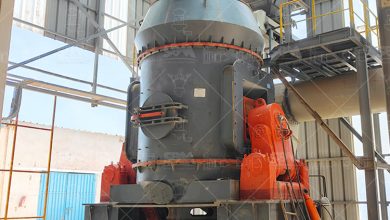
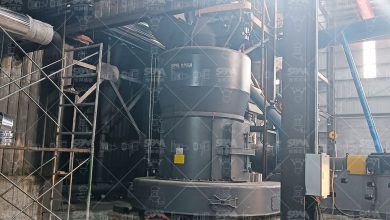
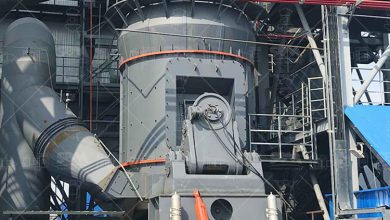
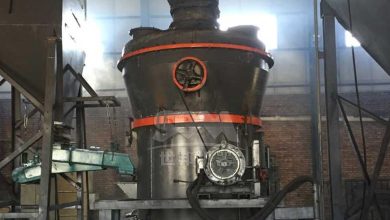
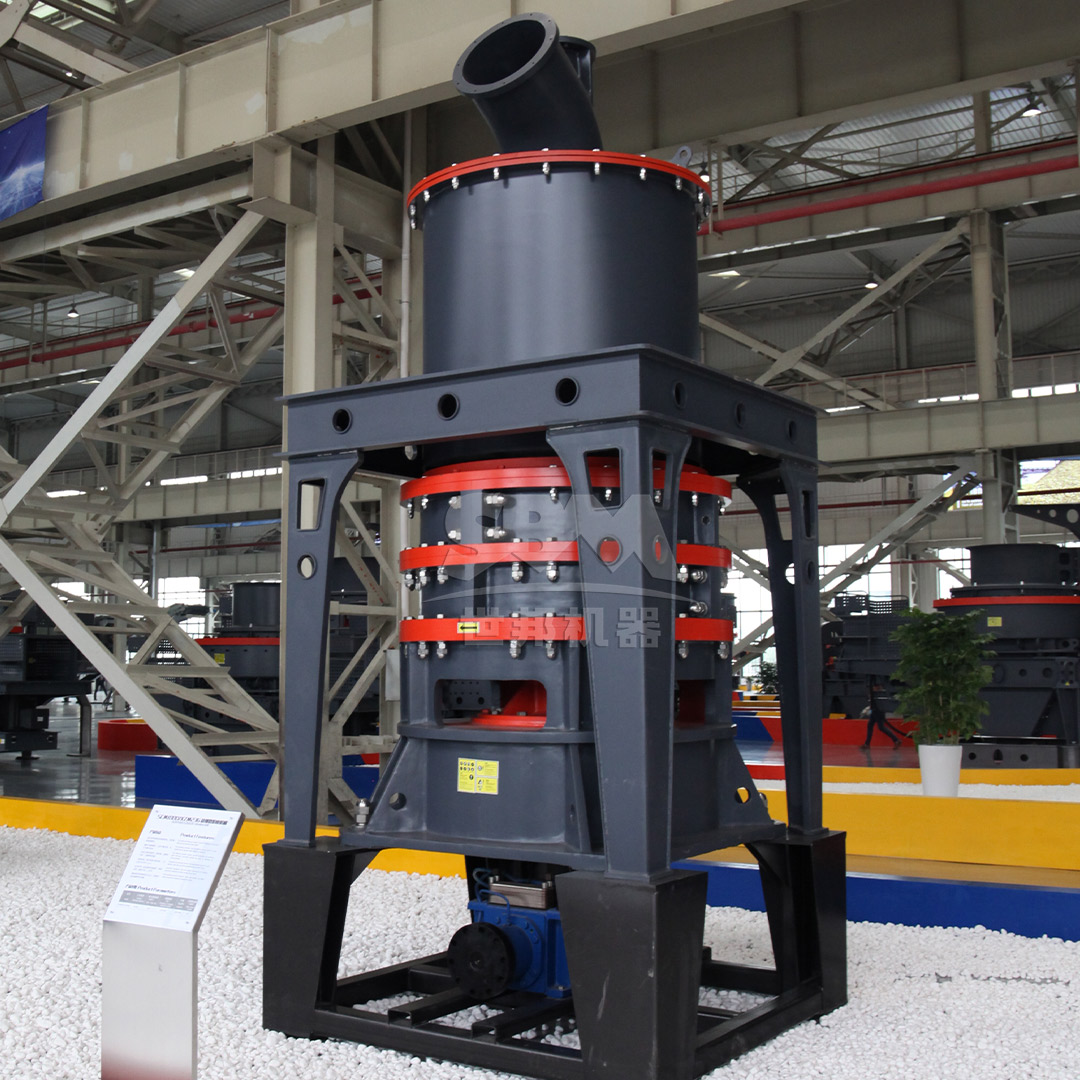
For most sintered ilmenite regrinding applications requiring final product sizes between 325-2500 mesh (45-5μm), the SCM Ultrafine Mill represents an optimal solution. This advanced grinding system combines high efficiency with precise particle size control, making it particularly suitable for the demanding requirements of ilmenite processing.
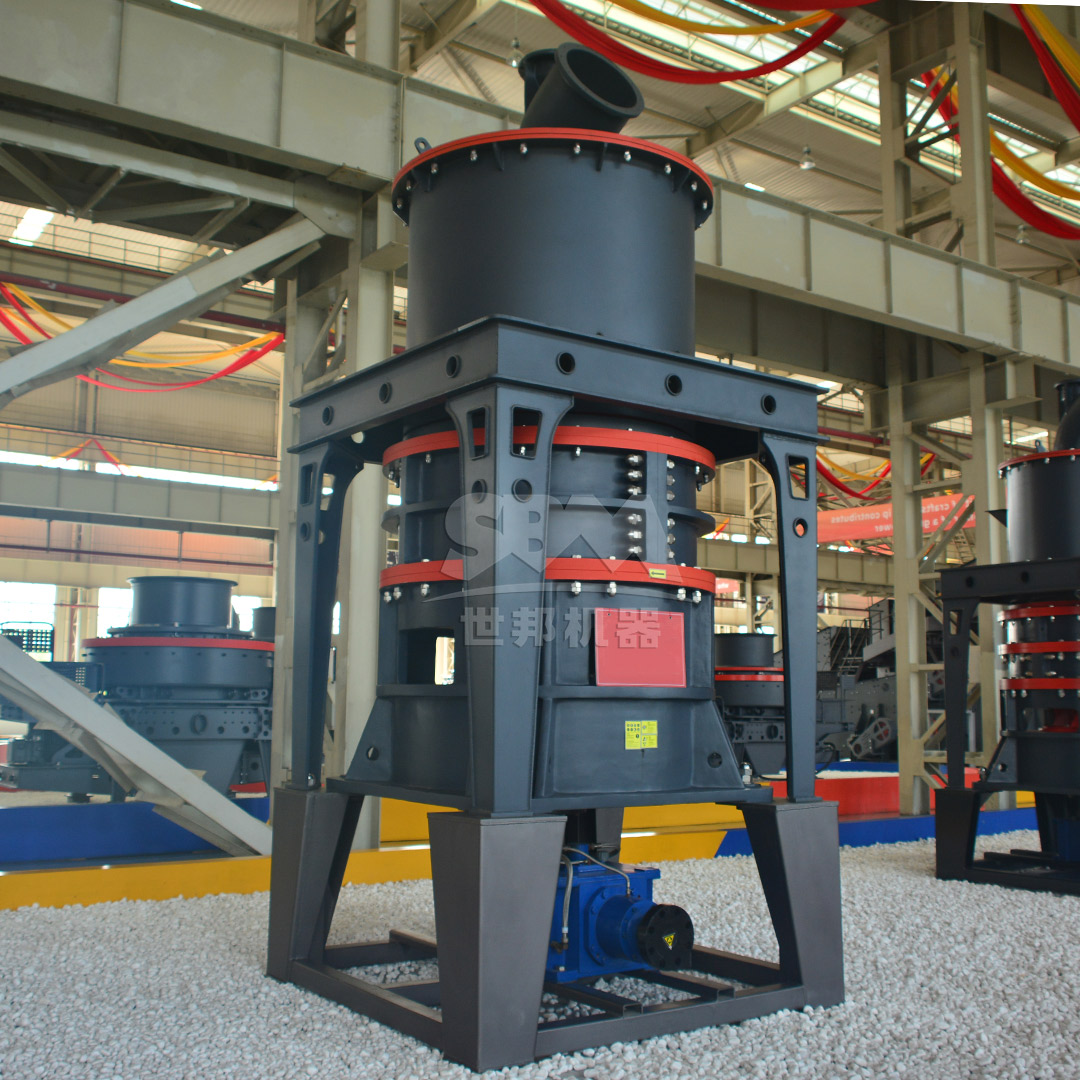
Technical Advantages for Ilmenite Processing:
- High Efficiency Operation: With capacity twice that of jet mills and 30% lower energy consumption, the SCM Ultrafine Mill significantly reduces operating costs while maintaining high throughput rates.
- Precision Classification: The vertical turbine classifier ensures accurate particle size切割 with no coarse powder contamination, delivering consistently uniform product quality essential for downstream separation processes.
- Enhanced Durability: Specially engineered roller and grinding ring materials provide extended service life—multiple times longer than conventional components—when processing abrasive ilmenite. The bearing-free screw grinding chamber design ensures stable operation under demanding conditions.
- Environmental Compliance: Pulse dust collection efficiency exceeds international standards, while the integrated soundproofing design maintains noise levels below 75dB, creating a safer working environment.
Operational Parameters:
- Feed Size: ≤20mm, compatible with typical crusher discharge from beneficiation circuits
- Product Fineness: 325-2500 mesh (D97≤5μm), covering the complete range required for ilmenite applications
- Capacity Range: 0.5-25 tons/hour across different models, providing scalability for various production requirements
The grinding mechanism employs a main motor driving multiple grinding rings in a layered configuration. Material is dispersed into the grinding path by centrifugal force, undergoing progressive compression grinding across multiple stages before final collection through cyclone separators and pulse dust removal systems.
Secondary Recommendation: MTW Series Trapezium Mill
For operations requiring coarser final products or handling larger feed sizes, the MTW Series Trapezium Mill offers a robust and efficient alternative. With capacity ranging from 3-45 tons/hour and the ability to process feed materials up to 50mm, this mill provides flexibility for diverse ilmenite processing scenarios.
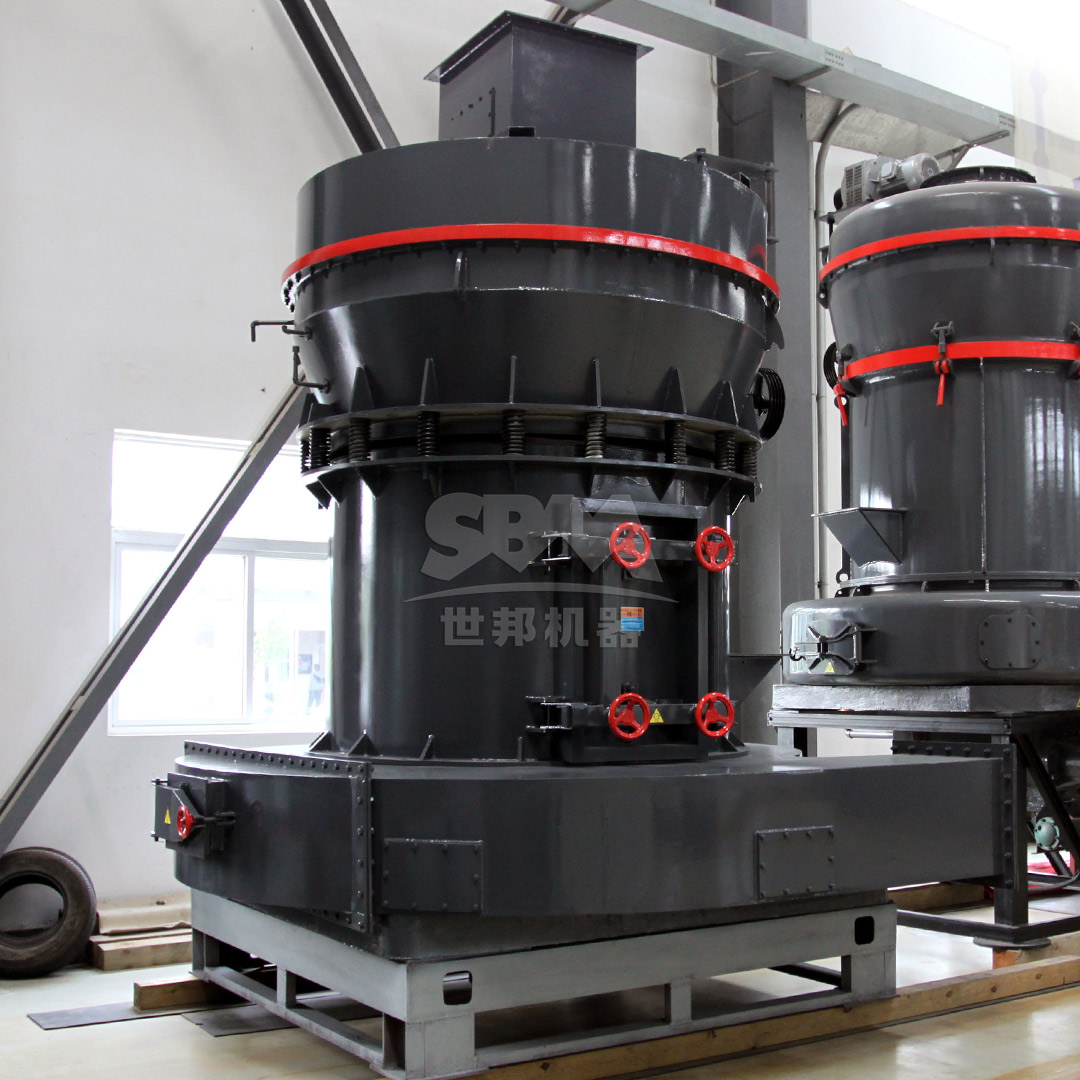
Technical Advantages for Ilmenite Processing:
- Advanced Wear Protection: Combined shovel blade design reduces maintenance costs while curved surface engineering extends roller service life when processing abrasive ilmenite.
- Optimized Air Flow: Curved air duct design minimizes energy losses with high-strength protective plates safeguarding critical wear surfaces.
- Efficient Transmission: Cone gear integrated transmission achieves 98% efficiency with space-saving design that reduces installation complexity and cost.
- Durable Housing: Wear-resistant蜗壳structure with non-clogging design enhances air classification efficiency while reducing maintenance requirements by 30%.
The operational principle involves the main motor driving grinding rollers in planetary motion around the central shaft while simultaneous rotation generates centrifugal force. Shovel blades propel material between grinding rings and rollers, creating a material bed that facilitates efficient compression grinding, with integrated classification systems ensuring precise control over final product size.
Case Study: Implementation in Ilmenite Processing Plant
A recent installation at a major titanium minerals processing facility demonstrates the effectiveness of the recommended technology. The plant was processing 15 tons/hour of sintered ilmenite with a target product size of 400 mesh (38μm). After comprehensive technical evaluation, an SCM1000 Ultrafine Mill was selected based on the following considerations:
Pre-Implementation Challenges:
- Existing ball mill circuit consuming 145 kWh/ton with inconsistent product quality
- High media consumption (0.8 kg steel/ton processed) due to abrasive nature of ilmenite
- Frequent maintenance downtime affecting overall plant availability
- Inability to consistently achieve target liberation size for downstream magnetic separation
Post-Implementation Results:
- Specific energy consumption reduced to 98 kWh/ton (32% reduction)
- Wear component life extended from 800 to 2,200 operating hours
- Plant availability increased from 85% to 94% through reduced maintenance requirements
- Downstream recovery improved by 3.2% due to more consistent particle size distribution
- Noise levels reduced from 105dB to 73dB, improving working conditions
Operational Best Practices
Feed Preparation
Optimal performance in ilmenite grinding requires careful attention to feed preparation:
- Maintain consistent feed size distribution through proper upstream crushing circuit operation
- Implement effective tramp metal removal to prevent damage to grinding components
- Monitor and control moisture content to optimize grinding efficiency
- Ensure steady feed rate through automated control systems to prevent mill overload
Maintenance Strategies
Proactive maintenance is essential for maximizing equipment life and minimizing operating costs:
- Implement regular inspection schedules for wear components based on operating hours
- Maintain adequate inventory of critical spare parts to minimize downtime
- Utilize predictive maintenance technologies to identify potential issues before failure
- Train operational staff in proper mill adjustment and troubleshooting procedures
Process Optimization
Continuous process improvement delivers significant economic benefits:
- Regular particle size analysis to optimize classifier operation
- Energy monitoring to identify efficiency improvement opportunities
- Systematic testing of grinding media configurations for specific ilmenite characteristics
- Integration with downstream processes to optimize overall circuit performance
Economic Analysis
The selection of appropriate grinding technology has substantial economic implications for ilmenite processing operations. A comparative analysis of operating costs demonstrates the advantages of modern grinding systems:
- Energy Costs: Advanced mills typically reduce specific energy consumption by 30-40% compared to conventional technologies
- Maintenance Costs: Improved wear resistance can reduce component replacement costs by 50-70%
- Labor Costs: Automated operation and reduced maintenance requirements decrease labor requirements by 25-40%
- Product Quality Benefits: Improved liberation and particle size control typically increase downstream recovery by 2-5%, significantly impacting overall project economics
Conclusion
Selecting the optimal grinding mill for sintered ilmenite processing after regrinding and beneficiation requires careful consideration of multiple technical and economic factors. While various technologies can be applied to this challenging application, modern ultrafine grinding systems such as the SCM Ultrafine Mill and MTW Series Trapezium Mill offer distinct advantages in terms of energy efficiency, wear resistance, particle size control, and operational reliability.
The specific characteristics of sintered ilmenite—particularly its hardness, abrasiveness, and target particle size requirements—make these technologies particularly suitable. Implementation experience demonstrates significant improvements in operating costs, product quality, and environmental performance compared to conventional grinding approaches.
As ilmenite processing continues to evolve toward finer liberation sizes and higher efficiency requirements, the selection of advanced grinding technology becomes increasingly critical to project economics. The recommended solutions provide a pathway to optimized performance in this demanding application, delivering tangible benefits throughout the mineral processing value chain.