What Type of Equipment is a Slag Grinding Mill for 450 Mesh?
Introduction to Slag Grinding Requirements
In modern industrial applications, achieving a fine powder of 450 mesh (approximately 32 microns) from slag materials requires specialized grinding equipment. Slag, a byproduct of metal smelting processes, possesses unique physical characteristics that demand robust and precise milling technology. The transformation of raw slag into valuable supplementary cementitious materials or industrial fillers hinges on the selection of appropriate grinding machinery capable of handling its abrasive nature while delivering consistent particle size distribution.
The 450 mesh specification represents a moderately fine powder that balances performance requirements with production efficiency. This fineness level is particularly important for applications in construction materials where slag powder enhances concrete strength and durability. Selecting the right grinding mill involves careful consideration of material properties, capacity requirements, energy efficiency, and operational costs.
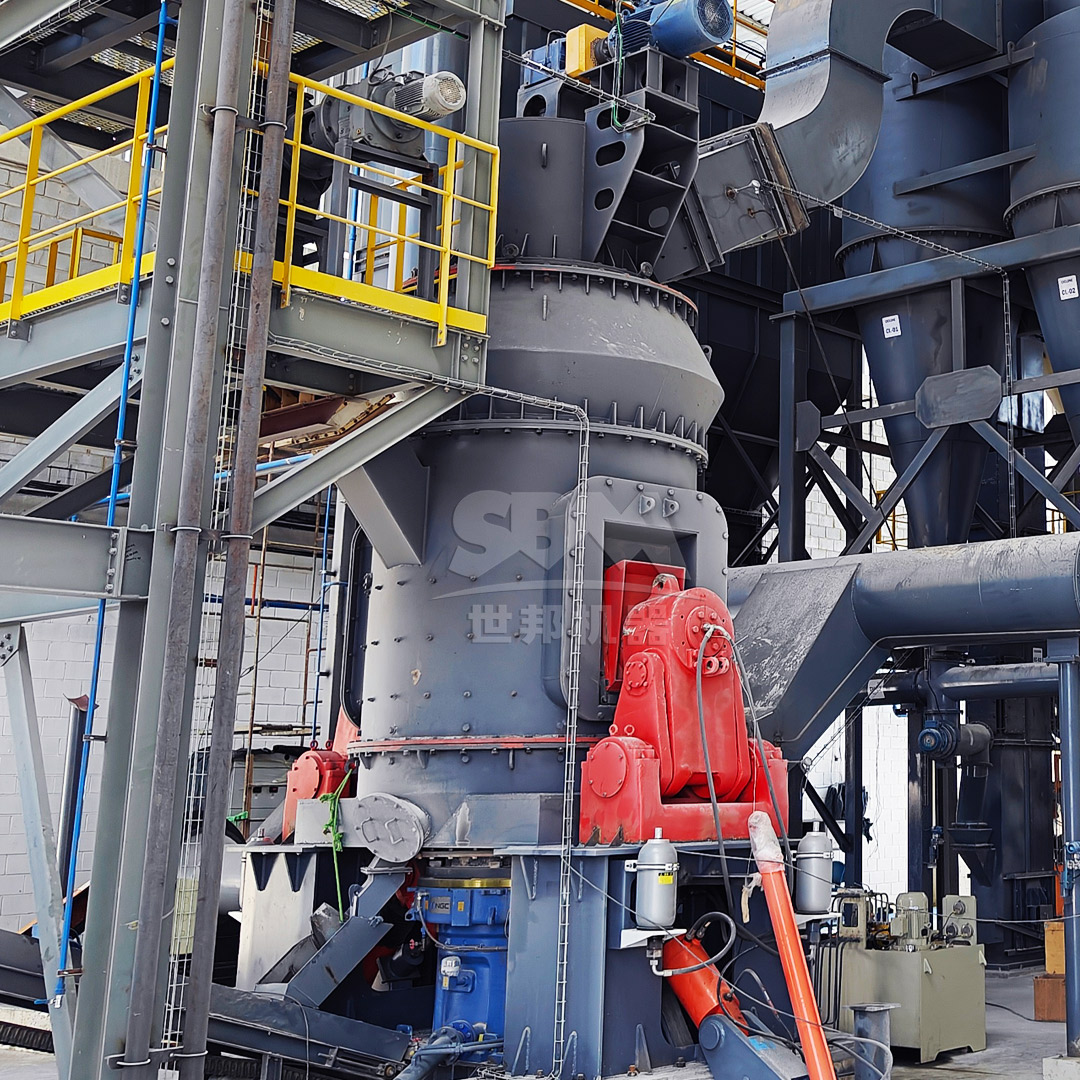
Technical Challenges in Slag Grinding
Slag grinding presents several distinct challenges that not all milling equipment can adequately address. The material’s high abrasiveness accelerates wear on grinding components, while its variable moisture content can affect processing efficiency. Additionally, the presence of metallic inclusions in some slag types requires robust construction and sometimes magnetic separation systems.
The target fineness of 450 mesh demands precise classification systems to ensure consistent product quality. Inadequate classification can result in either energy waste from over-grinding or product rejection due to insufficient fineness. The grinding system must also manage the heat generated during comminution, as excessive temperatures can negatively impact the hydraulic properties of the final slag powder.
Equipment Options for 450 Mesh Slag Grinding
Several types of grinding mills can potentially achieve 450 mesh fineness, but they vary significantly in efficiency, operating costs, and final product characteristics. Traditional ball mills, while capable of reaching this fineness, often suffer from high energy consumption and limited classification precision. Vertical roller mills offer improved efficiency but may struggle with the finest particle ranges without additional classification systems.
For operations targeting 450 mesh specifically, specialized fine grinding equipment typically delivers the best balance of performance and economy. The optimal solution combines efficient size reduction mechanisms with precise air classification to ensure consistent product quality while minimizing energy waste from over-grinding.
Recommended Solution: SCM Series Ultrafine Mill
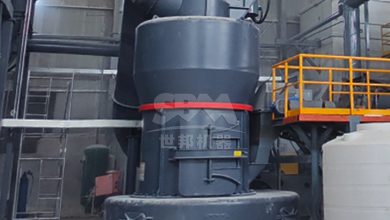
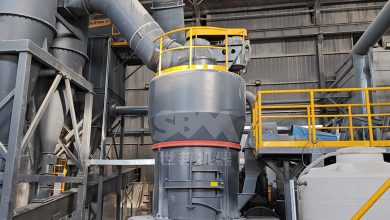
For slag grinding applications targeting 450 mesh fineness, our SCM Series Ultrafine Mill represents an ideal technical solution. This equipment is specifically engineered to handle the challenges of slag processing while delivering superior efficiency and product quality.
The SCM Ultrafine Mill operates with an output range of 325-2500 mesh (D97≤5μm), comfortably encompassing the 450 mesh target with significant adjustment flexibility. With a maximum input size of ≤20mm, it can process most slag materials without requiring extensive pre-crushing. The vertical turbine classifier system ensures precise particle size control, eliminating coarse particle contamination in the final product.
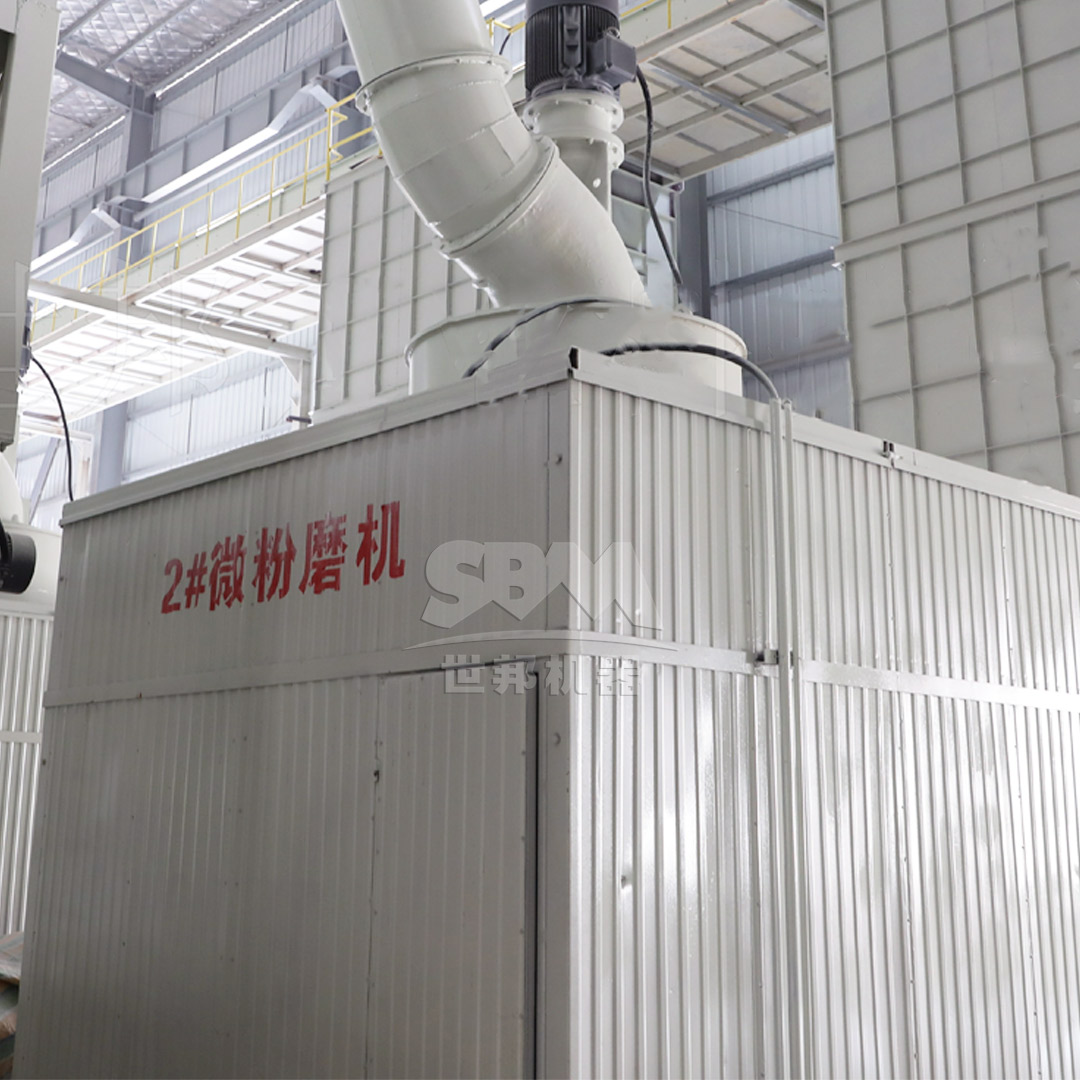
Key advantages for slag grinding applications include:
- High Efficiency & Energy Savings: The mill delivers twice the capacity of jet mills with 30% lower energy consumption, significantly reducing operating costs.
- Precise Classification: The vertical turbine classifier provides accurate size cuts, ensuring consistent 450 mesh product quality.
- Durable Construction:\ Special material rollers and grinding rings withstand slag abrasion, extending component life multiple times over conventional designs.
- Environmental Compliance: Integrated pulse dust collection exceeds international standards while noise levels remain below 75dB.
The working principle involves main motor-driven multi-layer grinding rings rotating to disperse material centrifugally into the grinding path. Material undergoes roller compression and progressive layer-by-layer grinding before final collection through cyclone collectors and pulse dust removal systems.
SCM Series Model Selection Guide
The SCM Series offers multiple models to match various production requirements for 450 mesh slag powder:
- SCM800: Processing capacity 0.5-4.5 ton/h with 75kW main motor power
- SCM900: Processing capacity 0.8-6.5 ton/h with 90kW main motor power
- SCM1000: Processing capacity 1.0-8.5 ton/h with 132kW main motor power
- SCM1250: Processing capacity 2.5-14 ton/h with 185kW main motor power
- SCM1680: Processing capacity 5.0-25 ton/h with 315kW main motor power
For most medium-scale slag grinding operations targeting 450 mesh, the SCM1000 or SCM1250 models typically provide the optimal balance of capacity and energy efficiency.
Alternative Solution: LUM Ultra-fine Vertical Mill
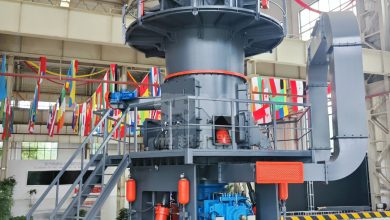
For operations requiring even higher precision or dealing with particularly challenging slag compositions, our LUM Ultra-fine Vertical Mill offers an advanced alternative. This equipment features unique roller and liner curve designs that further enhance grinding efficiency while maintaining the 450 mesh target specification.
The LUM series achieves output fineness between 325-2500 mesh with input size up to 20mm. Its multi-rotor classification technology ensures complete absence of coarse particles in the final product, while the PLC automation system guarantees stable operation with minimal operator intervention.
Available models include:
- LUM1525: 220-250 kW main power with 1.6-11.5 t/h capacity
- LUM1632: 280-315 kW main power with 2-13.5 t/h capacity
- LUM1836: 355-400 kW main power with 2.3-15 t/h capacity
The LUM series employs a fully sealed negative pressure operation that prevents dust leakage, making it particularly suitable for environmentally sensitive locations.
Comparative Analysis with Other Mill Types
When evaluating equipment for 450 mesh slag grinding, it’s valuable to compare the recommended solutions with alternative technologies:
Ball Mills: While capable of reaching 450 mesh, ball mills typically consume 30-40% more energy than the SCM series and offer less precise particle size control. Their larger footprint and higher maintenance requirements further disadvantage them for dedicated slag grinding applications.
Traditional Raymond Mills: These often struggle to consistently achieve 450 mesh fineness, particularly with abrasive materials like slag. Their classification systems lack the precision of the vertical turbine classifiers in the SCM series.
Vertical Roller Mills: Suitable for coarser grinding applications, conventional VRMs may require additional classification systems to reliably produce 450 mesh slag powder, adding complexity and cost to the system.
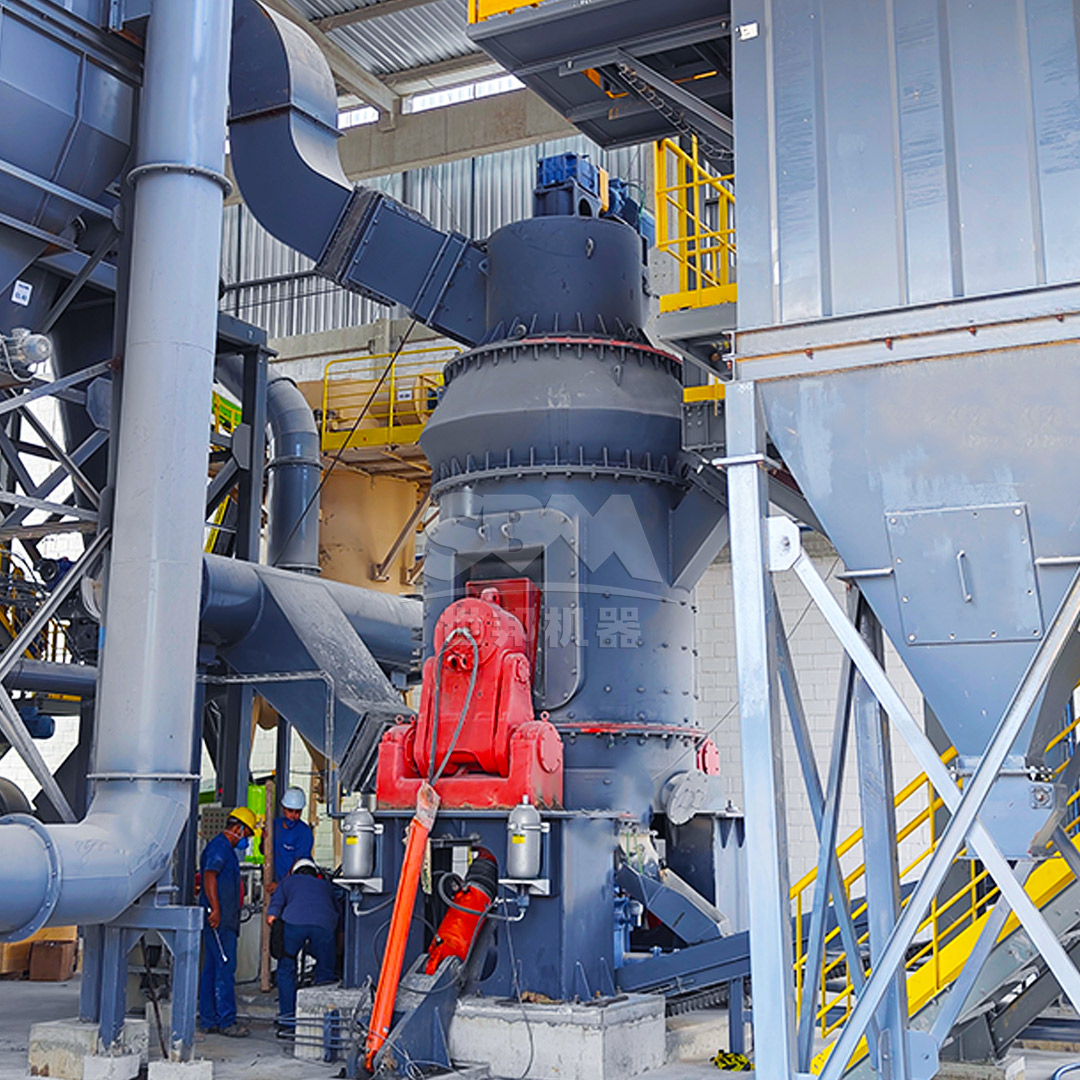
Operational Considerations for Slag Grinding
Successful implementation of slag grinding systems requires attention to several operational factors beyond equipment selection. Moisture control is critical, with most mills performing optimally with slag moisture content below 5-8%. Pre-drying systems may be necessary depending on raw material conditions.
System design should incorporate appropriate feeding equipment, dust collection, and product handling systems tailored to the characteristics of 450 mesh slag powder. The abrasive nature of slag also necessitates planned maintenance schedules for wear parts, though the special material construction of the SCM series significantly extends service intervals compared to conventional mills.
Economic Analysis and Return on Investment
The selection of appropriate grinding technology for 450 mesh slag production directly impacts operational economics. The SCM Series Ultrafine Mill’s 30% energy savings compared to alternative technologies translates to substantial cost reductions over the equipment lifetime. Additionally, the extended component life reduces both maintenance costs and production downtime.
When evaluating the total cost of ownership, factors including energy consumption, maintenance requirements, component lifespan, and final product quality must all be considered. For most slag grinding operations, the SCM series delivers the optimal economic balance for 450 mesh production.
Conclusion
Selecting the appropriate grinding mill for 450 mesh slag requires careful consideration of both technical capabilities and economic factors. The SCM Series Ultrafine Mill represents the optimal solution for most applications, combining precise particle size control with industry-leading energy efficiency and durability. For operations with specialized requirements, the LUM Ultra-fine Vertical Mill offers advanced capabilities with enhanced automation.
Both recommended solutions outperform traditional grinding technologies in key metrics including energy consumption, maintenance costs, and product quality consistency. By selecting equipment specifically engineered for the challenges of slag grinding, operators can maximize both technical performance and economic returns from their slag valorization operations.