What Materials Can Be Processed by Ore Ultrafine Grinding Mill Equipment?
Introduction: The Expanding Universe of Ultrafine Powder Applications
The demand for ultrafine powders has surged across a diverse range of industries, from advanced ceramics and high-performance coatings to pharmaceuticals and functional fillers. This growth is intrinsically linked to the capabilities of modern ore ultrafine grinding mill equipment. These sophisticated machines are no longer limited to traditional mineral processing but have evolved to handle a vast spectrum of materials, transforming them into high-value, micron and sub-micron sized products. The key to this versatility lies in the advanced engineering of mills that can precisely control particle size distribution, minimize contamination, and operate efficiently on materials with varying hardness, abrasiveness, and chemical properties.
Broad Categories of Processable Materials
1. Non-Metallic Minerals
This is the most traditional and extensive category for ultrafine grinding. The fineness and whiteness achieved directly impact the product’s value in downstream applications.
- Calcium Carbonate (GCC & PCC): The workhorse of the filler industry. Ultrafine grinding to 1250 mesh (D97≤10μm) or finer enhances its opacity, brightness, and reinforcement properties in plastics, paper, paints, and sealants.
- Kaolin (Clay): Processing kaolin to ultrafine levels improves its aspect ratio, whiteness, and rheological properties, making it essential for high-quality paper coating, ceramics, and as a functional extender.
- Talc: Ultrafine talc powder is prized for its lamellar structure, providing lubricity, stiffness, and heat resistance in polymers, cosmetics, and paints.
- Quartz/Silica: Ground to micron sizes, it serves as a key raw material for high-purity quartz glass, electronics, ceramics, and as a durable filler.
- Barite: Ultrafine barite is crucial for high-density drilling fluids in the oil & gas industry. Its fineness ensures stable suspension and effective pressure control.
- Wollastonite: Needle-like ultrafine wollastonite acts as a reinforcing agent in plastics and ceramics, improving mechanical strength and thermal stability.

2. Industrial Minerals and By-products
Grinding mills play a vital role in adding value to industrial minerals and recycling by-products.
- Blast Furnace Slag/Granulated Slag: Ultrafine grinding of slag to a high Blaine fineness (e.g., >420 m²/kg) activates its latent hydraulic properties, producing premium supplementary cementitious material (SCM) that enhances concrete durability and reduces its carbon footprint.
- Fly Ash: Similar to slag, classifying and fine-grinding fly ash improves its pozzolanic activity, making it a more effective and consistent cement replacement.
- Gypsum: Fine grinding of natural or FGD gypsum is essential for controlling the setting time and strength development in plaster and cement products.
- Graphite: Achieving ultrafine flake size is critical for battery anode materials, lubricants, and conductive coatings. The grinding process must preserve the flake structure.
3. Metal Ores and Concentrates
Beyond initial liberation, ultrafine grinding is often a prerequisite for advanced processing and extraction.
- Iron Ore: Ultrafine grinding can be used to produce super-concentrates or for pellet feed preparation, improving subsequent metallurgical processes.
- Gold Ore: Regrinding of concentrates to very fine sizes (P80 below 25μm) is standard practice to maximize gold liberation for cyanidation or flotation, directly improving recovery rates.
- Copper, Lead-Zinc, and Molybdenum Concentrates: Ultrafine grinding enhances the surface area for chemical leaching processes (like hydrometallurgy) or improves the selectivity and kinetics of flotation for complex ores.
- Rare Earth Elements: The beneficiation of REE-bearing minerals often requires grinding to ultrafine sizes to liberate the valuable minerals from the complex host rock.
4. Chemical and Specialized Materials
This category tests the limits of grinding technology, requiring purity, precise size cuts, and sometimes inert atmospheres.
- Zircon Sand: Ground zirconium silicate is used in refractories, ceramics, and foundry sands. Consistent ultrafine grades are essential.
- Alumina & Aluminum Hydroxide: Key materials for ceramics, abrasives, and flame retardants. Particle size distribution critically affects sintering behavior and performance.
- Lithium Compounds (e.g., Spodumene): Fine grinding is a key step in the extraction process for lithium from hard rock minerals.
- Pigments (Inorganic): Iron oxides, titanium dioxide, and others require ultrafine grinding to develop optimal color strength, opacity, and dispersion in coatings and plastics.
- Specialty Ceramic Precursors: Materials like zirconia, silicon carbide, and boron nitride are ground to sub-micron powders for advanced technical ceramics.
Critical Equipment Considerations for Diverse Materials
Not all grinding mills are created equal. Selecting the right equipment depends on the material’s characteristics and the desired product specs.
- Hardness & Abrasiveness (e.g., Quartz, Zircon): Demands mills with extremely wear-resistant grinding components (high-chrome alloys, ceramic linings) and robust design to maintain performance over time.
- Heat Sensitivity (e.g., Sulfur, Certain Plastics): Requires mills with effective cooling systems, such as integrated air classifiers that use large volumes of ambient or chilled air to remove heat from the grinding zone.
- Purity & Contamination Control (e.g., Battery Materials, High-purity Quartz): Necessitates mills where the grinding media and liners are made of the same material as the product (autogenous grinding) or from specialized ceramics to avoid iron contamination. Sealed, easy-to-clean designs are paramount.
- Fibrous or Flaky Structure (e.g., Wollastonite, Graphite, Mica): Calls for mills that apply shear and attrition forces rather than pure impact to delaminate and reduce particle size while preserving the desirable shape.
- Sticky or Moist Materials (e.g., Certain Clays): May require pre-drying, or the use of mills with positive airflow and anti-clogging designs in the feed and classification sections.
Spotlight on Advanced Grinding Solutions: SCM Ultrafine Mill
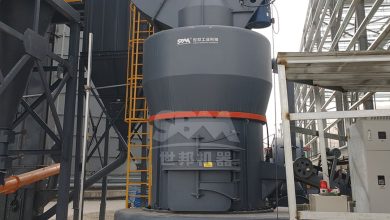
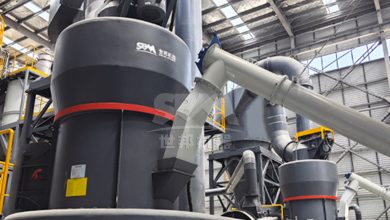
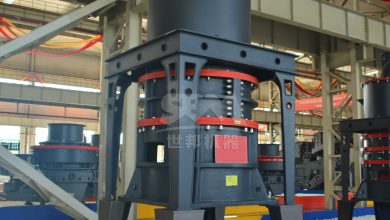
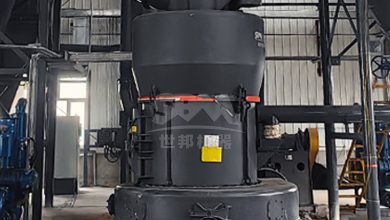
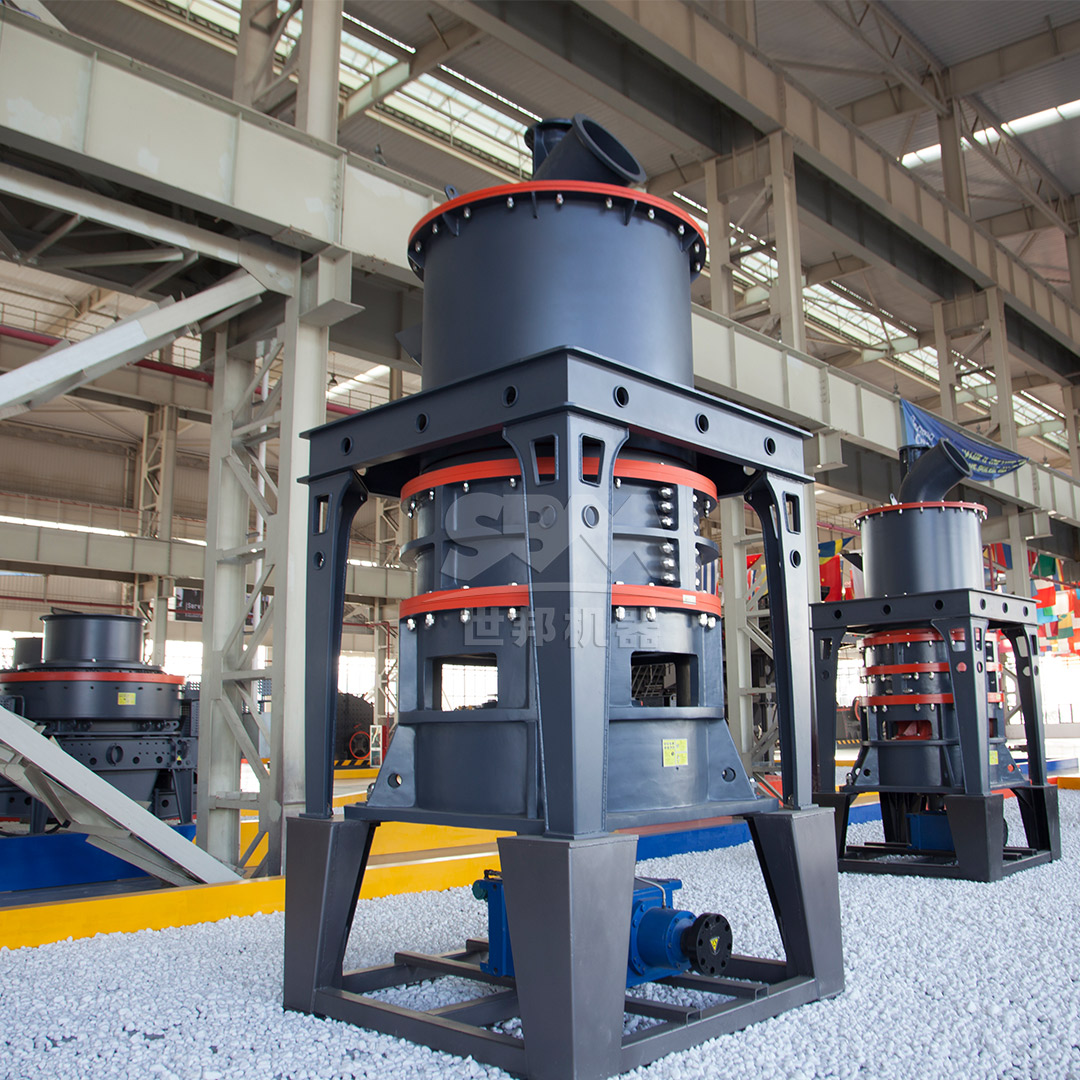
For applications demanding the highest fineness levels—from 325 mesh down to an impressive 2500 mesh (D97 ≤ 5μm)—the SCM Ultrafine Mill series represents a technological pinnacle. This equipment is engineered specifically for the challenges of producing consistent, top-tier ultrafine powders.
Its vertical turbine classification system is a cornerstone of its performance, enabling precise particle size cuts and ensuring no coarse particles contaminate the final product. The grinding mechanism, utilizing a multi-layer grinding ring and roller system, applies steady centrifugal force for efficient comminution. Furthermore, its high-efficiency, pulse-jet dust collector not only meets stringent international environmental standards but also ensures maximum product yield. With models like the SCM1250 offering capacities from 2.5 to 14 tons per hour and the large-scale SCM1680 handling up to 25 t/h, this series provides a scalable solution for high-volume production of premium ultrafine powders for industries such as paints, plastics, and advanced ceramics.

Conclusion
The scope of materials processable by modern ore ultrafine grinding mills is vast and continually expanding. From foundational non-metallic minerals to cutting-edge battery materials, the capability to reliably produce powders with tightly controlled particle sizes unlocks new functionalities and economic value. Success hinges on matching the material’s physical and chemical properties with the appropriate grinding technology—considering factors like hardness, heat sensitivity, and required purity. Advanced mills, such as the SCM Ultrafine Mill series, with their precision classification, robust construction, and integrated collection systems, are at the forefront of enabling this diverse and demanding industrial landscape, turning raw ores and minerals into the essential fine powders that drive innovation across countless sectors.