What Machine is Used for Titanium Dioxide Grinding?
Introduction: The Critical Role of Grinding in TiO2 Production
Titanium dioxide (TiO2), a vital white pigment renowned for its exceptional opacity, brightness, and high refractive index, is indispensable across industries such as paints, coatings, plastics, paper, and cosmetics. The final quality, performance, and economic value of TiO2 are profoundly influenced by its particle size distribution, morphology, and purity. Consequently, the grinding process is not merely a size reduction step but a critical technological operation that defines the product’s key characteristics. Selecting the appropriate grinding equipment is paramount for achieving the desired fineness, narrow particle size distribution, high throughput, and energy efficiency while maintaining product integrity.
This article delves into the machinery landscape for titanium dioxide grinding, analyzing various technologies and their suitability for different production scales and target specifications. We will explore the technical requirements, operational principles, and comparative advantages of leading grinding solutions.
Understanding Titanium Dioxide Grinding Requirements
Before selecting equipment, it is essential to define the process goals. TiO2 grinding typically aims for:
- Ultra-fine Fineness: For high-grade applications, a final particle size (D97) of less than 5μm (approx. 2500 mesh) or even sub-micron levels is often required to maximize scattering efficiency and opacity.
- Narrow Particle Size Distribution: A uniform particle size ensures consistent color strength, gloss, and dispersion stability.
- Contamination Control: The grinding process must prevent the introduction of metallic or other impurities that could discolor the brilliant white pigment or affect its chemical stability.
- High Throughput with Low Energy Consumption: TiO2 is a high-volume commodity; thus, equipment must offer large capacity with optimized specific energy consumption (kWh/ton).
- System Integration & Environmental Compliance: Modern plants require closed-loop systems with efficient dust collection, low noise emission, and minimal environmental footprint.
Overview of Grinding Technologies for Titanium Dioxide
Several grinding technologies are employed in the mineral processing industry, each with distinct mechanisms and output ranges.
1. Ball Mills
Traditional ball mills operate on the principle of impact and attrition as grinding media (steel balls) cascade inside a rotating cylinder. While capable of handling large feed sizes and high capacities, they are generally less efficient for achieving ultra-fine finishes (<10μm) due to limitations in classification control. Energy consumption is relatively high, and the potential for media wear and contamination is a concern for high-purity TiO2.
2. Raymond Mills (Pendulum Roller Mills)
These mills use spring-loaded rollers that rotate against a stationary ring to crush and grind material fed by a central shovel. Technologies like the MTW Series Trapezium Mill represent an advanced evolution of this concept. With features such as curved air ducts for reduced flow resistance, bevel gear overall transmission for 98% efficiency, and wear-resistant components, they offer improved efficiency for medium-fine grinding (30-325 mesh/0.6-0.045mm). They are well-suited for preliminary or mid-range TiO2 grinding where the target is not in the ultra-fine spectrum.
3. Vertical Roller Mills (VRM)
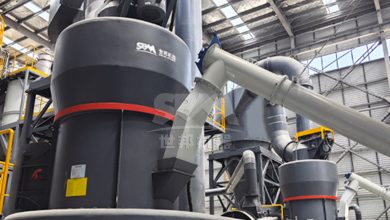
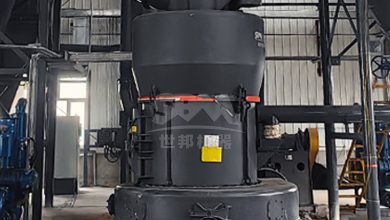
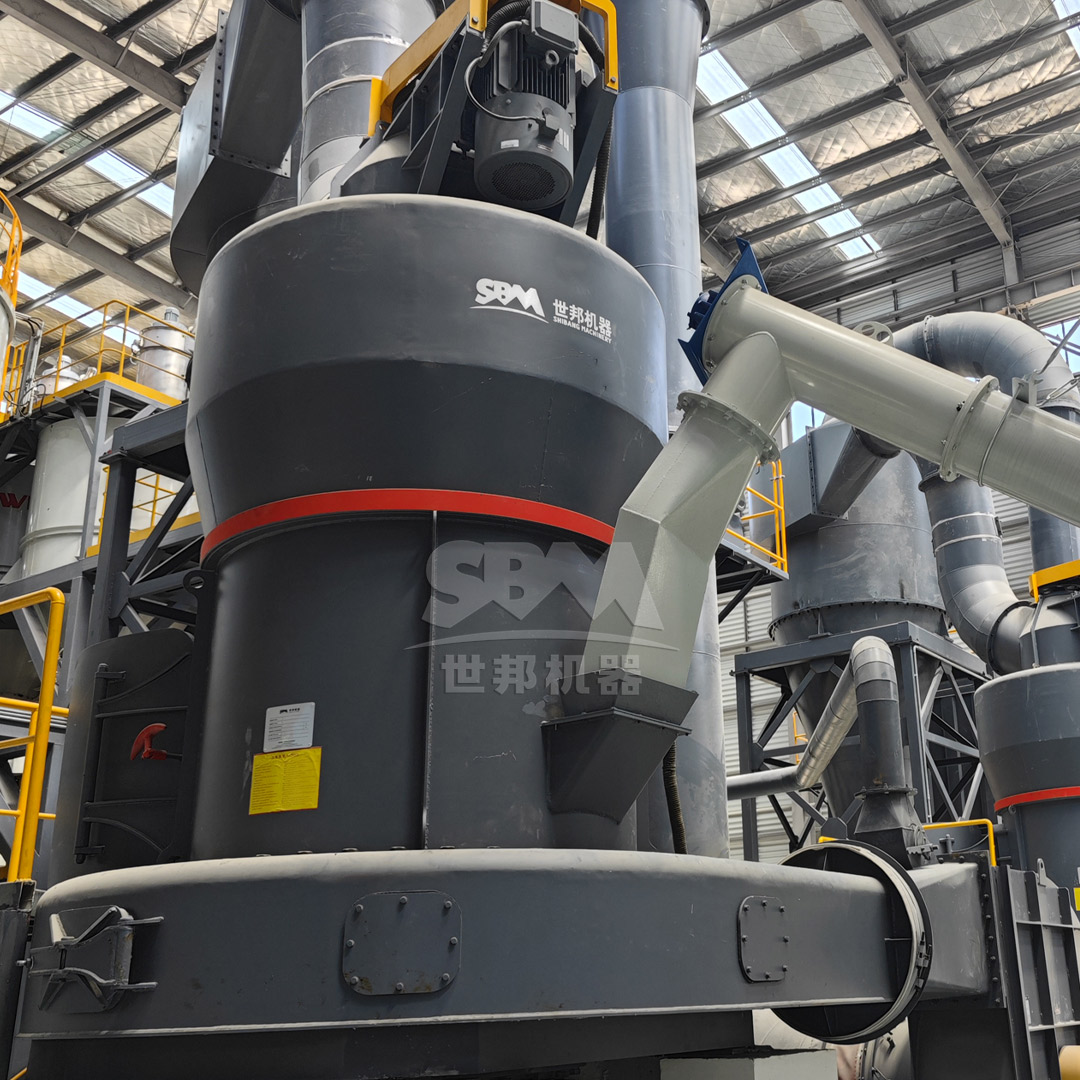
VRMs, such as the LM Series Vertical Roller Mill, have become a mainstream choice for large-scale mineral grinding. Material is fed onto a rotating grinding table and crushed under rollers pressed against the table. A key advantage is their integrated drying, grinding, and classification within a single compact unit. They offer significant energy savings (30-40% less than ball mills), lower wear rates, and excellent environmental performance with full negative pressure operation. They are highly effective for producing TiO2 in the range of 30-325 mesh and, with specialized configurations like the LMX series, can reach up to 600 mesh.
4. Jet Mills (Fluid Energy Mills)
Jet mills use high-speed jets of compressed air or steam to accelerate particles, causing them to collide and fracture. This method produces very fine, contamination-free powder with a narrow size distribution, as it involves no moving parts or media. However, jet mills have high energy consumption and relatively low capacity, making them more suitable for high-value, small-batch specialty TiO2 products rather than bulk commodity production.
The Optimal Choice for Ultra-fine Titanium Dioxide Grinding
For modern, large-scale production of high-quality titanium dioxide requiring fineness from 325 to 2500 mesh (45-5μm), Ultrafine Grinding Mills represent the state-of-the-art technology. These mills combine mechanical grinding forces with highly precise air classification to achieve unparalleled control over the final product.
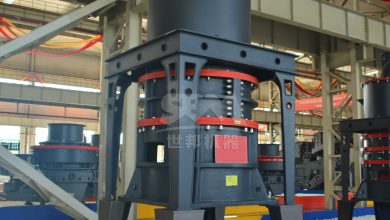
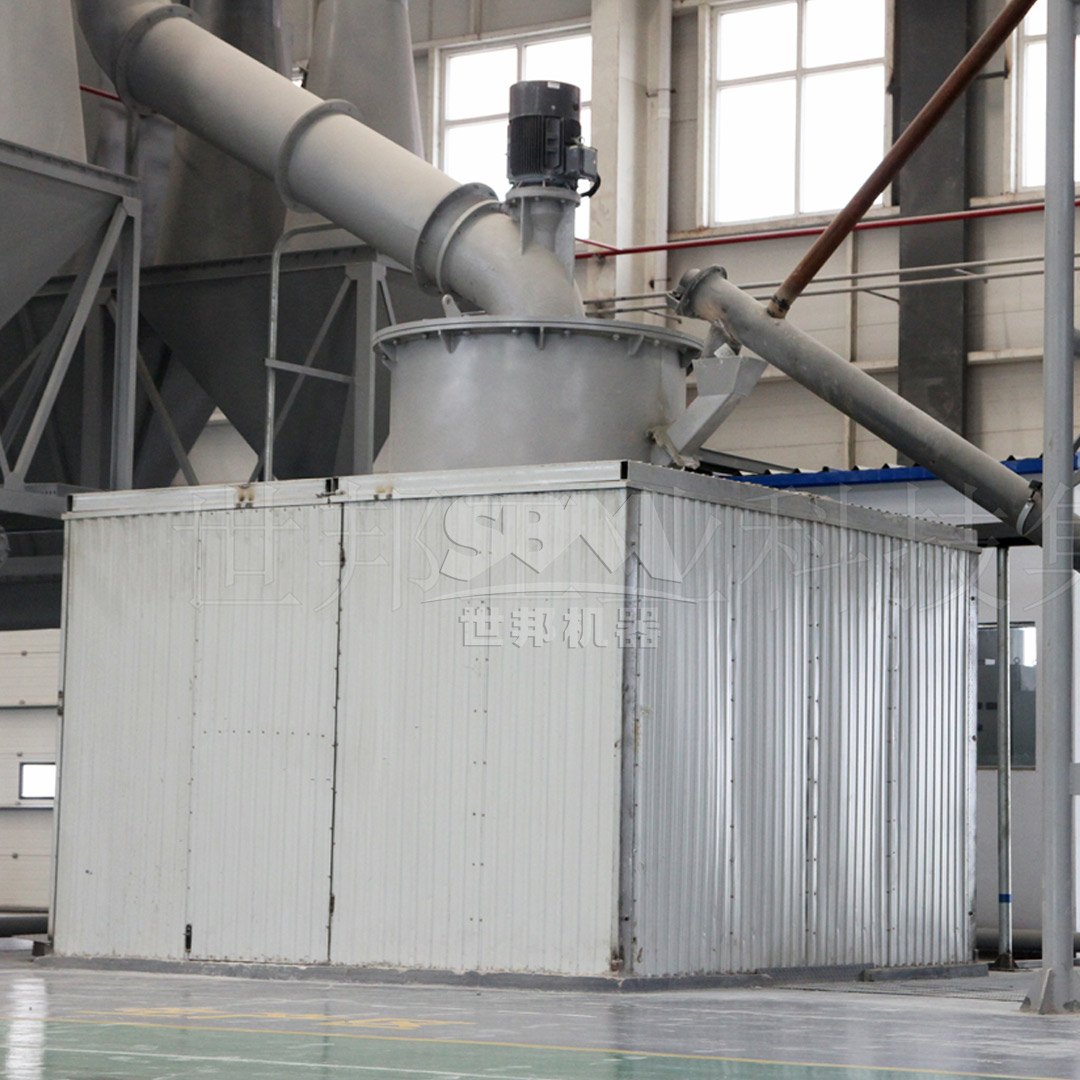
Among the leading solutions in this category is our SCM Series Ultrafine Mill. Engineered specifically for processing hard, brittle, and ultra-fine materials like TiO2, it sets a new benchmark for efficiency and precision.
Why the SCM Ultrafine Mill is Ideal for TiO2
- Superior Fineness and Uniformity: The mill’s core strength lies in its integrated high-precision vertical turbine classifier. This system ensures precise “cut-size” control, delivering a consistent product with a narrow particle size distribution (D97 ≤ 5μm) and virtually no coarse particle contamination. This is critical for achieving the optimal light-scattering properties of TiO2.
- High Efficiency and Energy Savings: Compared to traditional jet mills, the SCM Ultrafine Mill can achieve double the production capacity while reducing energy consumption by approximately 30%. Its intelligent control system automatically monitors and adjusts operational parameters based on real-time feedback of product fineness, ensuring optimal performance.
- Exceptional Durability and Purity: Critical wear parts like grinding rollers and rings are manufactured from special alloy materials, extending service life several times over. The innovative bearing-less screw design in the grinding chamber enhances operational stability and minimizes potential contamination sources, preserving the purity of the white pigment.
- Comprehensive Environmental Design: The system incorporates a high-efficiency pulse dust collector that exceeds international emission standards, ensuring a clean workshop. Furthermore, soundproofing measures keep operational noise levels below 75dB, contributing to a better working environment.
Technical Specifications and Model Selection
The SCM Series offers a range of models to match various production needs:
- SCM800: Capacity 0.5-4.5 t/h, Main Motor Power 75 kW
- SCM900: Capacity 0.8-6.5 t/h, Main Motor Power 90 kW
- SCM1000: Capacity 1.0-8.5 t/h, Main Motor Power 132 kW
- SCM1250: Capacity 2.5-14 t/h, Main Motor Power 185 kW
- SCM1680: Capacity 5.0-25 t/h, Main Motor Power 315 kW
All models accept feed material up to 20mm and produce powder in the range of 325-2500 mesh. This scalability allows TiO2 producers to select the perfect unit for pilot plants or full-scale industrial lines.
Integrated System Considerations
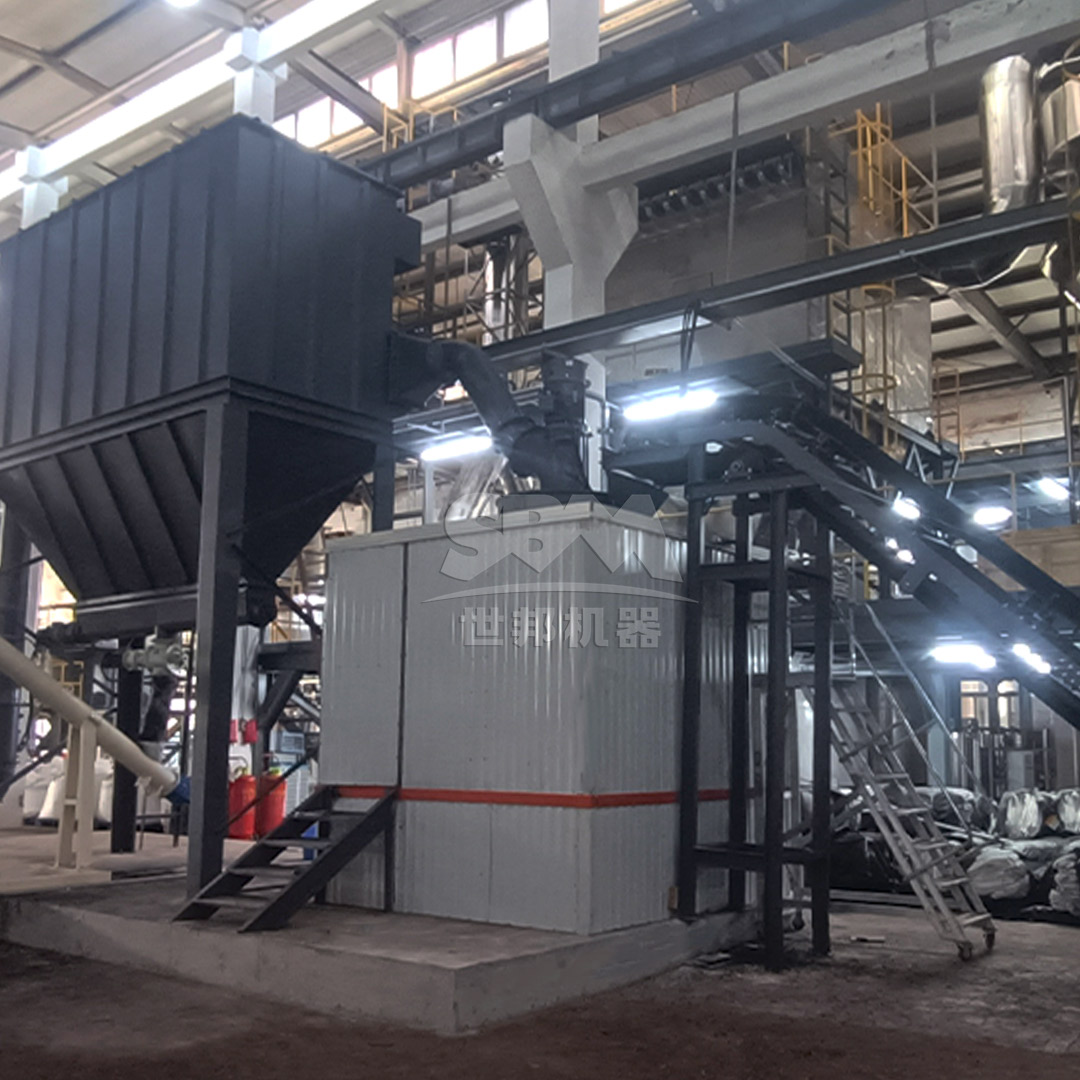
A complete TiO2 grinding line involves more than just the mill. A holistic approach includes:
- Feeding System: A stable and controllable feeder (e.g., vibrating or screw feeder) to ensure consistent feed rate into the mill.
- Grinding & Classification Core: The SCM Ultrafine Mill, which integrates grinding and classification.
- Product Collection: A high-efficiency cyclone separator paired with a pulse-jet baghouse filter to collect the final product and ensure emissions compliance.
- Process Control: An advanced PLC-based control system to automate operation, monitor key parameters (pressure, temperature, motor load), and maintain consistent product quality.
Conclusion
The selection of grinding equipment for titanium dioxide is a decisive factor in determining product quality, operational cost, and plant profitability. While various technologies have their place, the demand for ultra-fine, high-brightness TiO2 with efficient, large-scale production strongly favors advanced ultrafine grinding mills.
Our SCM Series Ultrafine Mill stands out as a premier solution, offering an optimal blend of ultra-fine grinding capability, precise classification, remarkable energy efficiency, and robust, low-maintenance design. For producers aiming to excel in the competitive TiO2 market by delivering superior pigment performance while controlling operational expenses, investing in this technology provides a clear and sustainable advantage. By partnering with experienced equipment suppliers who understand the nuanced requirements of pigment processing, manufacturers can build grinding systems that are not only productive but also future-proof.