What is White Pumice Stone Used For? Industrial and Commercial Applications
Introduction: The Versatile Volcanic Material
White pumice stone, a highly porous and lightweight volcanic rock formed during explosive eruptions, is a material of immense industrial and commercial value. Its unique cellular structure, characterized by countless tiny air bubbles trapped within a glassy matrix, grants it a suite of exceptional properties: extreme lightness, high surface area, excellent abrasiveness, thermal and acoustic insulation capabilities, and chemical inertness. These properties make it far more than a simple cosmetic exfoliant; it is a critical raw material across numerous sectors. This article delves into the extensive applications of white pumice, from construction and filtration to advanced manufacturing, and highlights the specialized grinding technology required to unlock its full potential.
1. Construction and Building Materials
The construction industry is one of the largest consumers of processed white pumice. Its applications here are diverse and leverage its physical properties to enhance building performance.
1.1 Lightweight Aggregates
Crushed and graded white pumice is used as a lightweight aggregate in concrete blocks, panels, and structural concrete. It significantly reduces the dead load of structures, allowing for slimmer designs, reduced foundation costs, and improved seismic resistance. Pumice concrete also offers superior thermal insulation compared to traditional concrete.
1.2 Plasters and Renders
Finely ground white pumice is a key ingredient in specialty plasters and renders. It improves workability, reduces cracking, and enhances the thermal and acoustic insulation properties of the finished wall coating. Its natural white color also provides a bright base for paints and finishes.
1.3 Abrasive Blasting Media
Processed into specific grit sizes, white pumice serves as an effective, eco-friendly abrasive for surface preparation. It is softer than sand or slag, making it ideal for delicate operations like cleaning historical stonework, deburring metal parts, and preparing surfaces for coating without damaging the substrate.
2. Filtration and Purification
The highly porous nature of white pumice makes it an excellent filtration medium. Its intricate network of vesicles provides a vast surface area for the physical trapping of particles and the biological colonization of beneficial microbes.
2.1 Water and Wastewater Treatment
In municipal and industrial water treatment plants, pumice granules are used in multi-media filters to remove suspended solids. Its porosity also supports biofilm growth in biological filtration systems for breaking down organic pollutants.
2.2 Agricultural and Horticultural Applications
In soilless growing media and hydroponics, crushed pumice improves aeration and drainage while retaining moisture and nutrients. It is chemically inert and provides an ideal root environment. Similarly, in landscape filtration systems, it helps manage stormwater runoff.
3. Industrial Manufacturing and Processing
Beyond construction, white pumice finds critical roles in various manufacturing processes.
3.1 Stonewashing and Textile Finishing
The textile industry uses tumbled pumice stones of specific sizes in industrial washing machines to stonewash denim and other fabrics, creating a desired softness and worn appearance.
3.2 Polishing and Finishing Compounds
Ultra-fine white pumice powder is a component in polishing compounds for metals, glass, and optical lenses. Its controlled hardness allows for a fine finish without deep scratching.
3.3 Catalyst Supports and Functional Fillers
In chemical engineering, the high surface area and stability of processed pumice make it suitable as a low-cost support material for catalysts. As a filler in plastics, paints, and rubber, it can reduce weight and modify rheological properties.
4. The Critical Role of Precision Grinding Technology
The value of white pumice is directly tied to its particle size distribution (PSD). Different applications demand specific fineness, from coarse aggregates (several millimeters) to ultrafine powders (a few microns). Achieving consistent, high-volume production of these specified grades requires advanced milling equipment. Inefficient grinding leads to high energy costs, poor product quality, and excessive wear on machinery.
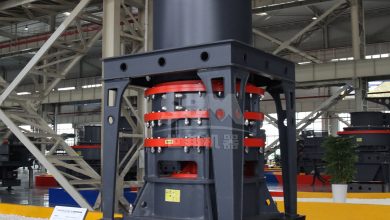
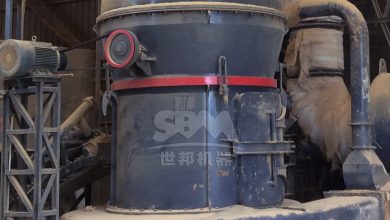
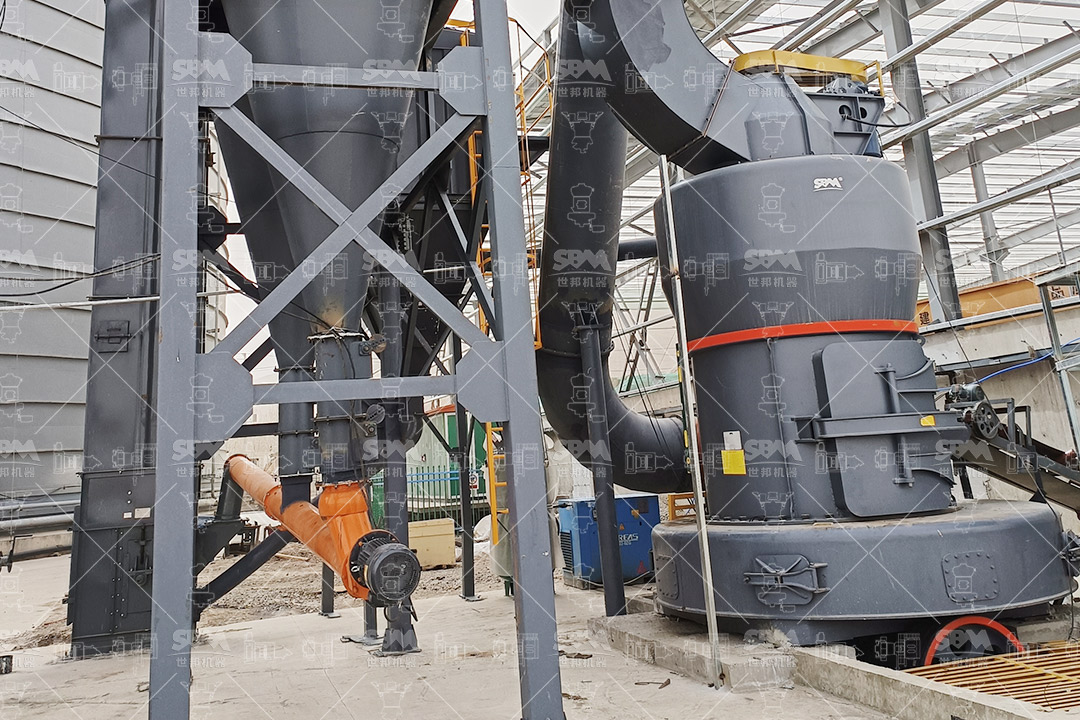
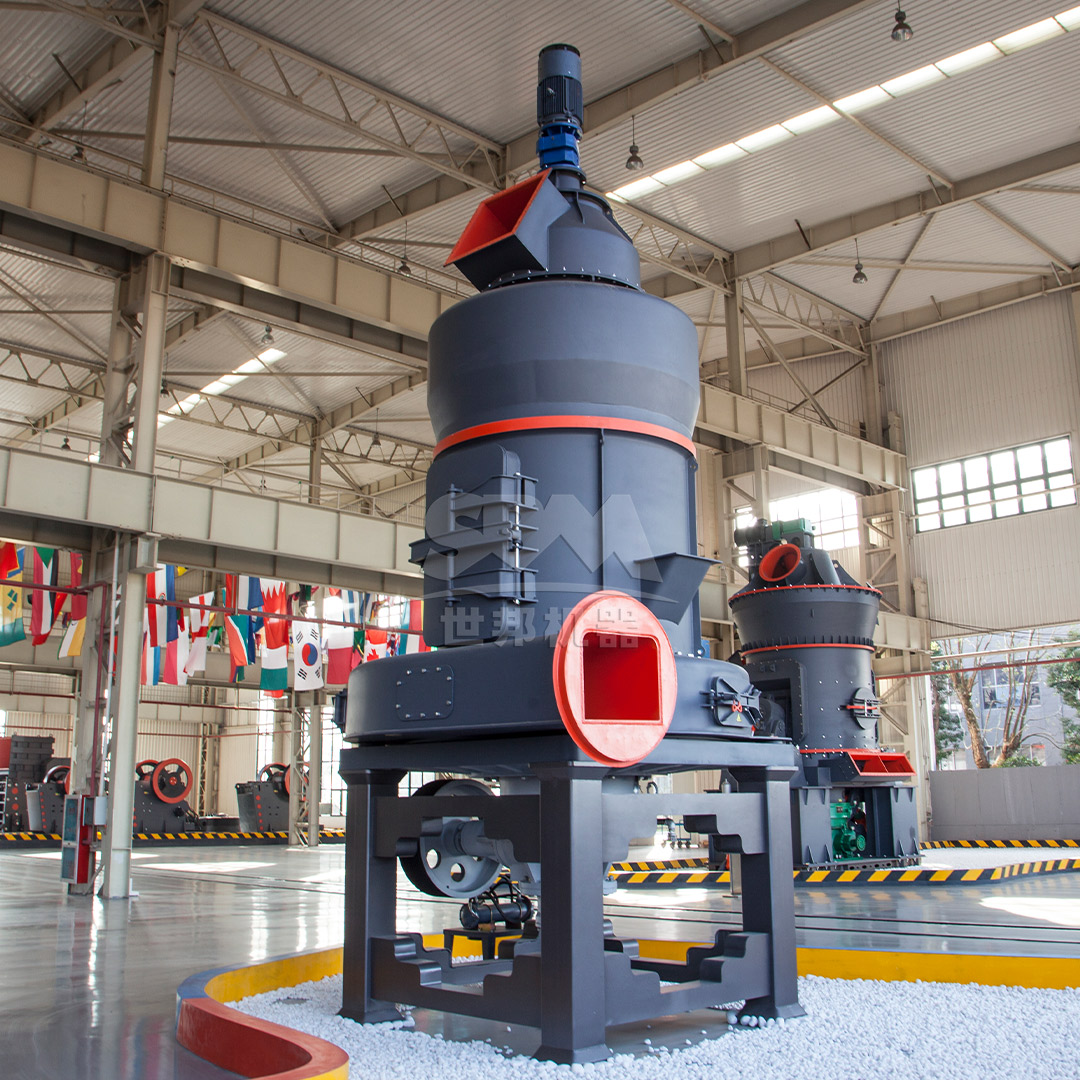
For coarse to medium-fine grinding of white pumice (output range of 30-325 mesh / 600-45μm), such as for aggregates or filtration media, the MTW Series European Trapezium Mill is an industry-leading solution. Its robust design, featuring anti-wear shovel blades and an optimized arc air duct, ensures high throughput and low maintenance costs. The integral bevel gear drive offers transmission efficiency up to 98%, translating to significant energy savings for large-scale processing operations. With models like the MTW215G capable of handling up to 45 tons per hour, it is perfectly suited for primary and secondary grinding stages where high capacity and reliability are paramount.
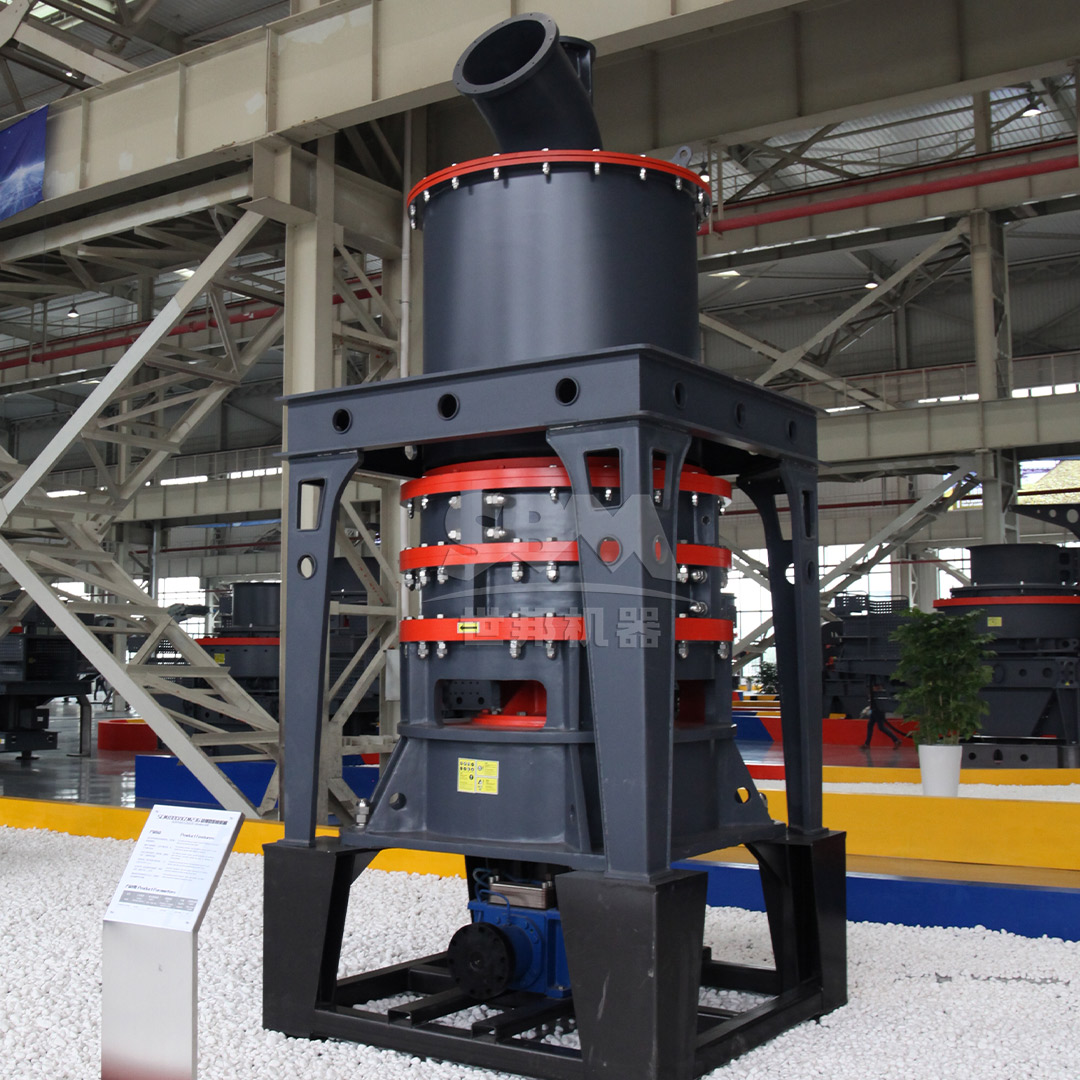
However, for high-value applications in advanced ceramics, premium polishing compounds, or as a high-performance functional filler, an ultrafine product is essential. This is where the SCM Series Ultrafine Mill excels. Engineered to produce powders from 325 to 2500 mesh (45-5μm), the SCM mill utilizes a high-precision vertical turbine classifier that ensures a sharp particle size cut and no coarse powder contamination. Its unique grinding chamber design and special material rollers provide exceptional durability when processing abrasive materials like pumice. Furthermore, its energy-efficient operation—consuming 30% less energy than traditional jet mills while offering double the capacity—makes it the most cost-effective solution for producing premium-grade ultrafine white pumice powder. The integrated pulse dust collection system also guarantees an environmentally clean production process.
5. Agricultural, Horticultural, and Consumer Products
5.1 Soil Amendment and Hydroponics
As mentioned, its physical properties make it a perennial favorite in horticulture for improving soil structure.
5.2 Personal Care and Cosmetics
This is the most recognizable use. Pieces of natural white pumice are used directly as exfoliating stones for removing dead skin. Finely ground pumice is also a gentle abrasive in foot scrubs, hand soaps, and toothpaste.
5.3 Cleaning and Household Products
Pumice’s mild abrasiveness makes it effective in specialty cleaning bars and powders for removing tough stains from porcelain, grout, and cookware without scratching.
Conclusion
From the foundations of our buildings to the filters that clean our water and the finishes on our consumer goods, white pumice stone is an unsung hero of modern industry. Its versatility stems from a unique combination of natural properties. To fully capitalize on this versatile material, selecting the right processing technology is not just an operational decision but a strategic one. Investing in efficient, precise, and robust grinding systems like the MTW Series for general processing or the SCM Series Ultrafine Mill for high-end applications is crucial for producers aiming to deliver consistent quality, maximize profitability, and meet the exacting demands of diverse market sectors. The transformation of raw volcanic rock into a valuable industrial commodity is a testament to both nature’s ingenuity and human engineering.