What is Ultrafine Aluminum Hydroxide Used For?
Introduction: The Power of Particle Size
Ultrafine Aluminum Hydroxide (ATH), also known as aluminum trihydrate, is a cornerstone material in modern industry, prized for its unique combination of flame retardancy, smoke suppression, and filler properties. While standard ATH has been used for decades, the advent of ultrafine grades—typically defined as particles with a median diameter (D50) below 5 micrometers (μm) or even sub-micron—has unlocked a new realm of performance and application possibilities. The transition from coarse to ultrafine particles dramatically increases the surface area, improves dispersion in polymer matrices, and enhances the material’s functional characteristics. This article explores the diverse and critical applications of ultrafine aluminum hydroxide and examines the advanced milling technologies required for its production.
Core Applications of Ultrafine Aluminum Hydroxide
1. High-Performance Flame Retardant Composites
The primary application of ultrafine ATH is as a halogen-free, environmentally friendly flame retardant. Its mechanism is endothermic decomposition: when exposed to heat, it releases water vapor (approximately 34.6% of its mass), which cools the substrate and dilutes flammable gases. The resulting alumina residue forms a protective, insulating char layer.
Ultrafine particles are crucial here. Their smaller size allows for higher loading levels in polymers like ethylene-vinyl acetate (EVA), polyethylene (PE), and silicone rubber without sacrificing mechanical properties such as tensile strength and elongation. The improved dispersion prevents particle agglomeration, ensuring a uniform flame-retardant barrier throughout the material. This makes it indispensable for:
- Wire & Cable Insulation: For building wiring, automotive cables, and high-voltage power lines requiring low smoke and zero halogen (LSZH) standards.
- Engineering Plastics: In components for electronics, automotive interiors, and public transportation where safety regulations are stringent.
- Synthetic Rubber: Used in conveyor belts, roofing membranes, and seals.
2. Advanced Ceramics and Refractories
Ultrafine ATH is a key precursor in the production of high-purity alumina ceramics. Its fine particle size and high chemical purity lead to lower sintering temperatures, reduced porosity, and significantly enhanced mechanical strength, wear resistance, and thermal stability in the final sintered product. Applications include:
- Substrates and packages for microelectronics.
- Wear-resistant components like seals, bearings, and cutting tools.
- Transparent polycrystalline alumina for high-pressure sodium lamp envelopes.
- Additives in advanced refractory castables to improve density and thermal shock resistance.
3. Specialty Coatings and Paints
Incorporating ultrafine ATH into coatings provides multiple benefits. It acts as a transparent flame-retardant filler for intumescent paints, enhances scratch and abrasion resistance due to its hardness, and improves weatherability. Its fine particle size ensures a smooth surface finish without affecting gloss or clarity in clear coatings, making it suitable for wood varnishes, decorative paints, and protective industrial coatings.
4. Pharmaceuticals and Cosmetics
In pharmaceutical formulations, highly purified ultrafine ATH is used as an antacid for its acid-neutralizing capacity. In cosmetics, specifically in sunscreens and skincare products, it serves as a safe, non-irritating, and non-comedogenic physical sunscreen agent, reflecting and scattering UV radiation.
5. Catalyst and Chemical Carrier
The high surface area of ultrafine ATH makes it an excellent support material or precursor for catalysts used in various chemical processes, including petroleum refining and pollution control systems.
The Critical Role of Precision Milling Technology
The performance benefits of ultrafine ATH are directly tied to achieving a narrow, consistent particle size distribution (PSD). This requires sophisticated grinding and classification technology capable of handling the material’s specific characteristics—moderate hardness and a tendency to agglomerate.
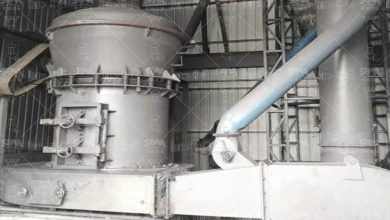
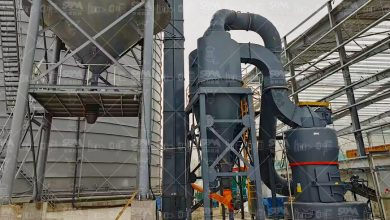
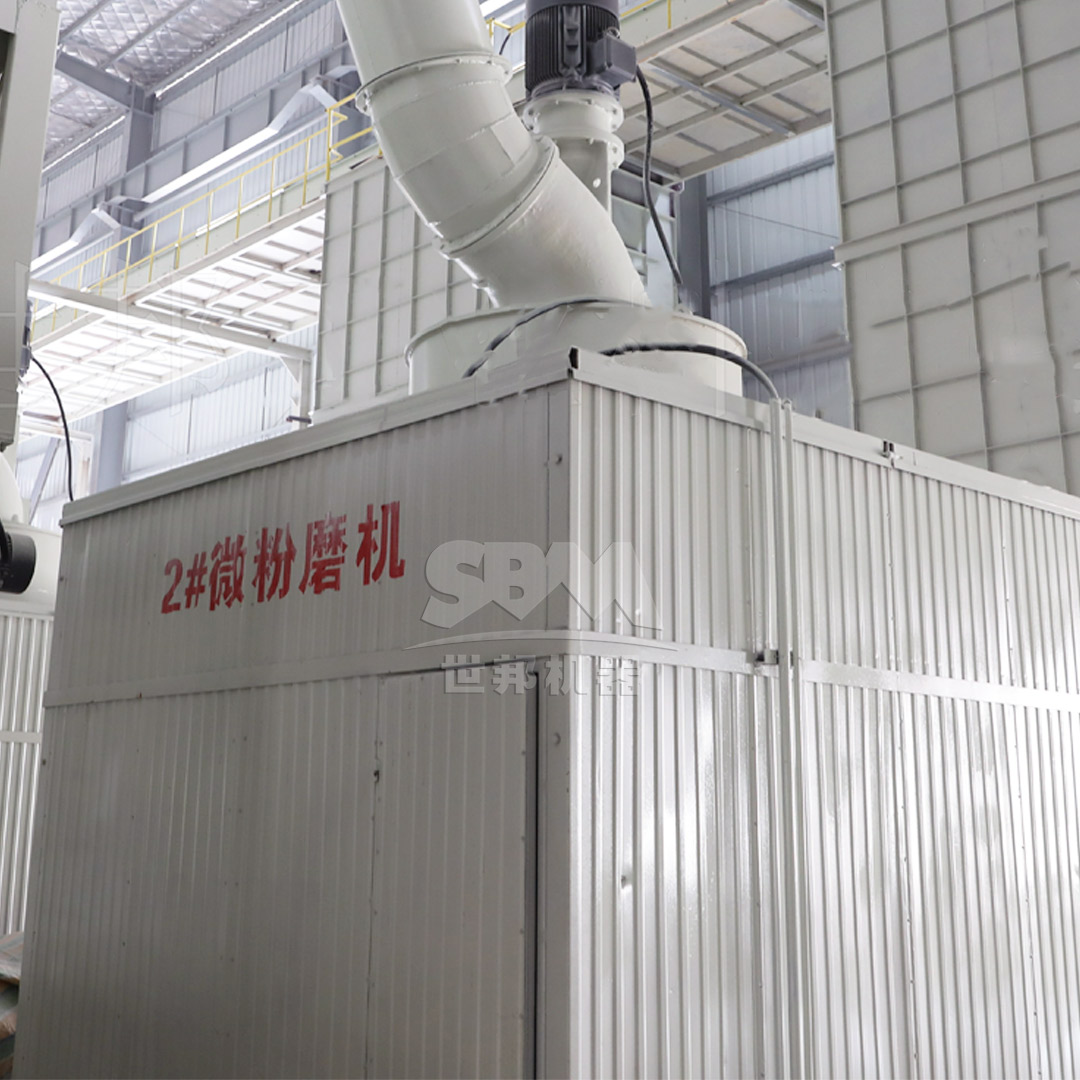
Two primary technological pathways exist for producing ultrafine ATH: dry grinding and wet grinding. For large-scale, efficient dry production of powders in the range of 600 mesh (25μm) down to 2500 mesh (5μm), advanced vertical roller mills and ultrafine ring roller mills are the equipment of choice.
Recommended Equipment for Ultrafine ATH Production
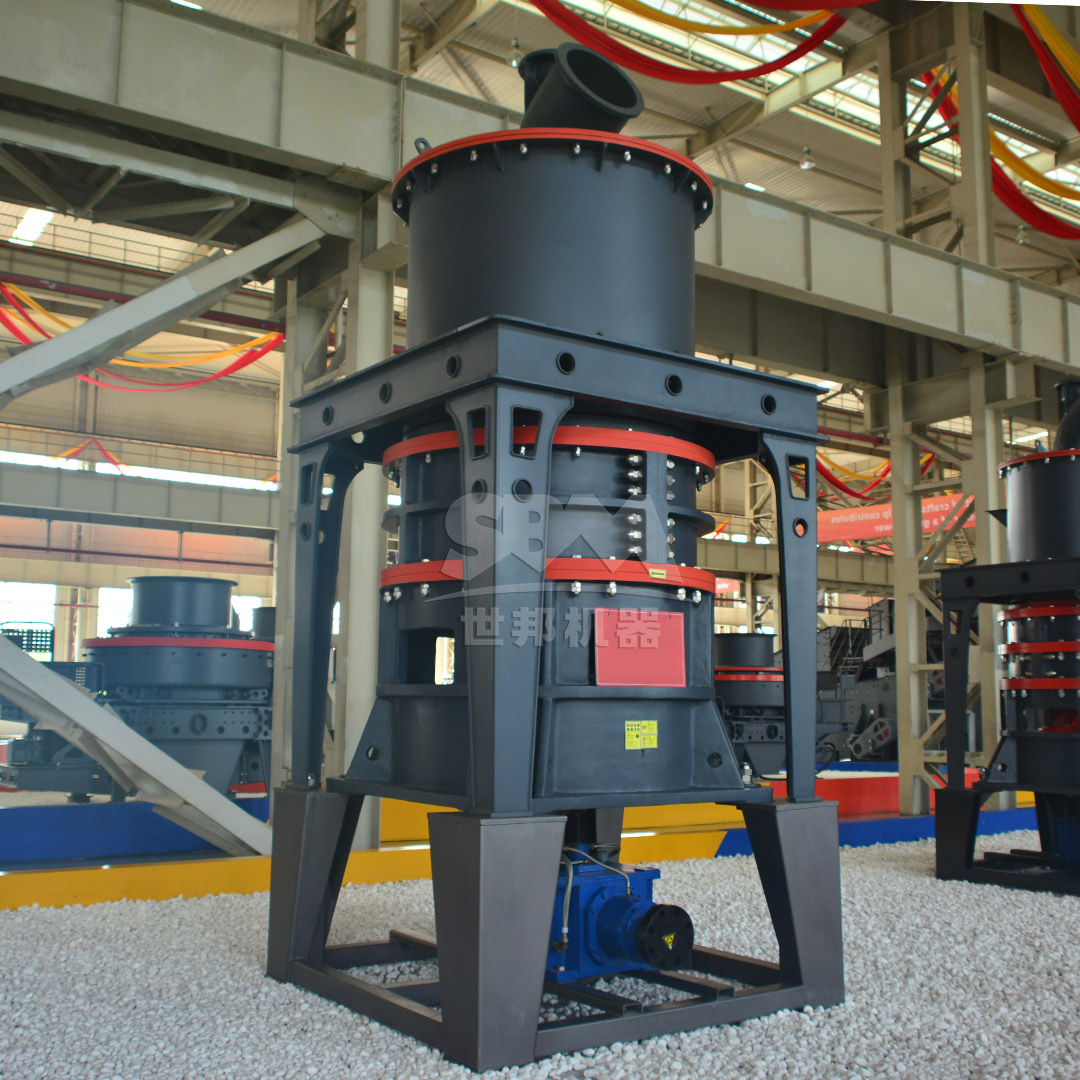
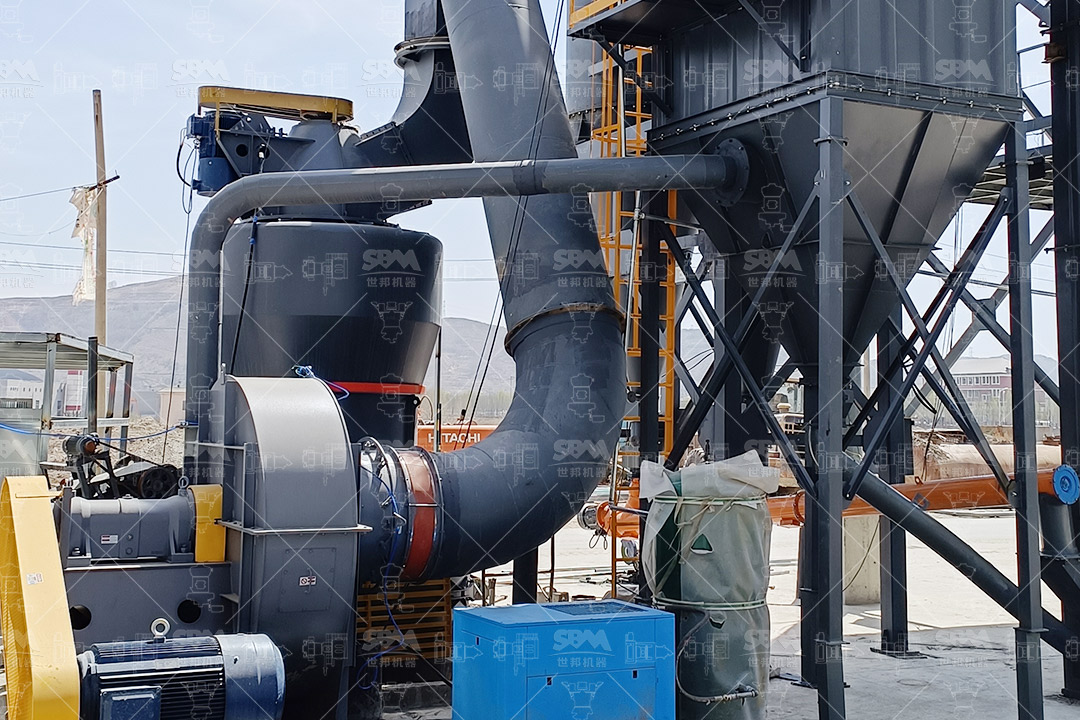
Selecting the right milling system is paramount for achieving target fineness, maintaining high throughput, and controlling operational costs. Based on the required output fineness for ultrafine ATH applications, we highly recommend the following solutions from our portfolio:
1. For Superfine Grinding (325-2500 mesh / 45-5μm): SCM Series Ultrafine Mill
Our SCM Series Ultrafine Mill is engineered specifically for the challenges of producing superfine powders like ATH. Its design focuses on high-precision classification and energy efficiency.
- Core Advantage: Its vertical turbine classifier ensures precise particle size cutting, eliminating coarse powder mixing and delivering a uniform finished product critical for consistent flame-retardant performance.
- Efficiency: The system offers capacity up to 2x that of traditional jet mills while consuming 30% less energy, thanks to its layered grinding principle and intelligent control system with automatic granularity feedback.
- Durability & Eco-friendliness: Special material rollers and rings extend service life, while the integrated pulse dust collector ensures dust emission meets the strictest international standards, a must for handling fine powders.
- Model Suggestion: For a mid-to-large scale ATH production line targeting high-value superfine grades, the SCM1250 model (Capacity: 2.5-14 t/h, Main Power: 185kW) provides an excellent balance of output and fineness control.
2. For High-Capacity Fine Grinding (30-325 mesh / 600-45μm): MTW Series European Trapezium Mill
When the production process requires a high-volume output of fine ATH as a precursor or for applications where the 325-mesh grade is sufficient, the MTW Series European Trapezium Mill stands out.
- Core Advantage: It features an integral bevel gear drive with 98% transmission efficiency, saving energy and space. The wear-resistant volute structure and optimized arc air duct minimize energy loss and maintenance costs.
- Robust Design: The anti-wear shovel design and curved shovel blades are particularly effective for abrasive materials, extending the life of grinding rollers and reducing downtime.
- Model Suggestion: The MTW215G model (Capacity: 15-45 t/h, Main Power: 280kW) is a powerhouse for large-scale production, capable of handling feed sizes up to 50mm and efficiently delivering consistent fine powder.
Conclusion
Ultrafine Aluminum Hydroxide is a versatile and essential material driving innovation in safety, materials science, and specialty chemicals. Its value is intrinsically linked to its particle size and distribution. Therefore, investing in advanced, reliable milling technology is not an overhead but a strategic necessity to produce high-quality ATH that meets the exacting standards of modern industries. Equipment like our SCM Ultrafine Mill and MTW European Trapezium Mill provide the technological foundation for manufacturers to capitalize on the growing demand for high-performance, ultrafine mineral powders, ensuring product superiority, production efficiency, and environmental compliance.