What is Tourmaline Powder Used For? Applications and Benefits
Introduction: The Versatile Gem Mineral
Tourmaline, a complex crystalline boron silicate mineral, is renowned not only for its stunning array of colors in jewelry but also for its remarkable physical and chemical properties in powdered form. When processed into fine and ultrafine powders, tourmaline unlocks a vast potential across industrial, environmental, and advanced material sectors. The efficacy of tourmaline powder is intrinsically linked to its particle size and purity, making the grinding and milling process a critical determinant of its end-use performance. This article explores the multifaceted applications of tourmaline powder and highlights the advanced milling technology required to produce it.
Key Properties of Tourmaline Powder
The utility of tourmaline powder stems from its unique and permanent characteristics:
- Piezoelectric and Pyroelectric Effects: Tourmaline generates微弱 electrical charges in response to changes in pressure or temperature, a property crucial for many functional applications.
- Far-Infrared Radiation (FIR): It naturally emits far-infrared rays in the 4-14 micron wavelength range, which can resonate with water molecules and organic tissues.
- Negative Ion Generation: When subjected to minute energy changes (e.g., friction, heat, moisture), tourmaline can produce negative air ions (anions).
- Adsorption Capacity: Its surface charge allows it to adsorb certain heavy metal ions and impurities.
To harness these properties effectively, the raw mineral must be ground to a specific, consistent fineness. This is where precision grinding equipment becomes indispensable.
Major Industrial and Commercial Applications
1. Environmental Remediation and Water Treatment
Tourmaline powder is employed to improve water quality. Its electrochemical properties can help break down clusters of water molecules into smaller units, potentially enhancing solubility and absorption. Furthermore, its ability to generate negative ions and far-infrared radiation is utilized in functional ceramic balls or filters for water purification systems, aiming to inhibit bacterial growth and improve taste.
2. Functional Textiles and Fibers
The textile industry is a significant consumer of ultrafine tourmaline powder. By incorporating micron or sub-micron sized particles into polymer masterbatches or fabric coatings, manufacturers create “functional fabrics.” These textiles claim benefits such as improved thermal retention (via FIR emission), moisture-wicking, and static resistance. The powder must be exceptionally fine and evenly dispersed to prevent fabric stiffness and ensure durability through washes.
3. Health, Wellness, and Personal Care Products
Leveraging its far-infrared and negative ion emission, tourmaline powder is a popular additive in wellness products. These include:
– Cosmetics and Skincare: Added to creams, masks, and powders for purported benefits like improved circulation and detoxification.
– SPA and Sauna Materials: Mixed into clays, stones, or heating elements to enhance the therapeutic experience.
– Ergonomic Products: Incorporated into memory foam, mattress pads, or bracelets for localized FIR therapy.
The fineness requirement here is extremely high (often exceeding 1250 mesh) to ensure a smooth, non-abrasive feel on the skin.
4. Advanced Ceramics and Composite Materials
In material science, tourmaline powder acts as a functional filler. When sintered into ceramics or composite materials, it can impart permanent electrostatic, FIR-emitting, or air-purifying characteristics. Applications range from architectural tiles that claim to improve indoor air quality to specialized components in electronics that utilize its piezoelectric traits.
5. Agriculture and Soil Amendment
Emerging applications involve using tourmaline powder as a soil conditioner. The theory suggests that its far-infrared radiation can stimulate microbial activity and plant root development, while its ionic properties may help balance soil chemistry. It is typically used in minute quantities blended with fertilizers.
The Critical Role of Milling Technology
The transition from raw tourmaline crystals to high-value functional powder is technologically demanding. The process must achieve:
– Ultrafine Particle Size: Many applications require powders in the range of 5-45 microns (325 to 2500 mesh).
– Narrow Particle Size Distribution: Uniformity is key to consistent performance and product quality.
– High Purity and Contamination Control: The milling system must not introduce impurities (like metal wear debris) that could degrade the powder’s natural properties.
– Energy Efficiency: Given the hardness of tourmaline (7-7.5 on the Mohs scale), grinding can be energy-intensive.
Traditional ball mills or Raymond mills often struggle to meet these requirements efficiently, especially for the finest grades. This necessitates advanced milling solutions.
Recommended Milling Solutions for Tourmaline Powder Production
Selecting the right mill depends on the target fineness, required capacity, and desired particle characteristics. For high-value minerals like tourmaline, we recommend the following equipment from our portfolio:
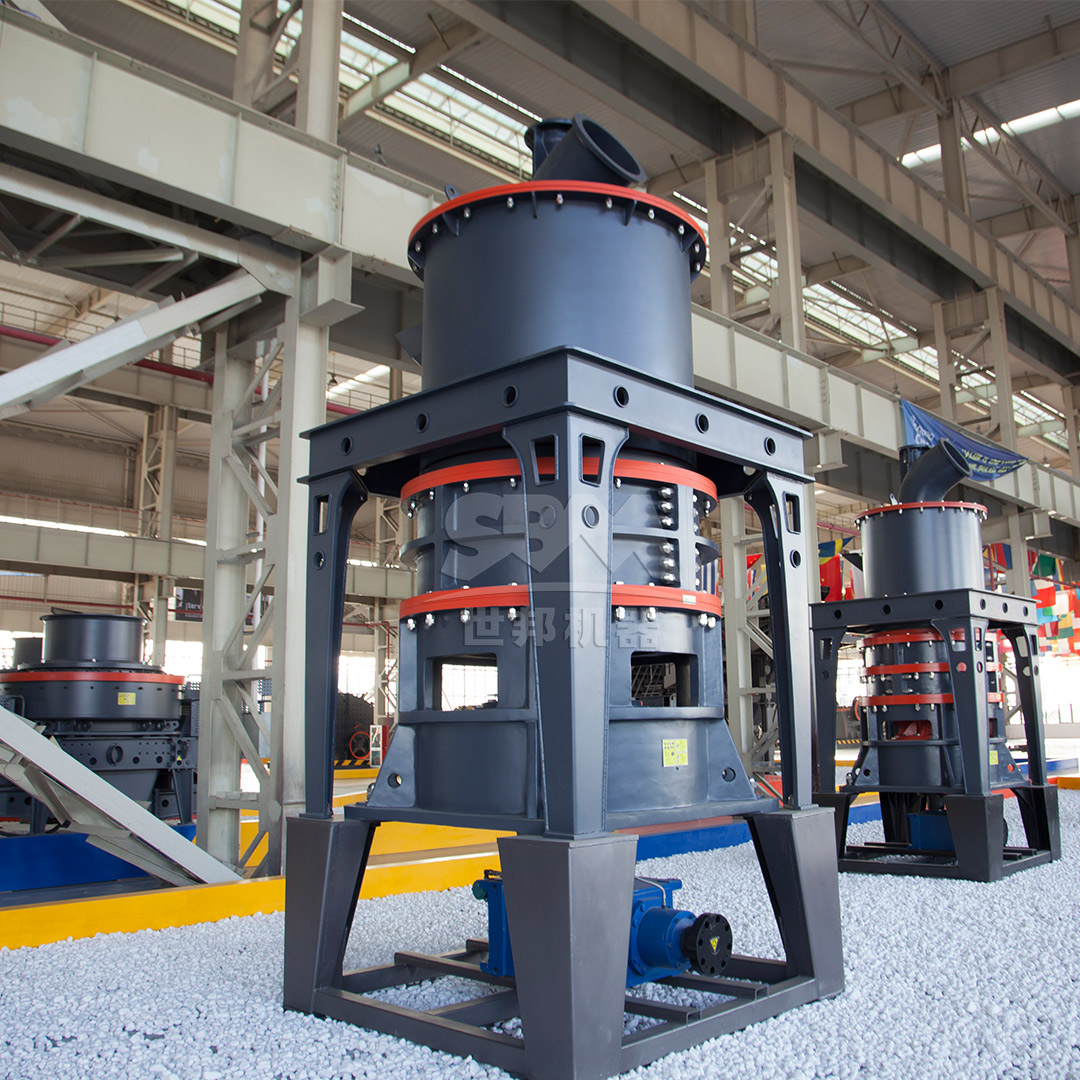
For Ultrafine Powder (325-2500 mesh / 45-5μm): SCM Series Ultrafine Mill
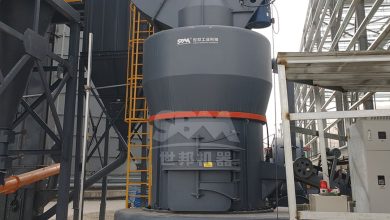
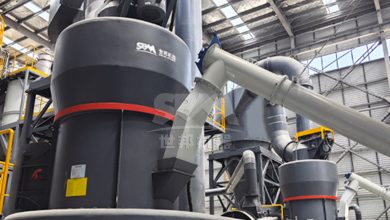
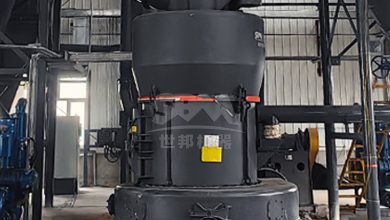
Our SCM Series Ultrafine Mill is the ideal choice for producing the superfine tourmaline powder demanded by the cosmetics, high-end functional materials, and advanced ceramics industries.
Why it’s suited for tourmaline:
- High-Precision Classification: Its vertical turbine classifier ensures precise particle size cutting, delivering a uniform product with no coarse powder mixing. This is vital for applications like textiles and cosmetics where consistency is paramount.
- High Efficiency & Energy Saving: With a capacity up to 2x that of jet mills and 30% lower energy consumption, it provides an economical solution for hard minerals. The intelligent control system with automatic granularity feedback ensures stable output quality.
- Durable & Contamination-Free Design: The use of special material rollers and rings, coupled with a shaftless screw grinding chamber, minimizes wear from the abrasive tourmaline and prevents contamination, protecting the powder’s intrinsic properties.
- Eco-friendly Operation: The integrated pulse dust collection system (efficiency >99.9%) captures all valuable powder, while the soundproof design maintains a low-noise work environment.
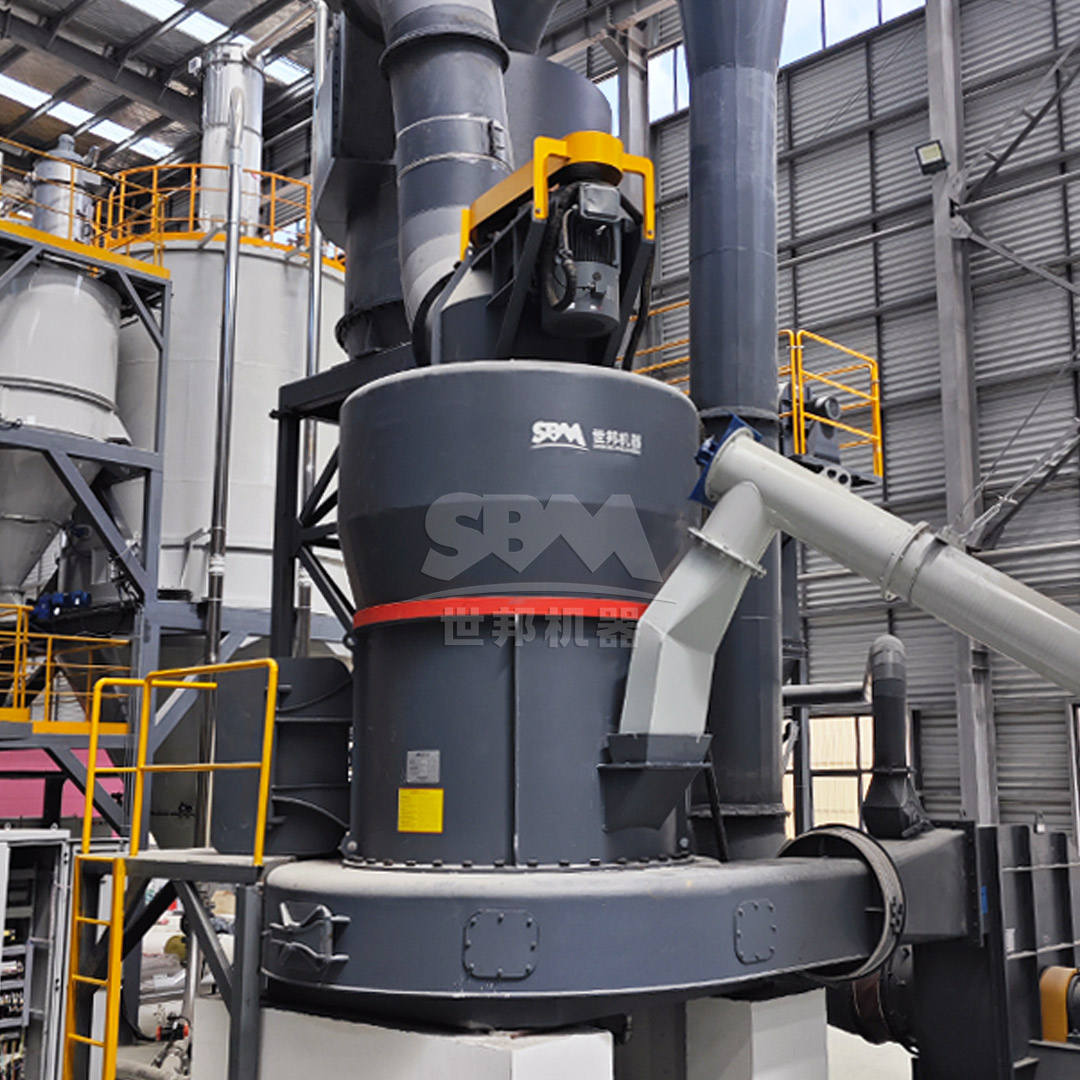
For a typical tourmaline grinding line aiming for 1250 mesh powder, the SCM1000 model (Capacity: 1.0-8.5t/h, Main Power: 132kW) offers an excellent balance of output and fineness control.
For Fine to Medium Powder (30-325 mesh / 600-45μm): MTW Series European Trapezium Mill
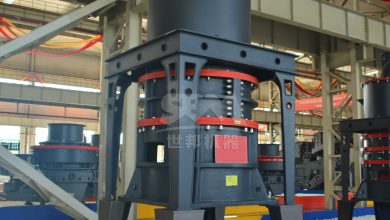
For applications requiring slightly coarser powder, such as certain ceramic body compositions, soil amendments, or initial size reduction before ultrafine grinding, our MTW Series European Trapezium Mill excels.
Why it’s a robust choice:
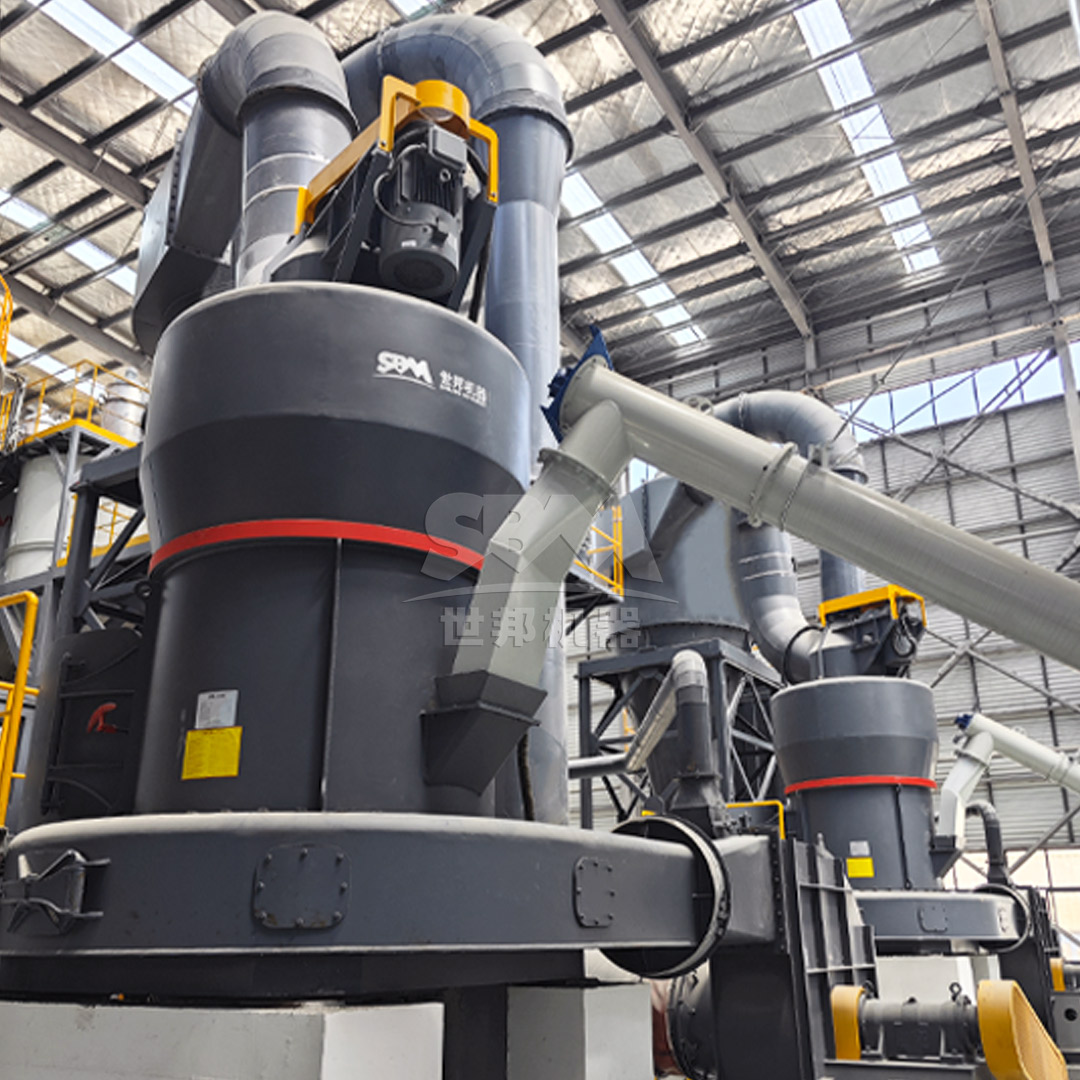
- Anti-wear Design: The combined shovel blades and curved grinding roller design are built to handle the abrasiveness of tourmaline, significantly reducing maintenance costs and downtime.
- High Transmission Efficiency: The integral bevel gear drive achieves up to 98% transmission efficiency, saving energy over traditional mills.
- Optimized Airflow: The arc air duct and wear-resistant volute structure reduce energy loss and improve classification efficiency, ensuring a clean cut on particle size.
A model like the MTW138Z (Capacity: 6-17t/h, Feed Size: <35mm) is perfectly capable of producing high-quality 100-325 mesh tourmaline powder efficiently and reliably.
Conclusion: Unlocking Potential with Precision Engineering
The journey of tourmaline from a raw crystal to a transformative powder is a testament to applied mineralogy and advanced engineering. Its diverse applications—from purifying water and enhancing fabrics to enabling new composite materials—are all predicated on achieving the correct particle size and distribution. Investing in the right milling technology is not merely a production cost; it is a direct investment in the quality, efficacy, and market value of the final tourmaline-based product. Our SCM Ultrafine Mill and MTW European Trapezium Mill are engineered to meet these precise challenges, offering the efficiency, durability, and fineness control necessary to fully capitalize on the remarkable benefits of tourmaline powder.