What is the Use of Grinding Bauxite and Which Mill is Best?
Introduction to Bauxite Grinding
Bauxite, as the primary ore of aluminum, plays a crucial role in various industrial applications. The grinding process is essential for liberating alumina (Al₂O₃) from bauxite ore, making it suitable for further processing in the Bayer process. Proper grinding enhances the surface area of bauxite particles, facilitating efficient chemical reactions during alumina extraction. This article explores the importance of bauxite grinding and identifies the most suitable milling equipment for optimal results.
The Importance of Grinding Bauxite
Grinding bauxite serves multiple purposes in aluminum production and other industrial applications. The primary objectives include:
- Particle Size Reduction: Breaking down raw bauxite into fine particles increases the surface area, which accelerates the digestion process in caustic soda solution.
- Liberation of Alumina: Proper grinding helps separate alumina from impurities such as silica, iron oxides, and titanium dioxide.
- Improved Reactivity: Finely ground bauxite reacts more efficiently with sodium hydroxide during the Bayer process, leading to higher alumina recovery rates.
- Homogeneous Mixture: Uniform particle size distribution ensures consistent processing conditions and product quality.
Key Considerations for Bauxite Grinding
When selecting grinding equipment for bauxite, several factors must be considered:
- Hardness and Abrasiveness: Bauxite typically has a Mohs hardness of 1-3, but it can contain abrasive impurities that affect equipment wear.
- Moisture Content: Raw bauxite may contain 10-20% moisture, requiring drying capabilities in the grinding system.
- Target Fineness: The optimal particle size for bauxite processing typically ranges from 100 to 325 mesh (149-45μm).
- Production Capacity: Industrial-scale operations require equipment capable of handling 5-100 tons per hour, depending on plant size.
- Energy Efficiency: Grinding operations account for significant energy consumption in alumina refineries.
Types of Mills for Bauxite Grinding
Ball Mills
Traditional ball mills have been widely used in bauxite grinding operations. These mills operate on the principle of impact and attrition between grinding media (steel balls) and the bauxite material. While ball mills offer reliable performance and can handle high moisture content through wet grinding, they suffer from high energy consumption and relatively low efficiency compared to modern grinding technologies.
Vertical Roller Mills (VRM)
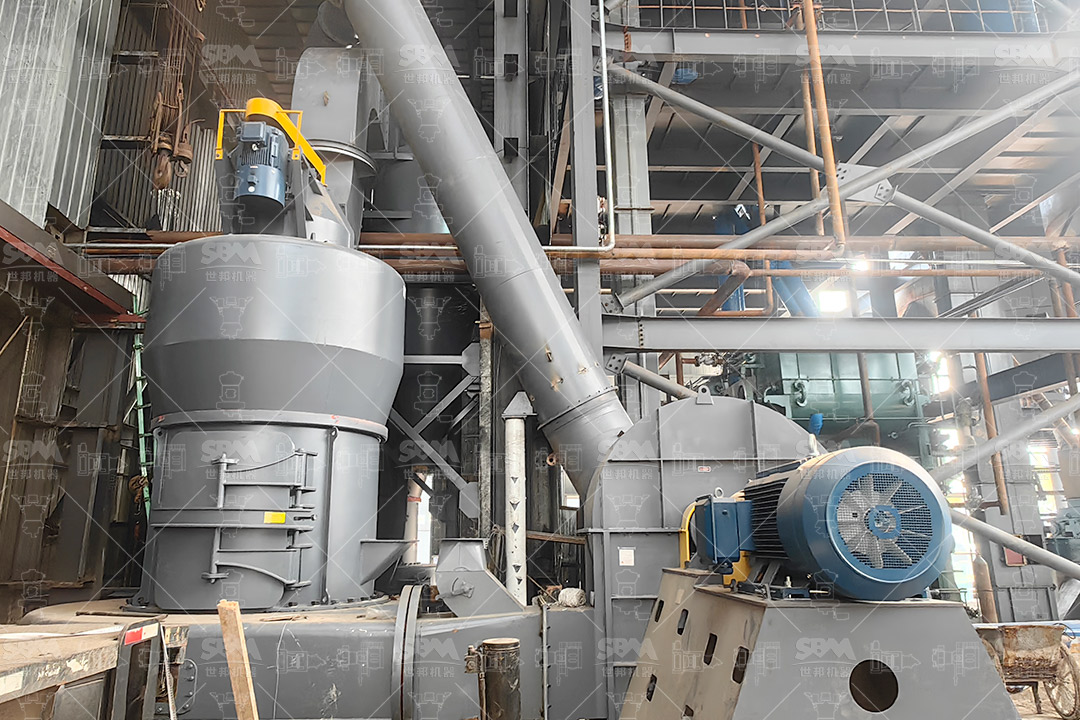
Vertical roller mills have gained popularity in bauxite grinding due to their superior energy efficiency and drying capabilities. VRMs utilize multiple grinding rollers that press against a rotating grinding table, achieving size reduction through compression and shear forces. The integrated drying system allows processing of bauxite with higher moisture content without requiring separate drying equipment.
Ultrafine Grinding Mills
For specialized applications requiring extremely fine bauxite powders, ultrafine grinding mills offer precise particle size control down to 5μm. These advanced mills incorporate high-precision classification systems that ensure uniform product quality with narrow particle size distribution.
Recommended Mill for Bauxite Grinding: MTW Series Trapezium Mill
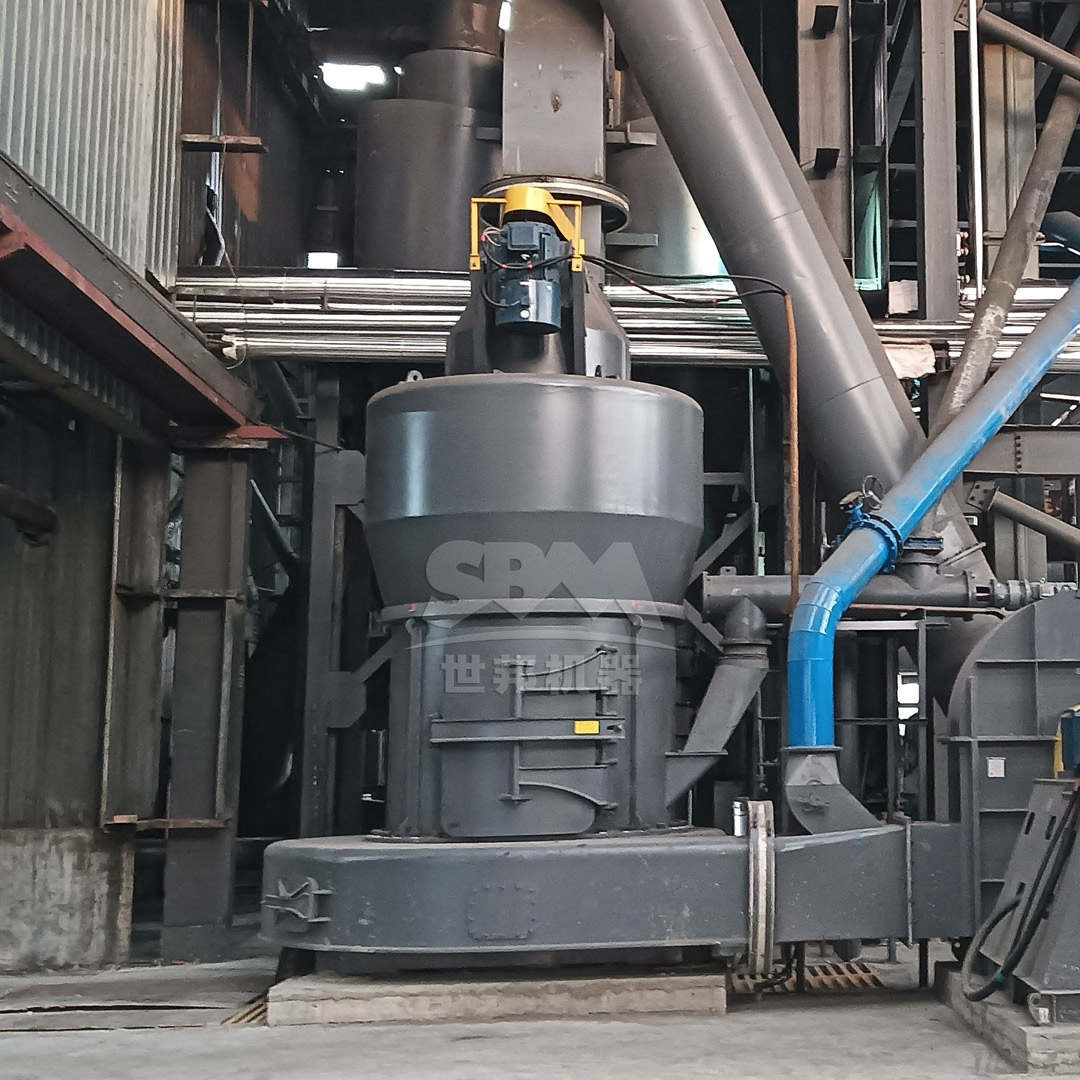
After comprehensive analysis of bauxite characteristics and grinding requirements, we highly recommend our MTW Series Trapezium Mill for most bauxite grinding applications. This mill combines advanced European technology with practical design features that make it ideally suited for bauxite processing.
Key Advantages for Bauxite Grinding
- Optimized Grinding Geometry: The curved air duct design reduces airflow resistance and improves transmission efficiency, resulting in lower energy consumption per ton of processed bauxite.
- Wear-Resistant Components: The combination wear shovel design significantly reduces maintenance costs, while specially formulated grinding rolls and rings provide extended service life when processing abrasive bauxite.
- Efficient Classification System: The integrated powder separator ensures precise control over product fineness, with the ability to produce bauxite powder in the range of 30-325 mesh (600-45μm) to meet specific process requirements.
- High Capacity Processing: With throughput capacities ranging from 3-45 tons per hour across different models, the MTW Series can accommodate operations of various scales.
Technical Specifications for Bauxite Applications
The MTW Series offers multiple configuration options to match specific bauxite processing needs:
- Model MTW215G: With 45 TPH capacity and 280kW main motor power, this model suits large-scale alumina refineries
- Model MTW175G: Offering 25 TPH capacity with 160kW power consumption, ideal for medium-sized operations
- Model MTW138Z: Providing 17 TPH capacity with 90kW power, suitable for smaller plants or pilot operations
Alternative Solution: LM Series Vertical Mill
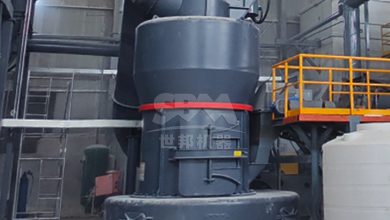
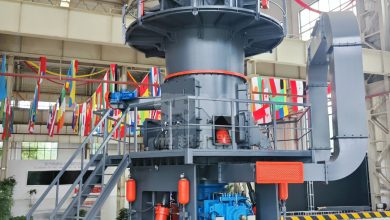
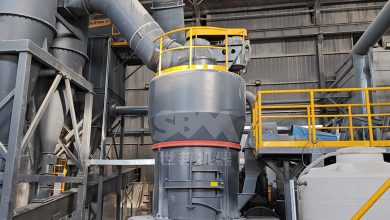
For operations requiring higher capacity or integrated drying capabilities, our LM Series Vertical Mill presents an excellent alternative. This mill’s compact design and high efficiency make it particularly suitable for greenfield projects or capacity expansion programs.
Benefits for High-Volume Bauxite Processing
- Integrated Drying: The hot gas entry system enables simultaneous grinding and drying of moist bauxite, eliminating the need for separate drying equipment.
- Space-Saving Design: The vertical arrangement reduces footprint requirements by up to 50% compared to traditional ball mill systems.
- Low Operating Costs: With energy consumption 30-40% lower than ball mill systems, the LM Series offers significant operational savings.
- Environmental Compliance: Full negative pressure operation ensures dust emissions remain below 20mg/m³, meeting strict environmental standards.
Case Study: Bauxite Grinding Performance Comparison
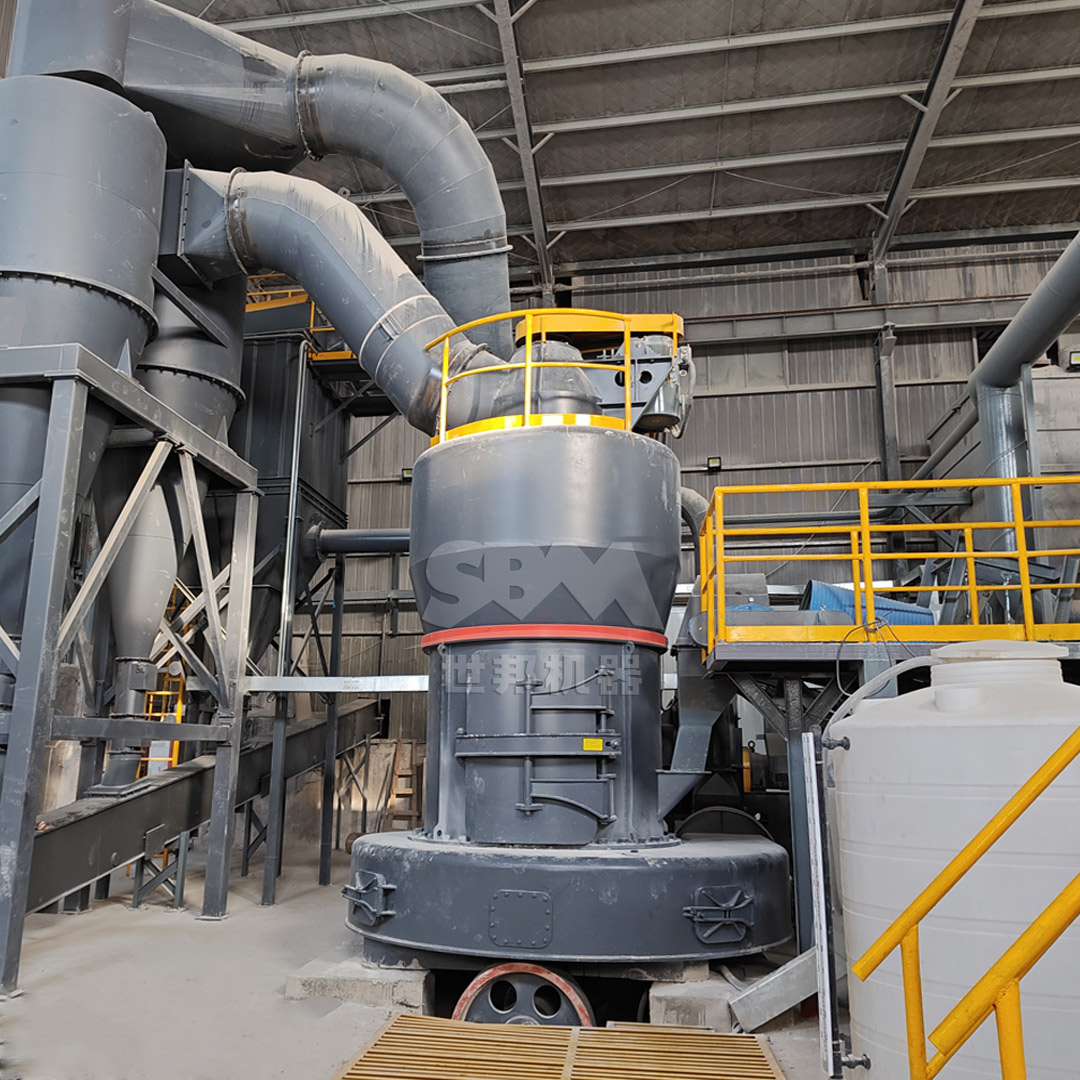
In recent field tests comparing different grinding technologies for bauxite processing, the MTW Series Trapezium Mill demonstrated remarkable performance:
- Energy Efficiency: 28% lower specific energy consumption compared to traditional ball mills
- Product Quality: Consistent particle size distribution with 95% of particles within the target range
- Availability: 96% operational availability with minimal maintenance requirements
- Wear Life: Grinding components lasted 2.3 times longer than industry standards for bauxite applications
Operational Considerations for Bauxite Grinding Mills
Successful implementation of bauxite grinding equipment requires attention to several operational factors:
Feed Preparation
Proper crushing of run-of-mine bauxite to appropriate feed size (typically ≤50mm) ensures stable mill operation and prevents feed blockages. Pre-screening to remove oversize material enhances grinding efficiency.
Moisture Management
While both recommended mills can handle bauxite with moderate moisture content, extremely wet material (>15% moisture) may require pre-drying or adjustment of operational parameters to maintain optimal grinding conditions.
Wear Monitoring
Regular inspection of grinding elements is essential, as bauxite’s abrasive components can accelerate wear. Modern mills incorporate wear monitoring systems that help plan maintenance activities and minimize unexpected downtime.
Economic Analysis: Grinding Mill Selection Impact
The choice of grinding technology significantly impacts the overall economics of bauxite processing:
- Capital Investment: Modern vertical mills and trapezium mills typically require 15-25% higher initial investment than traditional ball mills but offer faster ROI through operational savings.
- Operating Costs: Energy consumption represents 40-60% of total grinding costs, making high-efficiency mills economically advantageous.
- Maintenance Expenses: Advanced designs with longer component life and easier maintenance access reduce lifetime maintenance costs by 30-50%.
- Product Value: Consistent product quality from precision grinding systems can increase alumina recovery by 2-4%, significantly impacting overall process economics.
Future Trends in Bauxite Grinding Technology
The evolution of bauxite grinding technology continues with several emerging trends:
- Digitalization: Integration of IoT sensors and AI-based optimization algorithms for real-time process adjustment
- Hybrid Systems: Combination of different grinding technologies in series to optimize energy utilization
- Advanced Materials: Development of nano-structured wear materials that extend component life in abrasive applications
- Sustainability Focus: Designs prioritizing circular economy principles with emphasis on energy recovery and minimal environmental impact
Conclusion
Selecting the appropriate grinding equipment is critical for efficient bauxite processing and optimal alumina recovery. Based on technical performance, operational efficiency, and economic considerations, our MTW Series Trapezium Mill emerges as the premier choice for most bauxite grinding applications. Its combination of advanced grinding technology, wear-resistant design, and precise classification system delivers superior performance across the key metrics that matter to bauxite processors.
For operations with specific requirements such as integrated drying or extreme capacity demands, the LM Series Vertical Mill provides an excellent alternative with proven capabilities in demanding mineral processing environments. Both solutions represent the current state-of-the-art in bauxite grinding technology, offering significant advantages over traditional approaches in terms of energy efficiency, product quality, and operational reliability.
As the aluminum industry continues to evolve toward more sustainable and efficient production methods, investing in advanced grinding technology represents a strategic decision that pays dividends through reduced operating costs, improved product quality, and enhanced environmental performance.