What is the Standard for Adding Calcium Carbonate in Nonwoven Fabric Production?
Introduction to Calcium Carbonate in Nonwoven Fabric Production
The incorporation of calcium carbonate (CaCO₃) as a functional filler in nonwoven fabric production has become increasingly prevalent across various industries. This mineral additive serves multiple purposes, from cost reduction to performance enhancement, making it a valuable component in modern nonwoven manufacturing processes. The strategic addition of calcium carbonate requires careful consideration of particle size distribution, surface treatment, and compatibility with polymer matrices to achieve optimal results.
Calcium carbonate’s versatility stems from its unique combination of properties: excellent whiteness, low abrasiveness, chemical inertness, and favorable thermal stability. When properly integrated into nonwoven structures, it can significantly improve opacity, brightness, and dimensional stability while reducing material costs. However, the effectiveness of calcium carbonate as a filler depends heavily on achieving the correct particle characteristics through precise grinding and classification processes.
Technical Standards for Calcium Carbonate in Nonwovens
Particle Size Requirements
The particle size distribution of calcium carbonate represents one of the most critical parameters in nonwoven applications. For spunbond and meltblown nonwovens, the optimal particle size typically ranges from 1 to 5 microns (D97). Finer particles provide better dispersion within the polymer matrix, minimizing stress concentration points and maintaining fabric strength. Coarser particles may lead to nozzle clogging in spinning processes and reduced mechanical properties in the final product.
Industry standards generally specify that at least 90% of particles (D90) should fall below 10 microns, with the top cut (D100) not exceeding 20-25 microns for most applications. The specific requirements vary depending on the nonwoven manufacturing method:
- Spunbond processes: 1-3 microns for fine denier fibers
- Meltblown processes: 0.5-2 microns for microfibers
- Wet-laid processes: 2-5 microns for general applications
- Thermobonded fabrics: 3-8 microns where filtration is not critical
Surface Treatment Specifications
Surface-modified calcium carbonate demonstrates significantly improved compatibility with polypropylene and polyester matrices commonly used in nonwoven production. Stearate coating remains the most prevalent treatment, with industry standards typically requiring 1-2% surface coverage. This treatment reduces particle agglomeration, improves dispersion during extrusion, and enhances interfacial adhesion between the filler and polymer.
The degree of surface treatment must be carefully controlled, as insufficient coating leads to poor dispersion, while excessive treatment can create lubrication issues during processing. Quality control protocols should include measurements of activation degree, typically targeting 95-98% for optimal performance.
Chemical Purity and Whiteness
High-purity calcium carbonate with minimum 98% CaCO₃ content is essential for nonwoven applications to avoid contamination and undesirable reactions during processing. Critical impurity limits include:
- Iron oxide (Fe₂O₃): < 0.05% to prevent yellowing and degradation
- Silica (SiO₂): < 0.2% to minimize abrasion on processing equipment
- Manganese (Mn): < 0.005% to maintain polymer stability
- Heavy metals: < 10 ppm collectively for hygiene-sensitive applications
Whiteness standards typically require a minimum of 95% ISO brightness for most nonwoven products, with premium applications demanding 97% or higher. Consistent whiteness ensures uniform appearance and allows for reduced titanium dioxide usage in colored or white nonwovens.
Optimal Loading Levels for Different Nonwoven Types
Spunbond Nonwovens
In spunbond nonwovens, calcium carbonate loading typically ranges from 5% to 20% by weight, depending on the application requirements. Lower loadings (5-10%) are common for technical textiles requiring high strength and durability, while higher loadings (15-20%) may be used for cost-sensitive applications like hygiene products or geotextiles where certain mechanical properties can be compromised.
The maximum practical loading is often determined by the melt flow index (MFI) requirements for stable spinning operations. Excessive filler content can increase melt viscosity beyond processable limits, leading to fiber breakage and production instability. Most commercial spunbond lines operate successfully with 15-18% calcium carbonate when using properly surface-treated, fine-particle-grade fillers.
Meltblown Nonwovens
Meltblown nonwovens, particularly those used in filtration applications, typically utilize lower calcium carbonate loadings of 3-8% due to the extremely fine fiber diameters involved. The smaller fiber dimensions make these structures more susceptible to the negative effects of filler particles on web formation and strength properties.
Special consideration must be given to particle size distribution in meltblown applications, as oversized particles can disrupt the delicate air drawing process and create defects in the microfibrous web. The D99 value should not exceed 5 microns for most meltblown grades to ensure trouble-free operation and optimal filtration performance.
Thermobonded and Needlepunched Nonwovens
Thermobonded nonwovens can accommodate higher calcium carbonate loadings, typically in the range of 20-40%, depending on the bonding method and application. In through-air bonded fabrics, higher filler levels can actually improve loft and softness while reducing raw material costs. Needlepunched nonwovens used in automotive or construction applications may incorporate 25-35% calcium carbonate without significant compromise to mechanical properties.
The key to successful high-loading formulations lies in maintaining a balanced particle size distribution that maximizes packing density while preserving processability. Bimodal or trimodal distributions often provide the best combination of high loading and maintained performance.
Performance Impacts of Calcium Carbonate Addition
Mechanical Properties
The addition of calcium carbonate inevitably affects the mechanical properties of nonwoven fabrics. Tensile strength typically decreases with increasing filler content, with reductions of 10-20% commonly observed at 15% loading levels. However, proper particle size selection and surface treatment can minimize these reductions, with some formulations showing less than 10% strength loss at comparable loadings.
Interestingly, certain stiffness-related properties may actually improve with calcium carbonate addition. Flexural modulus often increases, making filled nonwovens particularly suitable for applications requiring dimensional stability and resistance to bending. Tear resistance may also improve at moderate loading levels due to altered failure mechanisms within the fiber network.
Optical Properties
Calcium carbonate significantly enhances the opacity and brightness of nonwoven fabrics, reducing the need for expensive optical brighteners or titanium dioxide. At 15% loading, opacity improvements of 15-25% are typical, depending on base polymer characteristics and fabric construction. This makes calcium carbonate particularly valuable in medical and hygiene applications where bright white appearance is commercially important.
The refractive index of calcium carbonate (approximately 1.6) creates light scattering effects that contribute to this opacity enhancement. Finer particle sizes provide more scattering centers per unit weight, making high-quality ground calcium carbonate particularly effective for optical property modification.
Liquid Management Properties
In hygiene and medical nonwovens, calcium carbonate can influence liquid acquisition and distribution characteristics. The hydrophilic nature of unmodified calcium carbonate promotes wicking in polypropylene-based fabrics, potentially improving performance in applications requiring fluid management. However, this effect must be balanced against potential negative impacts on barrier properties in some constructions.
Surface-treated calcium carbonate with hydrophobic characteristics may be specified for applications requiring maintained water resistance while still achieving cost reduction and opacity benefits. The selection between treated and untreated grades should align with the specific performance requirements of the end product.
Processing Considerations for Calcium Carbonate-Filled Nonwovens
Extrusion and Spinning
The incorporation of calcium carbonate affects polymer rheology during extrusion, typically increasing melt viscosity and potentially altering processing windows. Melt temperature adjustments of 5-15°C may be necessary to maintain stable spinning conditions, with higher filler loadings generally requiring increased temperatures to compensate for reduced melt flow.
Screen pack selection becomes more critical with filled systems, with finer mesh configurations (100-200 mesh) often specified to filter out any oversized particles or agglomerates that could cause spinneret plugging. Regular screen changes and thorough purging procedures help maintain production efficiency and product quality.
Filtration Efficiency Considerations
For nonwovens used in filtration applications, the presence of calcium carbonate can influence filtration efficiency in complex ways. While the filler particles themselves may contribute to particle capture mechanisms, they can also create larger pore structures that reduce efficiency for certain particle sizes. Proper characterization of the filled nonwoven’s pore size distribution is essential for predicting filtration performance.
In air filtration applications, the increased stiffness imparted by calcium carbonate may improve dust cake release characteristics during pulse-jet cleaning cycles, potentially extending filter life in certain operating conditions.
Critical Grinding Requirements for Nonwoven-Grade Calcium Carbonate
The production of calcium carbonate suitable for nonwoven applications demands precise grinding technology capable of delivering consistent particle size distributions with minimal oversize material. Traditional grinding methods often fail to achieve the narrow particle distribution required, particularly in the critical sub-5 micron range where most nonwoven applications operate.
Modern grinding systems must incorporate efficient classification technology to remove both oversize particles that could disrupt processing and excessively fine particles that might increase viscosity without providing functional benefits. The target is typically a Gaussian distribution centered around 2-3 microns with minimal material below 0.5 microns or above 10 microns.
Recommended Grinding Solutions for Nonwoven-Grade Calcium Carbonate
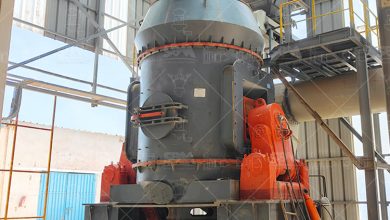
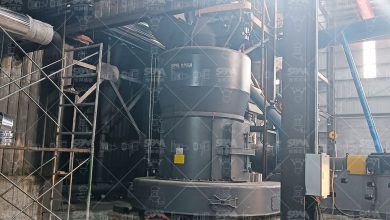
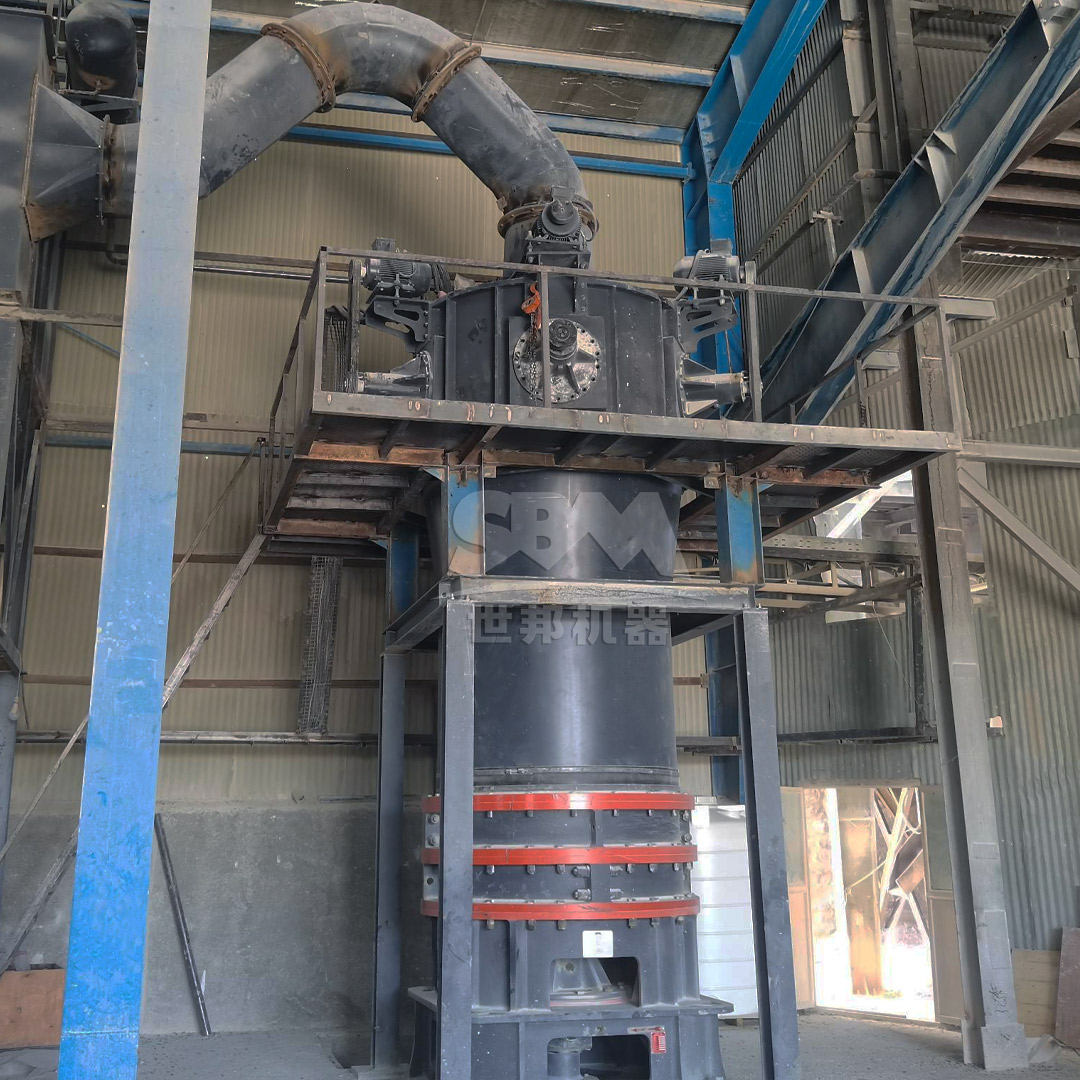
SCM Series Ultrafine Mill for Precision Grinding
For nonwoven applications requiring the finest particle sizes and tightest distribution control, the SCM Series Ultrafine Mill represents an ideal solution. This advanced grinding system delivers output fineness ranging from 325 to 2500 mesh (D97 ≤ 5μm), perfectly matching the requirements of high-performance spunbond and meltblown nonwovens.
The SCM Ultrafine Mill incorporates several technological advantages specifically beneficial for calcium carbonate processing:
- High-efficiency grinding system that achieves 2x the capacity of jet mills with 30% lower energy consumption
- Precision classification with vertical turbine classifiers ensuring accurate particle size cut points
- Durable construction with special material rollers and grinding rings that withstand abrasive materials
- Environmental compliance with pulse dust collection exceeding international standards and noise levels below 75dB
With models ranging from the SCM800 (0.5-4.5 ton/h capacity) to the SCM1680 (5.0-25 ton/h capacity), operations of any scale can find an appropriate solution for producing nonwoven-grade calcium carbonate. The system’s intelligent control with automatic feedback on product fineness ensures consistent quality batch after batch, critical for maintaining nonwoven production stability.
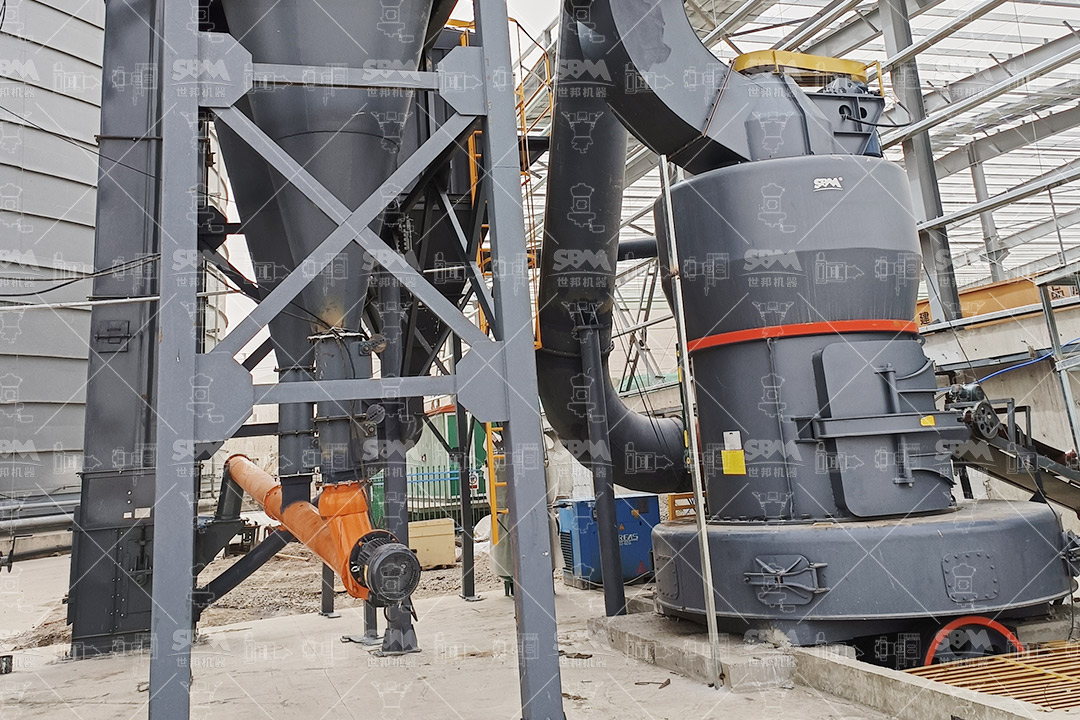
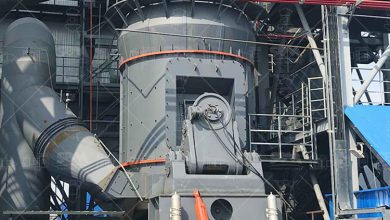
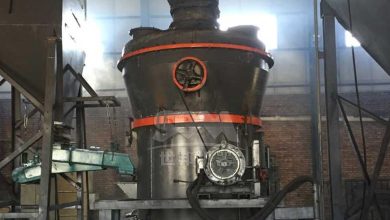
MTW Series Trapezium Mill for General Applications
For nonwoven applications where slightly coarser fillers are acceptable, or for operations requiring higher throughput capacities, the MTW Series Trapezium Mill provides an excellent balance of performance and efficiency. With output fineness from 30 to 325 mesh (down to 0.038mm), this system covers the broader range of calcium carbonate requirements for thermobonded, needlepunched, and certain spunbond nonwovens.
The MTW Series incorporates several features that make it particularly suitable for industrial-scale calcium carbonate production:
- Anti-wear shovel design with combined blades that reduce maintenance costs
- Curved air channel optimization that minimizes air flow energy loss and improves transmission efficiency
- Bevel gear integral transmission achieving 98% transmission efficiency with space-saving design
- Wear-resistant volute structure with non-blocking design that enhances air classification efficiency
Available in multiple configurations from the MTW110 (3-9 ton/h) to the high-capacity MRN218 (15-45 ton/h), the MTW Series can be precisely matched to production requirements. The system’s patented internal oil lubrication system and advanced pulse dust collection technology ensure reliable operation with minimal environmental impact.
Quality Control and Testing Protocols
Implementing rigorous quality control measures is essential when producing calcium carbonate for nonwoven applications. Standard testing should include:
- Laser particle size analysis with particular attention to the top cut (D98 and D100)
- Specific surface area measurement (BET method) to confirm surface treatment effectiveness
- Loss on ignition (LOI) to verify carbonate content and moisture levels
- Screen residue testing using 325 mesh and 625 mesh screens to detect oversize particles
- Whiteness measurement using standardized lighting conditions
- Rheological testing in representative polymer systems to predict processability
Establishing a comprehensive certificate of analysis for each batch ensures consistency and facilitates trouble-free incorporation into nonwoven manufacturing processes. Many producers maintain statistical process control charts for critical parameters to identify trends before they result in non-conforming material.
Future Trends in Calcium Carbonate Usage for Nonwovens
The role of calcium carbonate in nonwoven fabrics continues to evolve, with several emerging trends shaping future applications:
- Nanoscale fillers: Development of calcium carbonate nanoparticles for high-loading applications with minimal property compromise
- Surface modification advances: New coupling agents and treatment methods that improve compatibility with engineering polymers
- Sustainable sourcing: Increased focus on calcium carbonate from renewable or recycled sources
- Multifunctional fillers: Surface treatments that impart additional properties such as antimicrobial activity or flame retardancy
- Intelligent processing: AI-driven grinding systems that automatically adjust parameters to maintain optimal particle characteristics
As nonwoven applications continue to diversify into more technically demanding areas, the standards for calcium carbonate quality and consistency will likely become even more stringent, driving further innovation in grinding and classification technology.
Conclusion
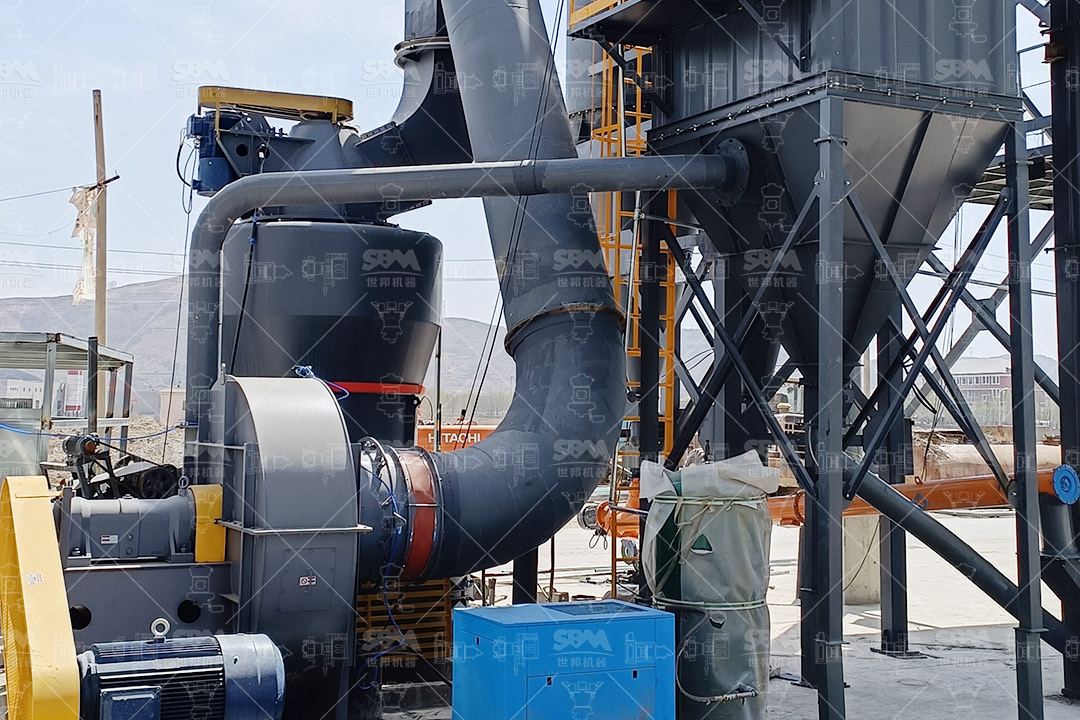
The addition of calcium carbonate in nonwoven fabric production represents a well-established practice that delivers significant benefits in cost reduction, optical properties, and processing characteristics. However, realizing these benefits requires strict adherence to technical standards regarding particle size, surface treatment, chemical purity, and loading levels. The selection of appropriate grinding technology, such as the SCM Series Ultrafine Mill for high-precision applications or the MTW Series Trapezium Mill for general-purpose production, plays a crucial role in meeting these standards consistently.
As nonwoven technologies advance and application requirements become more demanding, the importance of high-quality, consistently manufactured calcium carbonate will only increase. Producers who invest in advanced grinding systems and implement rigorous quality control protocols will be best positioned to serve this evolving market while helping nonwoven manufacturers optimize their products and processes.