
What is the Future of Calcium Carbonate Market and the Role of Superfine Grinding Mills?
Introduction: The Expanding World of Calcium Carbonate
The global calcium carbonate market stands at a pivotal juncture, projected to reach USD 68.5 billion by 2028, growing at a CAGR of 5.8%. This ubiquitous mineral, found in everything from pharmaceuticals and plastics to construction materials and food products, is undergoing a significant transformation driven by technological advancements and evolving industry demands. At the heart of this transformation lies the critical process of particle size reduction, where superfine grinding technology is revolutionizing what’s possible with calcium carbonate applications.
The traditional boundaries of calcium carbonate usage are being pushed as industries discover the enhanced properties of ultra-fine and nano-sized particles. From improving mechanical strength in composites to enhancing opacity in papers and enabling controlled drug release in pharmaceuticals, the quest for finer, more consistent particles has never been more crucial. This article explores the future trajectory of the calcium carbonate market and examines how advanced grinding technologies, particularly superfine grinding mills, are shaping this evolution.
Market Dynamics and Future Growth Drivers
Industry-Specific Demand Patterns
The paper industry, historically the largest consumer of calcium carbonate, continues to drive demand for high-quality fillers and coating pigments. However, the most significant growth is emerging from non-traditional sectors. The plastics industry’s shift toward calcium carbonate as a sustainable filler and reinforcement agent is creating new market opportunities. In polypropylene composites, for instance, nano-sized calcium carbonate particles significantly improve impact strength and thermal stability while reducing material costs.
The construction sector presents another growth frontier, with calcium carbonate playing crucial roles in cement production, sealants, and architectural coatings. The move toward “green buildings” and sustainable construction materials has accelerated demand for calcium carbonate-based products that offer improved durability and environmental credentials. Additionally, the pharmaceutical and food industries are increasingly adopting ultra-pure, precisely controlled calcium carbonate powders for applications ranging from dietary supplements to anti-caking agents.
Regional Market Developments
Asia-Pacific dominates the calcium carbonate market, accounting for over 45% of global consumption, with China leading both production and consumption. The region’s robust manufacturing sector, coupled with infrastructure development and growing middle-class consumption, continues to fuel demand. North America and Europe are experiencing steady growth, particularly in high-value specialty applications where product quality and consistency are paramount.
Emerging markets in Latin America and Africa are showing increased adoption rates, though infrastructure limitations and technological gaps present both challenges and opportunities for market expansion. The globalization of supply chains is creating more integrated markets, with quality standards becoming increasingly harmonized across regions.
The Technical Evolution: From Coarse to Superfine Grinding
The Limitations of Traditional Grinding Methods
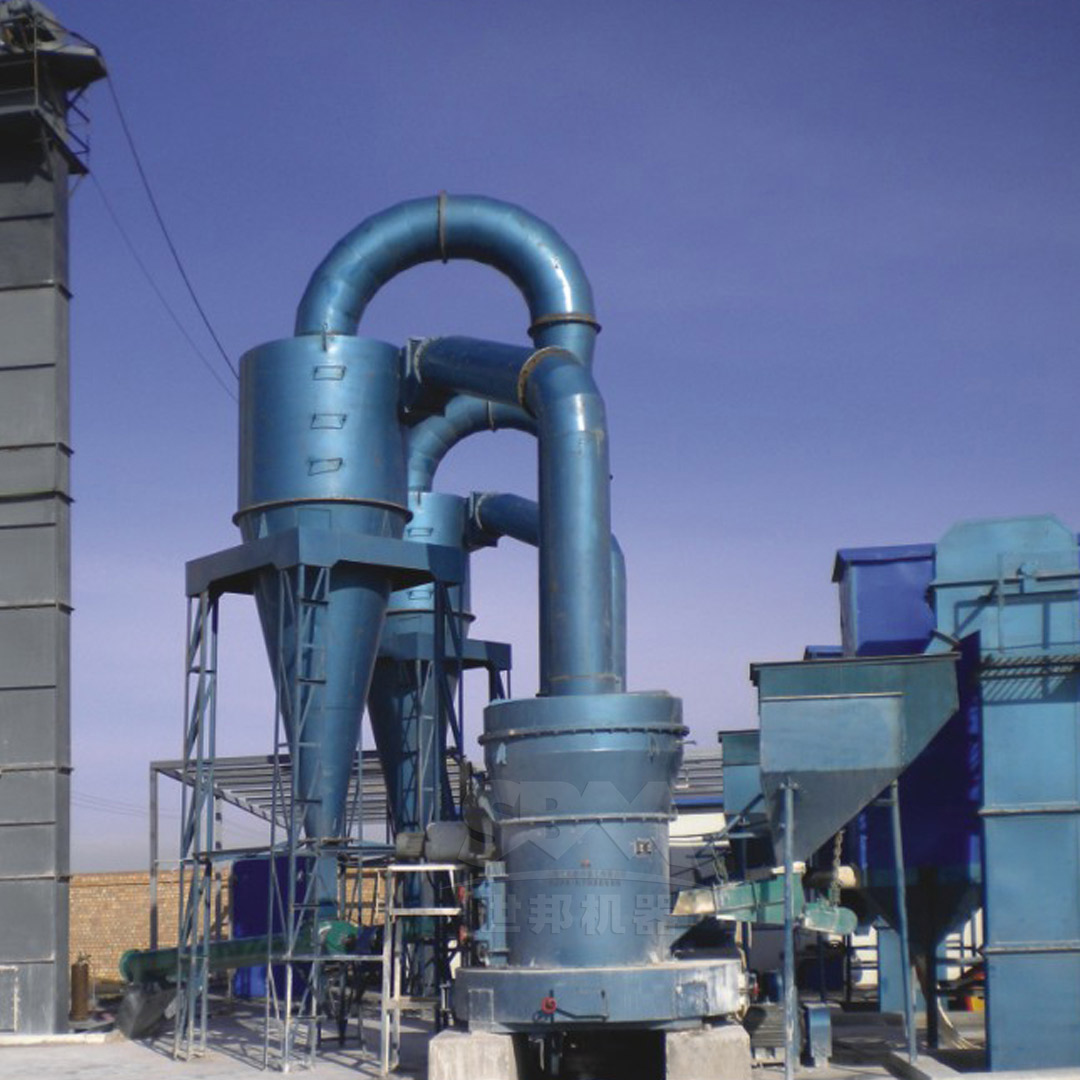
Traditional ball mills and Raymond mills, while effective for coarse to medium-fine grinding, face significant limitations when producing superfine calcium carbonate powders. These limitations include:
- High energy consumption relative to output
- Limited control over particle size distribution
- Contamination from grinding media wear
- Thermal degradation of sensitive materials
- Inconsistent product quality between batches
As market requirements evolved toward finer particles and tighter specifications, these limitations became increasingly problematic, driving the development of more advanced grinding technologies.
The Rise of Superfine Grinding Technology
Superfine grinding represents a paradigm shift in particle size reduction, moving beyond simple comminution to precision engineering of particle characteristics. Modern superfine grinding mills incorporate advanced features such as:
- Precision air classification systems
- Advanced material handling and feeding mechanisms
- Intelligent control systems for process optimization
- Energy-efficient designs reducing specific power consumption
- Modular configurations for flexible production
These technological advancements have enabled manufacturers to produce calcium carbonate powders with precisely controlled particle size distributions, surface characteristics, and purity levels that were previously unattainable.
SCM Ultrafine Mill: Revolutionizing Calcium Carbonate Processing
Technical Superiority for Modern Applications
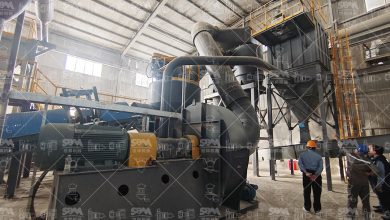
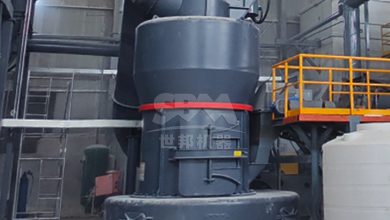
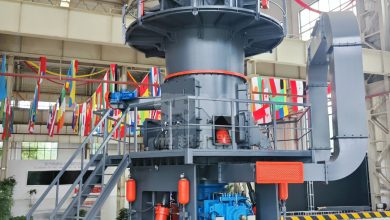
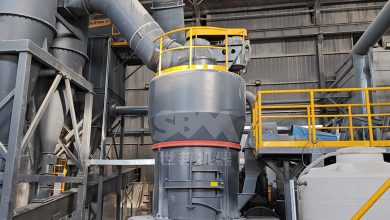
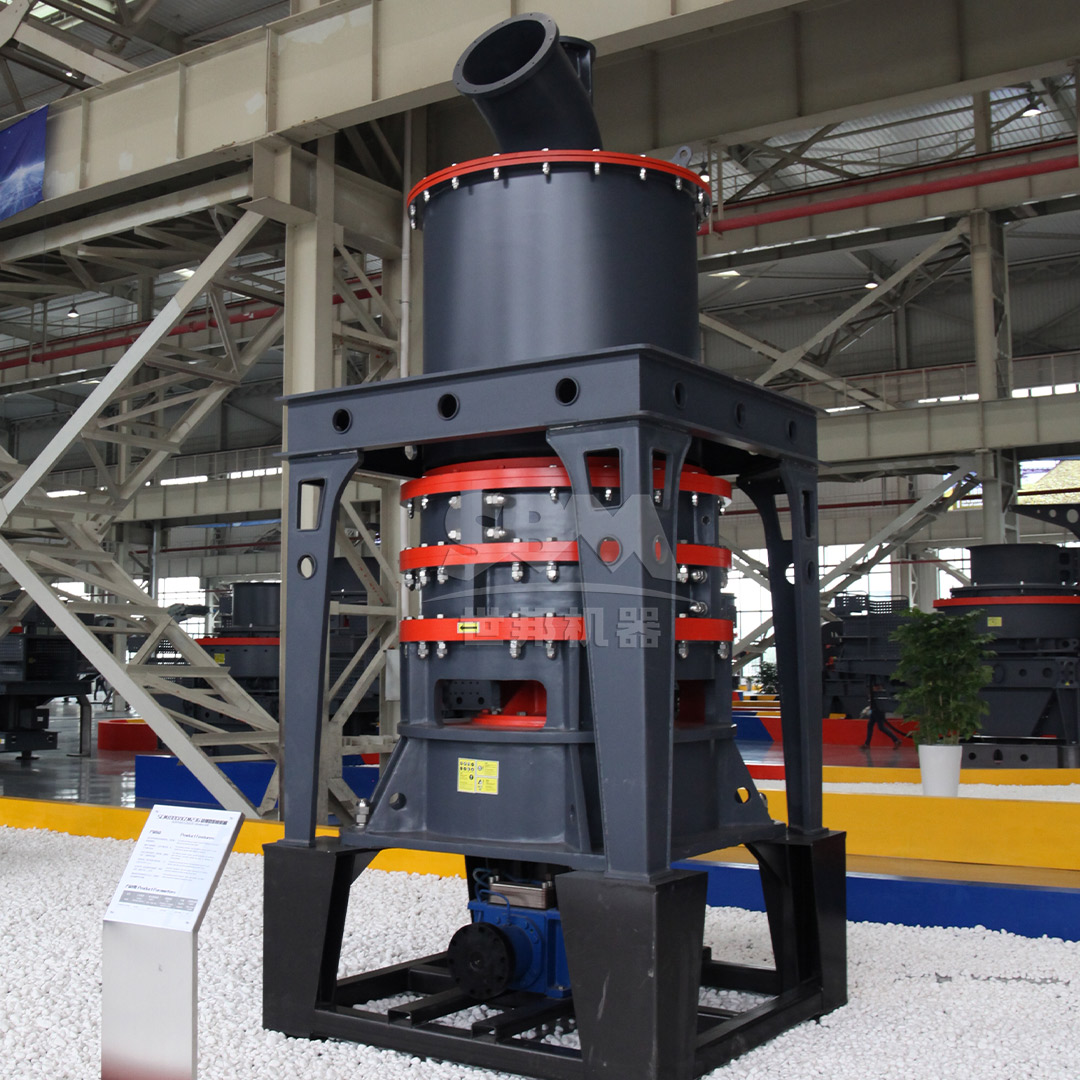
Among the advanced grinding solutions available today, the SCM Ultrafine Mill stands out as a particularly effective solution for calcium carbonate processing. This innovative mill represents the culmination of decades of grinding technology development, specifically engineered to meet the demanding requirements of superfine powder production.
The SCM series achieves remarkable fineness levels of 325-2500 mesh (D97≤5μm) while maintaining throughput rates of 0.5-25 tons per hour, depending on the specific model. This combination of high throughput and exceptional fineness makes it ideal for high-volume production of premium-grade calcium carbonate powders.
Key Technological Advantages
The SCM Ultrafine Mill incorporates several groundbreaking features that deliver tangible benefits for calcium carbonate producers:
- Enhanced Energy Efficiency: Operating at approximately 30% lower energy consumption compared to conventional jet mills while delivering twice the production capacity, the SCM series significantly reduces operating costs.
- Precision Classification: The integrated vertical turbine classifier ensures precise particle size control with no coarse powder contamination, guaranteeing consistent product quality.
- Durability and Reliability: Specially engineered grinding rollers and rings manufactured from wear-resistant materials extend component life by multiple times compared to conventional designs.
- Environmental Compliance: With pulse dust collection efficiency exceeding international standards and noise levels maintained below 75dB, the SCM series meets the most stringent environmental regulations.
Application-Specific Performance
For calcium carbonate processors targeting high-value markets, the SCM Ultrafine Mill delivers exceptional results across multiple applications:
- Paper Coating Grades: Produces powders with optimal particle size distribution for superior opacity, brightness, and printability.
- Plastics Composites: Generates precisely controlled ultra-fine particles that enhance mechanical properties while maintaining excellent dispersion.
- Pharmaceutical Applications: Capable of producing high-purity, precisely sized powders meeting pharmacopeia standards.
- Advanced Materials: Enables production of nano-sized calcium carbonate for specialized applications in rubber, adhesives, and sealants.
The modular design of the SCM series, with models ranging from the compact SCM800 (0.5-4.5 ton/h) to the high-capacity SCM1680 (5.0-25 ton/h), ensures that processors can select the optimal configuration for their specific production requirements.
Complementary Technology: The MTW Series Trapezium Mill
Bridging the Gap Between Conventional and Superfine Grinding
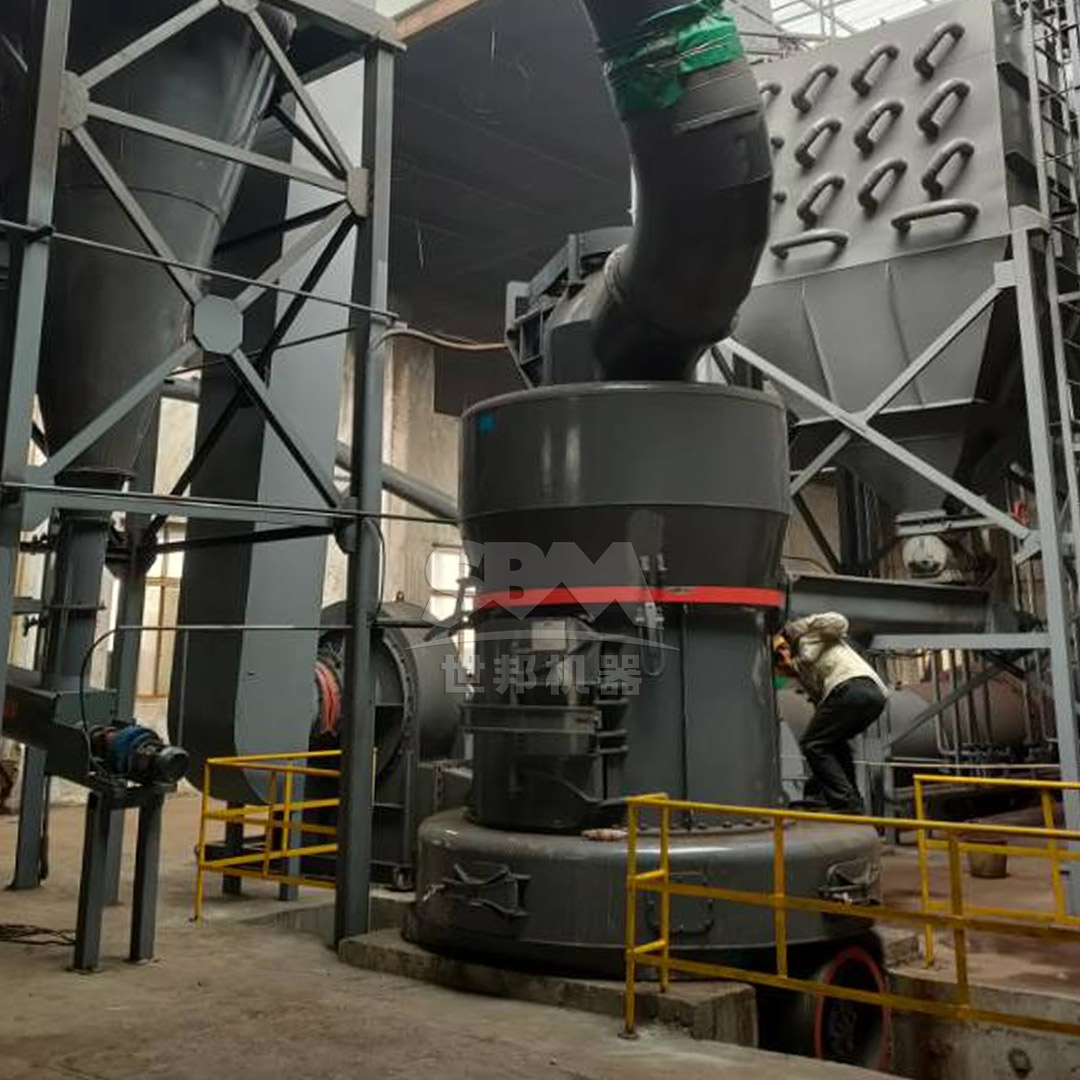
While the SCM Ultrafine Mill excels at producing the finest calcium carbonate powders, many applications require intermediate fineness levels where the MTW Series Trapezium Mill delivers outstanding performance. This advanced mill produces powders in the 30-325 mesh range (down to 0.038mm) with throughput capacities of 3-45 tons per hour.
The MTW series incorporates several innovative features that make it particularly suitable for calcium carbonate processing:
- Advanced Wear Protection: Combination shovel design and curved surface engineering extend component life and reduce maintenance costs.
- Optimized Airflow: Curved air duct design minimizes energy loss while improving material transport efficiency.
- High-Efficiency Drive System: Integrated bevel gear transmission achieves 98% drive efficiency while reducing installation footprint.
- Enhanced Collection Systems: Wear-resistant volute structure with non-blocking design improves separation efficiency.
Strategic Application in Calcium Carbonate Production
The MTW Trapezium Mill serves as an ideal solution for specific calcium carbonate processing scenarios:
- Pre-grinding Applications: Efficiently reduces raw material to intermediate sizes before final superfine grinding.
- Cost-Sensitive Markets: Delivers excellent performance for applications that don’t require ultra-fine specifications.
- Integrated Production Lines: Complements superfine grinding systems by handling specific product grades within a diversified product portfolio.
With models ranging from the MTW110 (3-9 ton/h) to the high-capacity MTW215G (15-45 ton/h), the MTW series offers calcium carbonate processors flexible, efficient solutions for medium-fine powder production.
Future Market Trends and Technological Convergence
Integration with Digital Technologies
The future of calcium carbonate processing lies in the convergence of advanced grinding technologies with digitalization. Smart mills equipped with IoT sensors, real-time monitoring systems, and AI-driven optimization algorithms are becoming the new standard. These systems enable:
- Predictive maintenance based on actual component wear
- Automatic adjustment of operating parameters to maintain consistent product quality
- Remote monitoring and control capabilities
- Integration with plant-wide management systems
The SCM Ultrafine Mill’s intelligent control system, which automatically maintains finished product particle size through continuous feedback, represents an early implementation of these principles that will become increasingly sophisticated.
Sustainability and Circular Economy Integration
Environmental considerations are reshaping calcium carbonate production, with emphasis on:
- Energy-efficient processes that minimize carbon footprint
- Water conservation through dry processing routes
- Utilization of waste streams as raw materials
- Closed-loop systems that minimize emissions and waste
Advanced grinding technologies like the SCM and MTW series contribute to these sustainability goals through their exceptional energy efficiency, minimal waste generation, and compliance with stringent environmental standards.
Customization and Application-Specific Solutions
The one-size-fits-all approach to calcium carbonate production is giving way to highly customized solutions tailored to specific applications. Future grinding systems will offer:
- Modular designs that can be configured for specific product characteristics
- Integrated surface modification capabilities
- Flexible production systems capable of rapid product changeovers
- Application-specific optimization for emerging uses in bioplastics, advanced composites, and functional materials
Conclusion: Positioning for Future Success
The calcium carbonate market’s future is intrinsically linked to advancements in grinding technology. As applications become more sophisticated and quality requirements more stringent, the ability to produce precisely controlled, consistent powders will separate market leaders from followers. Superfine grinding mills like the SCM Ultrafine Mill are no longer specialized tools but essential components of competitive calcium carbonate production.
For processors looking to capitalize on emerging opportunities in high-value markets, investing in advanced grinding technology represents a strategic imperative. The combination of exceptional product quality, operational efficiency, and environmental compliance offered by modern grinding systems provides a foundation for sustainable growth in an increasingly competitive global market.
As we look toward the future, the continued evolution of grinding technology will undoubtedly unlock new applications and market opportunities for calcium carbonate. The companies that embrace these technological advancements today will be best positioned to lead the market tomorrow.