What is the Feed Size for a Raymond Mill, and Can It Grind Very Fine Powder?
Introduction to Raymond Mill Feed Size and Fine Grinding Capabilities
Raymond mills, also known as pendulum roller mills, have been a cornerstone of industrial grinding operations for over a century. These versatile machines are renowned for their reliability and efficiency in processing various non-metallic minerals and materials. One of the most common questions in mineral processing is understanding the feed size limitations of Raymond mills and their capability to produce very fine powders. This comprehensive article explores these critical aspects while introducing advanced alternatives for ultra-fine grinding applications.
Understanding Raymond Mill Feed Size Specifications
Traditional Raymond mills typically accept feed materials with a maximum size of 20-30mm, though this can vary depending on the specific model and configuration. The feed size limitation is primarily determined by the grinding mechanism, which relies on centrifugal force to swing rollers against a grinding ring. Larger particles can cause excessive wear, reduce grinding efficiency, and potentially damage internal components.
The optimal feed size for Raymond mills is generally below 25mm, with many models performing best with materials ranging from 5-20mm. This size range ensures efficient material capture between the grinding rollers and ring while maintaining proper material flow through the system. Proper pre-crushing of raw materials is essential to meet these feed size requirements and maximize mill performance.
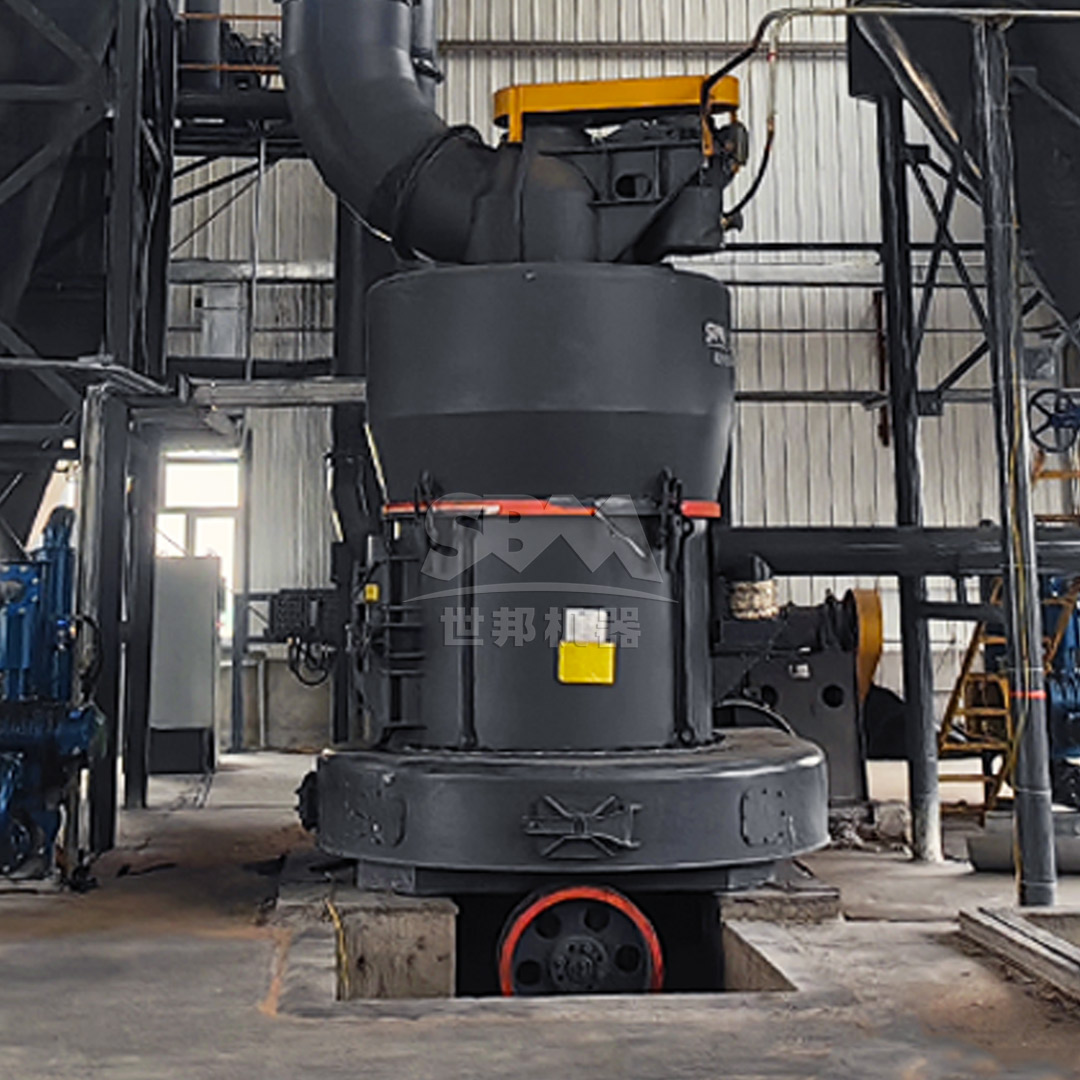
Can Raymond Mills Produce Very Fine Powder?
While Raymond mills excel at producing powders in the medium fineness range (typically 80-325 mesh/180-45μm), they face limitations when attempting to achieve ultra-fine particle sizes below 325 mesh. The fundamental design of traditional Raymond mills presents several challenges for very fine grinding:
- Classification Limitations: The built-in classifiers in standard Raymond mills struggle to efficiently separate particles finer than 325 mesh
- Grinding Force Constraints: The spring-based grinding pressure system may not provide sufficient force for breaking down materials to micron-level fineness
- Airflow Limitations: The internal airflow patterns optimized for medium-fine grinding may not effectively transport and collect ultra-fine particles
- Recirculation Issues: Ultra-fine particles tend to fluidize differently, potentially causing recirculation problems within the grinding chamber
For applications requiring powders finer than 325 mesh, specialized grinding equipment with enhanced classification systems and modified grinding mechanisms becomes necessary.
Advanced Solutions for Ultra-Fine Grinding Applications
For industries requiring very fine powders in the range of 325-2500 mesh (45-5μm), traditional Raymond mills must be supplemented or replaced with specialized ultra-fine grinding equipment. Our company offers cutting-edge solutions specifically engineered to overcome the limitations of conventional grinding systems.
SCM Series Ultrafine Mill: Revolutionizing Fine Powder Production
Our flagship SCM Series Ultrafine Mill represents the pinnacle of fine grinding technology, specifically designed to produce powders in the 325-2500 mesh range (D97≤5μm). This advanced system addresses the limitations of traditional Raymond mills through several innovative features:
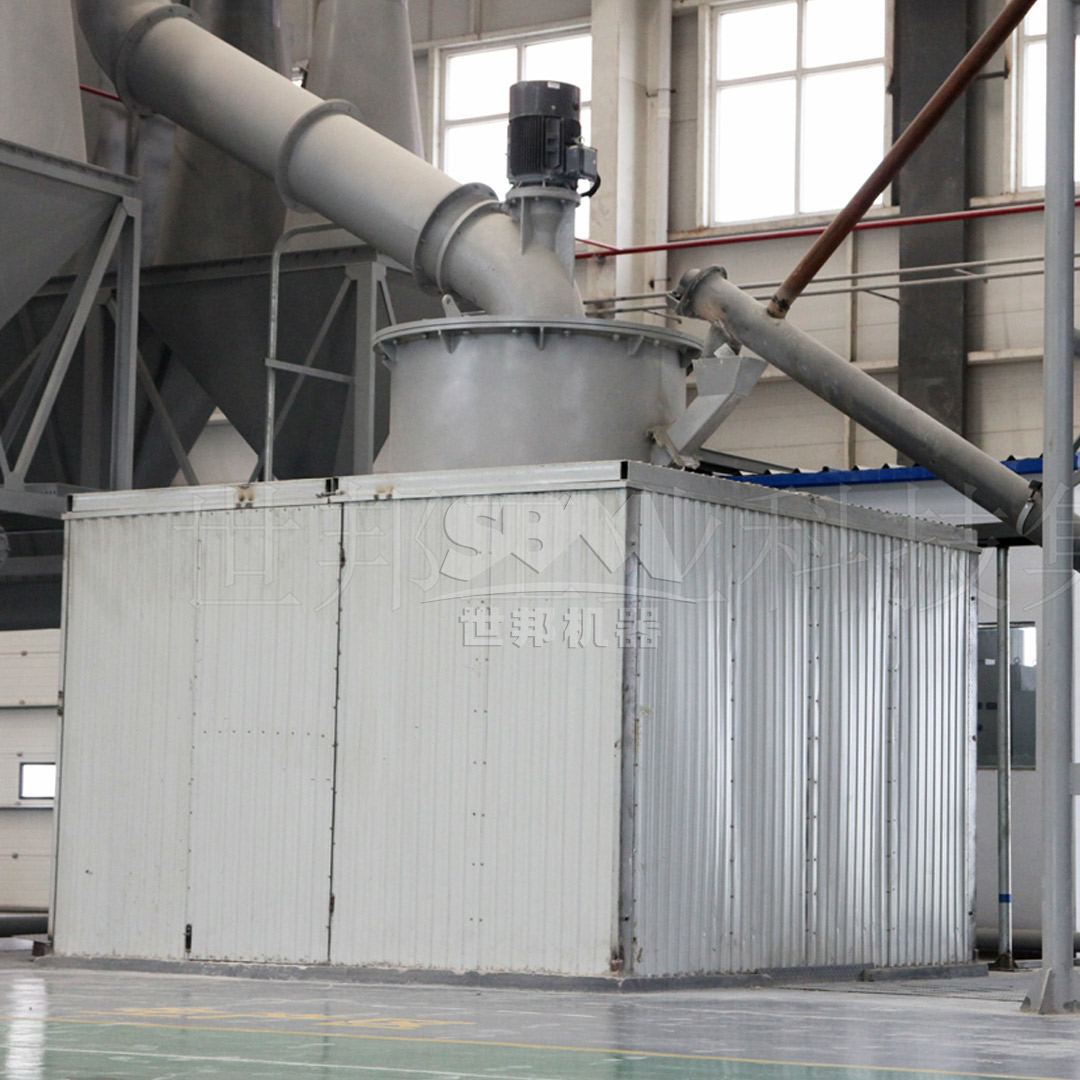
- Enhanced Grinding Mechanism: The SCM mill employs a unique three-layer grinding ring design with specially formulated roller and ring materials that maintain precision even at microscopic particle sizes
- High-Precision Classification: A vertical turbine classifier provides precise particle size切割, ensuring consistent product quality without coarse particle contamination
- Superior Energy Efficiency: With capacity doubling that of jet mills and energy consumption reduced by 30%, the SCM series offers significant operational advantages
- Advanced Control Systems: Intelligent control with automatic feedback on product fineness ensures consistent output quality with minimal operator intervention
The SCM series accommodates feed sizes up to 20mm and offers processing capacities ranging from 0.5-25 tons per hour across different models, making it suitable for both laboratory-scale development and full-scale production.
MTW Series Trapezium Mill: Bridging Conventional and Fine Grinding
For applications requiring finer products than traditional Raymond mills can produce but not necessarily reaching ultra-fine levels, our MTW Series Trapezium Mill provides an excellent intermediate solution. With an output fineness range of 30-325 mesh (up to 0.038mm) and the ability to handle feed sizes up to 50mm, this mill offers exceptional versatility:
- Anti-Wear Shovel Design: Combined shovel blades reduce maintenance costs while curved designs extend roller service life
- Optimized Air Channel: Curved air channels minimize energy loss and improve transmission efficiency with high-strength protective plates
- Integrated Bevel Gear Transmission: Achieving 98% transmission efficiency while saving space and reducing installation costs
- Durable Volute Structure: Non-blocking design enhances air classification efficiency while reducing maintenance costs by 30%
With capacities ranging from 3-45 tons per hour, the MTW series is particularly well-suited for large-scale operations requiring consistent medium-fine powder production.
Technical Comparison: Raymond Mill vs. Specialized Fine Grinding Equipment
| Parameter | Traditional Raymond Mill | SCM Ultrafine Mill | MTW Trapezium Mill |
|---|---|---|---|
| Max Feed Size | 20-30mm | ≤20mm | ≤50mm |
| Output Fineness | 80-325 mesh | 325-2500 mesh | 30-325 mesh |
| Typical Capacity Range | 1-20 t/h | 0.5-25 t/h | 3-45 t/h |
| Energy Consumption | Medium | 30% lower than jet mills | Optimized transmission |
| Classification System | Mechanical | Vertical turbine | Advanced mechanical |
Selecting the Right Equipment for Your Application
Choosing between traditional Raymond mills and specialized fine grinding equipment depends on several factors:
- Required Product Fineness: For powders coarser than 325 mesh, Raymond mills remain cost-effective. For finer requirements, consider SCM ultrafine mills
- Production Volume: High-volume operations may benefit from the larger capacity ranges of MTW series mills
- Material Characteristics: Hardness, moisture content, and abrasiveness influence equipment selection
- Investment and Operating Costs: While specialized equipment may have higher initial costs, their superior efficiency often provides better long-term value
- Space Constraints: Some modern mills offer more compact footprints than traditional Raymond mill configurations
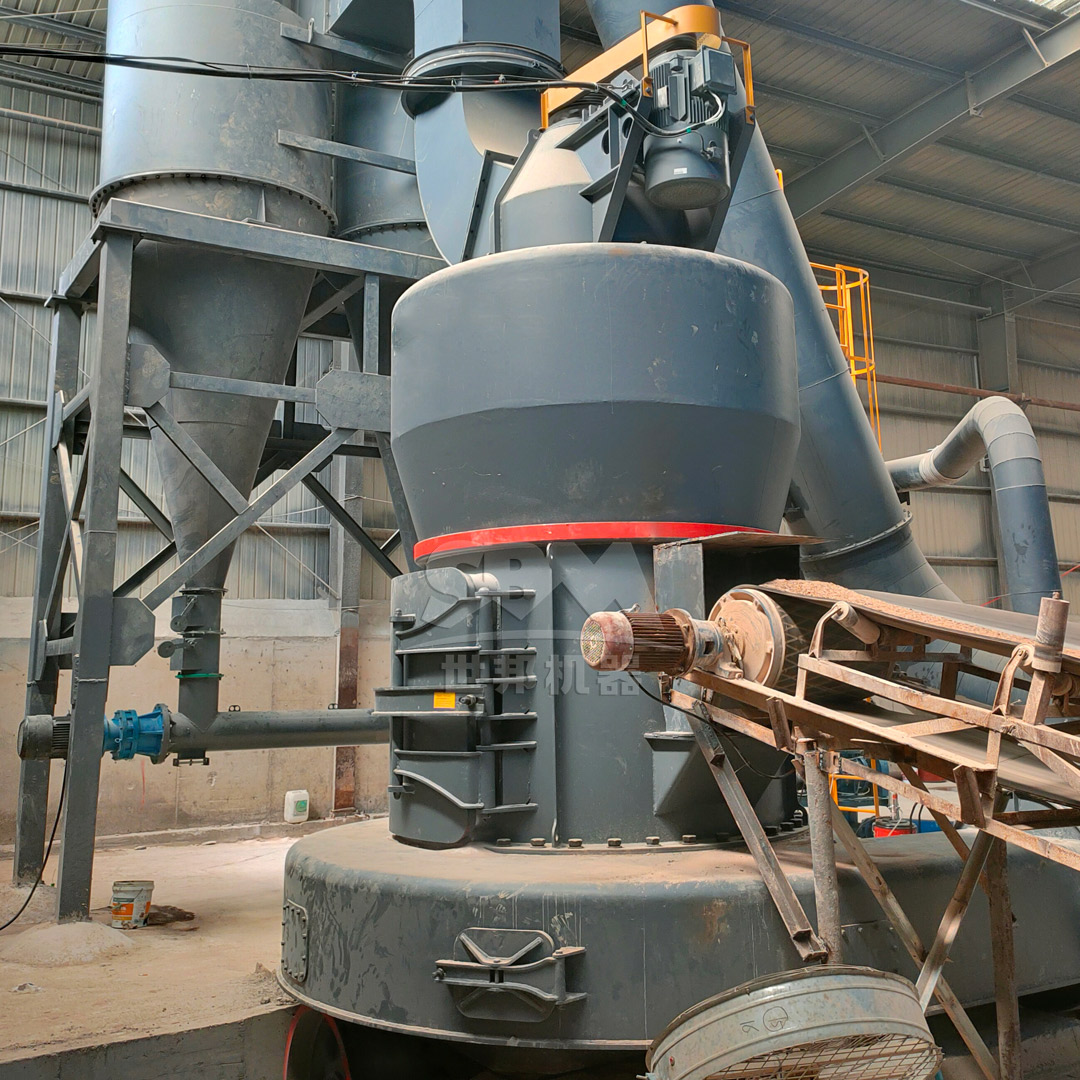
Conclusion: Maximizing Grinding Efficiency with Advanced Technology
While traditional Raymond mills continue to serve important roles in mineral processing, their limitations in producing very fine powders have driven the development of specialized equipment like our SCM Ultrafine Mill and MTW Trapezium Mill. Understanding the relationship between feed size, grinding mechanism, and final product fineness is crucial for selecting the optimal equipment for specific applications.
For operations requiring very fine powders below 325 mesh, our SCM series represents the cutting edge of grinding technology, combining precision classification with energy-efficient operation. Meanwhile, the MTW series offers an excellent balance between conventional Raymond mill reliability and enhanced fine-grinding capabilities. By carefully matching equipment specifications to application requirements, processors can achieve optimal productivity, product quality, and operational economy.
As grinding technology continues to evolve, we remain committed to developing innovative solutions that push the boundaries of what’s possible in powder processing while maintaining the reliability and ease of operation that have made Raymond-style mills an industry standard for generations.