What is the Best Mill for Grinding Slag? A Comprehensive Technical Analysis
Introduction: The Critical Role of Slag Grinding in Modern Industry
Slag, a byproduct of steel production and other metallurgical processes, has transformed from an industrial waste into a valuable resource. Its primary application lies in the production of supplementary cementitious materials (SCMs), such as ground granulated blast-furnace slag (GGBS), which significantly enhances the durability, workability, and sustainability of concrete. The efficiency and quality of this transformation hinge entirely on the grinding process. Selecting the optimal mill for slag grinding is therefore not merely an equipment choice but a strategic decision impacting product quality, operational cost, and environmental footprint. This article delves into the technical requirements for slag grinding and evaluates the most suitable milling technologies, with a focus on advanced vertical roller mill solutions.
Key Challenges and Technical Requirements for Slag Grinding
Slag presents unique challenges that not all grinding equipment can handle effectively. Understanding these is crucial for mill selection.
Abrasive Nature and Wear Resistance
Slag typically contains hard, abrasive minerals. Equipment components in direct contact with the material, such as rollers, tables, and liners, must possess exceptional wear resistance to ensure long service life and maintain consistent product fineness.
Moisture Content and Drying Needs
Slag can have varying moisture levels. An ideal grinding system often integrates a drying function, using hot gases to dry the material during comminution, simplifying the process flow and improving efficiency.
Target Fineness and Specific Surface Area
For use in high-performance concrete, slag must be ground to a very fine powder, often targeting a specific surface area (Blaine) of 400-600 m²/kg or higher. The mill must deliver precise particle size control and a narrow particle size distribution.
Energy Consumption
Grinding is inherently energy-intensive. The best mill for slag must offer high grinding efficiency, translating to lower kWh/ton, which is the single largest contributor to operational cost.
Evaluation of Common Mill Types for Slag Application
Ball Mills
Traditionally used, ball mills are robust but suffer from high energy consumption (typically 40-50 kWh/ton for slag) and significant wear. Their efficiency drops considerably for fine grinding, making them less economical for modern, high-volume slag processing plants seeking low operating costs.
Roller Presses with Ball Mills (Hybrid Systems)
These systems use a roller press for pre-grinding followed by a ball mill for finish grinding. They offer better energy efficiency than standalone ball mills but involve a more complex layout, higher capital cost, and maintenance requirements for two major pieces of equipment.
Vertical Roller Mills (VRM): The Modern Standard
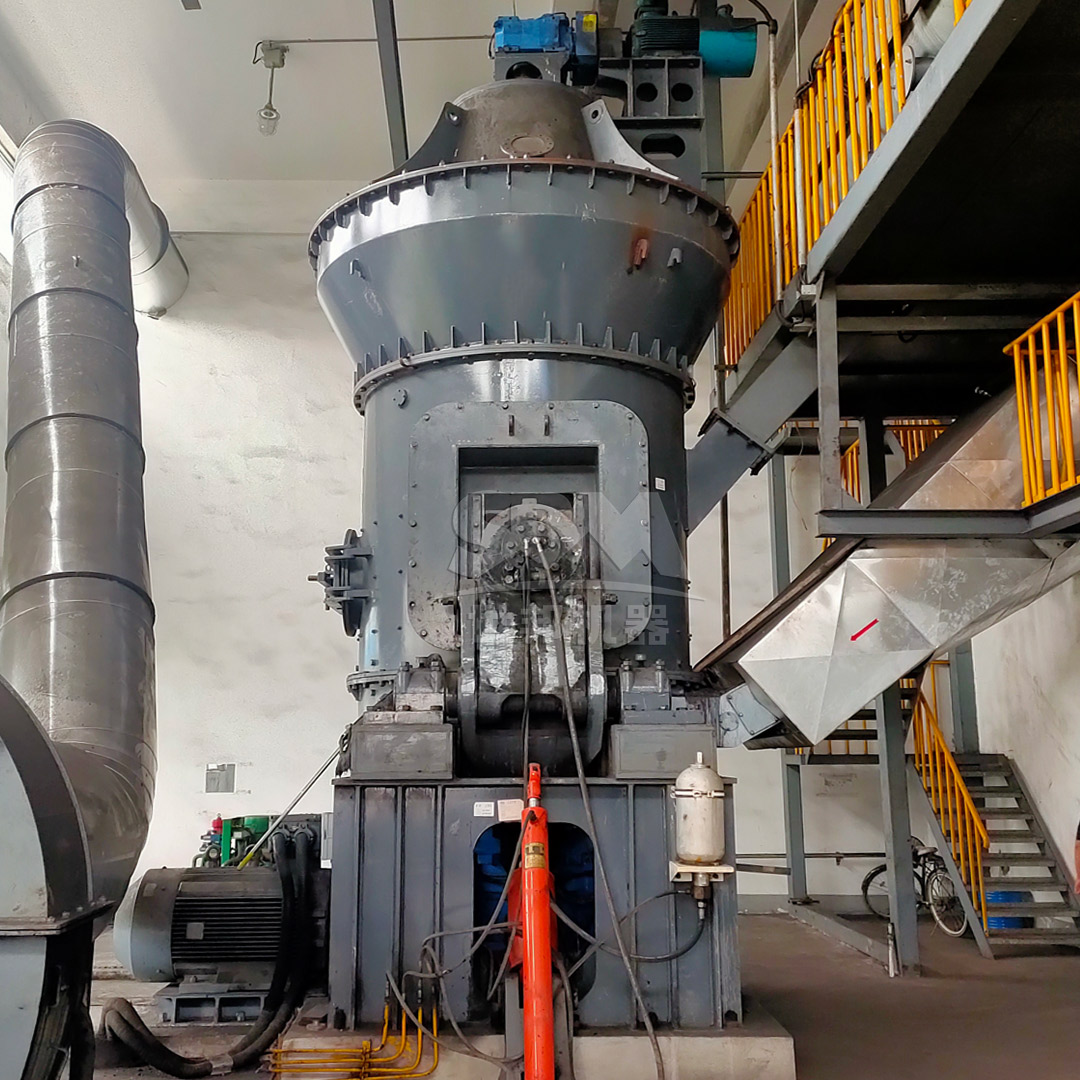
Over the past two decades, Vertical Roller Mills have become the technology of choice for slag grinding. They address the core challenges effectively:
- High Grinding Efficiency: The bed grinding principle, where material is crushed between rollers and a rotating table, is significantly more efficient than the impact/attrition of ball mills, reducing energy consumption by 30-50%.
- Integrated Drying: Hot gas is introduced directly into the grinding chamber, allowing simultaneous drying and grinding.
- Excellent Wear Protection: Advanced designs feature hardfaced rollers and tables with long service intervals.
- Precise Classification: Internal or external dynamic classifiers allow for real-time adjustment of product fineness.
In-Depth Focus: The LM Series Vertical Roller Mill for Slag
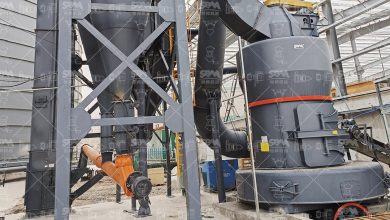
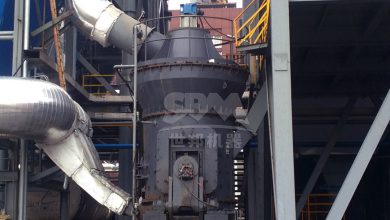
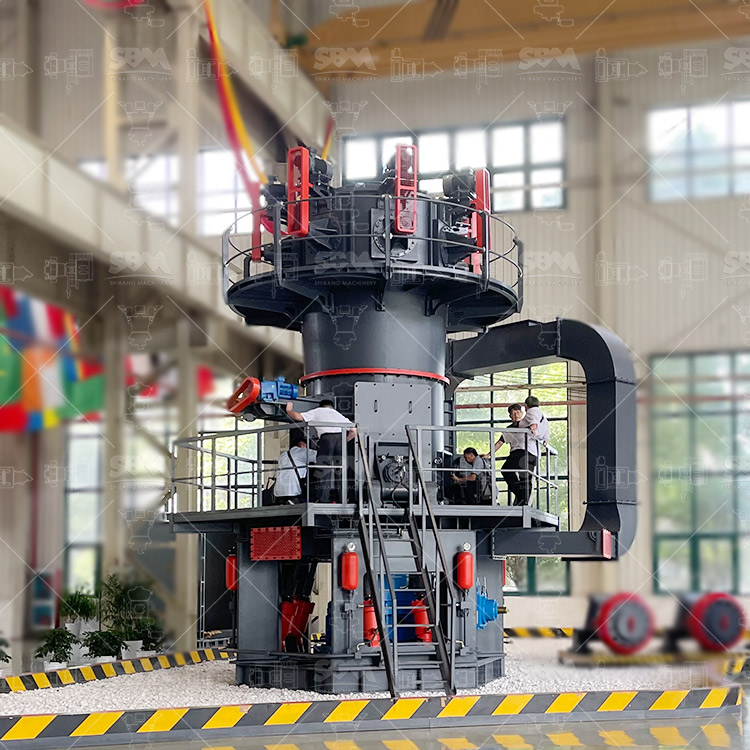
Among VRM technologies, our LM Series Vertical Roller Mill stands out as a premier solution specifically engineered for materials like slag. Its design philosophy integrates every requirement for efficient, reliable, and profitable slag processing.
Core Advantages for Slag Grinding
- Integrated & Compact Design (LM Series Advantage #1): The system incorporates crushing, grinding, drying, classification, and conveying in a single unit. This reduces plant footprint by approximately 50% and slashes civil engineering costs by up to 40% compared to traditional ball mill systems.
- Superior Energy Efficiency (LM Series Advantage #2): Leveraging the efficient bed-grinding mechanism and an optimized drive system, the LM mill consumes 30-40% less energy than a ball mill for the same output. This is the most critical factor for total cost of ownership.
- Durability & Low Operating Cost: Key wear parts like grinding rollers and the table are made from special alloy materials. The non-contact design between rollers and table in the standby mode further minimizes wear. Our patented quick-change system for roller assemblies drastically reduces maintenance downtime.
- Intelligent Control & Stability: The mill is equipped with an expert-level automatic control system. It continuously monitors parameters like grinding pressure, differential pressure, and motor load, ensuring stable operation and consistent product quality with minimal manual intervention.
- Environmental Compliance: The fully sealed negative pressure operation ensures no dust leakage. Combined with a high-efficiency pulse bag filter, dust emissions are kept well below international standards. The mill’s design also incorporates effective noise reduction measures.
Technical Specifications: LM Vertical Slag Mill Series
Our LM Series offers a range of models to match any production requirement:
- LM130N: Capacity 4-12 t/h | Main Power 200 kW
- LM190N: Capacity 12-35 t/h | Main Power 500 kW
- LM280N: Capacity 30-65 t/h | Main Power 1000 kW
- LM370N: Capacity 65-110 t/h | Main Power 3300 kW
These mills are capable of producing slag powder with a specific surface area exceeding 4500 cm²/g (Blaine), perfectly suited for high-grade GGBS.
Alternative for Ultra-Fine Slag Products: The SCM Series Ultrafine Mill
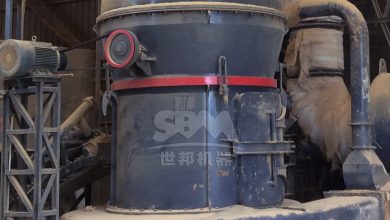
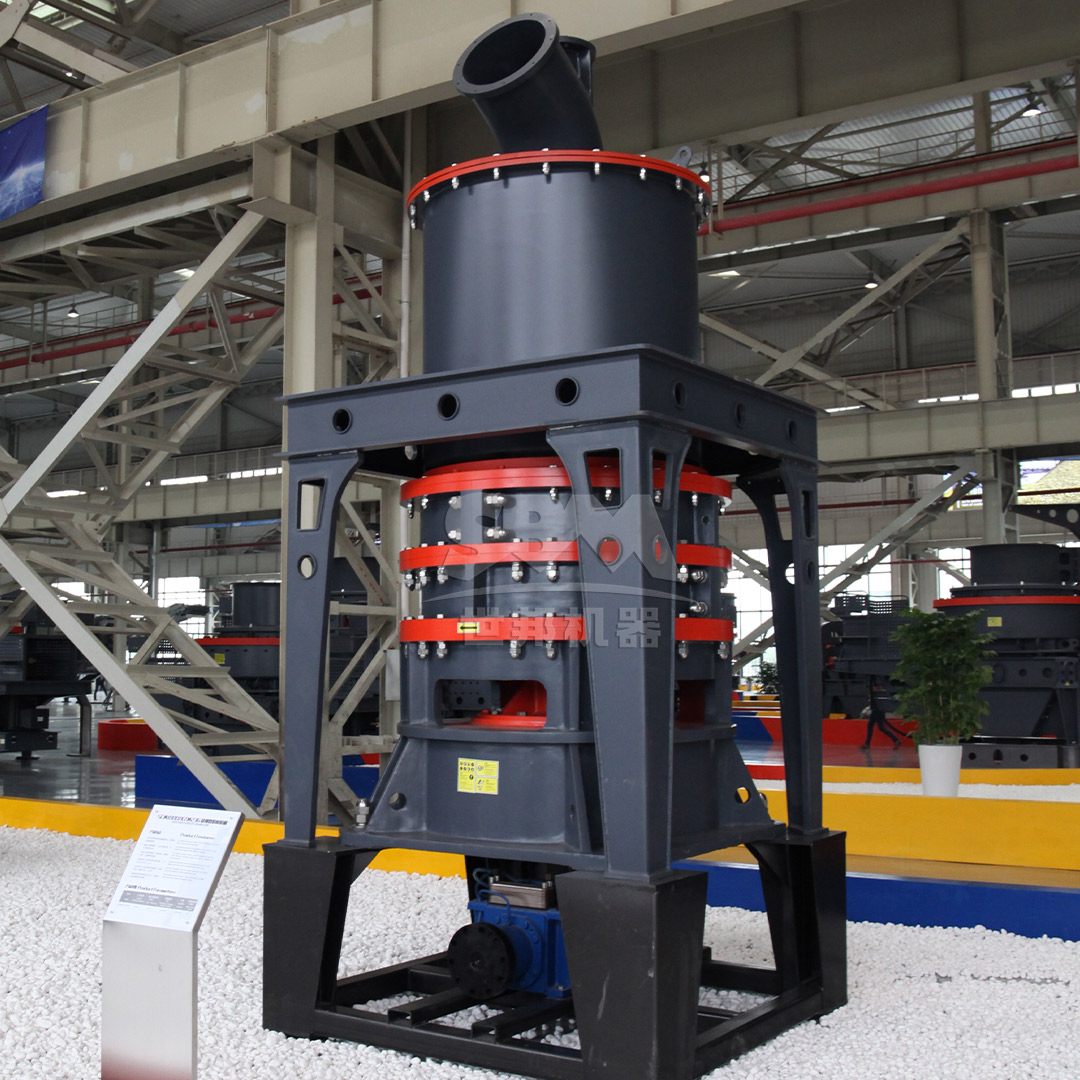
For applications requiring even finer slag powder, such as high-performance concrete admixtures or specialty chemical applications, a different technology is needed. Our SCM Series Ultrafine Mill is the ideal choice for producing micro- and nano-powders from slag.
Why SCM for Ultra-Fine Grinding?
- Exceptional Fineness: It can achieve an output range of 325-2500 mesh (45-5μm), far surpassing the capabilities of standard VRMs.
- High-Precision Classification: The integrated vertical turbine classifier ensures precise particle size cuts, resulting in a uniform product with no coarse powder mixing.
- Energy Efficient for its Class: Compared to traditional jet mills, the SCM offers double the capacity with approximately 30% lower energy consumption, thanks to its layered grinding principle.
- Durable & Eco-friendly: Special material rollers and rings provide extended service life. The system operates under full pulse dust collection, ensuring a clean working environment.
For a project aiming to produce premium, ultra-fine slag powder for niche markets, the SCM1000 or SCM1250 model would be a highly recommended solution, offering a capacity of 1.0-14 t/h at these extreme fineness levels.
Conclusion: Making the Optimal Choice
The question “What is the best mill for grinding slag?” has a clear answer in the context of modern, large-scale, and cost-conscious production: the Vertical Roller Mill. Specifically, our LM Series Vertical Roller Mill provides an unmatched combination of grinding efficiency, low operating costs, reliability, and environmental performance, making it the industry benchmark for GGBS production.
For producers targeting the ultra-fine segment of the market, the SCM Series Ultrafine Mill represents the cutting edge in fine grinding technology, enabling the transformation of slag into high-value additives.
The final selection between these two excellent options depends on your specific product target, required capacity, and investment parameters. A thorough analysis of your slag’s characteristics and end-product goals, coupled with consultation with our technical team, will ensure you invest in the optimal grinding solution for long-term success.