What is the Best Mill for Grinding Bentonite to 1250 Mesh?
Introduction: The Challenge of Ultra-Fine Bentonite Grinding
Bentonite, a clay mineral primarily composed of montmorillonite, has become an indispensable material across numerous industries including foundry, drilling mud, construction, pharmaceuticals, and environmental applications. The unique properties of bentonite – particularly its swelling capacity, viscosity, and adsorption characteristics – are heavily dependent on particle size distribution. Achieving a consistent 1250 mesh (approximately 10-12 microns) presents significant technical challenges that require specialized milling equipment capable of delivering precise particle control while maintaining economic viability.
The transformation of raw bentonite into high-value ultra-fine powder demands careful consideration of multiple factors: moisture content, hardness variation, desired output specifications, and production scale. This comprehensive analysis examines the technical requirements for 1250 mesh bentonite grinding and identifies the most suitable milling technologies for this demanding application.
Technical Requirements for 1250 Mesh Bentonite Production
Particle Size Specifications
Grinding bentonite to 1250 mesh (D97 ≤ 12μm) requires equipment capable of precise particle size control with narrow distribution curves. At this fineness level, the clay develops maximum surface area, which directly enhances its performance in applications such as viscosity modification, adsorption capacity, and reactivity. The ideal milling system must consistently achieve this target while minimizing the presence of both oversize particles (which reduce product quality) and excessive ultrafines (which can increase production costs).
Material Characteristics Considerations
Bentonite’s inherent properties significantly impact milling efficiency. With moisture content typically ranging from 8-15% in its natural state, bentonite can exhibit both abrasive and adhesive characteristics that challenge conventional grinding systems. The clay’s plate-like crystal structure requires selective breakage along cleavage planes rather than random fracturing. Additionally, bentonite’s tendency to absorb moisture and swell necessitates controlled temperature management during grinding to prevent degradation of its colloidal properties.
Production Capacity Requirements
The optimal mill selection must align with production targets, which can range from small-scale specialty chemical applications (0.5-2 ton/h) to large industrial operations (10-25+ ton/h). Throughput efficiency becomes particularly critical at 1250 mesh, where increased specific surface area dramatically reduces mass flow rates compared to coarser grinds. Energy consumption per ton of finished product emerges as a decisive economic factor in mill selection.
Evaluation of Mill Technologies for Ultra-Fine Bentonite Grinding
Traditional Ball Mills
While ball mills have been widely used in mineral processing, they face significant limitations for 1250 mesh bentonite production. Their inherent design characteristics result in relatively broad particle size distributions, making consistent D97 control challenging. Energy efficiency declines dramatically as target fineness increases beyond 400 mesh, with specific energy consumption for 1250 mesh production typically exceeding 100 kWh/ton. Additionally, iron contamination from grinding media can adversely affect bentonite’s chemical properties in sensitive applications.
Raymond Mills (MTM/MTW Series)
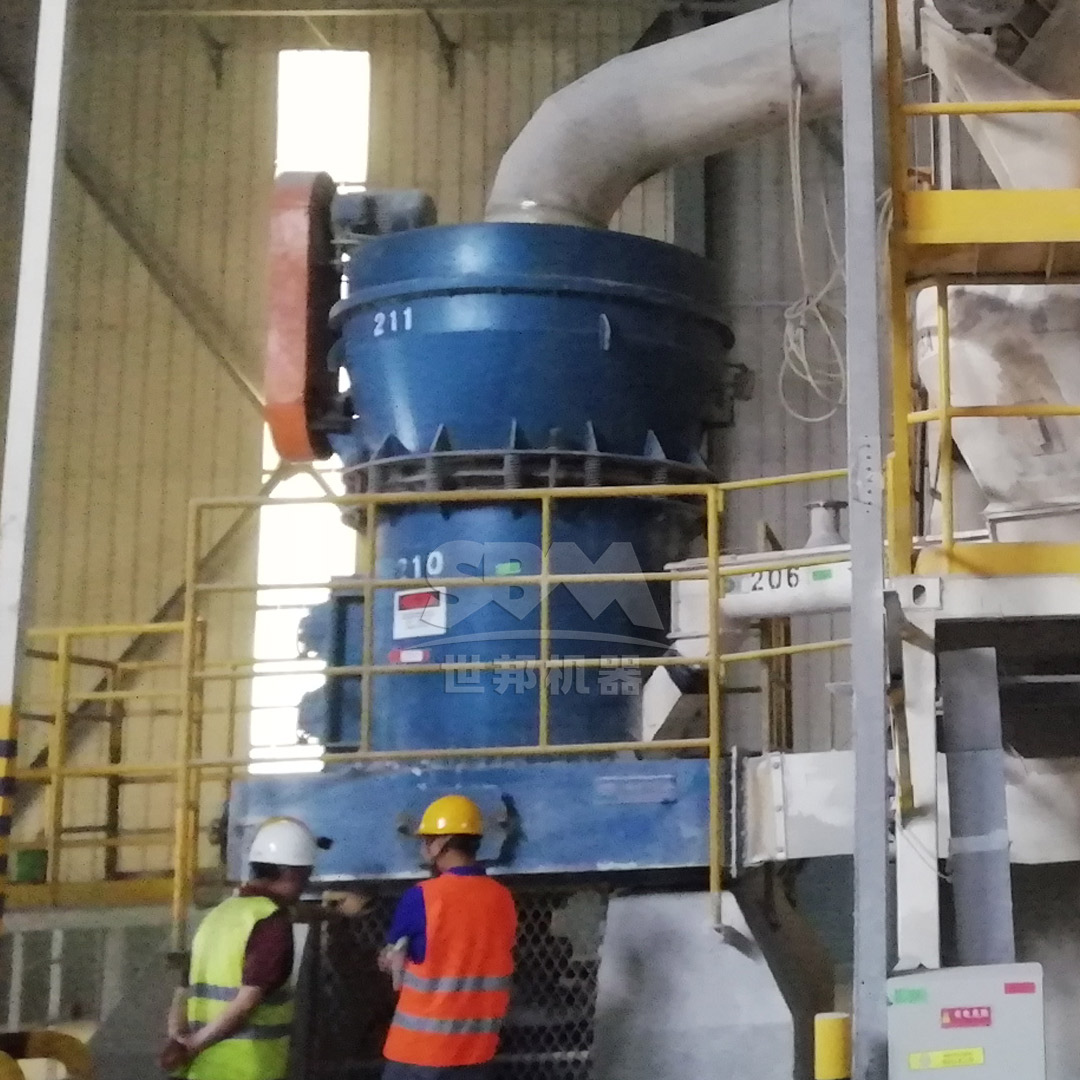
Raymond mill technology, particularly the MTW Series European Trapezium Mill, offers improved efficiency for medium-fine grinding applications. With output ranges typically spanning 30-325 mesh, these systems can be pushed to finer outputs but face limitations at the 1250 mesh threshold. The MTW Series features several technological advancements including curved air duct design that reduces energy loss and combined blade wear-resistant components that lower maintenance costs. However, for consistent 1250 mesh production, the technology requires significant system modifications and may struggle with classification efficiency at this fineness level.
Vertical Roller Mills (LM Series)
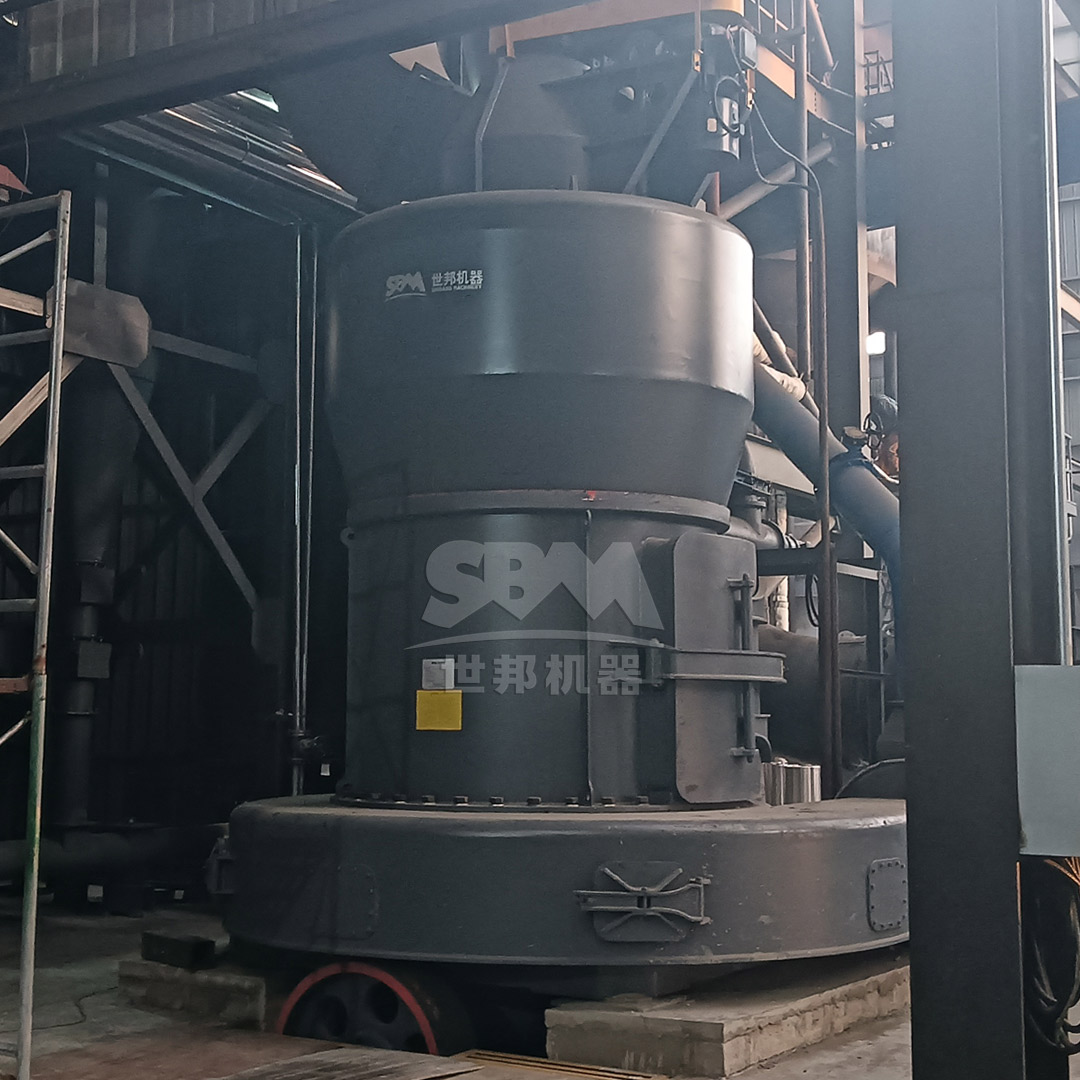
Vertical roller mills, such as the LM Series, represent a significant advancement for large-scale bentonite processing. Their integrated design combines grinding, drying, and classification in a single compact unit, offering notable space savings and reduced installation costs. The LM Series achieves energy savings of 30-40% compared to ball mill systems and features intelligent control systems for automated operation. However, their typical output range of 30-325 mesh (with special configurations reaching 600 mesh) places the consistent production of 1250 mesh bentonite at the upper limit of their capabilities, requiring exceptional classifier performance and potentially limiting throughput.
The Optimal Solution: SCM Ultrafine Mill for 1250 Mesh Bentonite
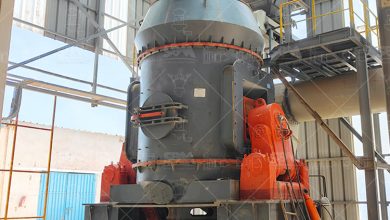
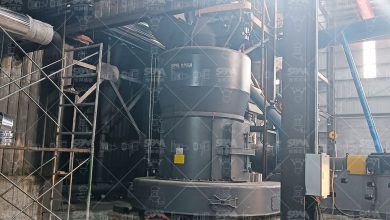
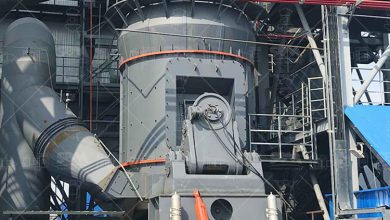
After comprehensive technical evaluation, the SCM Series Ultrafine Mill emerges as the superior solution for 1250 mesh bentonite production. This technology specifically addresses the challenges of ultra-fine grinding with several distinct advantages that make it ideally suited for this application.
Precision Particle Control
The SCM Ultrafine Mill incorporates advanced vertical turbine classification technology that enables precise cut-point control essential for consistent 1250 mesh production. Unlike conventional mills where classification occurs as a separate process, the SCM integrates high-precision classification directly within the grinding chamber. This design ensures no coarse particles contaminate the final product, achieving the narrow particle distribution curves required for premium bentonite applications. The mill’s output range of 325-2500 mesh (D97 ≤ 5μm) comfortably encompasses the 1250 mesh target with significant operational headroom.
Enhanced Energy Efficiency
With energy consumption representing up to 60% of operating costs in ultra-fine grinding applications, the SCM’s efficiency advantages deliver substantial economic benefits. Independent operational data confirms that the SCM Ultrafine Mill achieves approximately 30% lower energy consumption compared to jet mills while delivering twice the production capacity. For bentonite producers targeting 1250 mesh, this translates to significant cost savings without compromising product quality.
Robust Construction for Abrasive Applications
Bentonite’s variable hardness and occasional quartz content present wear challenges that the SCM addresses through specialized material selection. The mill features wear-resistant grinding components manufactured from high-chrome alloys or ceramic composites, extending service life by 3-5 times compared to conventional materials. The innovative no-bearing screw grinding chamber design enhances operational stability while reducing maintenance requirements – a critical consideration for continuous bentonite processing operations.

SCM Series Technical Specifications for Bentonite Applications
The SCM Series offers multiple configuration options to match specific production requirements for 1250 mesh bentonite:
Model Selection Guide
For pilot plants and small-scale production: SCM800 model with 0.5-4.5 ton/h capacity and 75kW main motor power provides an excellent entry point for specialty bentonite products.
For medium-scale operations: SCM1000 model delivers 1.0-8.5 ton/h capacity with 132kW power, balancing production requirements with capital investment.
For large-scale industrial production: SCM1250 and SCM1680 models offer 2.5-14 ton/h and 5.0-25 ton/h capacities respectively, supporting major bentonite processing facilities with 185kW and 315kW power configurations.
Integrated Collection System
The SCM system includes optimized cyclone collection and pulse dust removal technology that achieves collection efficiency exceeding 99.9%. This comprehensive approach ensures minimal product loss while maintaining workplace environmental standards below 20mg/m³ dust emission levels.
Comparative Analysis: SCM vs. Alternative Technologies
When evaluated against competing technologies for 1250 mesh bentonite production, the SCM Ultrafine Mill demonstrates clear advantages:
Versus jet mills: 45-50% lower energy consumption, significantly reduced wear part costs, and quieter operation (<75dB vs. 85+dB for jet mills).
Versus traditional ball mills: 5-8 times higher efficiency for ultra-fine applications, precise particle size control, and minimal iron contamination.
Versus modified Raymond mills: Reliable 1250 mesh production without pushing equipment beyond design limits, consistent product quality, and lower maintenance frequency.
Operational Considerations for Bentonite-Specific Applications
Moisture Management
The SCM system accommodates bentonite’s moisture sensitivity through integrated drying capability when configured with hot air systems. For moisture contents below 8%, ambient grinding typically suffices, while higher moisture levels may require supplemental drying to prevent material buildup and maintain grinding efficiency.
Product Quality Preservation
Ultra-fine grinding inevitably generates heat, which can potentially degrade bentonite’s swelling capacity. The SCM’s efficient grinding principle minimizes temperature rise, while optional cooling systems provide additional protection for thermally sensitive applications.
Conclusion: The Definitive Choice for 1250 Mesh Bentonite
Producing consistent, high-quality 1250 mesh bentonite requires specialized equipment capable of precise particle size control, energy-efficient operation, and reliable performance with challenging material characteristics. The SCM Ultrafine Mill represents the current technological pinnacle for this application, combining advanced classification, robust construction, and operational efficiency in a integrated system.
With output capabilities specifically engineered for the 325-2500 mesh range, the SCM Series delivers the precision, reliability, and economic performance that bentonite processors require for competitive advantage in increasingly demanding markets. For operations targeting consistent 1250 mesh production with optimal operating costs, the SCM Ultrafine Mill stands as the unequivocal technical and economic solution.