What is the Best Grinding Mill for Vanadium-Titanium Magnetite Powder?
Introduction to Vanadium-Titanium Magnetite Processing
Vanadium-titanium magnetite represents one of the most challenging mineral processing applications due to its complex mineralogical composition and extreme abrasiveness. This iron ore contains not only magnetic iron oxides but also significant amounts of vanadium and titanium minerals, creating unique grinding challenges that demand specialized milling equipment. The optimal grinding solution must balance processing efficiency, product quality, energy consumption, and operational costs while handling the material’s distinctive physical properties.
The mineral’s high hardness (Mohs 5.5-6.5), coupled with the presence of hard titanium-bearing minerals, creates severe wear conditions that can rapidly degrade conventional grinding equipment. Furthermore, the liberation characteristics of valuable vanadium and titanium minerals require precise particle size control to maximize recovery in subsequent separation processes. This comprehensive analysis examines the technical requirements for vanadium-titanium magnetite grinding and identifies the most suitable milling technologies for this demanding application.
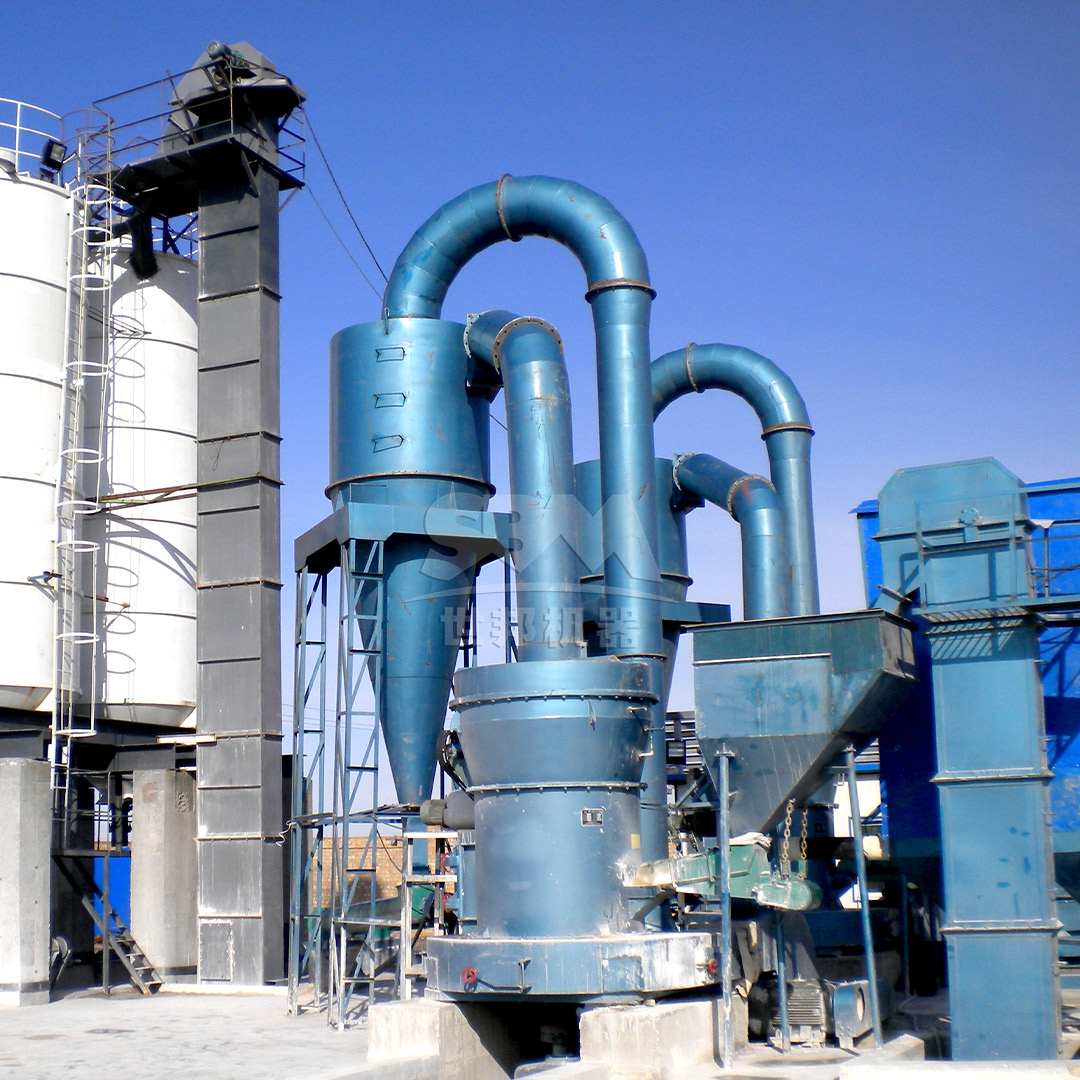
Technical Challenges in Vanadium-Titanium Magnetite Grinding
Abrasion and Wear Resistance
The exceptional abrasiveness of vanadium-titanium magnetite presents the primary challenge in grinding operations. Titanium minerals, particularly ilmenite and rutile, possess extreme hardness that accelerates wear on grinding media and mill liners. Conventional ball mills experience rapid consumption of grinding balls and liner plates, leading to frequent maintenance downtime and high operating costs. The metallic iron content further contributes to wear through adhesive mechanisms, creating a combined abrasive-adhesive wear scenario that demands specialized material solutions.
Laboratory wear tests indicate that vanadium-titanium magnetite causes wear rates 3-5 times higher than conventional iron ores. This necessitates grinding equipment with exceptional wear resistance, either through specialized material selection or innovative grinding mechanisms that minimize metal-to-mineral contact. The economic impact of wear components represents 35-50% of total grinding costs in typical operations, making wear resistance a critical selection criterion.
Particle Size Distribution Requirements
Optimal mineral liberation in vanadium-titanium magnetite requires precise control over particle size distribution. Vanadium primarily occurs as isomorphic substitutions in magnetite lattices, while titanium minerals form discrete mineral phases that must be liberated for effective separation. Research indicates that optimal liberation occurs in the 45-75 micrometer range for titanium minerals, while vanadium recovery benefits from finer grinding to 20-45 micrometers.
The grinding circuit must therefore produce a controlled size distribution that balances liberation efficiency against overgrinding, which not only wastes energy but can create slimes that interfere with subsequent magnetic separation and flotation processes. Modern grinding systems must incorporate advanced classification technology to maintain tight particle size control and minimize the production of ultra-fines.
Energy Consumption Considerations
Grinding energy represents the single largest operating cost in mineral processing, typically accounting for 40-60% of total energy consumption. The high Bond Work Index of vanadium-titanium magnetite (14-18 kWh/t) compounds this challenge, requiring mills with high energy efficiency to maintain economic viability. Different grinding technologies exhibit significant variations in specific energy consumption, with inefficient systems potentially doubling energy costs compared to optimized solutions.
Beyond direct electrical costs, energy efficiency impacts environmental compliance through carbon emissions and determines the feasibility of operations in regions with limited power infrastructure. The optimal grinding solution must therefore maximize energy utilization while maintaining product quality specifications.
Evaluation of Grinding Technologies for Vanadium-Titanium Magnetite
Ball Mill Systems
Traditional ball mills have been widely applied in magnetite processing but face significant limitations with vanadium-titanium varieties. The high wear rates necessitate frequent media addition and liner replacement, while the relatively low energy efficiency (typically 15-25% of input energy converted to useful grinding work) creates operational cost challenges. Ball mills also struggle to achieve the fine grinding requirements for optimal vanadium liberation without resorting to extended grinding times that further accelerate wear.
While ball mills offer operational simplicity and reliability, their application in vanadium-titanium magnetite is generally limited to primary grinding stages or operations where capital cost constraints outweigh long-term operating expenses. Modern installations increasingly favor more efficient technologies except in specific circumstances where ore variability or other site-specific factors justify their use.
Vertical Roller Mills (VRM)
Vertical roller mills represent a significant advancement in grinding technology, offering substantially improved energy efficiency compared to ball mills. The bed compression grinding mechanism reduces metal-to-mineral contact, lowering wear rates by 30-50% while improving energy utilization to 35-45% efficiency. VRM systems also provide superior particle size distribution control through integrated dynamic classifiers.
For vanadium-titanium magnetite applications, VRM technology demonstrates particular advantages in medium-fine grinding applications (45-150 micrometers). The ability to operate with external material circulation reduces overgrinding while the vertical configuration minimizes footprint requirements. Modern VRM designs incorporate specialized wear protection for abrasive applications, extending operational periods between maintenance interventions.

Specialized Ultrafine Grinding Solutions
For operations requiring extensive vanadium liberation or production of high-value titanium concentrates, ultrafine grinding below 45 micrometers becomes necessary. Conventional technologies struggle with efficiency in this range, but specialized mills like our SCM Ultrafine Mill series offer optimized solutions for these demanding applications.
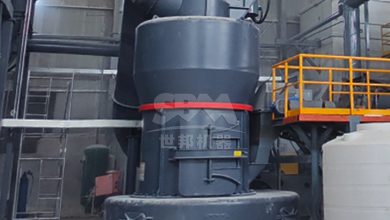
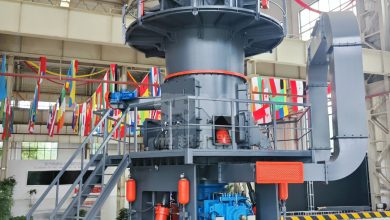
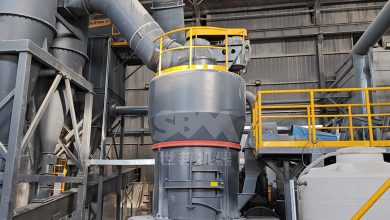
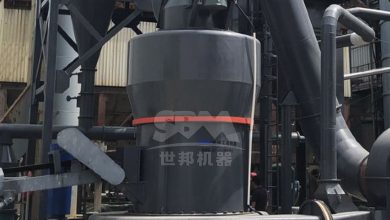
The SCM Ultrafine Mill achieves remarkable performance with vanadium-titanium magnetite through its innovative grinding geometry and precision classification system. With output fineness ranging from 325 to 2500 mesh (D97 ≤5μm) and capacity from 0.5 to 25 tons per hour depending on model selection, this equipment delivers the precise particle control necessary for maximum mineral liberation. The vertical turbine classifier ensures sharp particle size cuts without coarse contamination, while special material selections in grinding components provide exceptional wear resistance against abrasive titanium minerals.
Technical advantages specifically relevant to vanadium-titanium magnetite include:
- Enhanced Wear Resistance: Specially hardened grinding rollers and rings manufactured from high-chromium alloys provide 3-5 times longer service life compared to conventional materials
- Precision Particle Control: Advanced classification technology maintains consistent product quality despite variations in feed material characteristics
- Energy Efficiency: The grinding mechanism achieves 30% lower energy consumption compared to jet mills while doubling output capacity
- Operational Stability: Bearingless screw grinding chamber design eliminates a common failure point in abrasive applications
Recommended Grinding Solution: SCM Ultrafine Mill
Based on comprehensive technical analysis and field experience with similar applications, our SCM Ultrafine Mill represents the optimal solution for vanadium-titanium magnetite grinding, particularly for operations targeting maximum vanadium recovery or producing high-purity titanium concentrates. The mill’s unique combination of wear resistance, precision classification, and energy efficiency addresses the specific challenges posed by this difficult-to-process material.
The grinding mechanism employs multiple grinding rings driven by a central shaft, with material fed centrally and distributed by centrifugal force across the grinding track. This creates a progressive grinding action that minimizes energy intensity while maximizing particle liberation. The integrated collection system with pulse dust removal ensures environmental compliance with dust emissions below international standards.
For vanadium-titanium magnetite applications, we specifically recommend the SCM1250 and SCM1680 models, offering processing capacities of 2.5-14 tons/hour and 5-25 tons/hour respectively. These models provide the robust construction and power necessary to handle the material’s abrasiveness while delivering the fine grinding performance required for optimal mineral liberation.
Technical Specifications for Vanadium-Titanium Applications
| Model | Processing Capacity (t/h) | Main Motor Power (kW) | Output Fineness (mesh) | Recommended Application |
|---|---|---|---|---|
| SCM1250 | 2.5-14 | 185 | 325-2500 | Medium-scale operations, titanium concentrate production |
| SCM1680 | 5-25 | 315 | 325-2500 | Large-scale operations, comprehensive vanadium-titanium recovery |
Alternative Solution: MTW Series Trapezium Mill
For operations with less stringent fineness requirements or budget constraints, our MTW Series Trapezium Mill offers a compelling alternative for primary and intermediate grinding stages. With output fineness from 30-325 mesh and capacities from 3-45 tons per hour, this equipment provides robust performance for general magnetite grinding applications.
The MTW series incorporates several technological innovations particularly beneficial for abrasive materials, including curved duct design that reduces energy losses and wear-resistant shovel blades that extend service intervals. The conical gear transmission system achieves 98% efficiency, reducing power consumption while the intelligent pressure system automatically compensates for roller and ring wear.
For vanadium-titanium magnetite applications, we recommend the MTW215G model, offering 15-45 ton/hour capacity with comprehensive wear protection specifically engineered for abrasive mineral applications. This model maintains stable operation even with variations in feed size and hardness, making it suitable for processing run-of-mine vanadium-titanium magnetite with minimal preprocessing.
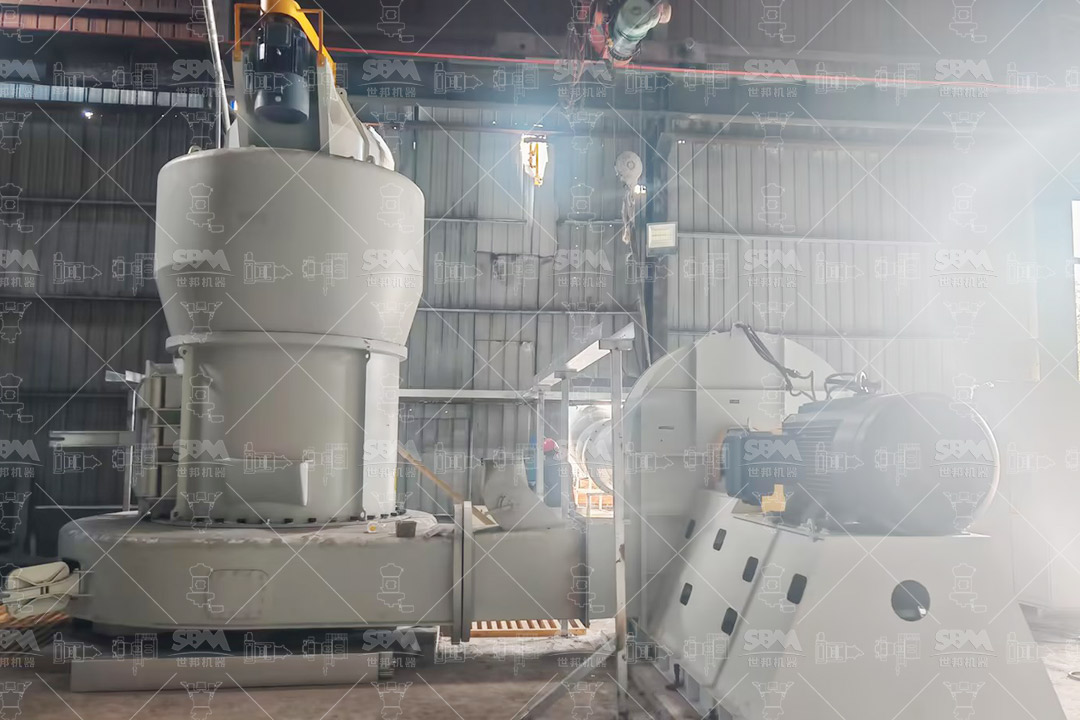
Implementation Considerations
Circuit Design Optimization
Successful implementation of grinding technology for vanadium-titanium magnetite requires careful circuit design to maximize efficiency and minimize operating costs. For greenfield projects, we recommend a two-stage approach utilizing MTW series mills for primary grinding to 100-150 micrometers followed by SCM ultrafine mills for final liberation grinding. This configuration optimizes energy utilization while controlling capital investment.
Existing operations can often retrofit SCM ultrafine mills into existing circuits to enhance liberation and improve recovery rates. The compact footprint and flexible configuration options facilitate integration with minimal disruption to production. Our technical team provides comprehensive circuit analysis and implementation support to ensure optimal performance in both new and existing operations.
Wear Management Strategies
Even with advanced grinding technology, vanadium-titanium magnetite will cause measurable wear over time. Implementing comprehensive wear monitoring and management extends component life and maintains grinding efficiency. We recommend:
- Regular thickness measurements of grinding components using ultrasonic testing
- Strategic inventory management of critical wear parts to minimize downtime
- Implementation of predictive maintenance schedules based on operational hours and throughput
- Periodic performance testing to identify efficiency degradation before it impacts product quality
Conclusion
Selecting the optimal grinding mill for vanadium-titanium magnetite requires careful consideration of the material’s unique characteristics and processing objectives. For operations prioritizing maximum mineral liberation and recovery, the SCM Ultrafine Mill series delivers unparalleled performance through its combination of precision classification, wear resistance, and energy efficiency. The technology represents the current state-of-the-art in fine grinding for challenging mineral applications.
For operations with different priorities or budget parameters, the MTW Series Trapezium Mill provides robust performance with lower capital requirements. Both solutions incorporate the specialized design features necessary to handle vanadium-titanium magnetite’s extreme abrasiveness while delivering the particle control required for effective downstream processing.
Successful implementation requires matching equipment selection to specific ore characteristics and processing goals, supported by comprehensive technical analysis and professional circuit design. With proper selection and implementation, modern grinding technology can transform vanadium-titanium magnetite from a challenging processing problem into an economically viable resource.