What is the Best Grinding Mill for Ultra-Fine Quartz Sand and Its Price?
Introduction to Ultra-Fine Quartz Sand Processing
Ultra-fine quartz sand, typically defined as particles with a fineness of 325 mesh (45μm) to 2500 mesh (5μm), has become an essential material across numerous industries. Its applications span from high-performance concrete and advanced ceramics to electronics, solar panels, and specialized coatings. The production of this premium material requires sophisticated grinding technology capable of achieving exceptional fineness while maintaining consistent particle size distribution and high purity levels.
Quartz, with a Mohs hardness of 7, presents significant challenges in ultra-fine grinding operations. The abrasive nature of quartz crystals demands equipment with exceptional wear resistance, while the requirement for precise particle size control necessitates advanced classification systems. Furthermore, the economic viability of quartz sand processing depends heavily on energy efficiency and operational costs, making the selection of appropriate grinding technology crucial for commercial success.
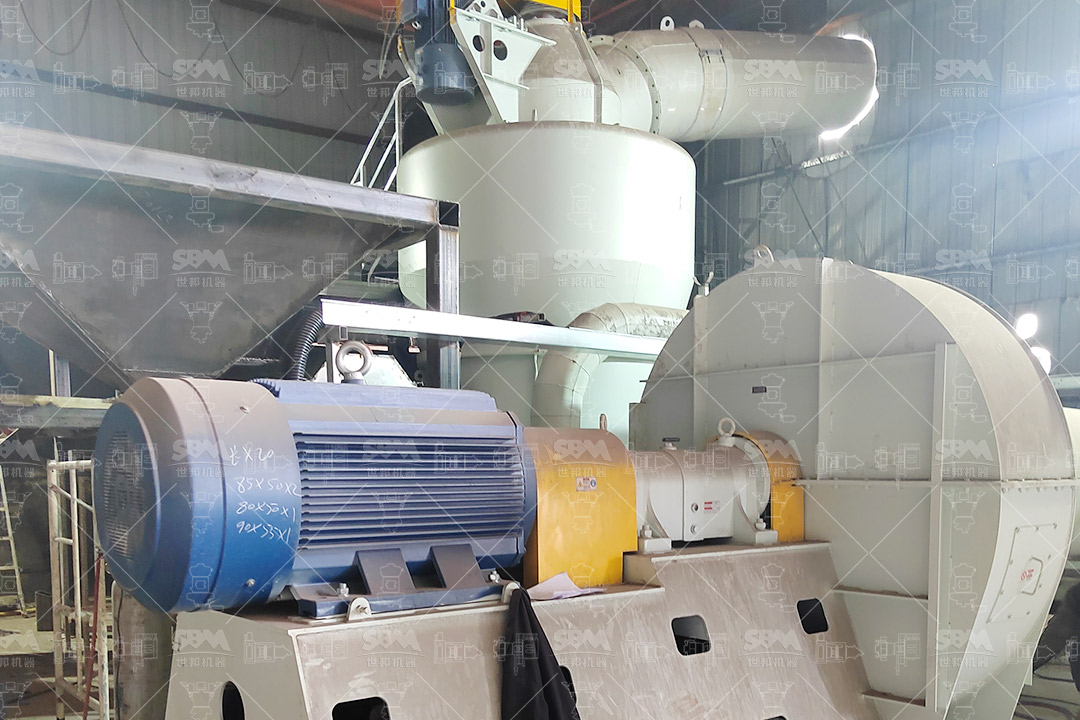
Key Considerations for Selecting Quartz Grinding Equipment
Technical Requirements for Ultra-Fine Processing
When evaluating grinding mills for ultra-fine quartz sand production, several critical factors must be considered. The target fineness range, typically between 325-2500 mesh, requires mills with integrated high-precision classification systems. The grinding mechanism must generate sufficient mechanical force to overcome quartz’s inherent hardness without introducing excessive contamination from wear parts.
Production capacity requirements vary significantly based on application, ranging from small-scale specialty chemical production (0.5-2 ton/h) to large-scale industrial mineral processing (10-25+ ton/h). The grinding system must maintain consistent product quality throughout extended operation periods, with minimal deviation in particle size distribution. Additionally, the complete system should include efficient dust collection and noise reduction features to meet modern environmental standards.
Economic Factors and Operational Costs
The total cost of ownership for quartz grinding equipment extends far beyond the initial purchase price. Energy consumption typically represents 40-60% of operational costs in fine grinding applications, making power efficiency a primary consideration. Wear part replacement frequency and cost directly impact maintenance expenses, particularly given quartz’s abrasive characteristics.
System reliability and automation levels affect labor requirements and production consistency. Modern grinding systems often incorporate intelligent control systems that optimize performance parameters in real-time, reducing operator intervention while maximizing product quality. The space requirements and installation complexity also contribute to the overall project cost, with compact, pre-assembled systems offering advantages in greenfield installations.
Comparative Analysis of Grinding Technologies for Quartz
Traditional Ball Mills for Quartz Grinding
Ball mills have been widely used in mineral processing for decades, offering robust construction and relatively low capital investment. These systems operate on the principle of impact and attrition grinding, where rotating chambers containing grinding media (typically steel balls) reduce particle size through collision and friction. While capable of processing quartz to medium fineness levels, traditional ball mills face limitations in achieving consistent ultra-fine products below 400 mesh.
The main disadvantages for ultra-fine quartz applications include high energy consumption (particularly in the fine grinding stage), limited classification capability, and significant wear part consumption. The grinding efficiency decreases dramatically as product fineness increases, making ball mills economically challenging for specialized ultra-fine applications. However, they remain viable for preliminary grinding stages or applications where exact particle size distribution is less critical.
Raymond Mills and Vertical Roller Mills
Raymond mills (also known as pendulum roller mills) employ spring-loaded grinding rollers that rotate against a stationary grinding ring. Material is fed into the grinding zone and crushed by the roller action, with air conveying the ground product to an integrated classifier. These systems offer improved energy efficiency compared to ball mills for medium-fineness applications (30-325 mesh) but typically struggle to achieve consistent product below 400 mesh without significant modifications.
Vertical roller mills represent an advancement in grinding technology, utilizing hydraulically-loaded grinding rollers that press against a rotating grinding table. These systems incorporate internal classification and offer better energy efficiency than both ball mills and traditional Raymond mills. While capable of processing quartz to finer levels than conventional Raymond mills, they may still face challenges in consistently producing material in the 1250-2500 mesh range required for premium applications.
Specialized Ultra-Fine Grinding Systems
For the most demanding ultra-fine quartz applications, specialized grinding technologies have been developed to overcome the limitations of conventional systems. Jet mills utilize high-velocity gas streams to achieve particle-on-particle impact grinding, capable of producing extremely fine products with narrow particle size distributions. However, they typically exhibit high energy consumption and may struggle with the high hardness of quartz.
Stirred media mills employ a chamber filled with grinding media that is agitated by rotating impellers, creating high-energy collisions between media particles. These systems can achieve exceptional fineness but may introduce contamination from media and liner wear. The capital and operating costs can be significant, particularly for large-scale production requirements.
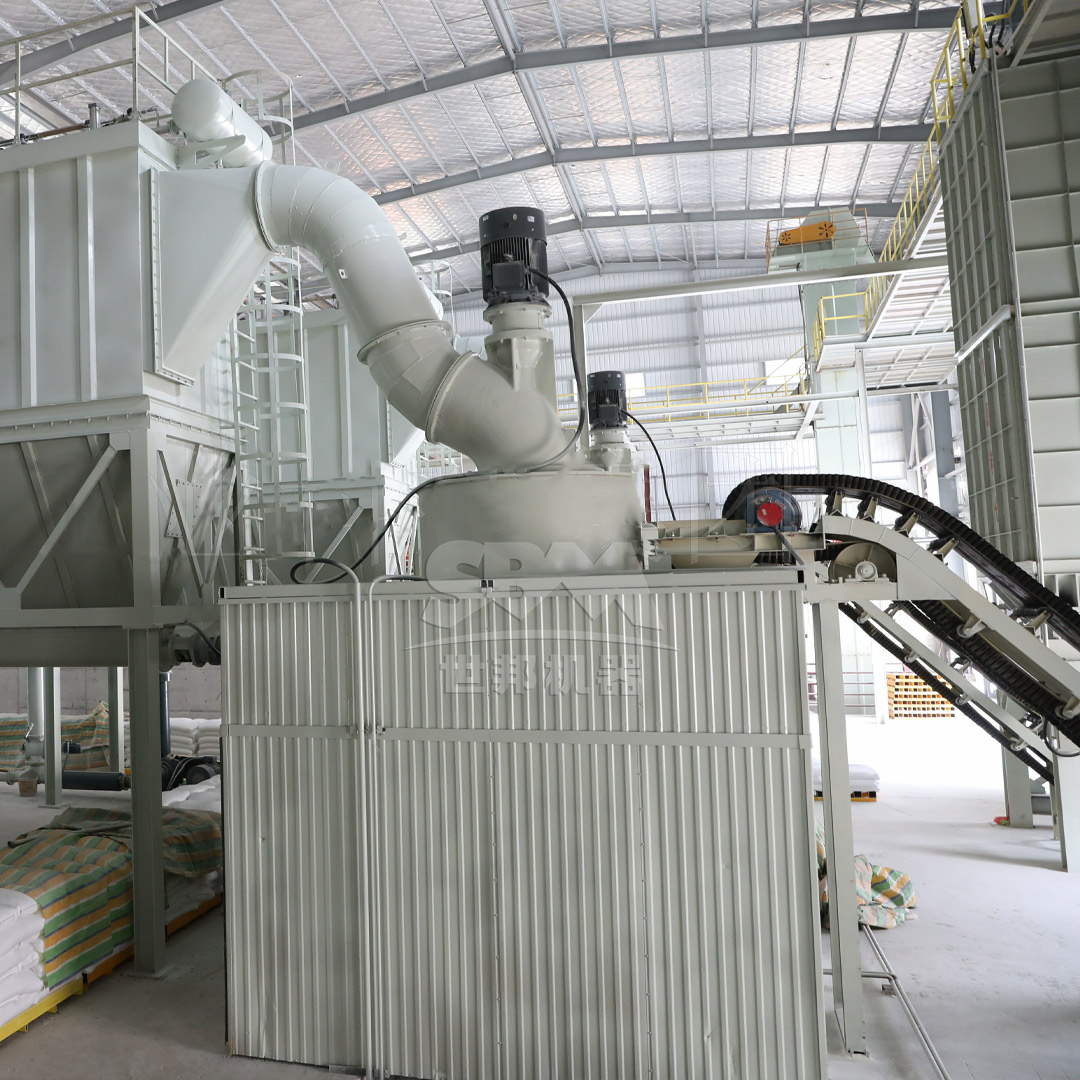
Recommended Solution: SCM Series Ultrafine Mill for Quartz Applications
Technical Superiority for Ultra-Fine Quartz Processing
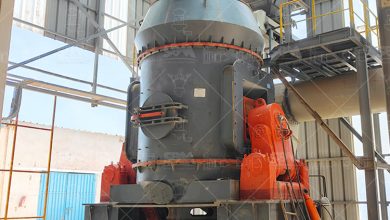
For ultra-fine quartz sand production, our SCM Series Ultrafine Mill represents the optimal technological solution, specifically engineered to address the challenges of hard, abrasive materials. The system’s unique grinding mechanism combines multiple grinding stages within a single compact unit, achieving fineness between 325-2500 mesh (D97 ≤ 5μm) with exceptional consistency.
The mill’s core innovation lies in its three-layer grinding ring design, which creates progressively finer grinding zones as material moves through the system. This multi-stage approach significantly improves grinding efficiency compared to single-pass systems, while the vertical turbine classifier ensures precise particle size control without coarse particle contamination. The absence of rolling bearings in the grinding chamber eliminates a common failure point in abrasive applications, enhancing reliability and reducing maintenance requirements.
Performance Advantages and Economic Benefits
The SCM Ultrafine Mill delivers remarkable operational advantages for quartz processing. With capacity reaching 2-25 ton/h depending on model selection and target fineness, the system offers production flexibility across various application scales. Most significantly, it achieves these production rates with 30% lower energy consumption compared to conventional jet mills, while delivering twice the output capacity for equivalent power input.
The wear part design incorporates special alloy materials specifically selected for quartz applications, extending service life by 3-5 times compared to standard components. This dramatically reduces operating costs and maintenance downtime, particularly important in continuous production environments. The intelligent control system automatically monitors and adjusts operational parameters to maintain consistent product quality, reducing operator intervention and minimizing product variation.
Environmental Compliance and Operational Safety
Modern mineral processing operations face increasingly stringent environmental regulations, particularly regarding dust emissions and noise levels. The SCM Ultrafine Mill integrates a high-efficiency pulse dust collection system that exceeds international emission standards, ensuring clean operation and protecting worker health. The completely sealed grinding system operates under negative pressure, preventing dust leakage even during maintenance operations.
Noise control represents another significant advantage, with comprehensive sound insulation measures reducing operational noise to ≤75dB. This creates a safer, more comfortable working environment while facilitating compliance with workplace safety regulations. The compact system design minimizes footprint requirements, with some models suitable for multi-level installation where space constraints exist.
Alternative Solution: MTW Series Trapezium Mill for Coarser Applications
Optimal for Medium-Fine Quartz Requirements
For applications requiring quartz powder in the 30-325 mesh range, our MTW Series Trapezium Mill offers an excellent balance of performance and economy. This advanced version of traditional pendulum roller mills incorporates numerous technological improvements that enhance its suitability for quartz processing. The curved air duct design minimizes flow resistance, improving energy efficiency while reducing wear on system components.
The innovative wear-resistant shovel blade design features replaceable segments that significantly reduce maintenance costs compared to traditional one-piece designs. The segmented approach allows for targeted replacement of worn components without requiring complete assembly replacement, minimizing both part costs and maintenance downtime. The conical gear overall transmission system achieves 98% transmission efficiency, substantially higher than conventional worm gear configurations.
High-Capacity Production Capabilities
The MTW Series accommodates a wide range of production requirements, with models offering capacities from 3-45 ton/h depending on target fineness and material characteristics. The larger models in the series, particularly the MTW215G and MRN218, provide substantial production capacity suitable for large-scale industrial mineral processing operations. These high-capacity systems maintain consistent product quality through advanced process control and stable mechanical operation.
The grinding roller and grinding ring utilize special materials formulated for abrasive applications, with the curved surface design optimizing the grinding angle to extend service life. The intelligent spring pressure system automatically compensates for wear, maintaining consistent grinding pressure throughout the component lifecycle. This ensures stable product quality and reduces the need for frequent operational adjustments.
Price Considerations and Investment Analysis
Capital Investment Requirements
The pricing for ultra-fine quartz grinding systems varies significantly based on capacity requirements, target fineness, and level of automation. Entry-level systems for laboratory or small-scale production typically range from $50,000 to $150,000, while industrial-scale production systems with complete automation and ancillary equipment can reach $500,000 to $1,200,000.
Our SCM Series Ultrafine Mill positions competitively within this market, with the SCM800 model (0.5-4.5 ton/h capacity) starting at approximately $85,000, while the high-capacity SCM1680 model (5-25 ton/h) ranges between $350,000-$450,000 depending on configuration. The MTW Series offers a more economical alternative for less demanding fineness requirements, with prices ranging from $65,000 for the MTW110 to $280,000 for the high-capacity MTW215G.
Total Cost of Ownership Analysis
Beyond initial capital investment, operational costs significantly impact the economic viability of quartz grinding operations. The SCM Series Ultrafine Mill demonstrates superior economics through multiple operational advantages. Energy consumption typically ranges from 25-40 kWh/ton depending on product fineness, substantially lower than alternative technologies producing equivalent product quality.
Maintenance costs prove equally favorable, with wear part consumption typically costing $0.80-$1.20 per ton of product for quartz applications. The extended service intervals reduce both part replacement costs and associated production downtime. Labor requirements remain minimal due to comprehensive automation, with many installations operating continuously with minimal supervision.
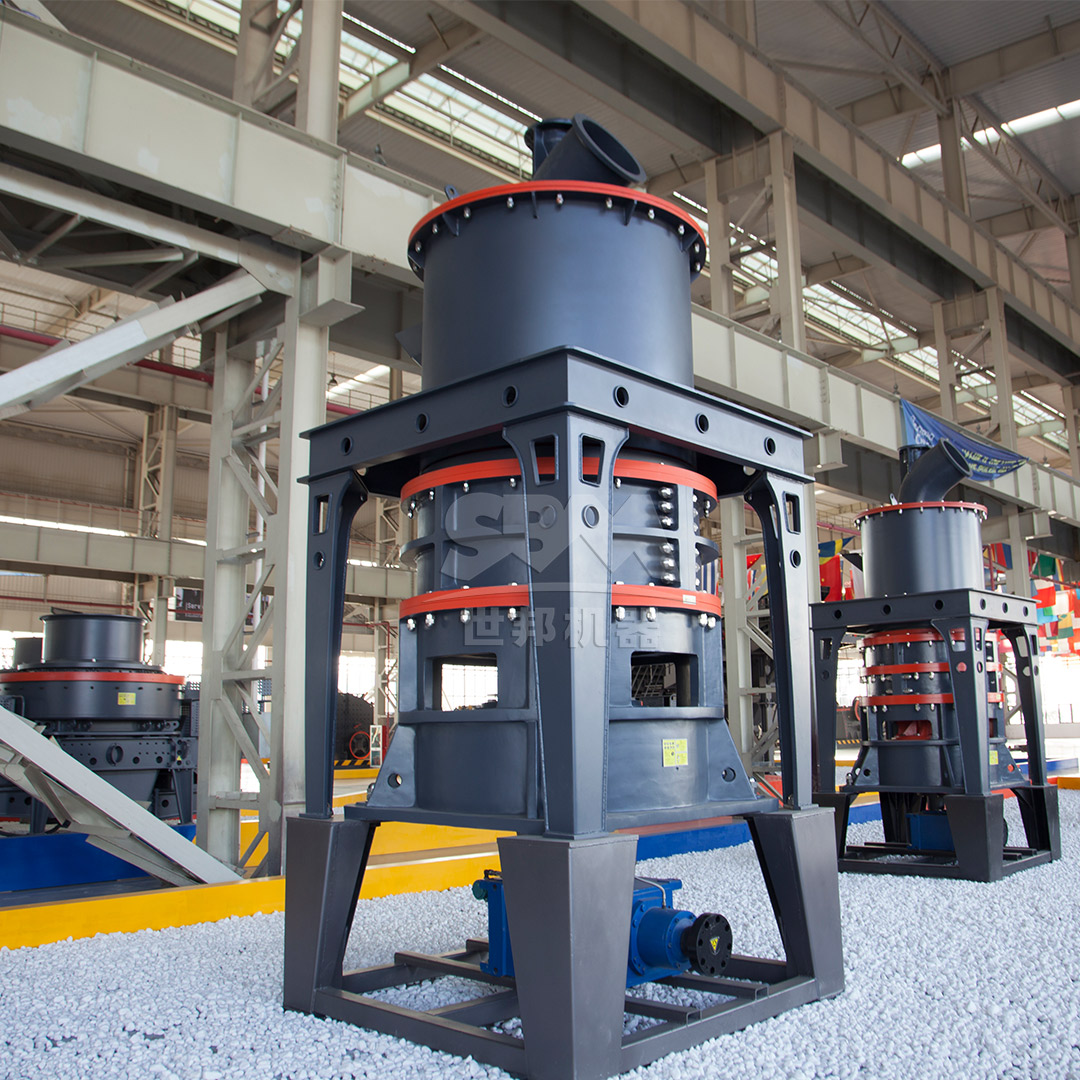
Case Study: Successful Quartz Processing Installation
Project Overview and Technical Challenges
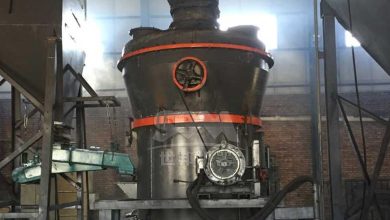
A recent installation at a specialized silica producer illustrates the capabilities of our recommended technology. The customer required production of high-purity quartz sand with D97 ≤ 10μm (1250 mesh) for electronics applications, with strict limits on iron contamination and particle size distribution consistency. The abrasive nature of their quartz feedstock (containing 98% SiO2) had previously caused excessive wear in their existing grinding system, resulting in high maintenance costs and product contamination.
The production requirement called for 8 ton/h of finished product operating 20 hours per day, six days per week. Space constraints at their existing facility necessitated a compact footprint, while local environmental regulations demanded dust emissions below 20mg/m³ and noise levels under 75dB at property boundaries.
Solution Implementation and Performance Results
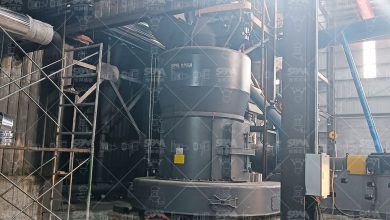
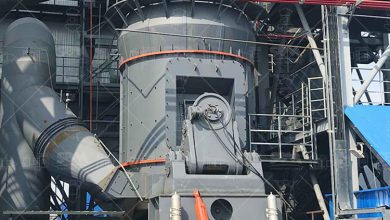
We recommended and installed an SCM1000 Ultrafine Mill with customized ceramic-lined grinding components to minimize iron contamination. The system incorporated a two-stage classification system for precise particle size control and a specialized magnetic separation system to remove tramp iron from the feed material. Installation was completed within eight weeks, with commissioning achieving full production capacity within three days.
The results exceeded performance expectations, with the system consistently producing product with D97 = 8-9μm and exceptionally narrow particle size distribution. Energy consumption averaged 32 kWh/ton, 28% below the customer’s target. Most significantly, wear part life exceeded projections by 40%, with the first grinding component replacement required after 4,200 operating hours compared to 800-1,000 hours in their previous system.
Conclusion and Recommendations
The selection of optimal grinding technology for ultra-fine quartz sand requires careful consideration of multiple technical and economic factors. For applications demanding the highest fineness (325-2500 mesh) with consistent quality and operational efficiency, the SCM Series Ultrafine Mill represents the current technological state-of-the-art. Its unique multi-layer grinding mechanism, precision classification system, and wear-resistant design specifically address the challenges posed by quartz’s hardness and abrasiveness.
For operations targeting slightly coarser products (30-325 mesh) with higher production capacity requirements, the MTW Series Trapezium Mill offers an excellent balance of performance and economy. Its advanced design improvements over conventional pendulum mills provide enhanced efficiency, reduced maintenance, and stable operation for continuous processing environments.
We recommend conducting comprehensive material testing at our facility to determine the optimal system configuration for specific quartz characteristics and production requirements. This ensures maximum performance and return on investment while guaranteeing that the final installation meets all technical and economic objectives.