What is the Best Grinding Mill for Crushing Sepiolite?
Introduction: Understanding Sepiolite and Its Processing Challenges
Sepiolite, also known as meerschaum, is a complex magnesium silicate clay mineral with a unique microfibrous structure. Its high surface area, porosity, and excellent adsorption properties make it a valuable material in diverse industries, including absorbents, catalysts, pharmaceuticals, cosmetics, and as a functional filler in polymers and paints. However, these very properties that make sepiolite desirable also present significant challenges in its processing. The fibrous, flexible nature of sepiolite particles makes them resistant to conventional crushing and grinding. Achieving the desired ultra-fine particle size while preserving the mineral’s fibrous structure and avoiding excessive heat generation (which can degrade its properties) requires specialized milling technology.
This article delves into the critical factors for selecting the optimal grinding mill for sepiolite and provides a detailed analysis of the most suitable solutions, with a specific recommendation for high-value, ultra-fine applications.
Key Considerations for Choosing a Sepiolite Grinding Mill
Selecting the right equipment is paramount for economic efficiency and product quality. The following factors must be evaluated:
1. Preservation of Fibrous Structure
The primary goal is to disaggregate the sepiolite bundles into individual microfibers, not to pulverize them into an isotropic powder. The milling mechanism should apply shear and attrition forces rather than high-impact forces that could break the fibers.
2. Target Fineness and Particle Size Distribution (PSD)
Sepiolite applications often demand very fine powders, ranging from 325 mesh (45μm) for general fillers down to 2500 mesh (5μm) or finer for high-performance nano-composites and specialty chemicals. The mill must offer precise classification to ensure a narrow, consistent PSD.
3. Low Heat Generation
Excessive heat during grinding can drive off the zeolitic and bound water in sepiolite, altering its crystal structure and diminishing its adsorption capacity and rheological properties. A mill with efficient heat dissipation or a cooling system is advantageous.
4. Energy Efficiency and Capacity
Given the often energy-intensive nature of fine grinding, a mill with a high size-reduction efficiency and lower specific energy consumption (kWh/ton) is crucial for operational cost control, especially for large-scale production.
5. System Cleanliness and Environmental Control
Sepiolite is a dry, fluffy material. A fully enclosed, negative-pressure grinding system with high-efficiency dust collection is essential to prevent product loss, ensure a clean working environment, and meet emission standards.
Analysis of Mill Types for Sepiolite Processing
Not all mills are created equal for this specialized task. Here’s a breakdown of common options:
Ball Mills and Raymond Mills (Traditional Approaches)
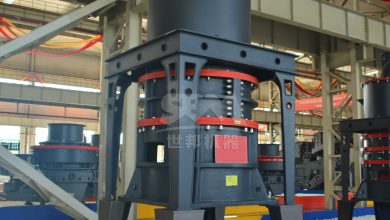
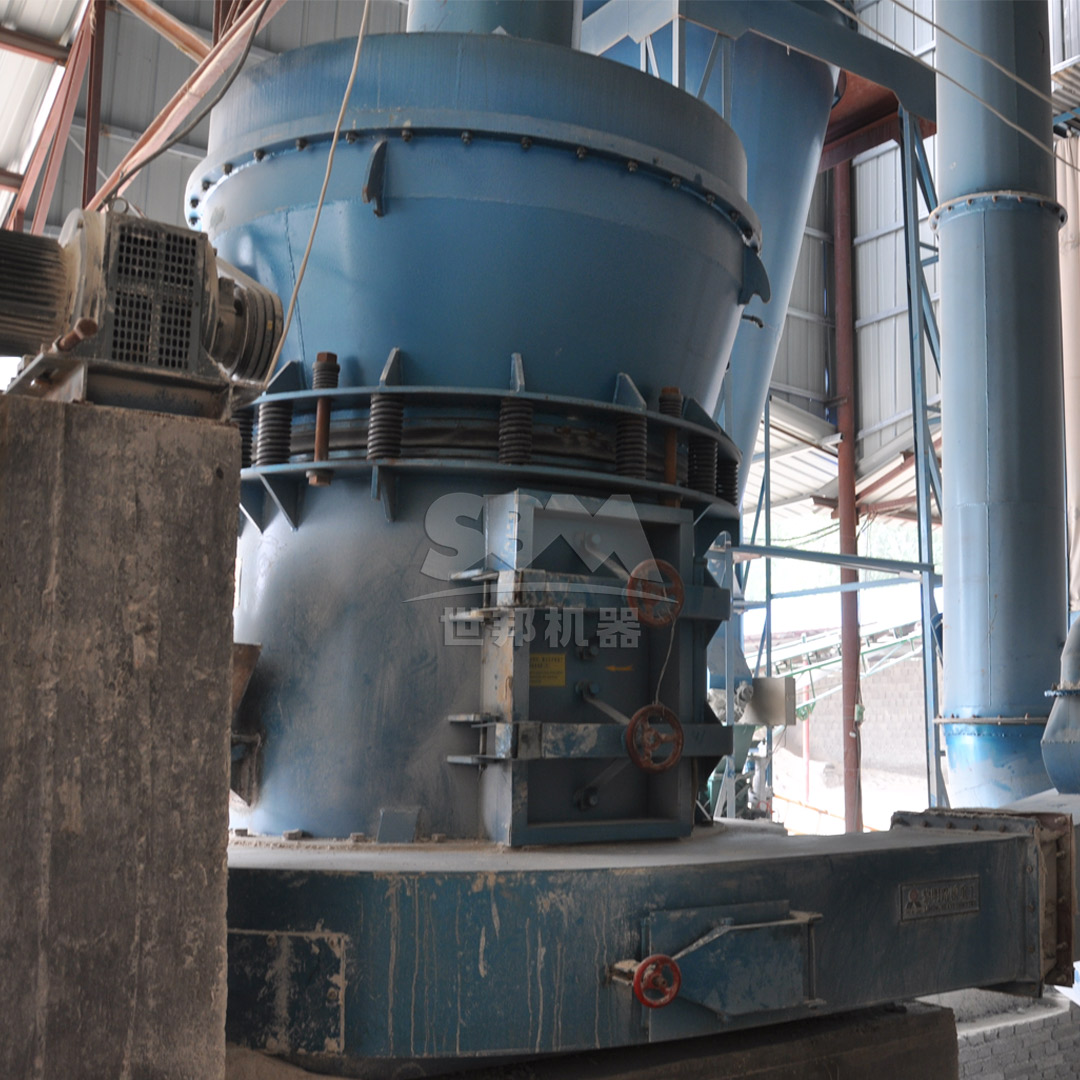
While commonly used, traditional ball mills and Raymond (pendulum) mills have significant drawbacks for sepiolite. Ball mills rely on impact and may over-grind and damage the fibrous structure. They also generate considerable heat. Raymond mills, like the MTW Series European Trapezium Mill, are excellent for medium-fine grinding (30-325 mesh) of harder minerals. For sepiolite requiring only moderate fineness for certain filler applications, the MTW series offers advantages like its anti-wear shovel design and integral bevel gear drive with 98% transmission efficiency, ensuring stable operation. However, for achieving the ultra-fine ranges (<10μm) where sepiolite’s performance is maximized, their classification limits and grinding mechanics are less ideal.
Jet Mills (Fluid Energy Mills)
Jet mills use high-speed collisions between particles in an air stream. They are excellent for achieving ultra-fine sizes without contamination and with minimal heat rise (due to the cooling effect of expanding gas). They are a viable option for high-purity sepiolite. However, they are notoriously energy-intensive (high air consumption) and may have lower throughput capacities compared to advanced mechanical mills, impacting overall production economics.
Vertical Roller Mills (VRMs)
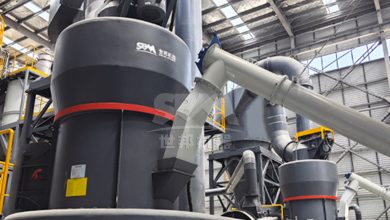
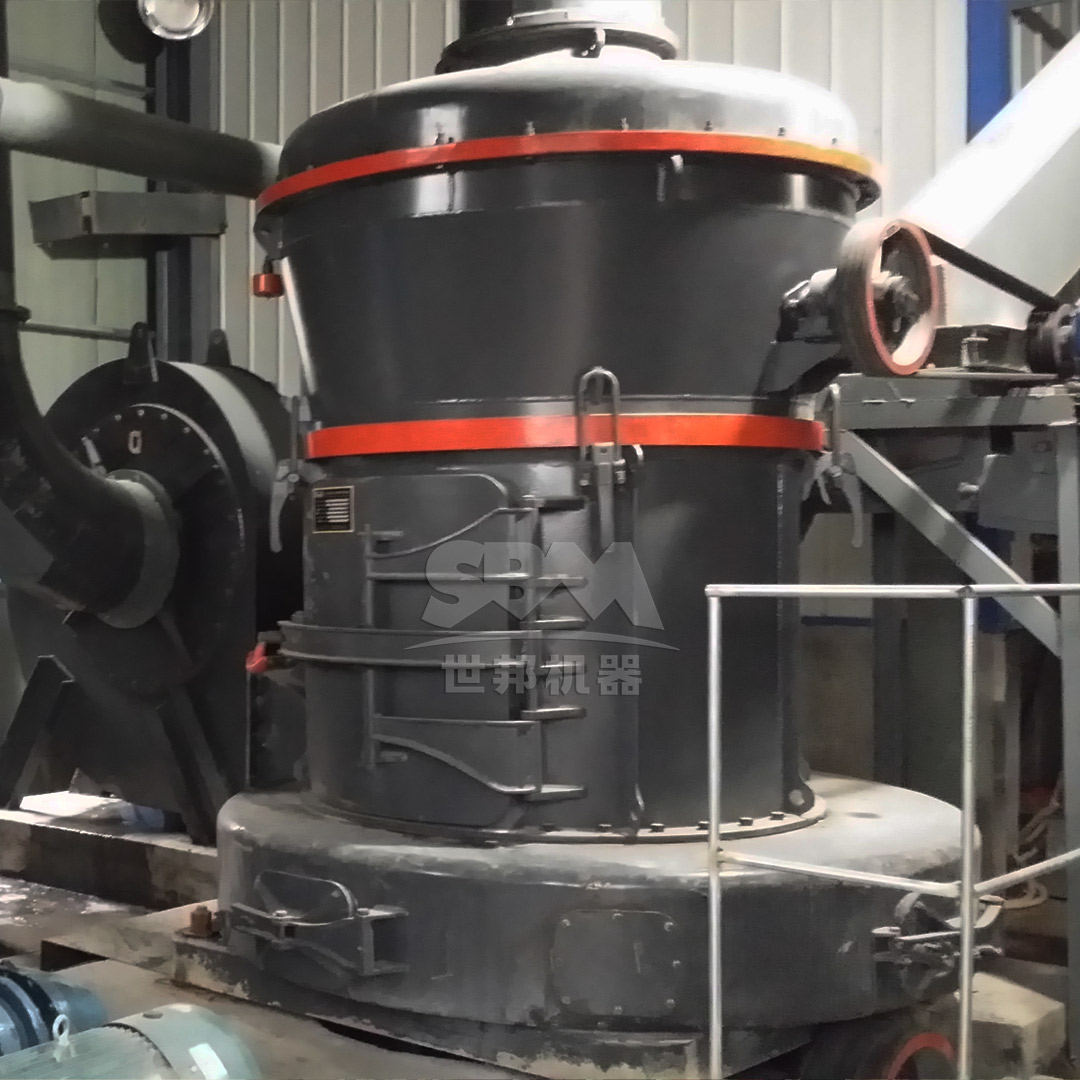
VRMs, such as the LM Series, use a bed grinding principle where material is crushed between rollers and a rotating table. They are highly energy-efficient for large-scale operations. The LM Series Vertical Roller Mill is a strong contender for high-volume production of sepiolite powders in the 30-325 mesh range. Its integrated design reduces footprint by 50%, and its low operating cost (30-40% lower energy than ball mills) is a major benefit. For projects requiring tons per hour of consistently fine material, the LM series is a top-tier choice. However, for pushing into the superfine and ultrafine spectrum (<10μm), the internal classification system of a standard VRM may need supplementation.
The Recommended Solution: Ultrafine Grinding Mills
For the most demanding sepiolite applications requiring ultra-fine powders (325-2500 mesh) with preserved microstructure, advanced mechanical ultrafine mills represent the optimal balance of performance, energy efficiency, and product quality. Among these, ring roller mills (also called vertical roller mills for ultrafine application) stand out.
Why Ring Roller Mills Excel for Ultrafine Sepiolite
These mills combine multiple grinding rollers rotating against a stationary ring. The material is fed into the grinding path and subjected to intense compression and shear forces. The key advantages include:
- Shear-Dominant Grinding: The rolling and sliding action is ideal for fibrillating sepiolite bundles without shattering them.
- Integrated High-Precision Classifier: A dynamic turbine classifier integrated atop the mill allows for real-time, precise cut-point adjustment, ensuring no coarse particles contaminate the final product.
- High Efficiency: The multi-layer grinding principle and direct transmission of force lead to higher size-reduction efficiency compared to jet mills.
- Controlled Temperature: The grinding chamber can be equipped with cooling jackets, and the large volume of process air helps dissipate heat.
Spotlight on the Ideal Choice: SCM Series Ultrafine Mill
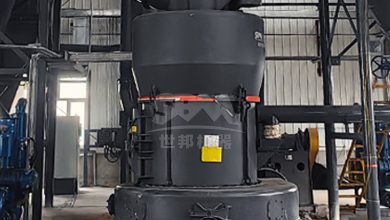
For processing sepiolite into high-value ultra-fine powders, our SCM Series Ultrafine Mill is engineered to be the superior solution. It is specifically designed to overcome the challenges associated with materials like sepiolite.
Technical Advantages for Sepiolite Processing
1. High Efficiency & Energy Saving: The SCM Mill delivers a capacity approximately twice that of a jet mill of comparable power while consuming about 30% less energy. Its intelligent control system with automatic finished product granularity feedback ensures optimal and consistent operation.
2. High-Precision Classification: The vertical turbine classifier achieves precise particle size cutting, critical for maintaining the narrow PSD required in premium sepiolite products. It guarantees no coarse powder mixing, resulting in a uniform final product.
3. Durable, Low-Wear Design: The grinding rollers and ring are made from special wear-resistant materials, extending service life several times over when processing abrasive minerals. The shaftless screw design in the grinding chamber ensures stable and reliable feeding of the fibrous material.
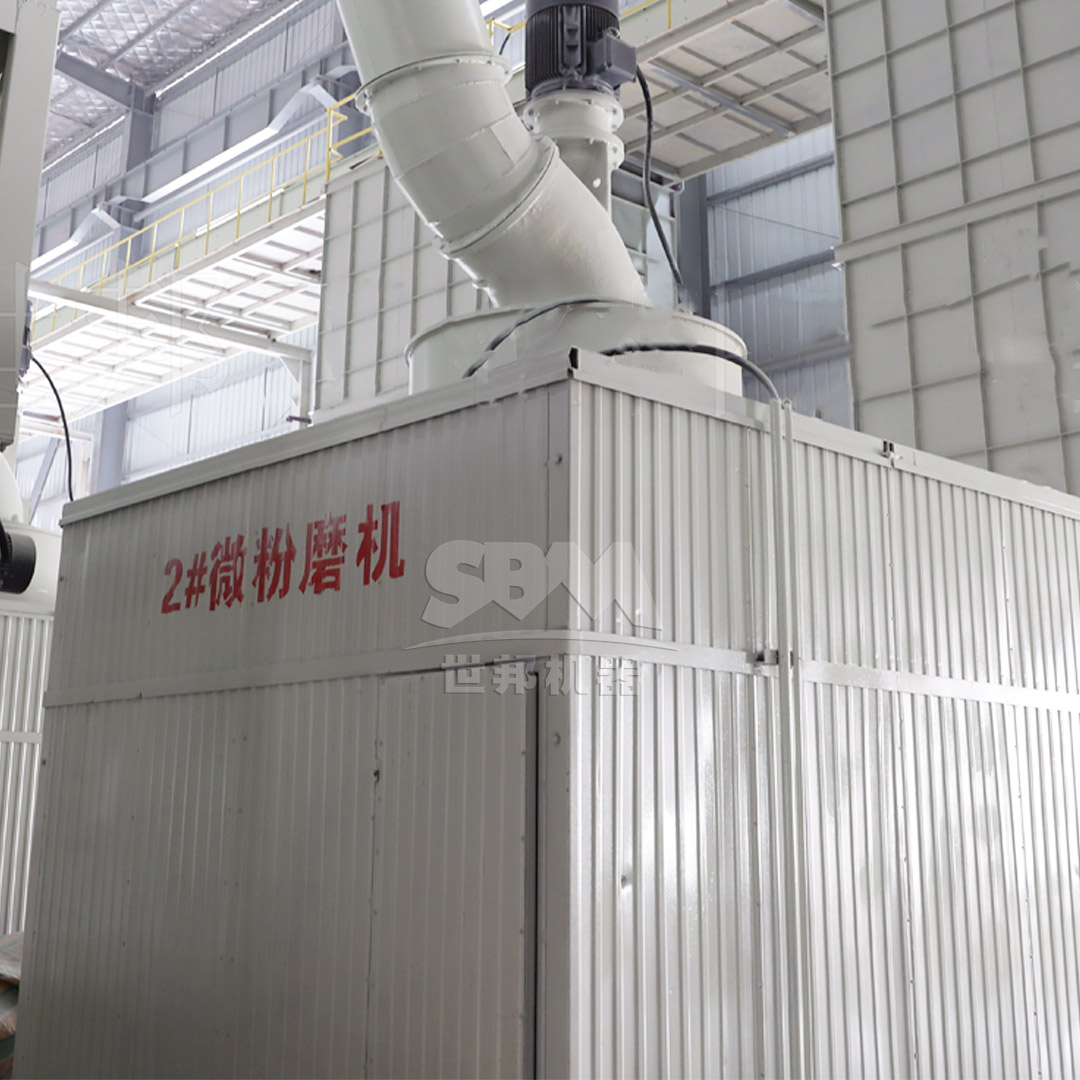
4. Eco-friendly & Low Noise: The system features a pulse dust collector with efficiency exceeding international standards, capturing over 99.9% of dust. A soundproof room design ensures the entire plant operates at low noise levels, protecting the workforce and environment.
Working Principle
The main motor drives the grinding ring to rotate. Sepiolite feed (≤20mm) is conveyed into the mill and dispersed by centrifugal force into the grinding path between the rollers and the ring. The material is crushed layer by layer under the roller’s pressure. The ground powder is carried by the airflow to the integrated classifier. Qualified fine powder passes through, while coarse powder falls back for regrinding. The final product is collected by a highly efficient cyclone and pulse dust removal system.
Model Selection Guide
The SCM Series offers a range of models to match different production scales for sepiolite processing:
- SCM800: Ideal for pilot plants or small-scale production, with a capacity of 0.5-4.5 t/h.
- SCM1000/SCM1250: Perfect for medium-scale dedicated production lines (1.0-14 t/h).
- SCM1680: Designed for large-scale industrial production, offering capacities from 5.0 up to 25 t/h of ultra-fine sepiolite powder.
All models can achieve a fineness range of 325-2500 mesh (45-5μm), covering the entire spectrum of high-end sepiolite applications.
Conclusion
Selecting the best grinding mill for sepiolite hinges on the target product fineness, required capacity, and the imperative to preserve its unique fibrous structure. While mills like the robust MTW Series or the high-capacity LM Vertical Roller Mill are excellent for coarser grades, the SCM Series Ultrafine Mill emerges as the definitive choice for producing premium, ultra-fine sepiolite powders. Its combination of shear-based grinding, ultra-precise classification, significant energy savings, and fully enclosed clean design makes it the most technologically advanced and economically sound solution for unlocking the full value of sepiolite in its most demanding applications. Investing in the right technology from the start ensures optimal product quality, lower operating costs, and a strong competitive position in the market.