What is the Best Grinding Mill for Chrome Ore and What Are the Uses of Chrome Ore Powder?
Introduction
Chrome ore, also known as chromite, is a crucial industrial mineral primarily used in metallurgical, refractory, and chemical applications. Its processing into fine powder requires specialized grinding equipment to achieve the desired particle size distribution and purity. The selection of the appropriate grinding mill is paramount for optimizing production efficiency, product quality, and operational costs. This article provides a comprehensive analysis of the best grinding mills for chrome ore processing and explores the diverse applications of chrome ore powder.
Understanding Chrome Ore
Chrome ore is the primary source of chromium, a metal valued for its hardness, corrosion resistance, and ability to be polished. The mineral chromite (FeCr₂O₄) is the most important ore of chromium. Its processing typically involves comminution (crushing and grinding) to liberate the chromite grains from the gangue materials, followed by various beneficiation techniques. The hardness of chromite, which ranges between 5.5 and 6.5 on the Mohs scale, presents specific challenges for grinding equipment, requiring robust and efficient milling solutions.
Key Factors in Selecting a Grinding Mill for Chrome Ore
Choosing the right mill involves careful consideration of several technical and economic factors:
- Ore Hardness and Abrasiveness: Chrome ore’s abrasive nature demands mills with high-wear-resistant components to minimize maintenance downtime and operating costs.
- Desired Final Product Fineness: Different applications require different particle sizes. Metallurgical applications may need coarser grinds, while chemical and refractory uses often demand ultra-fine powders.
- Production Capacity Requirements: The mill must be sized to match the plant’s throughput, from small-scale pilot plants to large-scale industrial operations.
- Energy Efficiency: Grinding is an energy-intensive process. Selecting an energy-efficient mill can significantly reduce operational expenses.
- Capital and Operational Costs: The initial investment must be balanced against long-term maintenance, power consumption, and wear part replacement costs.
- Environmental Considerations: Modern mills must comply with environmental regulations concerning dust emissions and noise levels.
Recommended Grinding Mills for Chrome Ore
Based on the specific characteristics of chrome ore and the requirements for its powder, several types of grinding mills stand out as optimal choices.
1. SCM Series Ultrafine Mill (45-5μm)
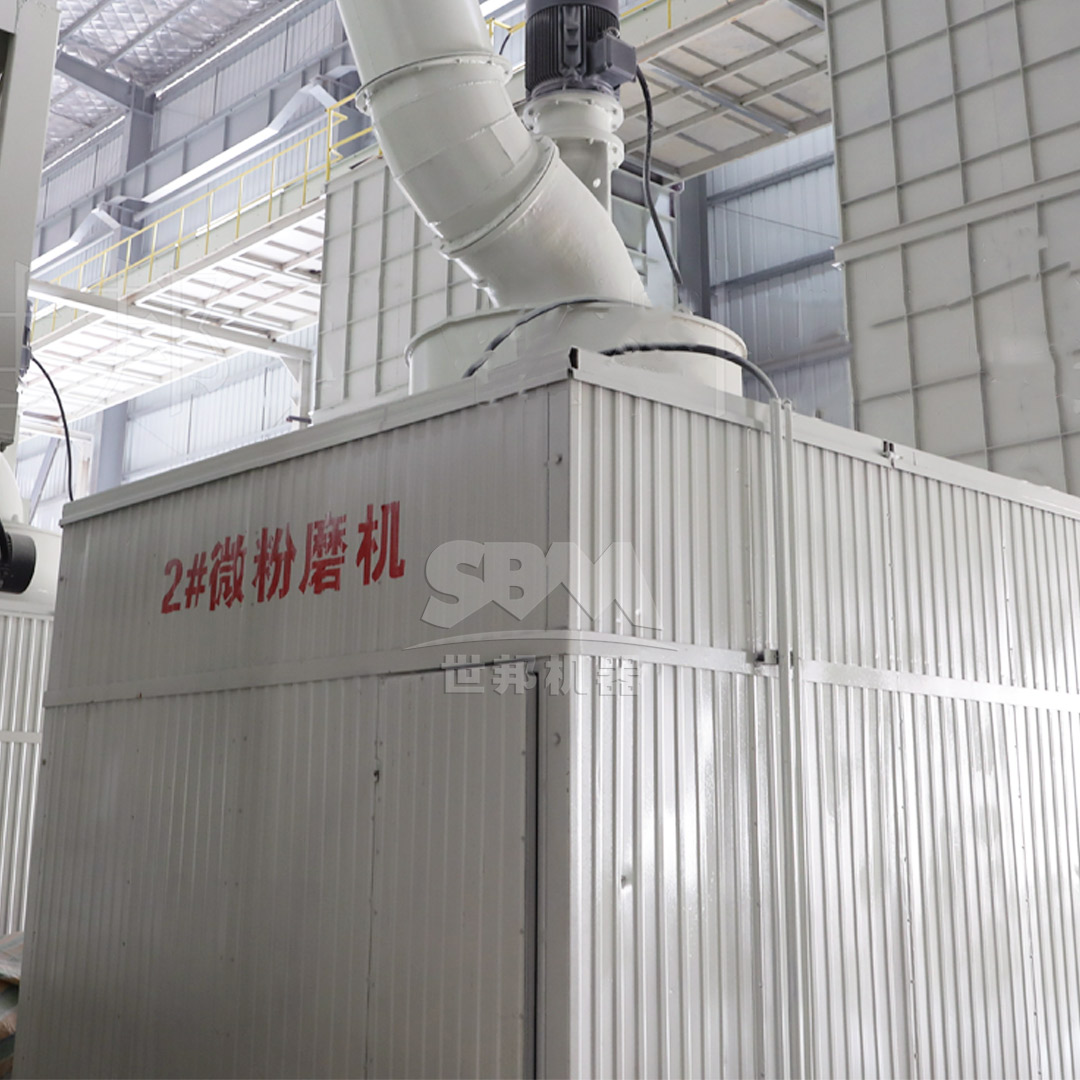
For applications requiring ultra-fine chrome ore powder, the SCM Series Ultrafine Mill is an exceptional choice. This mill is engineered to produce powders in the range of 325 to 2500 mesh (D97 ≤ 5μm), making it ideal for high-value-added applications in the chemical and refractory industries.
Technical Advantages for Chrome Ore Grinding:
- High Efficiency & Energy Saving: With a capacity twice that of jet mills and energy consumption reduced by 30%, the SCM mill offers significant operational savings. Its intelligent control system provides automatic feedback on product fineness, ensuring consistent quality.
- High-Precision Classification: The integrated vertical turbo classifier enables precise particle size cuts, preventing coarse powder contamination and delivering a uniformly fine product essential for premium applications.
- Durable Design: The grinding rollers and ring are made from special wear-resistant materials, extending their service life multiple times when processing abrasive chrome ore. The innovative bearing-less screw design in the grinding chamber ensures stable and reliable operation.
- Environmental Compliance: The pulse dust collector exceeds international standards for dust removal efficiency, while the soundproofing chamber design keeps noise levels below 75 dB.
Model Recommendation: For medium to large-scale production of ultra-fine chrome powder, the SCM1250 model is highly recommended. With a processing capacity of 2.5-14 tons per hour and a main motor power of 185 kW, it balances high output with excellent fineness control, making it a cost-effective solution for demanding applications.
2. MTW Series European Trapezium Mill (600-45μm)
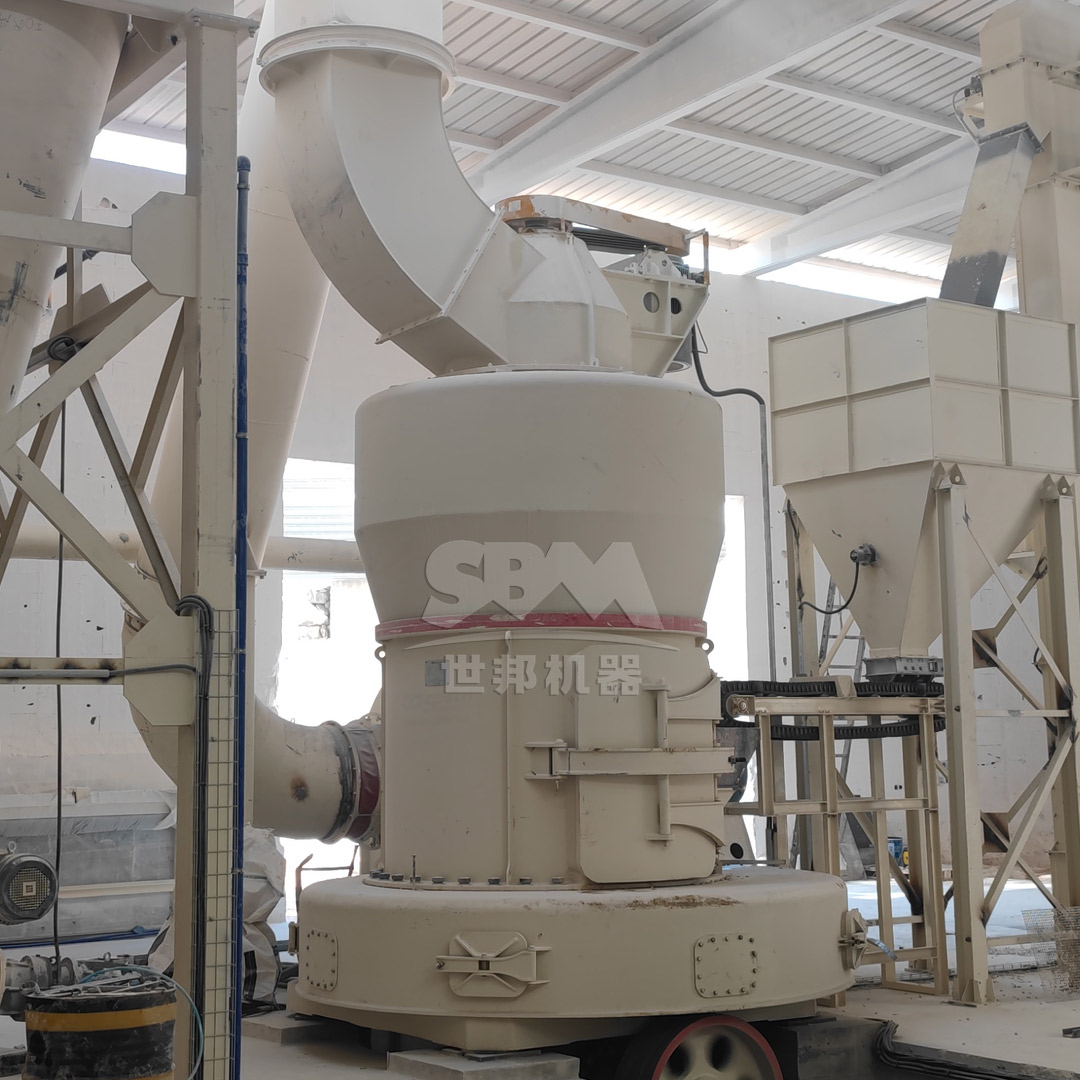
When the target fineness for chrome ore powder is in the coarse to medium range (30-325 mesh), the MTW Series European Trapezium Mill is a robust and efficient solution. It is particularly well-suited for preparing feed material for metallurgical processes or for refractory brick production.
Technical Advantages for Chrome Ore Grinding:
- Anti-Wear Shovel Design: The modular shovel plates are designed to minimize maintenance costs, and their curved design extends the service life of the grinding rollers, a critical factor when processing hard chrome ore.
- Optimized Airflow Path: The curved air channel reduces energy loss and improves transmission efficiency. High-strength guard plates protect the channel’s working surface from abrasion.
- High-Efficiency Drive: The bevel gear integrated transmission achieves a remarkable 98% transmission efficiency, saving space and reducing installation costs.
- Durable System: The wear-resistant volute structure features a non-clogging design that enhances air classification efficiency and can reduce maintenance costs by up to 30%.
Model Recommendation: The MTW215G model is an excellent choice for high-capacity operations. It can handle feed sizes up to 50mm and offers a massive processing capacity of 15-45 tons per hour with a main motor power of 280 kW. This makes it perfect for large-scale ferrochrome plants or refractory product manufacturing facilities.
Other Viable Mill Options
While the SCM and MTW series are top recommendations, other mills can also be effective depending on specific project constraints:
- Ball Mills: A traditional and versatile option, ball mills are capable of grinding chrome ore to a fineness of 0.074-0.8mm. They offer high capacity and reliability but are generally less energy-efficient than vertical roller mills and are not suitable for producing ultra-fine powders.
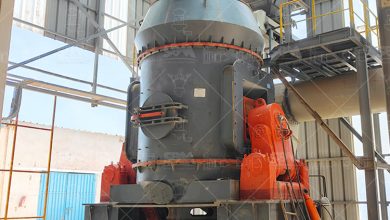
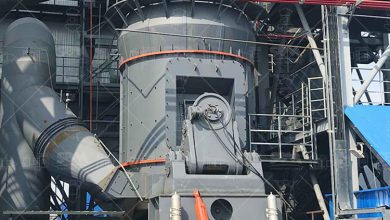
- LM Series Vertical Roller Mills: These mills offer a compact design and low operating costs. They are highly efficient for medium-fineness grinding and can be installed outdoors, reducing civil engineering costs. Their low noise and dust emissions make them an environmentally sound choice.
Processing Workflow for Chrome Ore
A typical chrome ore processing plant involves several stages:
- Primary Crushing: Large chunks of raw ore are reduced to a smaller size using jaw crushers.
- Secondary Crushing & Screening: Cone crushers or hammer mills further reduce the ore size, and screens separate the material into different fractions.
- Beneficiation: Gravity separation methods (like spirals or shaking tables) are commonly used to concentrate the chromite.
- Grinding: The concentrated chrome ore is fed into the selected grinding mill (e.g., SCM Ultrafine Mill or MTW Trapezium Mill) to achieve the target fineness.
- Classification & Collection: The ground powder is classified by an air separator, with the fine product collected by cyclones and bag filters, and the coarse material returned to the mill for further grinding.
Uses of Chrome Ore Powder
The value of chrome ore is realized once it is processed into powder form. Its applications are diverse and critical to modern industry:
1. Metallurgical Industry
This is the largest consumer of chrome ore. The powder is used in the production of ferrochrome, an essential alloying agent in the manufacturing of stainless steel. The chromium content (typically 10.5% or more) imparts stainless steel with its signature resistance to staining, corrosion, and oxidation.
2. Refractory Industry
Due to its high melting point (approximately 2,150°C) and neutral chemical nature, chromite powder is a key component in refractory bricks and linings for high-temperature industrial furnaces, such as those used in steelmaking and cement production. These refractories withstand extreme thermal, chemical, and physical stresses.
3. Chemical Industry
Fine and ultra-fine chrome powder is used to produce various chromium chemicals. These include:
- Chromium Salts: Used in leather tanning, where chromium(III) sulfate cross-links with collagen fibers, making the leather durable and stable.
- Pigments: Chrome yellow, chrome green, and other chromium-based pigments are used in paints, inks, and plastics.
- Wood Preservatives: Copper chromium arsenate (CCA) has been historically used to protect wood from decay and insects.
4. Foundry Sands
Chromite sand is used in metal casting molds and cores. Its high thermal conductivity and resistance to thermal shock help in producing high-quality castings with smooth surfaces by facilitating the rapid solidification of molten metal.
Conclusion
The selection of the optimal grinding mill for chrome ore is a critical decision that directly impacts product quality, operational efficiency, and profitability. For producers targeting the high-value markets of ultra-fine powders for chemical and advanced refractory applications, the SCM Series Ultrafine Mill offers unparalleled fineness control, energy efficiency, and durability. For large-volume production of coarser powders destined for the metallurgical and standard refractory sectors, the MTW Series European Trapezium Mill provides a robust, high-capacity, and cost-effective solution.
Understanding the full spectrum of applications for chrome ore powder—from creating corrosion-resistant stainless steel to manufacturing high-temperature refractories and vibrant pigments—underscores the importance of investing in the right grinding technology. By aligning mill capabilities with end-product requirements, producers can maximize the value extracted from this vital industrial mineral.