What is the Best Equipment for Talc Powder Production?
Introduction to Talc Powder Production
Talc, a hydrated magnesium silicate mineral, is one of the most versatile industrial minerals with applications spanning from cosmetics and pharmaceuticals to plastics and ceramics. The value of talc increases significantly with its fineness and purity, making the selection of proper grinding equipment crucial for profitability and product quality. The production process typically involves several stages: mining, primary crushing, secondary crushing, milling, classification, and packaging. Among these, the milling stage is particularly critical as it determines the final particle size distribution, whiteness preservation, and production efficiency.
The ideal talc grinding equipment must achieve several key objectives: maintain the mineral’s natural lamellar structure (which provides its slip and lubricity properties), prevent contamination from grinding media, control heat generation to preserve brightness, and offer flexible control over particle size distribution. Different applications require different fineness levels – while cosmetics might need ultra-fine talc (D97 ≤ 5μm), plastics and rubber compounds may perform better with medium-fine grades (D97 10-45μm).
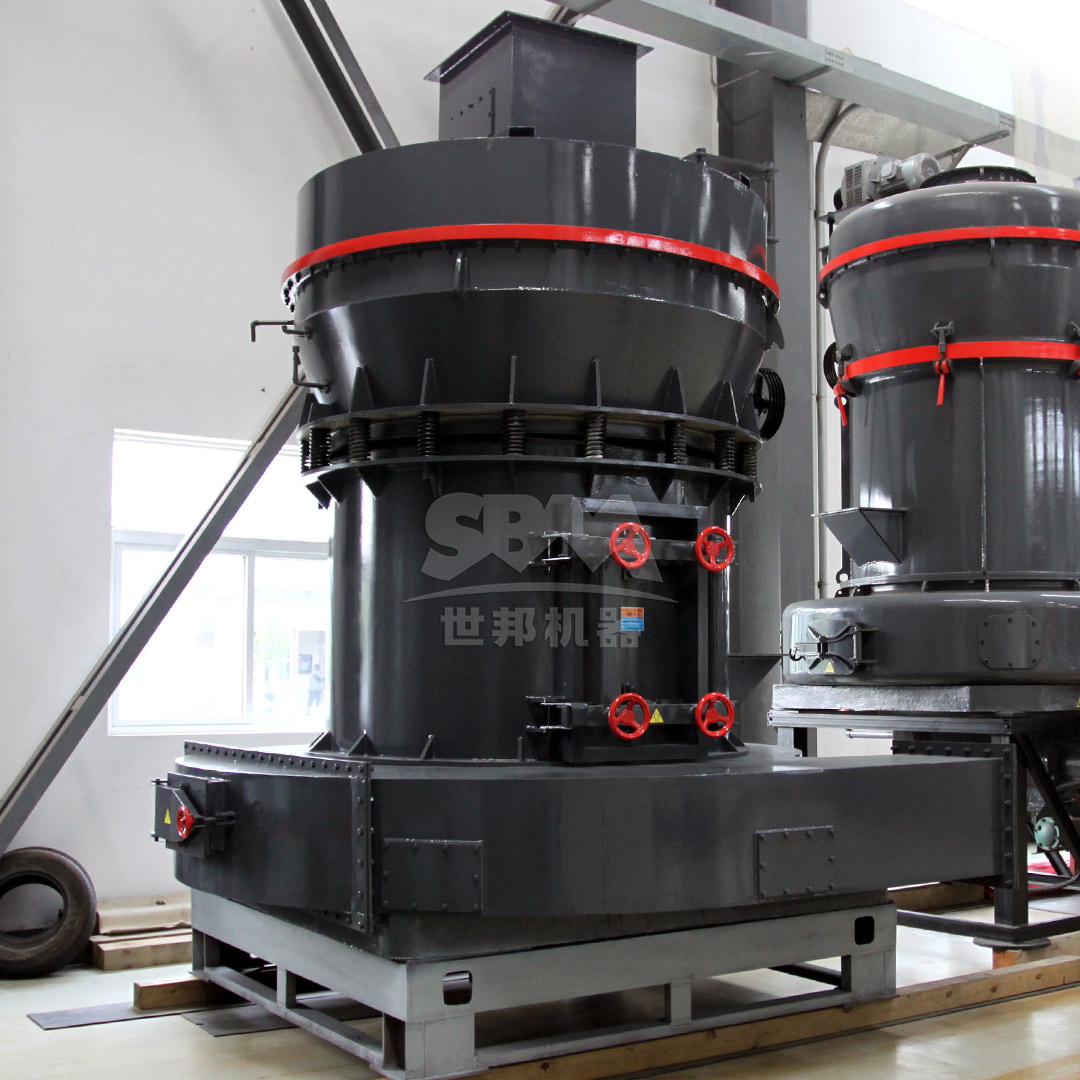
Key Considerations in Talc Grinding Equipment Selection
Particle Size Requirements
The required fineness of the final talc powder is the primary determinant in equipment selection. Coarse grinding (45-325 mesh) can be accomplished with simpler, more economical systems, while ultra-fine grinding (500-2500 mesh) demands specialized milling technology with integrated precision classification. The particle size distribution curve is equally important – some applications require narrow distributions while others benefit from controlled broad distributions.
Production Capacity Needs
Throughput requirements range from small-scale batch production (under 1 ton/hour) for specialty applications to large-scale continuous operations (over 25 tons/hour) for commodity talc products. The equipment must not only meet the target capacity but also maintain consistent quality throughout extended operation periods.
Energy Efficiency
Grinding operations typically account for 30-60% of total talc processing energy consumption. Modern grinding systems incorporate energy-saving designs that can reduce specific energy consumption by 20-40% compared to conventional technologies. Factors affecting energy efficiency include grinding mechanism, classification efficiency, system integration, and automation level.
Product Contamination Control
Maintaining talc’s natural whiteness and chemical purity requires minimizing iron contamination from wear parts. Equipment with specialized wear-resistant materials, effective sealing systems, and minimal grinding media consumption is essential for high-value applications.
Operating and Maintenance Costs
The total cost of ownership includes not only the initial investment but also energy consumption, wear part replacement frequency, maintenance labor, and downtime. Advanced designs with longer service intervals, quick-wear part replacement systems, and remote monitoring capabilities significantly reduce lifetime costs.
Types of Grinding Equipment for Talc Processing
Ultra-Fine Grinding Mills
For applications requiring talc powders in the 325-2500 mesh range (5-45μm), ultra-fine grinding mills offer the necessary precision and efficiency. These systems typically integrate grinding mechanisms with high-efficiency classifiers to achieve tight particle size distributions. The grinding action in these mills combines impact, shear, and compression forces to delaminate the talc particles while preserving their platelet structure.
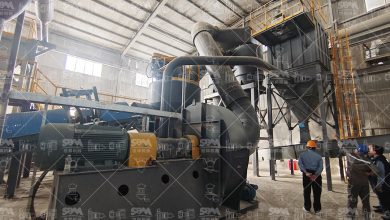
Our SCM Ultrafine Mill represents the pinnacle of ultra-fine grinding technology for talc applications. With an output fineness range of 325-2500 mesh (D97 ≤ 5μm) and capacity from 0.5 to 25 tons per hour depending on model, this system is ideal for high-value talc products used in cosmetics, pharmaceuticals, and high-performance plastics. The mill’s vertical turbine classifier ensures precise particle size cuts without coarse particle contamination, while its special material rollers and grinding rings extend service life significantly compared to conventional designs.
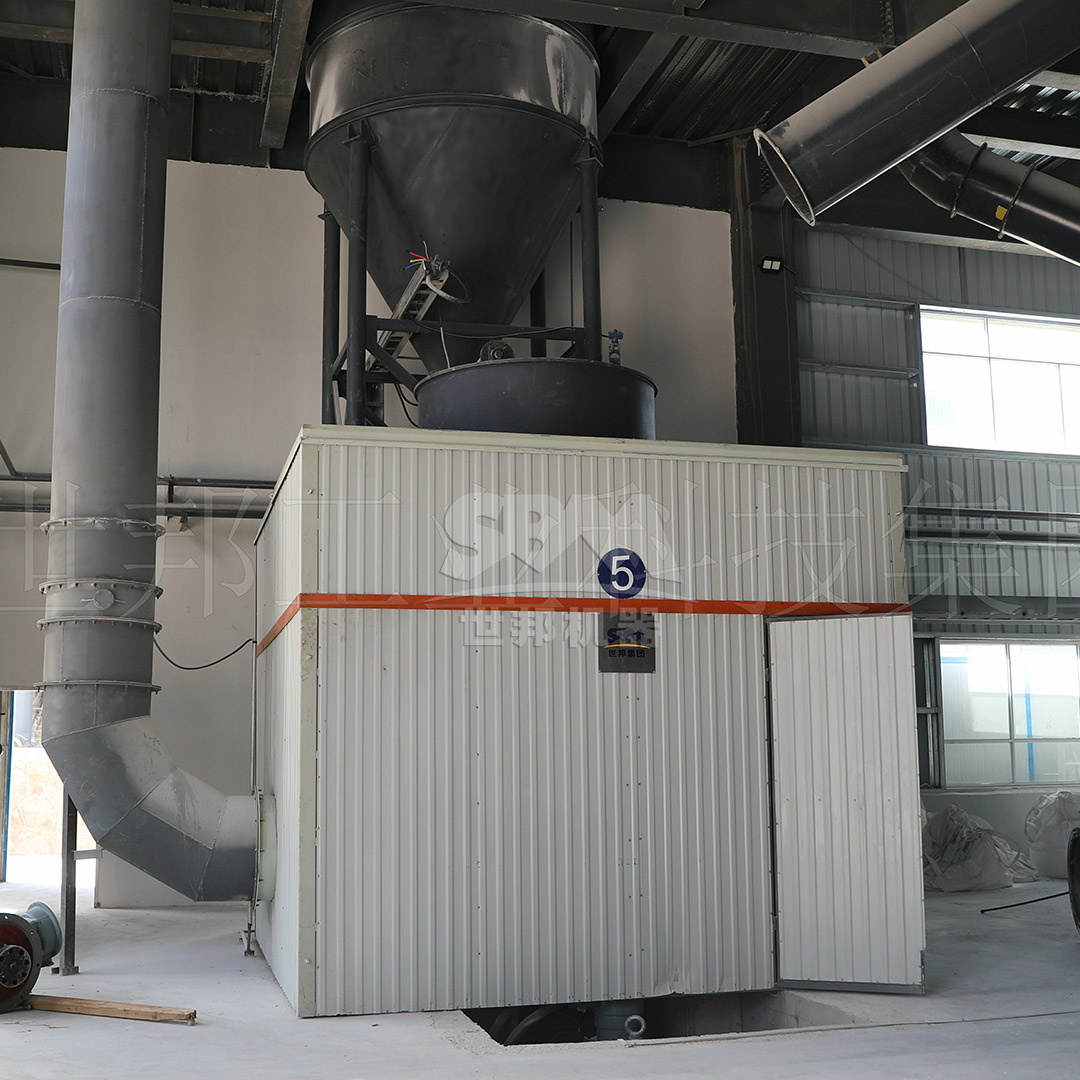
The SCM series achieves 30% lower energy consumption compared to jet mills while doubling production capacity, making it exceptionally efficient for ultra-fine talc production. Its pulse dust collection system exceeds international standards with collection efficiency over 99.9%, and the integrated noise reduction chamber maintains operation below 75dB. For talc producers targeting the premium market segments, the SCM Ultrafine Mill provides unmatched combination of product quality, production efficiency, and operational economy.
Medium-Fine Grinding Mills
For talc powders in the 30-325 mesh range (45-600μm), medium-fine grinding mills offer the optimal balance between production capacity, energy consumption, and capital investment. These systems are workhorses for industrial talc applications in plastics, rubber, paints, and ceramics where ultra-fine sizes are not required but consistent quality and high throughput are essential.
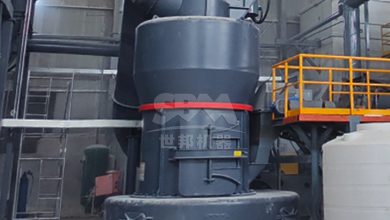
Our MTW Series Trapezium Mill excels in medium-fine talc production with output fineness from 30-325 mesh and impressive capacity ranging from 3 to 45 tons per hour across different models. The mill’s curved air channel design reduces air flow resistance and improves transmission efficiency, while its combined blade design significantly reduces maintenance costs. The integral transmission with bevel gear achieves 98% transmission efficiency, saving both energy and installation space.
For talc processing, the MTW Series offers particular advantages in handling the mineral’s natural softness and lamellar structure. The grinding roller and ring design applies optimal pressure to exfoliate talc particles without excessive comminution, preserving the aspect ratio that contributes to talc’s performance in reinforced composites. The anti-abrasion features including specially hardened materials for vulnerable components ensure consistent product quality even after extended operation periods.
Vertical Roller Mills
Vertical roller mills represent the most advanced technology for large-scale talc production, particularly for integrated operations that require both coarse and fine products from the same raw material. These systems combine grinding, drying, classification, and conveying in a single compact unit, offering significant space savings and reduced installation costs.
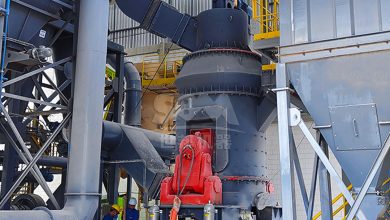
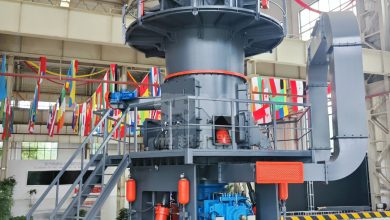
Our LM Series Vertical Roller Mill handles talc with input sizes up to 50mm and produces powders from 30-325 mesh (with special models reaching 600 mesh). With capacities from 3 to 250 tons per hour, these mills serve the largest talc processing operations worldwide. The concentrated design reduces footprint by 50% compared to traditional grinding systems, and the ability for outdoor installation cuts civil engineering costs by 40%.
The LM Series employs a non-contact grinding roller and table design that triples wear part life compared to conventional vertical mills. Energy consumption is 30-40% lower than ball mill systems, with expert automatic control systems enabling remote operation and real-time parameter monitoring. For talc producers, the integrated drying capability is particularly valuable when processing talc with inherent moisture, eliminating the need for separate drying equipment.
Traditional Ball Mills
While older than other technologies, ball mills still find application in talc processing, particularly for specific particle shape requirements or when integrated with robust classification systems. Ball mills produce talc powders in the 0.074-0.8mm range (approximately 200-20 mesh) with capacities from 0.65 to 450 tons per hour.
The key advantage of ball mills for talc is their ability to produce more equi-axed particles compared to the platelet-shaped particles typically produced by compression grinding systems. For some applications where talc’s reinforcing properties rather than its slip characteristics are paramount, this particle shape may be preferable. However, higher energy consumption and greater iron contamination risk make ball mills less attractive for high-value talc products.
Comparative Analysis of Talc Grinding Technologies
Performance Metrics Comparison
When evaluating grinding equipment for talc, several performance metrics must be considered simultaneously. Ultra-fine mills like our SCM series deliver the finest products but at higher specific energy consumption per ton. Vertical roller mills offer the best energy efficiency for medium-fine products but require higher capital investment. Traditional technologies like ball mills have lower upfront costs but significantly higher operating expenses over time.
The product quality differences are equally important. Mills that apply predominantly compression forces (like vertical roller mills) tend to preserve talc’s lamellar structure better than those using primarily impact forces (like hammer mills). The classification efficiency directly affects product yield – poor classification results in either unacceptably coarse particles in the product or excessive recirculation of fine particles that waste energy and cause overgrinding.
Economic Considerations
The total cost of talc grinding includes capital expenditure, energy consumption, wear part replacement, maintenance labor, and production losses during downtime. Our analysis shows that for most talc applications, modern vertical mills and specialized ultra-fine mills provide the lowest total cost of ownership despite higher initial investment. The energy savings alone typically justify the premium within 2-3 years of operation, with additional benefits from reduced maintenance requirements and higher product value.
For small to medium operations with variable production requirements, the MTW Series Trapezium Mill offers an excellent balance of performance and economy. For dedicated ultra-fine production, the SCM Ultrafine Mill delivers unmatched product quality with competitive operating costs. Large-scale integrated facilities benefit most from the LM Series Vertical Roller Mills, which provide the lowest per-ton operating cost at high capacities.
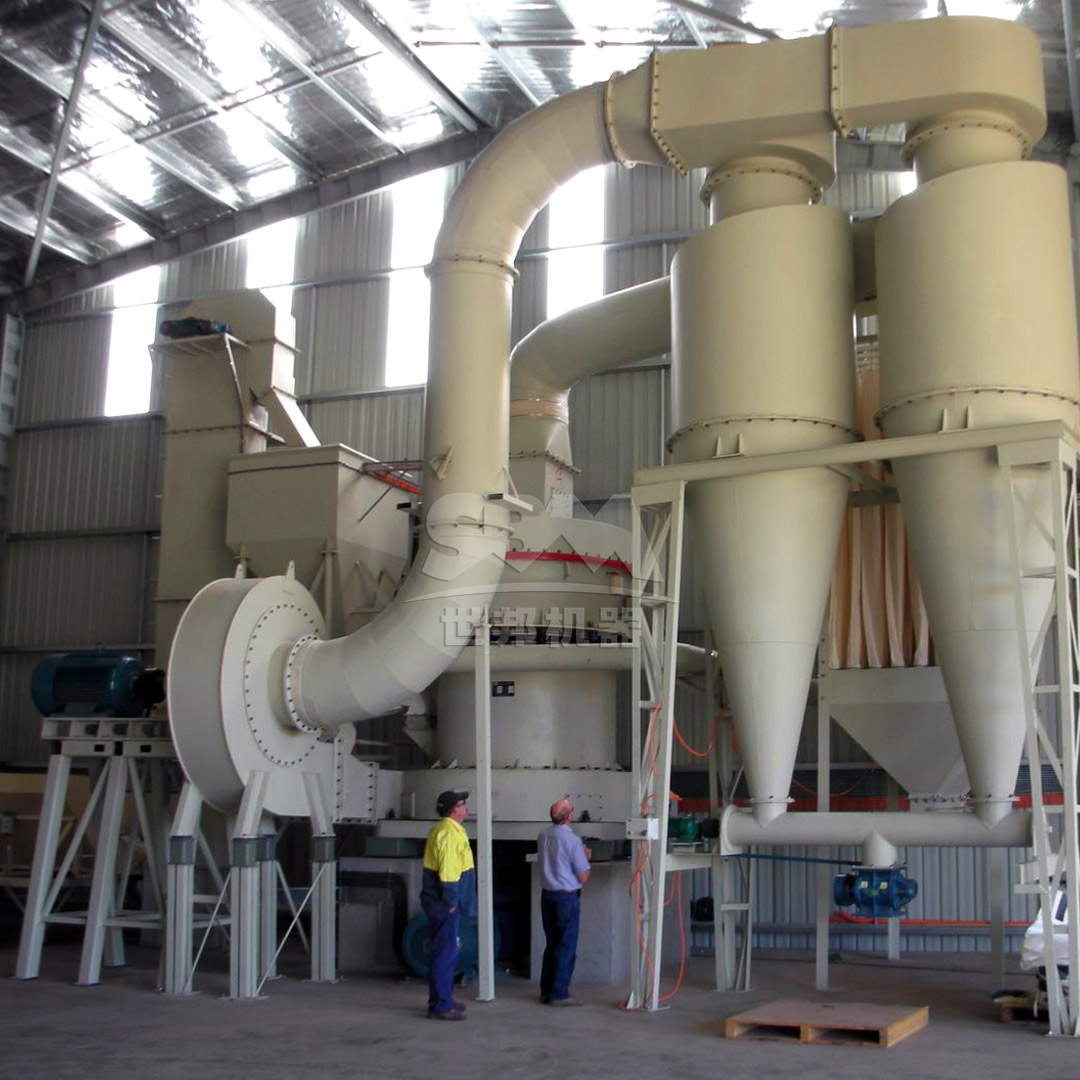
Recommended Solutions for Different Talc Production Scenarios
Premium Cosmetic and Pharmaceutical Grade Talc
For the highest value talc products where whiteness, purity, and ultra-fine particle size are critical, we recommend our SCM Ultrafine Mill. Specific models like the SCM1000 (1.0-8.5 tons/hour) and SCM1250 (2.5-14 tons/hour) are particularly suited for these applications. The mill’s ability to produce talc with D97 ≤ 5μm without iron contamination makes it ideal for products commanding premium prices. The integrated pulse dust collection and noise reduction features ensure compliance with stringent cosmetic and pharmaceutical manufacturing standards.
Industrial Grade Talc for Plastics and Rubber
For talc used as filler and reinforcement in plastics and rubber compounds, where medium fineness (200-800 mesh) and high aspect ratio particles are desired, we recommend our MTW Series Trapezium Mill. Models like MTW138Z (6-17 tons/hour) and MTW175G (9.5-25 tons/hour) provide the optimal balance of production capacity and product characteristics. The mill’s grinding action preserves talc’s lamellar structure while achieving the necessary fineness for effective reinforcement.
Large-Scale Commercial Talc Production
For mining operations producing talc at scales above 25 tons/hour for multiple market segments, we recommend our LM Series Vertical Roller Mill. The LM220K model (36-105 tons/hour) efficiently handles the complete size reduction process from crude ore to finished powder, with the flexibility to produce different grades through adjustment of operational parameters. The system’s low operating cost and high availability make it ideal for commodity talc production where cost competitiveness is paramount.
Conclusion
Selecting the optimal equipment for talc powder production requires careful consideration of product requirements, production scale, quality specifications, and economic factors. While multiple technologies can produce talc powder, modern vertical mills and specialized ultra-fine mills offer significant advantages in energy efficiency, product quality control, and total operating costs.
Our recommended solutions – the SCM Ultrafine Mill for premium applications, MTW Series Trapezium Mill for industrial grades, and LM Series Vertical Roller Mill for large-scale production – represent the current state of the art in talc processing technology. Each is backed by comprehensive technical support, spare parts availability, and process optimization services to ensure our customers achieve their production targets with maximum efficiency and profitability.
As talc applications continue to evolve toward higher value segments and tighter specifications, investing in advanced grinding technology becomes increasingly crucial for maintaining competitive advantage. We welcome the opportunity to discuss your specific talc processing requirements and demonstrate how our equipment solutions can enhance your product quality and operational efficiency.