What is the Best Equipment for Grinding Heavy Calcium into Ultrafine Powder?
Introduction to Heavy Calcium Grinding
Heavy calcium carbonate (ground calcium carbonate or GCC) is one of the most widely used industrial minerals, with applications spanning plastics, paints, coatings, rubber, paper, adhesives, and sealants. The value of heavy calcium increases significantly with finer particle sizes, as ultrafine powders offer superior properties such as higher brightness, better opacity, improved reinforcement, and enhanced dispersion characteristics. Producing consistent, high-quality ultrafine heavy calcium powder requires specialized grinding equipment capable of achieving precise particle size distributions while maintaining operational efficiency and cost-effectiveness.
The transformation of raw calcium carbonate into valuable ultrafine powder involves complex mechanical and aerodynamic processes. Selecting the optimal grinding technology is crucial for meeting specific product requirements, maximizing production efficiency, and ensuring economic viability. This comprehensive analysis examines the various grinding technologies available for heavy calcium processing and identifies the most suitable solutions for different application scenarios.
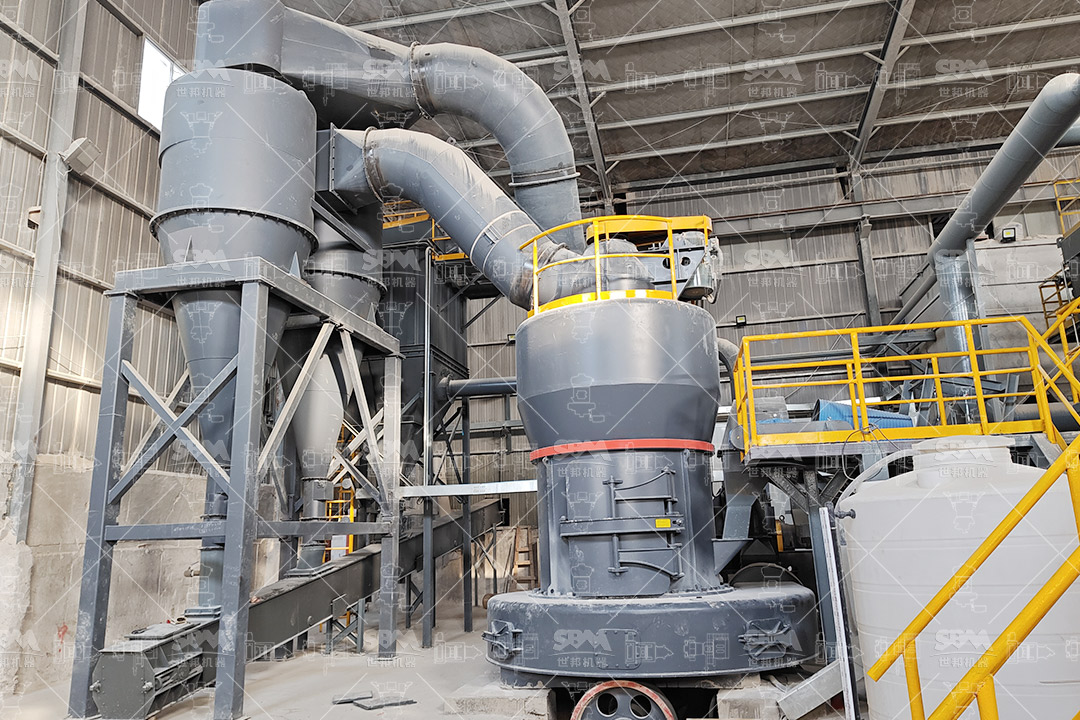
Key Considerations for Heavy Calcium Grinding
Material Characteristics
Heavy calcium carbonate possesses specific physical and chemical properties that influence grinding equipment selection. With a Mohs hardness of 3, calcium carbonate is relatively soft but can be abrasive to grinding components. The mineral’s crystalline structure, moisture content, and initial particle size distribution all impact grinding efficiency and final product quality. Understanding these material characteristics is essential for choosing equipment that can handle the specific challenges of calcium carbonate processing.
Particle Size Requirements
The definition of “ultrafine” varies by industry, but generally refers to powders with particle sizes below 10 micrometers. For heavy calcium carbonate, common target fineness ranges include:
- Coarse grades: 200-400 mesh (74-37μm)
- Fine grades: 400-800 mesh (37-18μm)
- Ultrafine grades: 800-2500 mesh (18-5μm)
- Superfine grades: 2500+ mesh (<5μm)
Different grinding technologies offer varying capabilities in achieving these target distributions, with some excelling at coarse-to-medium grinding and others specialized in producing truly ultrafine powders.
Production Capacity Needs
Heavy calcium processing operations range from small pilot plants producing a few hundred kilograms per hour to large industrial facilities with capacities exceeding 50 tons per hour. The grinding equipment must match the required production scale while allowing for future expansion. Factors such as energy consumption, maintenance requirements, and operational flexibility become increasingly important as production scales increase.
Grinding Technologies for Heavy Calcium Carbonate
Ball Mills
Traditional ball mills have been used for decades in mineral processing applications, including calcium carbonate grinding. These systems operate on the principle of impact and attrition, where grinding media (typically steel balls) cascade within a rotating cylinder, crushing and grinding the material. While ball mills can achieve relatively fine particle sizes (typically down to 45μm or 325 mesh), they face limitations in energy efficiency and achieving truly ultrafine distributions.
The main disadvantages of ball mills for ultrafine heavy calcium production include:
- High energy consumption per ton of product
- Limited ability to achieve particles below 10μm efficiently
- Significant heat generation that can affect product quality
- Large footprint and high capital investment
- Noise and vibration issues
For these reasons, ball mills are increasingly being replaced by more advanced grinding technologies for ultrafine heavy calcium applications, though they remain viable for coarser products or as pre-grinding systems.
Raymond Mills and Traditional Pendulum Mills
Raymond mills and similar pendulum roller mills have been workhorses in the mineral grinding industry for nearly a century. These systems use spring-loaded rollers that rotate against a stationary grinding ring, crushing materials fed between them. While improvements have been made over the years, traditional designs face limitations in achieving ultrafine particle sizes and maintaining consistent product quality.
Key limitations include:
- Difficulty achieving consistent product below 400 mesh
- Relatively high energy consumption for fine grinding
- Mechanical complexity with multiple moving parts
- Limited ability to handle varying feed materials
- Higher maintenance requirements
While suitable for many general grinding applications, traditional pendulum mills are not optimal for modern ultrafine heavy calcium production requirements.
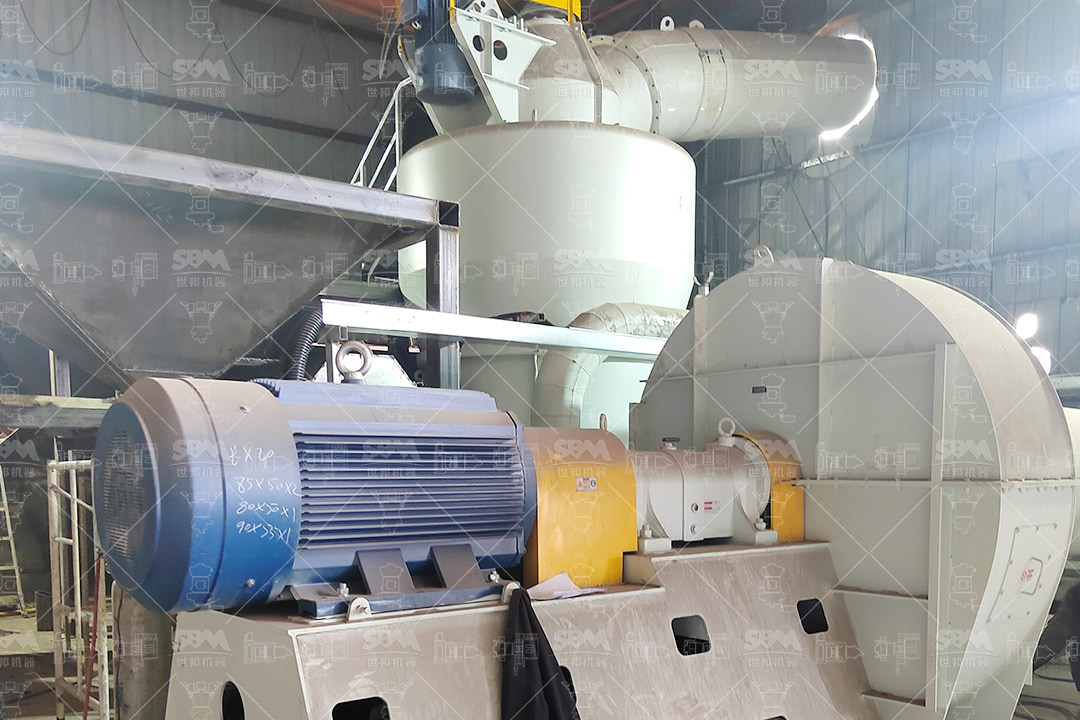
Advanced Grinding Solutions for Ultrafine Heavy Calcium
Vertical Roller Mills
Vertical roller mills (VRMs) represent a significant advancement in grinding technology, offering improved efficiency and control compared to traditional systems. These mills utilize hydraulically-loaded rollers that press against a rotating grinding table, creating a bed of material that is ground through compression and shear forces.
For heavy calcium applications, VRMs offer several advantages:
- Higher grinding efficiency compared to ball mills
- Ability to dry, grind, and classify in a single unit
- Lower specific energy consumption
- Compact design with smaller footprint
- Better control over product fineness
However, standard VRMs may still face challenges in consistently producing the finest ultrafine grades (below 10μm) with tight particle distribution control. The technology works best for products in the medium to fine range, typically down to 400-600 mesh.
Specialized Ultrafine Grinding Systems
For the most demanding ultrafine heavy calcium applications, specialized grinding systems have been developed that overcome the limitations of conventional technologies. These advanced mills incorporate precision classification systems, optimized grinding mechanics, and sophisticated control systems to produce consistent ultrafine powders with narrow particle size distributions.
The most effective systems for ultrafine heavy calcium share several key characteristics:
- Integrated high-efficiency classifiers for precise particle size control
- Optimized grinding elements with specialized wear materials
- Advanced control systems for consistent operation
- Energy-efficient designs with low operating costs
- Comprehensive dust collection and environmental controls
Recommended Solution: SCM Ultrafine Mill for Heavy Calcium
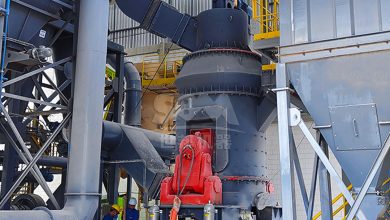
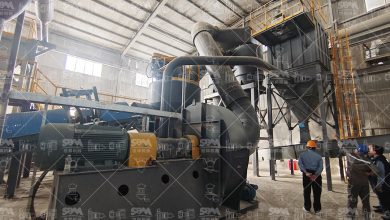
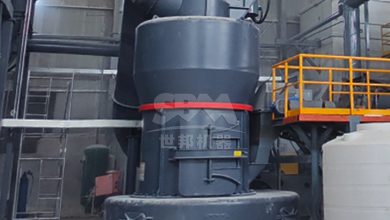
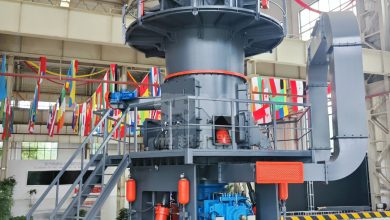
For producers seeking to manufacture high-quality ultrafine heavy calcium carbonate, the SCM Ultrafine Mill represents an optimal solution that addresses the specific challenges of this application. This advanced grinding system combines innovative engineering with proven principles to deliver exceptional performance in heavy calcium processing.
Technical Specifications and Capabilities
The SCM Ultrafine Mill is specifically engineered for producing fine and ultrafine powders, with capabilities perfectly matched to heavy calcium requirements:
- Input Size: ≤20mm, accommodating typical crushed calcium carbonate feed
- Output Fineness: 325-2500 mesh (D97≤5μm), covering the full range of commercial ultrafine heavy calcium products
- Processing Capacity: 0.5-25 tons/hour across different models, suitable for various production scales
The mill’s ability to consistently produce powder with D97 below 5μm places it at the forefront of ultrafine grinding technology, enabling producers to manufacture premium-grade heavy calcium products that command higher market prices.
Key Technological Advantages
The SCM Ultrafine Mill incorporates several innovative features that make it particularly well-suited for heavy calcium applications:
High-Efficiency Grinding Mechanism
The mill employs a unique grinding principle with multiple grinding rings and rollers arranged in a vertical configuration. This design creates multiple grinding zones that progressively reduce particle size, resulting in higher efficiency and more uniform product quality compared to single-stage systems.
Precision Classification System
At the heart of the SCM Ultrafine Mill’s performance is its advanced vertical turbine classification system. This technology enables precise control over particle size distribution, ensuring consistent product quality and eliminating coarse particle contamination. The classifier can be adjusted during operation to produce different product grades without stopping the mill.
Superior Wear Protection
Heavy calcium carbonate, while relatively soft, can be abrasive to grinding components over time. The SCM Ultrafine Mill addresses this challenge through specialized wear materials in critical areas. The grinding rollers and rings are manufactured from high-chromium alloy or ceramic composites, providing exceptional wear resistance and extending maintenance intervals significantly compared to conventional mills.
Energy Efficiency
With energy costs representing a major portion of operating expenses in grinding operations, the SCM Ultrafine Mill’s efficiency advantages deliver substantial economic benefits. The system achieves approximately 30% lower energy consumption compared to traditional jet mills while offering twice the production capacity. This efficiency stems from optimized grinding mechanics, reduced internal resistance, and intelligent system design.
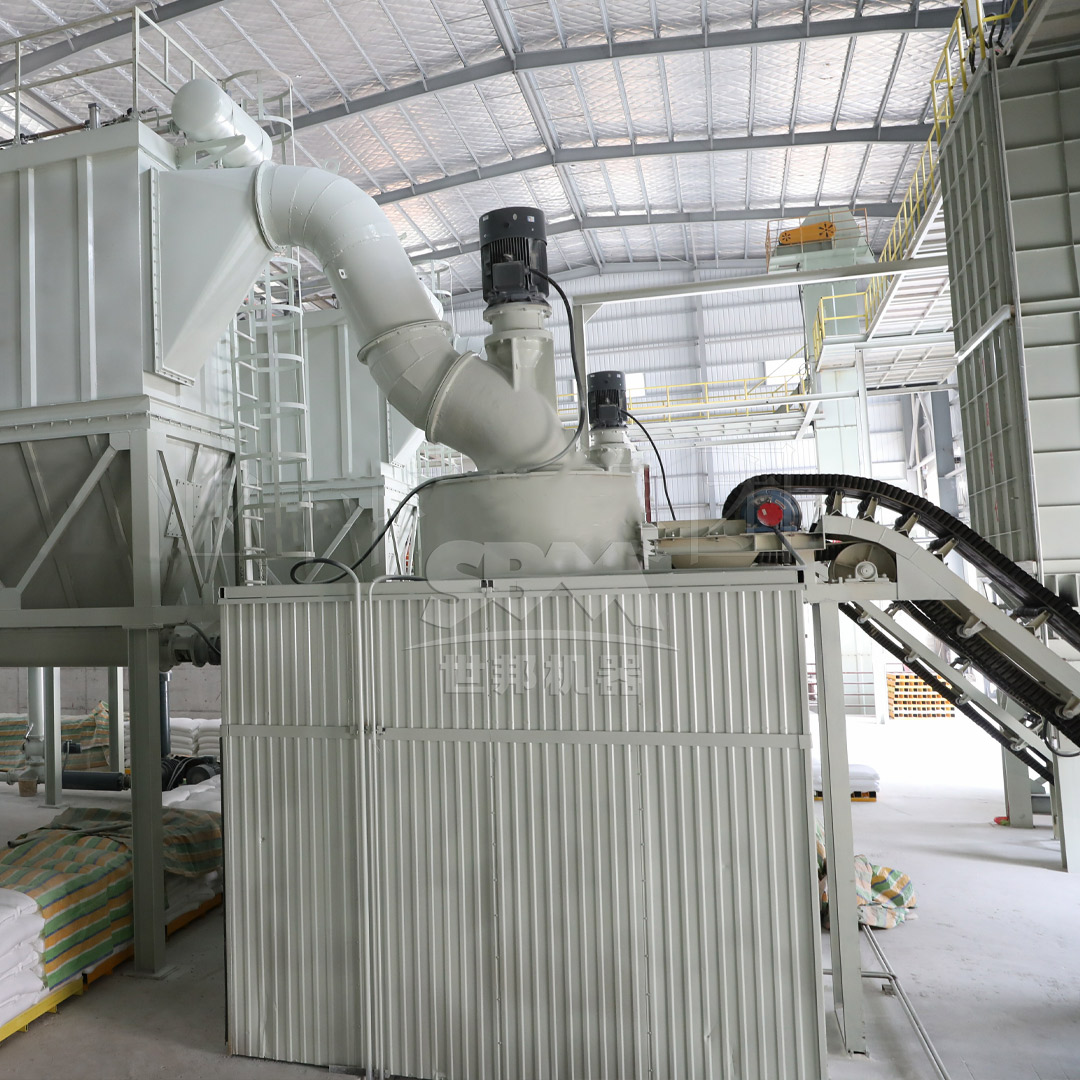
Environmental and Operational Benefits
Beyond its technical capabilities, the SCM Ultrafine Mill offers significant advantages in operational efficiency and environmental compliance:
Comprehensive Dust Collection
The integrated pulse dust collection system exceeds international emission standards, capturing fine particles effectively and maintaining a clean working environment. This is particularly important for heavy calcium applications, where dust control is essential for both product recovery and workplace safety.
Low Noise Operation
With noise levels below 75dB, the SCM Ultrafine Mill creates a better working environment and simplifies compliance with occupational health and safety regulations. The mill’s enclosed design and vibration-damping features contribute to its quiet operation.
Automation and Control
Advanced control systems enable automated operation with real-time monitoring of key parameters. The intelligent control system automatically adjusts operational settings to maintain consistent product quality, even with variations in feed material characteristics.
Model Selection Guide
The SCM Ultrafine Mill is available in multiple configurations to match different production requirements:
- SCM800: Ideal for pilot plants and small-scale production with capacity of 0.5-4.5 tons/hour
- SCM900: Suitable for medium-scale operations with capacity of 0.8-6.5 tons/hour
- SCM1000: Balanced performance for typical production needs with capacity of 1.0-8.5 tons/hour
- SCM1250: High-capacity model for established operations with capacity of 2.5-14 tons/hour
- SCM1680: Maximum production model for large-scale facilities with capacity of 5.0-25 tons/hour
This range of models ensures that producers can select equipment precisely matched to their current needs while allowing for future expansion.
Alternative Solution: MTW Series Trapezium Mill
For applications requiring high capacity with slightly coarser product specifications, the MTW Series Trapezium Mill presents an excellent alternative. This advanced version of traditional pendulum mills incorporates multiple innovations that enhance performance for heavy calcium grinding.
Key Features for Heavy Calcium Applications
The MTW Series offers several specialized features that benefit heavy calcium producers:
Advanced Wear Protection
The mill’s combination wear blade design and curved surface grinding roller configuration significantly extend component life in abrasive calcium carbonate applications. This reduces maintenance frequency and lowers operating costs.
Optimized Air Flow
The curved air duct design minimizes resistance and improves transmission efficiency, contributing to lower energy consumption per ton of product. The reinforced wear plates protect critical surfaces from erosion.
High-Efficiency Drive System
The integrated conical gear transmission achieves 98% efficiency, reducing power losses and simplifying maintenance compared to traditional drive systems.
Application Scope
While the MTW Series may not achieve the extreme fineness of the SCM Ultrafine Mill (typically reaching 325 mesh rather than 2500 mesh), it offers advantages for specific heavy calcium applications:
- High-volume production of fine (rather than ultrafine) heavy calcium
- Operations with variable feed materials where flexibility is prioritized
- Applications where capital investment constraints favor this technology
- Plants requiring robust, proven technology with extensive service support
The availability of multiple models with capacities from 3-45 tons/hour makes the MTW Series suitable for operations of virtually any scale.
Economic Considerations
Total Cost of Ownership
When evaluating grinding equipment for heavy calcium applications, considering the total cost of ownership rather than just initial investment is crucial. Advanced systems like the SCM Ultrafine Mill typically offer:
- Lower energy consumption per ton of product
- Reduced maintenance costs through longer component life
- Higher product value through superior quality
- Reduced downtime through reliable operation
- Lower labor costs through automation
These factors often result in a favorable return on investment, even with higher initial capital requirements.
Product Value Enhancement
The ability to consistently produce ultrafine heavy calcium powder with tight particle size distributions creates significant value addition opportunities. Premium ultrafine products typically command prices 2-3 times higher than standard fine grades, creating strong economic incentives for investing in advanced grinding technology.
Conclusion
Selecting the optimal grinding equipment for heavy calcium carbonate requires careful consideration of technical requirements, production scale, and economic factors. While various technologies are available, the SCM Ultrafine Mill stands out as the premier solution for producers targeting the high-value ultrafine powder market. Its ability to consistently produce powders with D97 below 5μm, combined with high efficiency, reliability, and environmental performance, makes it the technology of choice for modern heavy calcium processing operations.
For operations with different priorities or those requiring coarser products, the MTW Series Trapezium Mill offers an excellent balance of performance, capacity, and economy. Both technologies represent significant advancements over traditional grinding systems and can help heavy calcium producers achieve their quality, efficiency, and profitability objectives.
As market demands continue to evolve toward finer, more consistent products, investing in advanced grinding technology becomes increasingly essential for maintaining competitiveness in the heavy calcium industry. The right equipment selection today positions producers for success in tomorrow’s market.