
What is Tantalum and Niobium Used For? Introduction to Tantalum-Niobium Ore Grinding Mills
Introduction to Tantalum and Niobium
Tantalum and niobium are two strategic refractory metals that play crucial roles in modern technology and industrial applications. These metals, often found together in mineral deposits, possess exceptional properties including high melting points, excellent corrosion resistance, and superior electrical characteristics that make them indispensable across multiple industries.
Both metals are primarily extracted from tantalite-columbite ores, with the grinding process being a critical step in the beneficiation chain. The efficient liberation of these valuable minerals from their host rocks requires specialized grinding equipment capable of handling their unique physical and chemical characteristics.
Applications of Tantalum
Electronics and Capacitors
Tantalum’s most significant application lies in the electronics industry, where it’s used to manufacture high-performance capacitors. Tantalum capacitors offer superior volumetric efficiency, stability, and reliability compared to other capacitor technologies. These components are essential in:
- Mobile phones and smartphones
- Computer motherboards and servers
- Automotive electronics
- Medical implantable devices
- Aerospace and defense systems
The fine powder required for capacitor manufacturing typically ranges from 5-45 microns, demanding precise grinding and classification systems.
Chemical Processing Equipment
Tantalum’s exceptional corrosion resistance makes it ideal for chemical processing applications. It withstands attack from most acids, including hydrochloric, nitric, and sulfuric acids, at elevated temperatures. Key applications include:
- Heat exchangers and condensers
- Reaction vessels and linings
- Pipework and valves in aggressive chemical environments
- Spinnerets for synthetic fiber production
Medical Implants
Tantalum’s biocompatibility and radiopacity make it valuable in medical applications. The metal is used in:
- Orthopedic implants (hip and knee replacements)
- Dental implants and prosthetics
- Surgical instruments
- Bone repair meshes and plates
Aerospace and Defense
The high-temperature strength and corrosion resistance of tantalum find applications in:
- Rocket engine components
- Nozzles for high-temperature gases
- Military armor-piercing projectiles
- Nuclear reactor components
Applications of Niobium
Steel Alloy Production
Niobium’s primary application is as a microalloying element in steel production, where it significantly enhances mechanical properties. Adding small amounts of niobium (0.01-0.1%) to steel provides:
- Increased strength and toughness
- Improved weldability
- Enhanced corrosion resistance
- Grain refinement during heat treatment
These high-strength low-alloy (HSLA) steels are used in automotive frames, construction beams, and pipelines.
Superconducting Materials
Niobium-tin (Nb3Sn) and niobium-titanium (NbTi) alloys are the workhorse materials for superconducting magnets used in:
- Magnetic Resonance Imaging (MRI) systems
- Nuclear Magnetic Resonance (NMR) spectrometers
- Particle accelerators (Large Hadron Collider)
- Fusion reactor research
Aerospace Industry
Niobium-based superalloys are critical for high-temperature applications in jet engines and rocket propulsion systems. These alloys maintain strength at temperatures exceeding 1000°C, making them ideal for:
- Turbine blades and disks
- Combustion chamber components
- Rocket nozzle inserts
- Spacecraft heat shields
Tantalum-Niobium Ore Processing Challenges
The processing of tantalum-niobium ores presents unique challenges that require specialized grinding equipment:
Hardness and Abrasiveness
Tantalite-columbite minerals typically have Mohs hardness of 6-6.5, making them moderately hard but highly abrasive. This characteristic demands grinding equipment with exceptional wear resistance to maintain operational efficiency and reduce maintenance downtime.
Liberation Characteristics
Tantalum and niobium minerals often occur as fine disseminations within host rocks, requiring fine grinding for effective liberation. The optimal liberation size typically ranges from 75-150 microns, necessitating precise control over the grinding process.
Value Concentration
Given the high unit value of tantalum and niobium concentrates, even small improvements in recovery rates can significantly impact project economics. Efficient grinding directly influences downstream recovery in gravity separation and flotation processes.
Environmental Considerations
Some tantalum-niobium deposits contain radioactive elements like uranium and thorium, requiring special handling and processing considerations to ensure worker safety and environmental compliance.
Grinding Mill Selection for Tantalum-Niobium Ores
Selecting the appropriate grinding mill is crucial for optimizing tantalum-niobium ore processing operations. The choice depends on several factors including ore characteristics, required product size, capacity requirements, and economic considerations.
Key Selection Criteria
- Feed size and hardness: Determines the required comminution energy
- Target product size: Influences mill type and classification system
- Capacity requirements: Dictates mill size and configuration
- Wear resistance: Critical for maintaining performance with abrasive ores
- Energy efficiency: Significant operational cost factor
- Capital and operating costs: Overall project economics
Recommended Grinding Solutions
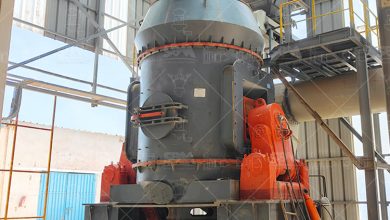
SCM Series Ultrafine Mill for Fine Grinding Applications
For operations requiring fine to ultrafine grinding of tantalum-niobium ores, particularly for specialized applications or research purposes, we recommend our SCM Series Ultrafine Mill. This advanced grinding system offers exceptional performance characteristics specifically suited to the demands of strategic mineral processing.
The SCM Ultrafine Mill operates with an input size of ≤20mm and produces output ranging from 325-2500 mesh (D97≤5μm), with processing capacities from 0.5 to 25 tons per hour depending on the specific model. This makes it ideal for producing the fine powders required for advanced applications and laboratory analysis.
Key technical advantages include:
- High-efficiency operation with 30% lower energy consumption compared to conventional jet mills while delivering twice the production capacity
- Precision classification through vertical turbine classifiers that ensure accurate particle size distribution without coarse particle contamination
- Enhanced durability with specially formulated materials for rollers and grinding rings that extend service life multiple times over conventional components
- Environmental compliance with pulse dust collection efficiency exceeding international standards and noise levels below 75dB through integrated acoustic enclosures
The operational principle involves a main motor driving multiple layers of grinding rings in rotation. Material is dispersed into the grinding path by centrifugal force, undergoing progressive compression and grinding through roller action. The final product is collected through a combination of cyclone collectors and pulse dust removal systems.
Available models range from the SCM800 with 0.5-4.5 ton/hour capacity and 75kW main motor to the SCM1680 handling 5.0-25 tons per hour with a 315kW power unit, ensuring a solution for various production requirements.
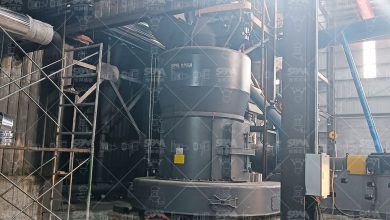
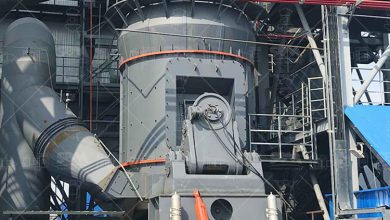
MTW Series Trapezium Mill for General Processing
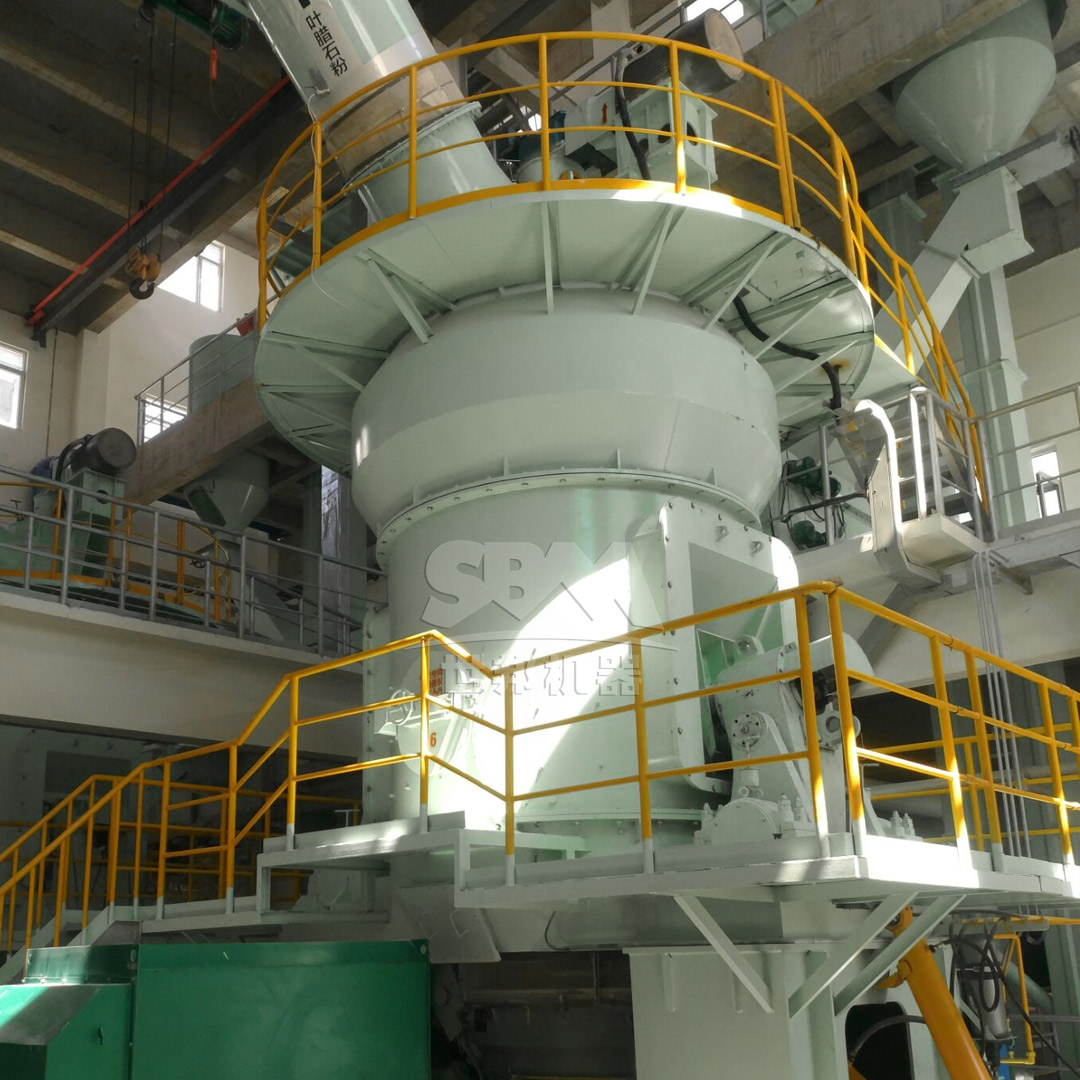
For mainstream tantalum-niobium ore processing operations requiring robust and efficient grinding solutions, our MTW Series Trapezium Mill provides outstanding performance and reliability. This European-style grinding mill handles feed sizes up to 50mm and produces product in the 30-325 mesh range (down to 0.038mm), with capacities from 3 to 45 tons per hour.
The MTW Series incorporates several innovative features specifically beneficial for hard and abrasive mineral processing:
- Anti-wear shovel design with combined shovel blades that reduce maintenance costs and curved surfaces that extend roller service life
- Optimized curved air channel that minimizes air flow energy loss while improving transmission efficiency, protected by high-strength wear plates
- Integrated bevel gear transmission delivering 98% transmission efficiency while saving space and reducing installation costs
- Durable snail shell structure with non-blocking design that enhances air classification efficiency and reduces maintenance costs by 30%
The grinding mechanism involves a main motor driving grinding rollers that revolve around the central axis while simultaneously rotating to generate centrifugal force. Shovels feed material between the grinding rings and rollers where layered compression achieves efficient comminution, with classification systems precisely controlling final product size.
With multiple models available including the MTW110 (3-9 tph), MTW138Z (6-17 tph), MTW175G (9.5-25 tph), and MTW215G (15-45 tph), operations can select the ideal configuration for their specific throughput requirements.
Grinding Circuit Design Considerations
Effective tantalum-niobium ore processing requires careful consideration of the entire grinding circuit, not just the primary mill. Key design aspects include:
Circuit Configuration
Both open and closed-circuit grinding configurations have applications in tantalum-niobium processing. Closed-circuit systems with efficient classification typically provide better control over product size distribution and higher overall efficiency.
Classification Systems
Effective classification is crucial for preventing overgrinding and optimizing energy utilization. Modern classification systems include:
- High-efficiency cyclones
- Mechanical air classifiers
- Hydrocyclones for wet grinding circuits
- Screen decks for coarse separation
Automation and Control
Advanced control systems optimize grinding circuit performance by:
- Maintaining optimal mill loading
- Controlling product size distribution
- Maximizing throughput within constraints
- Minimizing specific energy consumption
Operational Best Practices
Successful operation of grinding circuits for tantalum-niobium ores involves several key practices:
Mill Maintenance
Regular inspection and maintenance of wear components is essential for maintaining grinding efficiency and product quality. Key maintenance activities include:
- Monitoring and replacement of grinding elements
- Inspection and adjustment of classification systems
- Lubrication system maintenance
- Wear liner inspection and replacement
Process Optimization
Continuous optimization of operating parameters ensures maximum performance:
- Optimizing mill speed and loading
- Controlling feed size distribution
- Monitoring and adjusting classification efficiency
- Balancing circuit water addition (wet grinding)
Environmental Management
Effective environmental management includes:
- Dust collection and control systems
- Noise abatement measures
- Water recycling and treatment (wet circuits)
- Radiation monitoring where applicable
Future Trends in Tantalum-Niobium Ore Processing
The evolving demands for tantalum and niobium products are driving innovations in grinding technology:
Energy Efficiency
Increasing energy costs and environmental concerns are pushing development of more energy-efficient grinding technologies, including high-pressure grinding rolls and stirred media mills.
Digitalization
Advanced process control, predictive maintenance, and digital twin technologies are becoming increasingly important for optimizing grinding circuit performance.
Waterless Processing
Water scarcity in some mining regions is driving development of dry processing technologies that reduce or eliminate water consumption.
Modular Design
Modular grinding plants offer advantages for remote locations and smaller deposits through reduced capital costs and shorter installation times.
Conclusion
Tantalum and niobium are critical metals with diverse and growing applications across multiple high-technology sectors. The efficient processing of these strategic minerals begins with effective comminution using appropriately selected and optimized grinding equipment.
Our SCM Series Ultrafine Mill and MTW Series Trapezium Mill represent advanced solutions specifically engineered to meet the challenges of tantalum-niobium ore processing. These mills combine high efficiency, durability, and precision to maximize recovery and product quality while minimizing operating costs.
As demand for these critical metals continues to grow, driven by technological advancement and new applications, the importance of optimized grinding processes will only increase. Selecting the right grinding technology and implementing best practices in circuit design and operation are essential for successful tantalum-niobium projects.