What is Silicon Carbide Used For? | Applications and Grinding Solutions
Introduction to Silicon Carbide
Silicon Carbide (SiC), also known as carborundum, is a synthetic compound of silicon and carbon. Since its accidental discovery in the late 19th century, it has evolved from a simple abrasive to a cornerstone material in modern high-tech industries. Its unique combination of properties—extreme hardness (9.5 on the Mohs scale, second only to diamond and boron carbide), high thermal conductivity, excellent chemical inertness, and wide bandgap semiconductor characteristics—makes it indispensable across a vast spectrum of applications. The journey from raw SiC crystals to functional powders or components is critical, and efficient, precise grinding technology is the key enabler.
Key Applications of Silicon Carbide
1. Abrasives and Cutting Tools
This is one of the oldest and most widespread uses of SiC. Its exceptional hardness makes it perfect for grinding wheels, sandpapers, honing stones, and lapping compounds. It is used to grind and finish materials like glass, ceramics, non-ferrous metals, and stone. Compared to aluminum oxide, SiC abrasives are sharper and harder, offering faster cutting rates, though they can be more brittle.
2. Refractories and Foundry
SiC’s high melting point (approximately 2,700°C) and resistance to thermal shock make it a premier material for high-temperature industrial linings. It is used in furnace linings, kiln furniture, and crucibles for melting non-ferrous metals. In the foundry industry, SiC is added to iron and steel melts as a powerful inoculant and carbon raiser, improving metal quality and microstructure.
3. Ceramics and Composite Materials
As a reinforcing phase, SiC powders are sintered or incorporated into metal (e.g., aluminum) or ceramic matrices to create composites with dramatically enhanced properties. These SiC-reinforced composites exhibit superior strength, wear resistance, and thermal stability, finding use in automotive brake discs, armor plating, and high-performance aerospace components.
4. Electronics and Semiconductor Devices
This is the fastest-growing and most technologically demanding application. As a wide bandgap semiconductor, SiC outperforms traditional silicon in high-power, high-frequency, and high-temperature environments. It is the material of choice for:
- Power Electronics: Diodes, MOSFETs, and IGBTs used in electric vehicle inverters, solar inverters, and industrial motor drives, enabling higher efficiency and power density.
- RF Devices: Components for 5G infrastructure and radar systems.
- Substrates: For growing gallium nitride (GaN) layers in advanced LEDs and RF devices.
The production of semiconductor-grade SiC wafers requires ultra-pure, precisely sized powders as a starting material for crystal growth.
5. Automotive and Aerospace
Beyond power electronics in EVs, SiC is used in ceramic brake discs for high-performance cars and aircraft due to its light weight and fade resistance at extreme temperatures. It is also used in wear-resistant seals, bearings, and turbine components.
6. Other Applications
SiC is used in water jet cutting nozzles, diesel particulate filters, and as a support material for catalysts in the chemical industry. Its inertness also makes it suitable for mechanical seals in pumps handling corrosive fluids.
The Critical Role of Grinding in SiC Processing
Regardless of the end-use, transforming raw SiC feedstock into a usable form almost always involves a grinding or milling stage. The requirements vary significantly:
- Abrasives Industry: Requires controlled particle size distributions for consistent cutting performance.
- Refractories & Ceramics: Needs specific powder sizes for optimal sintering and packing density.
- Semiconductor Industry: Demands the highest level of purity and ultra-fine, narrowly distributed particle sizes (often in the micron and sub-micron range) for crystal growth and wafer polishing slurries.
Choosing the wrong grinding equipment can lead to contamination, inefficient energy use, inconsistent product quality, and inability to reach target fineness. The ideal mill must offer high precision, durability (to handle the abrasive nature of SiC), energy efficiency, and scalability.
Optimal Grinding Solutions for Silicon Carbide
Selecting the right milling technology depends on the feed size, desired output fineness, required capacity, and purity standards. Here are two highly effective solutions tailored for different stages of SiC processing.
Solution for Coarse to Medium-Fine Grinding (30-325 mesh / 600-45μm)
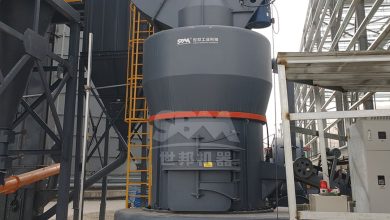
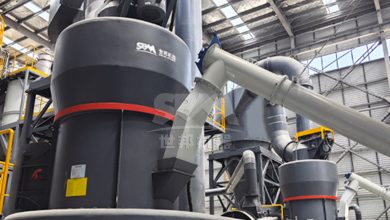
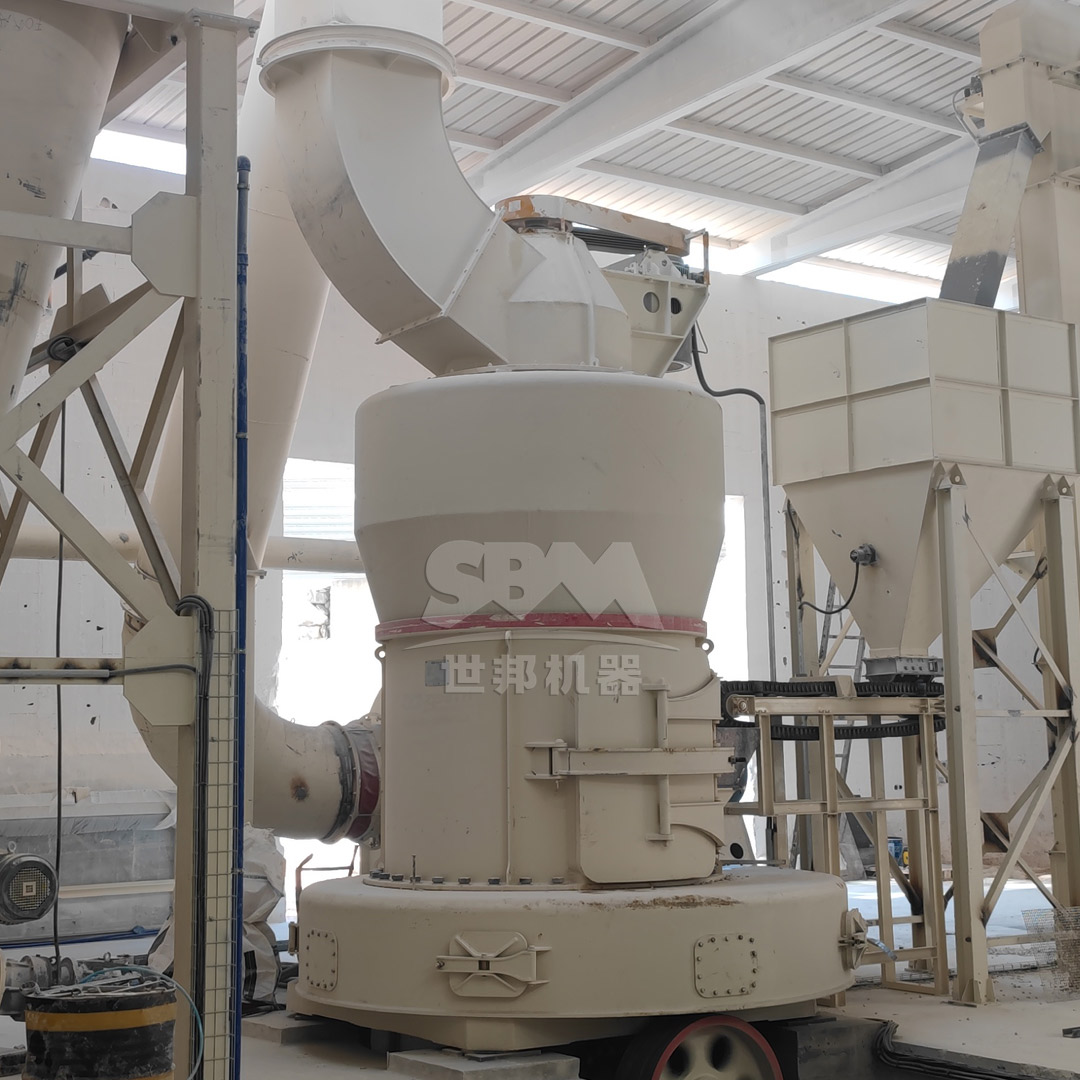
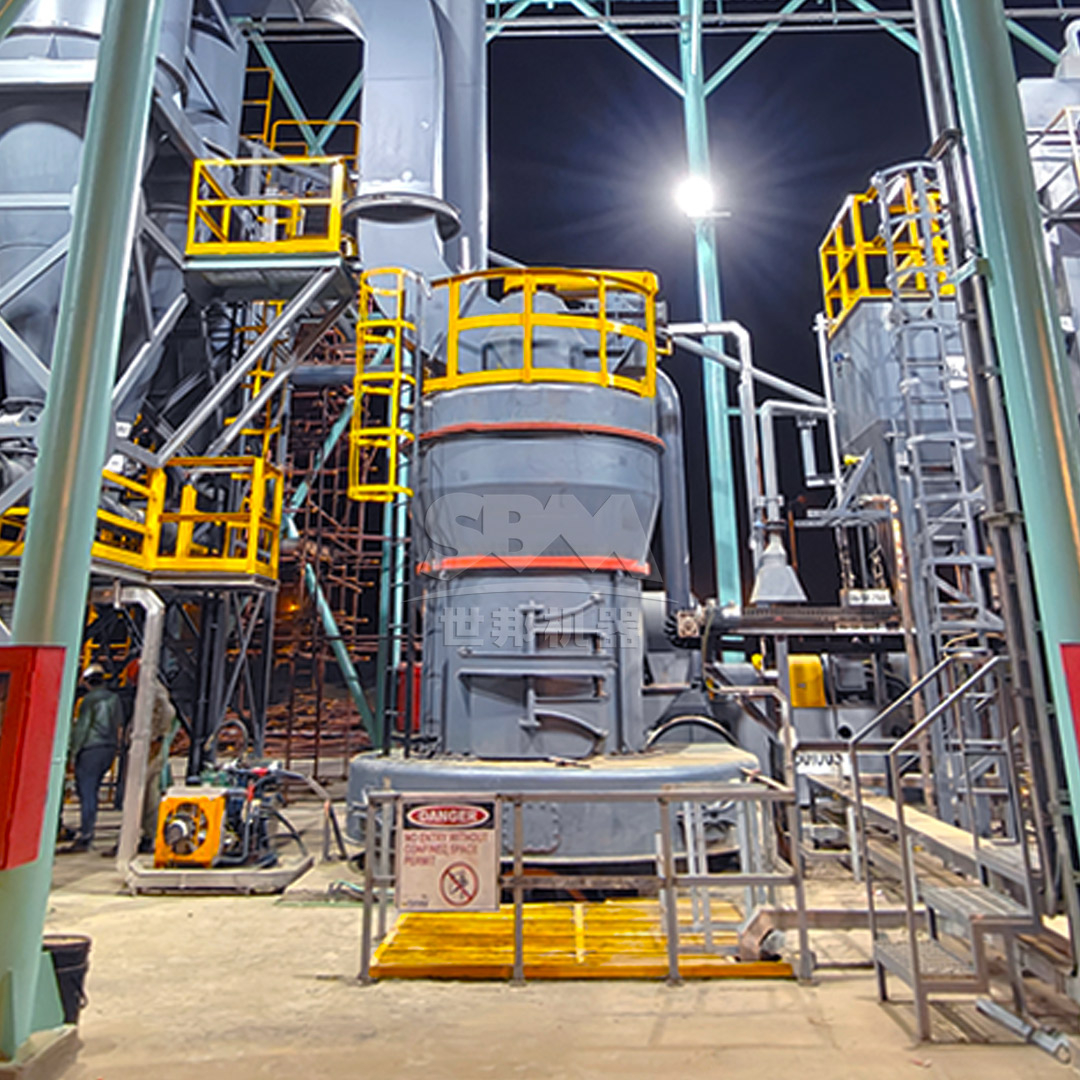
For initial size reduction of SiC lumps or producing powders for abrasive, refractory, and ceramic applications, a robust and high-capacity mill is essential. Our MTW Series European Trapezium Mill is perfectly engineered for this task.
This mill excels in handling materials like SiC up to 50mm in size, efficiently reducing them to a range between 30 and 325 mesh. Its key advantages for SiC processing include:
- Durable, Wear-Resistant Design: Featuring curved shovels and specially hardened grinding rolls and rings to withstand the extreme abrasiveness of SiC, significantly extending maintenance intervals.
- High Efficiency & Energy Savings: The innovative curved air duct reduces flow resistance, and the integral gear transmission achieves up to 98% efficiency, lowering operational costs for high-volume production.
- Precise Classification: An advanced internal classifier ensures a consistent and narrow particle size distribution, which is crucial for product performance in applications like bonded abrasives.
- High Capacity: With models offering throughput from 3 to 45 tons per hour, it supports large-scale industrial production.
For operations needing to process SiC into powders for metallurgical, refractory, or coarse abrasive uses, the MTW Series provides a reliable and economical grinding foundation.
Solution for Ultra-Fine and High-Purity Grinding (325-2500 mesh / 45-5μm)
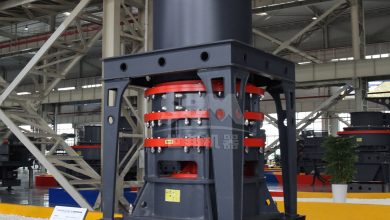
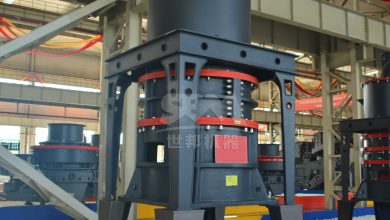
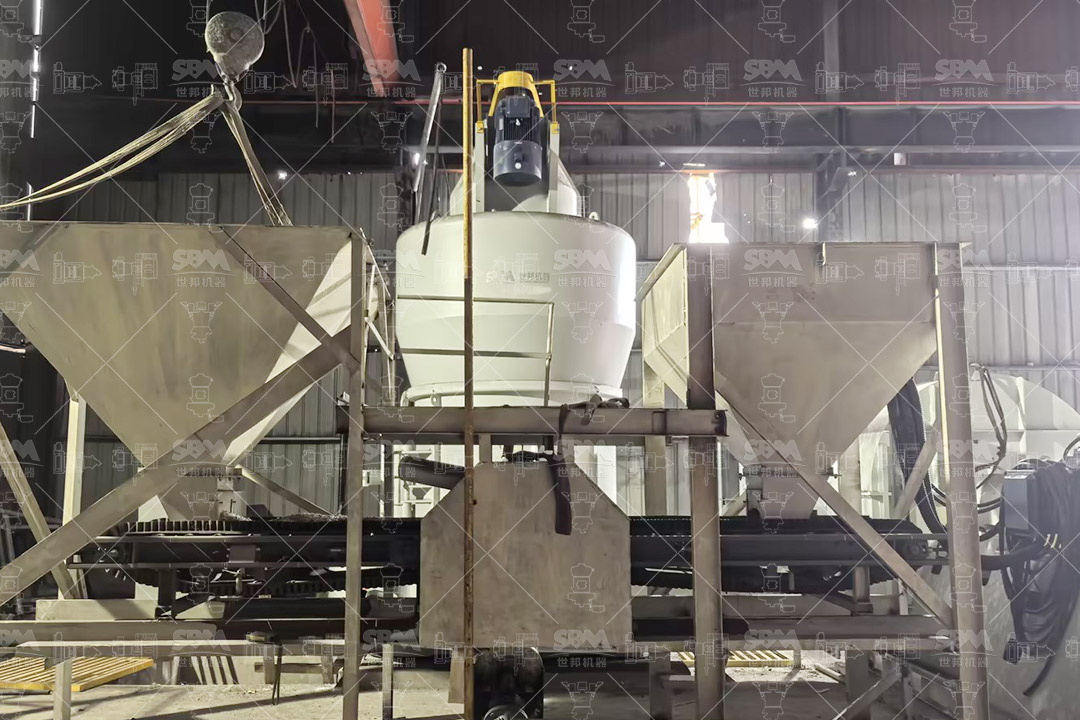
Producing the ultra-fine, high-purity SiC powders demanded by the advanced ceramics and semiconductor industries presents a greater challenge. This requires technology capable of achieving micron and sub-micron sizes while minimizing contamination and energy consumption. For this critical stage, we recommend our flagship SCM Series Ultrafine Mill.
The SCM Mill is a technological leader in superfine powder processing and is ideally suited for producing high-value SiC powders:
- Unmatched Fineness: It can consistently produce powders from 325 to 2500 mesh (D97 ≤ 5μm), meeting the stringent requirements for semiconductor precursor materials and high-performance ceramic composites.
- High-Precision Classification: Equipped with a vertical turbine classifier that provides sharp particle size cuts, ensuring a uniform product without coarse grit contamination—a critical factor for polishing slurries and sintering.
- Superior Energy Efficiency: Engineered to be highly efficient, its grinding mechanism can achieve twice the output of a jet mill while reducing energy consumption by up to 30%, offering a significant operational advantage.
- Contamination Control & Durability: Critical wear parts like roller and ring are made from special materials for extended life. Its intelligent design, including a bearingless screw grinding chamber, minimizes potential sources of contamination from lubricants, protecting product purity.
- Environmental Compliance: Operates with high-efficiency pulse dust collection and low noise levels (≤75dB), ensuring a clean and compliant production environment.
With models ranging from the SCM800 (0.5-4.5 t/h) to the large-scale SCM1680 (5-25 t/h), this mill series offers a scalable solution for producing premium-grade silicon carbide powders.
Conclusion
Silicon carbide’s role as a critical material for both traditional heavy industry and cutting-edge technology is firmly established. Its value chain is heavily dependent on advanced grinding and milling technologies to transform it into functional forms. From the robust, high-capacity grinding of the MTW Series Trapezium Mill for coarse applications to the ultra-precise, high-efficiency processing of the SCM Ultrafine Mill for advanced technical ceramics and semiconductors, selecting the right equipment is paramount. Investing in the appropriate grinding solution ensures optimal product quality, production efficiency, and cost-effectiveness, enabling manufacturers to fully leverage the remarkable properties of silicon carbide across its diverse and growing range of applications.