What is Sepiolite Powder Used For? Properties and Applications
Introduction to Sepiolite
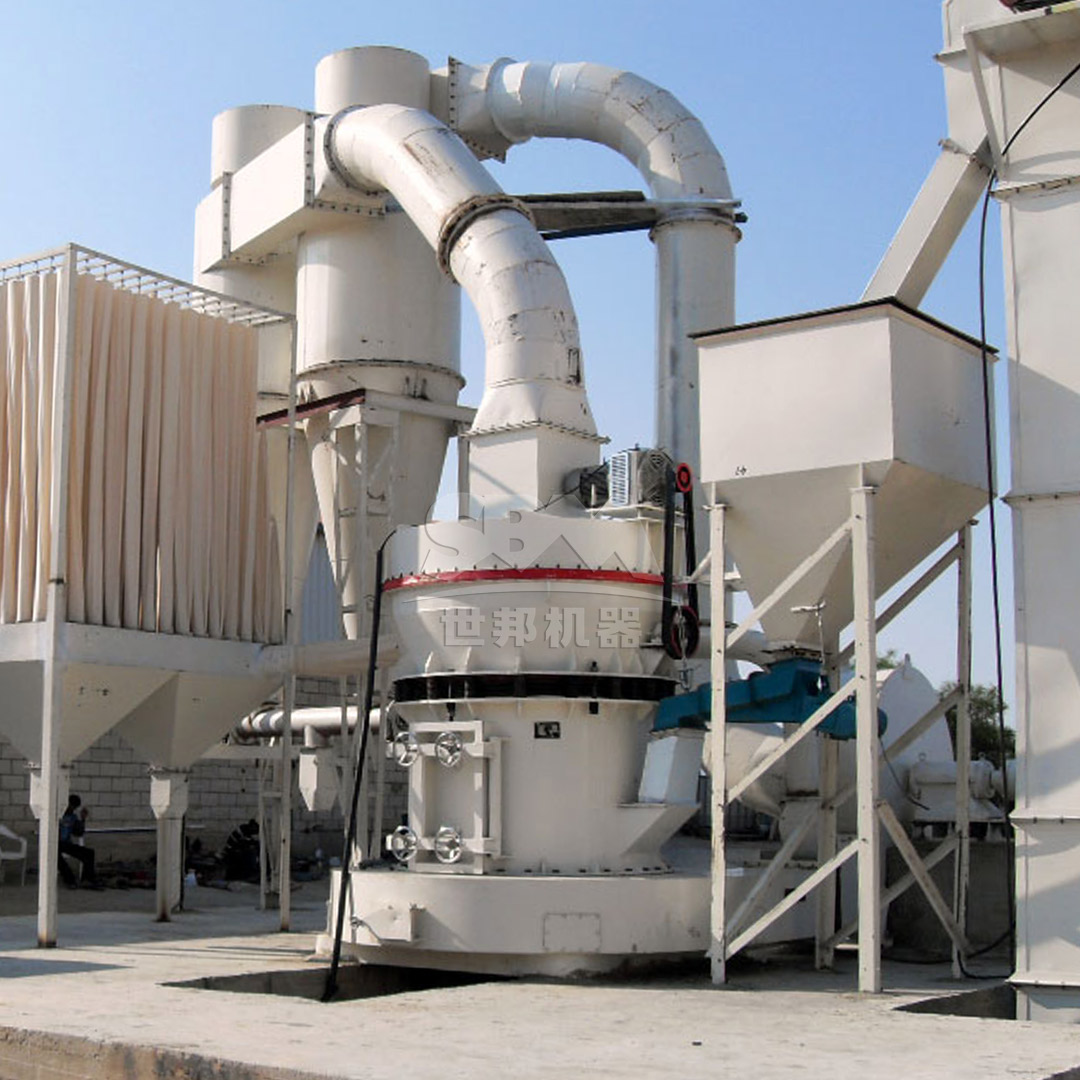
Sepiolite, also known as meerschaum, is a complex magnesium silicate clay mineral with a unique microfibrous structure and high porosity. Its chemical formula is typically expressed as Mg4Si6O15(OH)2·6H2O. This natural mineral is prized for its exceptional properties, including high specific surface area, strong adsorption capacity, excellent rheological behavior, and thermal stability. The value of sepiolite is significantly enhanced when processed into fine powders, unlocking its potential across a diverse range of industrial applications. The quality and consistency of the final powder are directly influenced by the grinding technology used, making the selection of appropriate milling equipment a critical step in the production chain.
Key Properties of Sepiolite Powder
The wide-ranging utility of sepiolite powder stems from its distinct physical and chemical characteristics:
- High Surface Area and Porosity: Its needle-like crystals form a labyrinthine network, creating an internal surface area that can exceed 300 m²/g. This makes it an outstanding adsorbent and carrier material.
- Excellent Rheological Properties: In liquid systems, sepiolite fibers disperse to form a three-dimensional network, imparting significant thickening, thixotropy, and suspension stability without drastically increasing viscosity.
- Thermal and Chemical Stability: Sepiolite can withstand temperatures up to approximately 350°C without significant structural degradation. It is also inert and stable in most chemical environments.
- Adsorption Capacity: It effectively absorbs liquids, oils, odors, and certain gases, a property leveraged in absorbent products and environmental remediation.
- Reinforcement Capability: The fibrous nature allows it to act as a reinforcing filler in polymers, rubbers, and composites, improving mechanical properties.
Major Industrial Applications of Sepiolite Powder
1. Agriculture and Animal Feed
In agriculture, sepiolite powder serves as a highly effective carrier for pesticides, herbicides, and fertilizers. Its high adsorption capacity ensures a slow and controlled release of active ingredients, improving efficiency and reducing environmental runoff. As a feed additive for livestock, it acts as an anti-caking agent, pellet binder, and can help adsorb mycotoxins in the digestive tract, promoting animal health.
2. Environmental Remediation
Sepiolite’s powerful adsorption properties are harnessed for environmental protection. It is used to absorb oil and hydrocarbon spills on land and water, treat industrial wastewater by removing heavy metal ions and organic contaminants, and as a component in landfill liners to prevent leachate migration.
3. Construction and Building Materials
In construction, sepiolite is a key ingredient in specialty plasters, mortars, and joint compounds, where it provides improved workability, water retention, and crack resistance. It is also used in lightweight insulating bricks and boards due to its porosity and thermal stability.
4. Paints, Coatings, and Adhesives
As a rheological additive, sepiolite powder prevents sagging in vertical paint applications, suspends pigments, and controls viscosity in adhesives, sealants, and mastics. It provides excellent anti-settling properties while maintaining good brushability.
5. Polymer and Rubber Composites
The microfibers of sepiolite act as a reinforcing agent in plastics, rubber, and nanocomposites. It can enhance tensile strength, modulus, and thermal resistance, and is particularly valued in engineering polymers and elastomers for automotive and industrial parts.
6. Personal Care and Pharmaceuticals
In cosmetics, sepiolite is used as a thickener and suspension agent in creams, lotions, and masks. Its oil-absorbing capacity makes it suitable for facial clays and deodorants. In pharmaceuticals, it can serve as an excipient or an active ingredient in gastrointestinal medications due to its adsorptive qualities.
The Critical Role of Milling Technology in Sepiolite Processing
To fully exploit sepiolite’s properties, precise control over particle size distribution and fineness is paramount. Over-grinding can damage its delicate fibrous structure, diminishing its functional performance, while under-grinding fails to liberate the fibers and maximize surface area. Therefore, the choice of grinding mill must balance high efficiency with the ability to preserve the mineral’s inherent morphology.
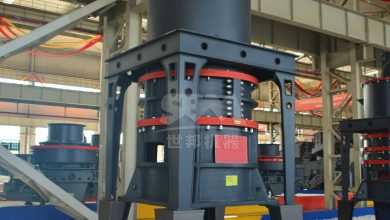
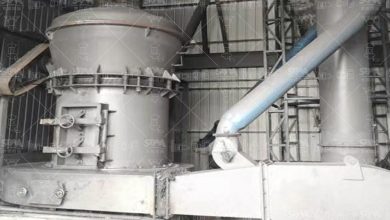
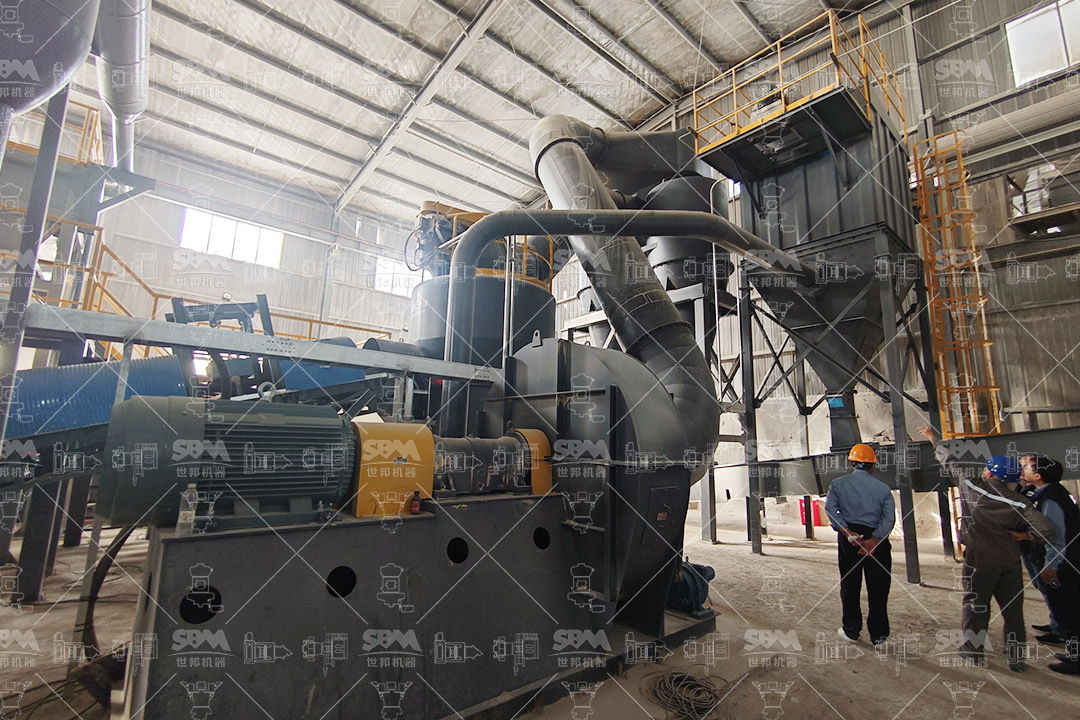
For coarse to medium-fine grinding of raw sepiolite ore (down to 30-325 mesh / 600-45μm), robust and efficient milling systems are required. Our MTW Series European Trapezium Mill is exceptionally well-suited for this stage. With an input size of up to 50mm and a capacity ranging from 3 to 45 tons per hour, it can handle large-scale primary grinding. Its anti-wear shovel design and optimized arc air duct ensure durability and energy efficiency, while the integral bevel gear drive offers a remarkable 98% transmission efficiency. The wear-resistant volute structure and precise classification system guarantee a consistent product fineness ideal for many industrial filler applications.
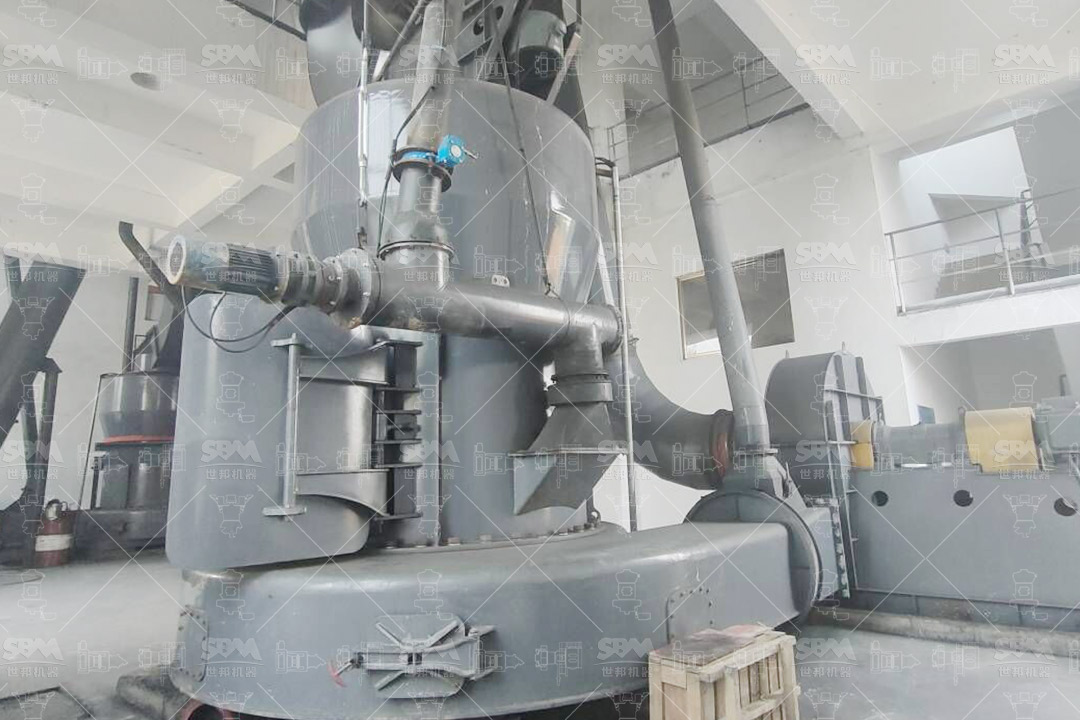
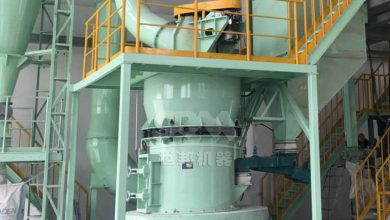
For advanced applications requiring ultrafine sepiolite powders (325-2500 mesh / 45-5μm), such as high-performance polymer composites or specialty adsorbents, a different level of technology is needed. Our SCM Series Ultrafine Mill is engineered specifically for this demanding task. It operates with a vertical turbine classifier that achieves precise particle size cutting, ensuring no coarse powder mixing and a uniformly fine product. The mill’s high-efficiency design delivers a capacity twice that of traditional jet mills while consuming 30% less energy. Furthermore, its eco-friendly design features a pulse dust collection system exceeding international standards and a soundproof room to minimize noise pollution, making it an ideal solution for producing high-value, ultrafine sepiolite powder.
Conclusion
Sepiolite powder is a versatile and functional mineral additive whose value is intrinsically linked to its processing. From environmental solutions and agricultural enhancements to advanced composites and personal care, its applications are vast and growing. Achieving the desired powder characteristics—whether for high-volume filler use or premium ultrafine products—requires reliable, efficient, and precise milling technology. Investing in the right grinding equipment, such as our MTW Series for robust medium-fine grinding or our SCM Series for high-precision ultrafine production, is essential for manufacturers to ensure product quality, optimize performance in end-use applications, and maintain a competitive edge in the global market for this remarkable mineral.