What is Needle Coke Used For and How is it Initially Crushed and Ground?
Introduction to Needle Coke
Needle coke, a premium grade of petroleum coke characterized by its high crystalline structure, needle-like morphology, and low coefficient of thermal expansion (CTE), is a critical raw material in modern industry. Its unique properties make it indispensable for the production of ultra-high power (UHP) graphite electrodes used in electric arc furnaces (EAFs) for steelmaking, as well as for specialty graphite applications in lithium-ion battery anodes, aerospace, and nuclear reactors. The performance of the final graphite product is intrinsically linked to the quality of the needle coke feedstock and, crucially, the efficiency and precision of its initial size reduction and grinding processes.
Primary Applications of Needle Coke
The value of needle coke stems from its ability to graphitize readily, forming a highly ordered, conductive, and thermally stable carbon structure.
1. Graphite Electrodes for Electric Arc Furnaces (EAFs)
This is the most significant application, consuming the majority of global needle coke production. UHP graphite electrodes, made primarily from needle coke, conduct the immense electrical currents required to melt scrap steel in EAFs. The low CTE and high strength of needle coke-derived graphite prevent electrode breakage under extreme thermal cycling, ensuring efficient, continuous, and cost-effective steel production.
2. Anode Material for Lithium-ion Batteries
With the explosive growth of the electric vehicle (EV) market, synthetic graphite derived from needle coke has become a key material for lithium-ion battery anodes. Needle coke provides an ideal precursor due to its high purity, excellent crystallinity, and ability to be processed into spherical graphite with high capacity, long cycle life, and superior rate performance.
3. Specialty Graphites
High-purity needle coke is used in advanced applications such as:
- Aerospace & Defense: Components for rocket nozzles, heat shields, and brake discs.
- Semiconductor Industry: Crucibles for silicon crystal growth.
- Nuclear Energy: Moderator and reflector materials in certain reactor types.
The Critical First Steps: Initial Crushing and Grinding of Needle Coke
Raw needle coke is typically produced in large, irregular lumps or chunks. To be used in electrode paste or further processed into battery-grade spherical graphite, it must undergo a series of meticulous size reduction stages. The initial crushing and primary grinding phases are paramount, as they set the stage for downstream processing efficiency and final product quality. Improper handling here can introduce impurities, generate excessive fines (which are undesirable for certain grades), or fail to achieve the necessary liberation of the crystalline structure.
Stage 1: Primary Crushing
The goal of primary crushing is to reduce large coke lumps (often several hundred millimeters in size) to a manageable feed size (typically below 50mm) for the grinding mills. Jaw crushers or impact crushers are commonly employed. Key considerations include:
- Minimizing Fines Generation: Excessive impact can create too many fine particles prematurely.
- Controlling Contamination: Crusher components must be made of wear-resistant materials to prevent iron contamination.
- Throughput Capacity: Matching the crusher output to the capacity of the downstream grinding circuit.
Stage 2: Secondary Crushing & Coarse Grinding
This stage further reduces the 50mm pieces to a size suitable for fine grinding, often targeting a top size of 0-10mm or 0-20mm. Hammer mills or cone crushers can be effective here. The process must be controlled to produce a consistent particle size distribution (PSD) that optimizes the feed for the final grinding mill.
The Core of the Process: Fine and Ultrafine Grinding
After primary and secondary crushing, the needle coke must be ground to its target fineness, which can range from coarse powders (30-100 mesh for certain electrode grades) to extremely fine powders (325 to 2500 mesh or D97 ≤ 5μm for advanced battery materials). This is where the selection of grinding equipment becomes critical. The machine must handle the abrasive nature of coke, provide precise particle size control, offer high energy efficiency, and maintain product purity.
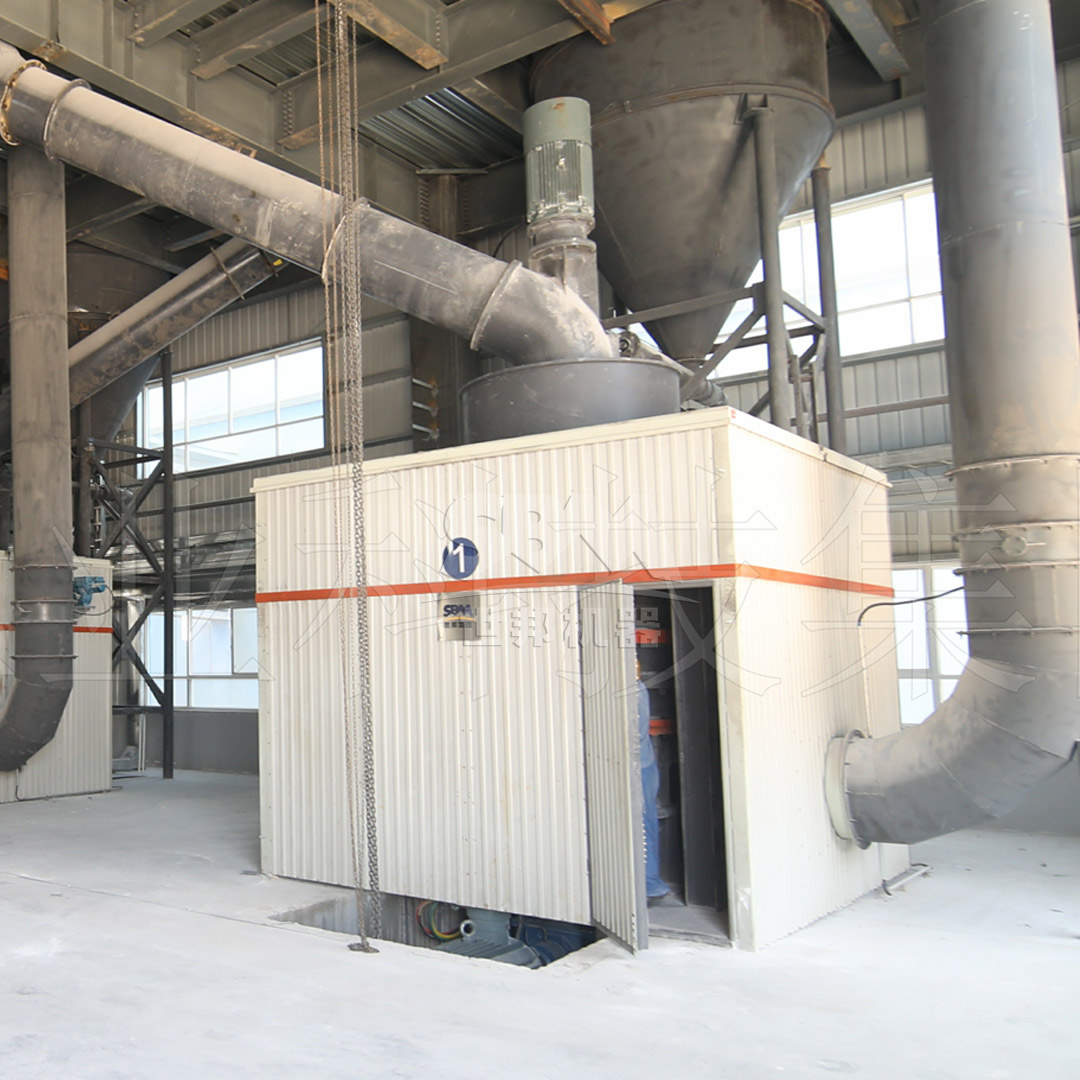
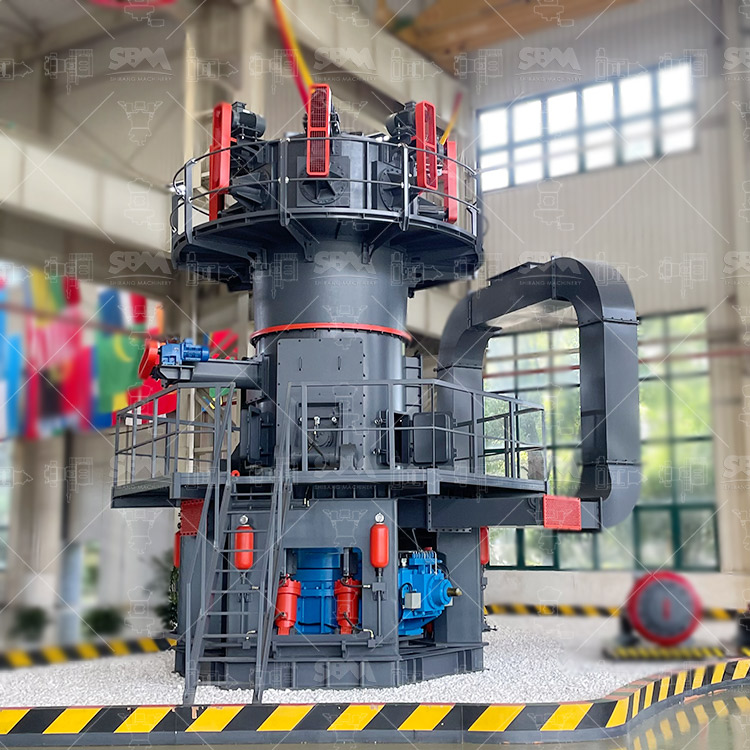
For coarse to medium-fine grinding (e.g., 30-325 mesh), robust and high-capacity mills are required. Our MTW Series Trapezium Mill is exceptionally well-suited for this stage. Engineered for efficiency and durability, it handles input sizes up to 50mm and delivers outputs from 30 to 325 mesh (600-45μm) with capacities ranging from 3 to 45 tons per hour. Its advantages for needle coke processing include:
- Anti-Wear Design: The combination-style shovel blades and curved air channel minimize wear and maintenance costs, crucial for abrasive materials like coke.
- High-Efficiency Transmission: The integral bevel gear transmission achieves 98% efficiency, saving energy and space.
- Precise Classification: An optimized internal classifier ensures a sharp cut and consistent product fineness.
- Robust Construction: Models like the MTW215G, with a 280kW main motor, can process up to 45 TPH, making it ideal for large-scale electrode-grade coke preparation lines.
For applications demanding ultra-fine powders, such as the precursor for battery anode spherical graphite, grinding technology must reach a different level of precision. The target is often a D97 of 5-20 microns (2500-800 mesh). Achieving this fineness efficiently and without contamination is a significant technical challenge.
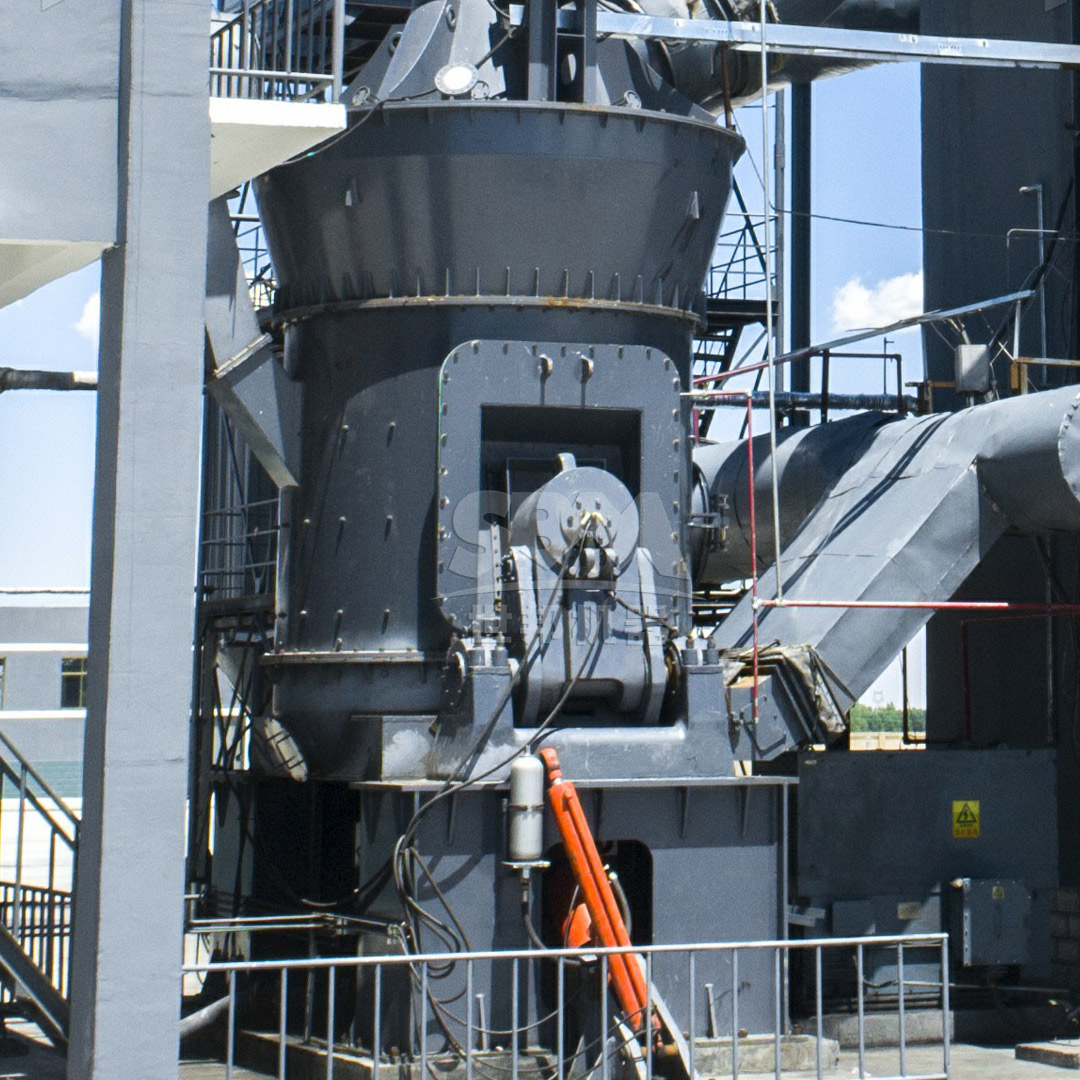
This is the domain of our flagship SCM Series Ultrafine Mill. Specifically designed for producing micro-powders, the SCM mill is the optimal solution for producing high-value, ultrafine needle coke powder. Its core parameters and benefits align perfectly with the stringent requirements of the battery materials industry:
- Ultra-Fine Output: Capable of producing powder in the range of 325-2500 mesh (45-5μm), with D97 as fine as ≤5μm.
- High-Precision Classification: Equipped with a vertical turbine classifier that provides accurate particle size切割, ensuring no coarse particles contaminate the final product—a critical factor for battery performance.
- Superior Energy Efficiency: It offers twice the capacity of jet mills while reducing energy consumption by 30%, dramatically lowering operating costs for high-volume fine powder production.
- Exceptional Durability & Purity: Special material roller and ring sets extend service life, while the bearing-less screw grinding chamber design ensures stable operation and minimizes the risk of lubricant contamination.
- Comprehensive Model Range: From the SCM800 (0.5-4.5 TPH, 75kW) for pilot or specialty production to the SCM1680 (5.0-25 TPH, 315kW) for industrial-scale output, there is a model to fit any capacity requirement.
Conclusion: Integrating the Right Technology for Optimal Results
The journey of needle coke from a raw, chunky material to a precision-engineered powder is a testament to advanced process engineering. The initial crushing stages prepare the feedstock, but the fine and ultrafine grinding stages truly define the product’s characteristics and value. Selecting the appropriate grinding technology is not merely an equipment choice; it is a strategic decision impacting product quality, production cost, and market competitiveness.
For needle coke processors targeting the graphite electrode and advanced battery markets, a combination of robust coarse grinding (e.g., with the MTW Series) and precision ultrafine grinding (with the SCM Series) provides a complete, high-performance solution. Our mills are designed to meet the specific challenges of needle coke—abrasiveness, the need for precise classification, and stringent purity standards—ensuring that this critical material achieves its full potential in driving modern industry forward.