What is Illite Used For? Understanding the Role of Illite Grinding Mills
Introduction to Illite: A Versatile Industrial Mineral
Illite, a non-expanding clay mineral from the mica group, has gained significant industrial importance due to its unique physical and chemical properties. Characterized by its fine particle size, high cation exchange capacity, and excellent thermal stability, illite finds applications across multiple industries including ceramics, construction, agriculture, and environmental remediation. The mineral’s layered structure and chemical composition make it particularly valuable for specialized applications where specific surface area and particle morphology are critical.
The industrial utilization of illite is heavily dependent on its particle size distribution and purity, which are directly influenced by the grinding and processing methods employed. Proper comminution not only liberates the mineral from its host rock but also activates its surface properties, enhancing its performance in various applications. This article explores the diverse uses of illite and examines the critical role that modern grinding technology plays in optimizing its industrial value.
Major Industrial Applications of Illite
Ceramics and Porcelain Manufacturing
In the ceramics industry, illite serves as a crucial component in both traditional pottery and advanced technical ceramics. Its unique thermal behavior and plasticity make it ideal for controlling the shrinkage and warping characteristics of ceramic bodies during firing. When finely ground, illite contributes to improved green strength in unfired ceramics and enhances the final product’s mechanical properties. The mineral’s potassium content acts as a natural flux, reducing the required firing temperatures and consequently lowering energy consumption in kiln operations.
The performance of illite in ceramic applications is highly dependent on particle size distribution. Finely ground illite with controlled particle morphology ensures uniform mixing with other ceramic raw materials, preventing defects and improving the overall quality of the finished products. Modern ceramic formulations often require illite powders with specific surface areas and particle size distributions that can only be achieved through advanced grinding technologies.
Construction Materials and Cement Additives
Illite has become an important additive in cement and concrete production, where it functions as a natural pozzolanic material. When properly processed, illite can partially replace Portland cement while maintaining or even enhancing the mechanical properties and durability of concrete. The mineral’s fine particles fill the microscopic pores in concrete, resulting in denser matrices with reduced permeability and improved resistance to chemical attack.
In construction applications, the grinding fineness of illite directly impacts its reactivity and performance. Particles ground to specific size ranges maximize the pozzolanic reaction while optimizing packing density in the cementitious matrix. The construction industry typically requires illite powders with particle sizes ranging from 45 to 325 mesh, depending on the specific application and performance requirements.
Agricultural and Horticultural Applications
Illite’s high cation exchange capacity and water retention properties make it valuable in agricultural applications. As a soil conditioner, finely ground illite improves soil structure, enhances moisture retention in sandy soils, and provides a slow-release source of potassium and other essential micronutrients. In horticulture, illite-based substrates are used in professional growing media for their excellent physical properties and nutrient buffering capacity.
The effectiveness of illite in agricultural applications is closely tied to its particle size. Coarser grades improve soil aeration and drainage, while finer particles increase the surface area available for nutrient exchange and water retention. Modern agricultural applications often require carefully controlled particle size distributions to optimize performance across different soil types and crop requirements.
Environmental Remediation and Wastewater Treatment
Illite’s adsorption capabilities make it effective in environmental applications, particularly in wastewater treatment and soil remediation. The mineral’s layered structure and surface charge characteristics enable it to effectively remove heavy metals, organic contaminants, and other pollutants from aqueous solutions. In landfill liners and containment systems, illite-rich clays provide effective barriers against contaminant migration.
For environmental applications, the specific surface area and activation of illite are critical parameters that determine its adsorption capacity. Advanced grinding techniques can enhance these properties by creating fresh, reactive surfaces and optimizing the particle size distribution for maximum contact with contaminants.
The Critical Role of Grinding Technology in Illite Processing
The transformation of raw illite into valuable industrial products hinges on effective grinding technology. The choice of grinding equipment directly impacts not only the particle size distribution but also the mineral’s surface chemistry, crystal structure preservation, and ultimately, its performance in various applications. Different grinding technologies offer distinct advantages depending on the target particle size, production capacity, and specific application requirements.
Traditional grinding methods often fail to achieve the narrow particle size distributions required for high-value illite applications. Moreover, excessive heat generation during grinding can damage the crystal structure of illite, diminishing its valuable properties. Modern grinding systems address these challenges through advanced design features that ensure precise particle size control while minimizing thermal degradation.
Key Considerations in Illite Grinding
Several factors must be considered when selecting grinding equipment for illite processing. The mineral’s natural hardness (typically 1-2 on Mohs scale) and plate-like crystal structure present unique challenges that influence equipment selection and operating parameters. The moisture content of raw illite is another critical consideration, as it affects grinding efficiency and may require pre-drying operations.
Energy consumption represents a significant portion of the operating costs in illite processing. Modern grinding systems must balance the competing demands of particle size reduction, production capacity, and energy efficiency. Additionally, the wear resistance of grinding components is particularly important when processing illite deposits that may contain abrasive impurities.
Advanced Grinding Solutions for Illite Processing
SCM Series Ultrafine Mill: Precision Grinding for High-Value Applications
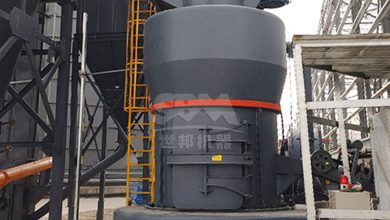
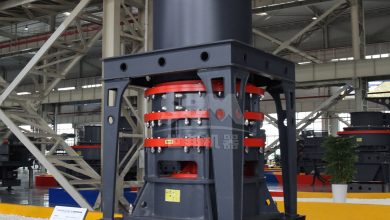
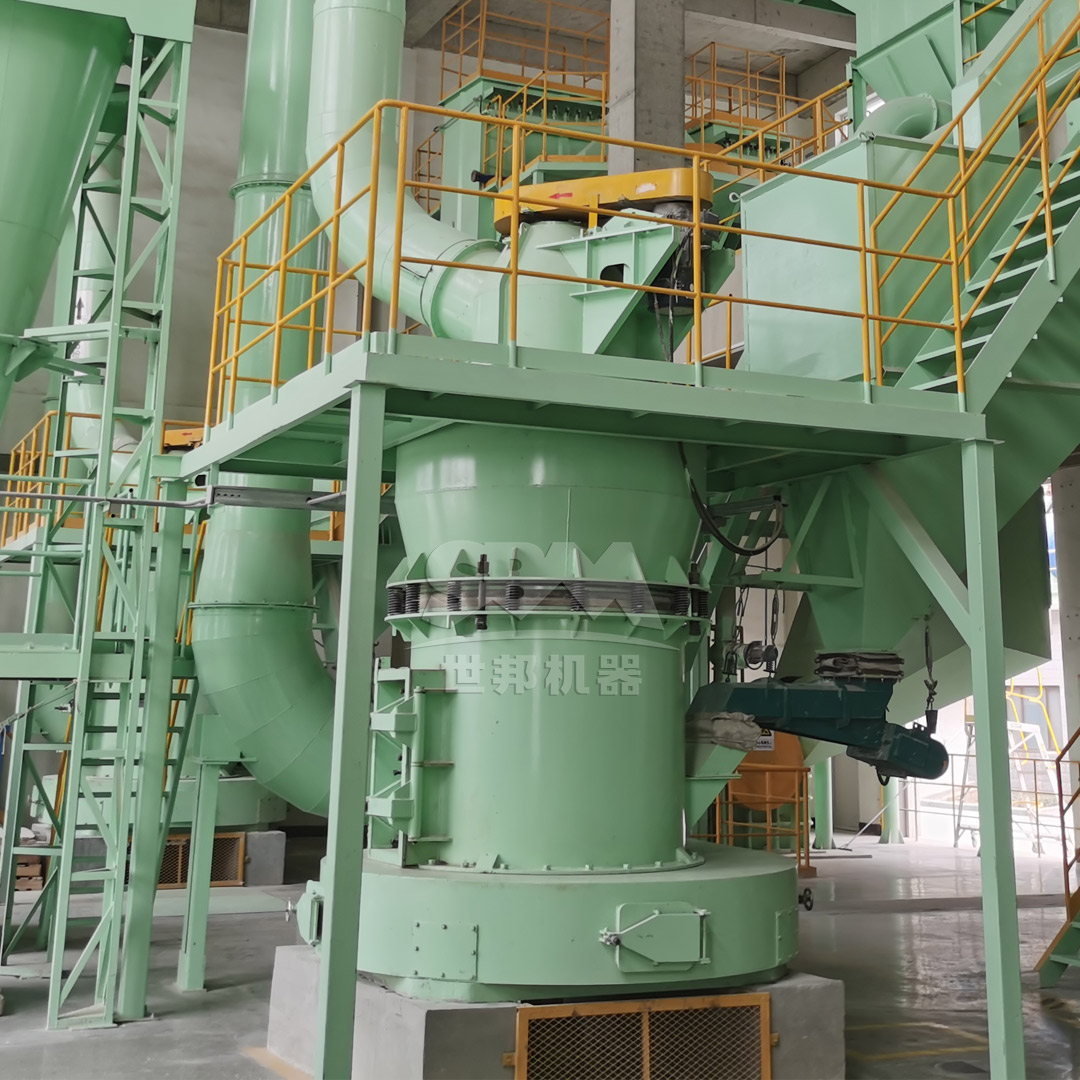
For applications requiring ultrafine illite powders, the SCM Series Ultrafine Mill represents the pinnacle of grinding technology. This advanced system is specifically engineered to produce illite powders in the range of 325-2500 mesh (D97≤5μm), making it ideal for high-value applications in ceramics, advanced composites, and specialty chemicals. The mill’s unique design incorporates a vertical turbine classifier that ensures precise particle size control and eliminates coarse particle contamination.
The SCM Ultrafine Mill delivers exceptional energy efficiency, achieving approximately 30% lower energy consumption compared to conventional jet mills while providing twice the production capacity. Its intelligent control system automatically monitors and adjusts operating parameters to maintain consistent product quality, even with variations in feed material characteristics. The mill’s special wear-resistant materials for rollers and grinding rings significantly extend component life, reducing maintenance requirements and downtime.
With models ranging from the SCM800 (0.5-4.5 ton/h capacity) to the SCM1680 (5.0-25 ton/h capacity), the series offers solutions for operations of all scales. The environmental performance of the SCM Series meets stringent international standards, with pulse dust collection efficiency exceeding 99.9% and noise levels controlled below 75dB.
MTW Series Trapezium Mill: High-Capacity Processing for Standard Applications
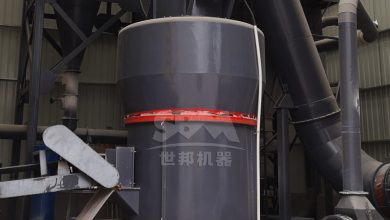
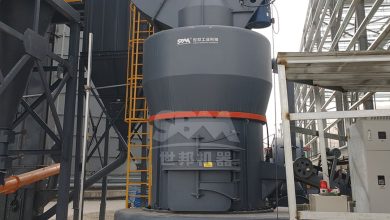
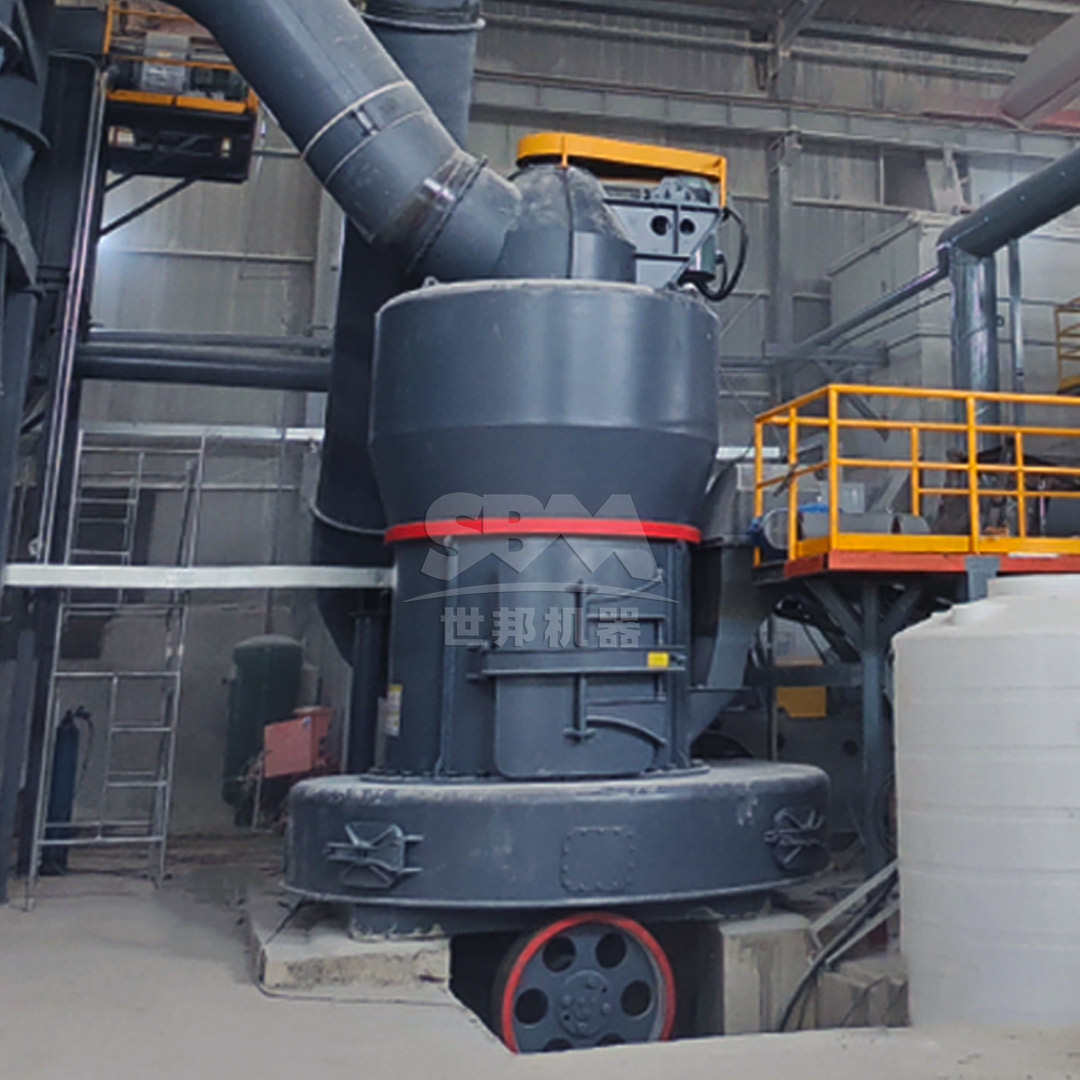
For standard illite applications requiring particle sizes between 30-325 mesh, the MTW Series Trapezium Mill provides an optimal balance of performance, reliability, and operating economy. This robust grinding system handles feed materials up to 50mm in size and delivers production capacities ranging from 3-45 tons per hour, depending on the specific model and application requirements.
The MTW Series incorporates several innovative design features that enhance its performance in illite processing. Its curved air channel design minimizes energy losses and improves material transport efficiency, while the combined blade system reduces maintenance costs and extends service intervals. The mill’s cone gear transmission achieves remarkable 98% transmission efficiency, contributing to lower energy consumption and reduced installation costs.
Environmental considerations are integral to the MTW Series design, with advanced pulse dust collection technology ensuring emissions compliance and maintaining clean operating conditions. The mill’s wear-resistant volute structure further enhances its durability and reduces long-term operating costs, making it an economically attractive solution for large-scale illite processing operations.
Selecting the Right Grinding Solution for Specific Illite Applications
The optimal grinding technology for illite processing varies significantly depending on the target application and product specifications. For ceramic applications requiring ultrafine powders with narrow particle size distributions, the SCM Series Ultrafine Mill provides unparalleled performance and precision. Its ability to produce consistent, high-quality powders in the 325-2500 mesh range makes it particularly suitable for advanced ceramic formulations where particle size control is critical to product performance.
For construction and agricultural applications where production volume and operating costs are primary considerations, the MTW Series Trapezium Mill offers an excellent balance of capacity, efficiency, and reliability. Its robust construction and high throughput capabilities make it ideal for processing large volumes of illite for these price-sensitive markets.
When selecting grinding equipment, illite processors should consider not only the initial investment but also the total cost of ownership, including energy consumption, maintenance requirements, and component replacement costs. Both the SCM and MTW series are designed with these considerations in mind, incorporating features that optimize long-term operational economics while ensuring consistent product quality.
Future Trends in Illite Processing and Grinding Technology
The illite processing industry continues to evolve, driven by increasing demand for higher-value applications and more sustainable production methods. Future grinding technologies will likely focus on further reducing energy consumption while enhancing product quality and process control. Integration of artificial intelligence and machine learning systems will enable real-time optimization of grinding parameters, ensuring consistent product quality while minimizing energy consumption and wear.
Environmental considerations will continue to shape grinding technology development, with increased emphasis on closed-loop systems that minimize water consumption and eliminate waste streams. The trend toward customization and flexibility in grinding systems will accelerate, allowing processors to quickly adapt to changing market demands and application requirements.
As illite finds new applications in advanced materials, electronics, and nanotechnology, grinding technologies must evolve to meet increasingly stringent specifications for particle size, morphology, and surface chemistry. The ongoing development of grinding systems like the SCM and MTW series demonstrates the industry’s commitment to innovation and continuous improvement in illite processing technology.
Conclusion
Illite’s diverse industrial applications underscore its importance as a versatile industrial mineral, while highlighting the critical role that advanced grinding technology plays in unlocking its full potential. From traditional ceramics to cutting-edge environmental applications, the value of illite is intrinsically linked to its particle characteristics, which are directly determined by the grinding processes employed.
Modern grinding systems like the SCM Series Ultrafine Mill and MTW Series Trapezium Mill represent significant advancements in illite processing technology, offering processors the capability to produce precisely controlled illite powders for specific applications. By selecting the appropriate grinding technology and optimizing operational parameters, illite processors can maximize product value while minimizing production costs and environmental impact.
As market demands continue to evolve and new applications for illite emerge, the development of more efficient, precise, and sustainable grinding technologies will remain essential to the growth and competitiveness of the illite processing industry.