What is Calcined Petroleum Coke Used For and How to Grind It?
Introduction to Calcined Petroleum Coke (CPC)
Calcined Petroleum Coke (CPC) is a high-carbon material produced by heating green petroleum coke (a by-product of oil refining) to temperatures between 1200°C and 1400°C in a rotary kiln or rotary hearth furnace. This process, known as calcination, drives off volatile matter, moisture, and impurities, resulting in a material with a carbon content typically exceeding 98%. CPC is characterized by its high chemical purity, excellent electrical conductivity, and low coefficient of thermal expansion, making it an indispensable raw material in several key industries.
Primary Applications of Calcined Petroleum Coke
1. Aluminum Industry (Primary Application)
The largest consumer of CPC is the aluminum smelting industry, where it serves as the carbon source for the anodes used in the Hall-Héroult electrolytic process. High-quality, low-impurity CPC is crucial for producing prebaked anodes with optimal electrical conductivity, thermal stability, and resistance to air and CO2 reactivity. The performance of these anodes directly impacts energy efficiency, production cost, and environmental emissions in aluminum production.
2. Steel and Foundry Industries
In steelmaking, particularly in electric arc furnace (EAF) operations, CPC is used as a recarburizer. It is added to molten steel to increase the carbon content to desired specifications. Its low sulfur and nitrogen content is critical for producing high-grade steel. Similarly, in iron foundries, CPC is used as a carbon raiser in cupola furnaces to adjust the carbon equivalent of cast iron.
3. Titanium Dioxide Production
The chloride process for manufacturing titanium dioxide pigment requires a source of pure carbon. CPC is used as a reductant in the chlorination of titanium-bearing ores (like ilmenite or rutile). Its high carbon purity ensures efficient reaction and minimizes the introduction of contaminants into the final pigment product.
4. Other Industrial Uses
CPC finds applications in the production of carbon brushes, electrodes for electric arc furnaces in other non-ferrous metals, and as a filler in various carbon and graphite products, including brake linings and lubricants. Its conductive properties also make it suitable for certain battery applications.

The Critical Process: Grinding Calcined Petroleum Coke
For CPC to be effective in its applications, it must be ground to a specific and consistent fineness. The required particle size distribution varies: anode-grade CPC is typically ground to a flour-like consistency (with a significant portion below 75 microns), while recarburizer-grade material may have a coarser grind. The grinding process must be efficient, controllable, and capable of handling CPC’s abrasive nature without introducing excessive contamination.
Challenges in Grinding CPC:
- Abrasiveness: CPC is a hard and abrasive material, leading to high wear on grinding components.
- Dust Control: Fine carbon dust is combustible and requires efficient, sealed collection systems.
- Product Uniformity: Consistent particle size distribution is vital for downstream industrial processes.
- Energy Efficiency: Grinding is an energy-intensive operation; optimizing specific energy consumption is key.
Selecting the Right Grinding Equipment
Choosing the appropriate mill is paramount for an economical and high-quality CPC grinding operation. The selection depends on the target fineness, required capacity, and overall operational cost considerations (including energy and maintenance).
1. For Coarse to Medium Grinding (30-325 mesh / 600-45μm)
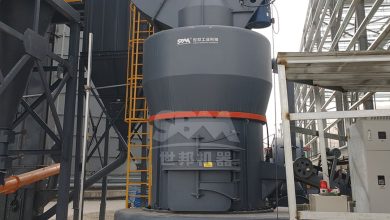
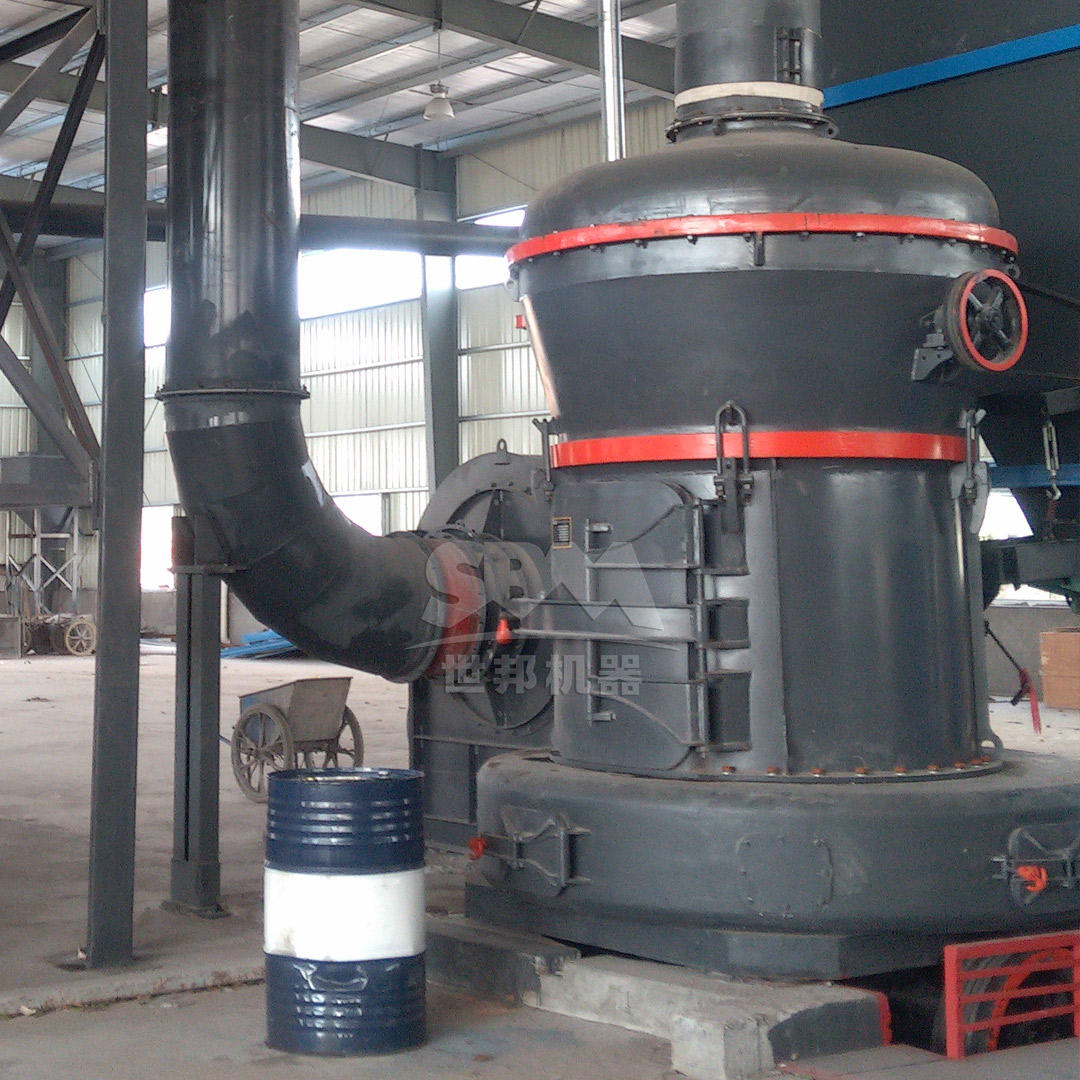
For applications like recarburizers where a coarser product is acceptable, robust and high-capacity mills are ideal. Our MTW Series European Trapezium Mill is exceptionally well-suited for this range. It combines large capacity with durability, specifically designed to handle hard materials.
Why the MTW Mill excels for coarse/medium CPC grinding:
- High Capacity & Robustness: With a maximum feed size of ≤50mm and capacities ranging from 3 to 45 tons per hour (depending on model), it is built for large-scale production. Its bevel gear integral transmission ensures high transmission efficiency (up to 98%) and stable operation.
- Wear-Resistance Design: The curved air duct and wear-resistant volute structure minimize energy loss and protect critical surfaces from abrasion, reducing maintenance frequency.
- Efficient Classification: The built-in classifier ensures precise control over the final product fineness within the 30-325 mesh range.
2. For Ultra-Fine Grinding (325-2500 mesh / 45-5μm)
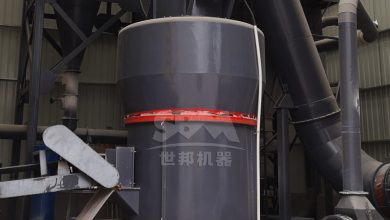
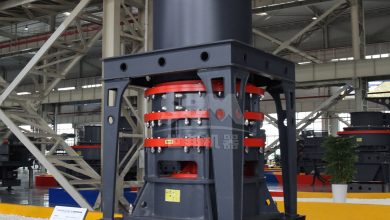
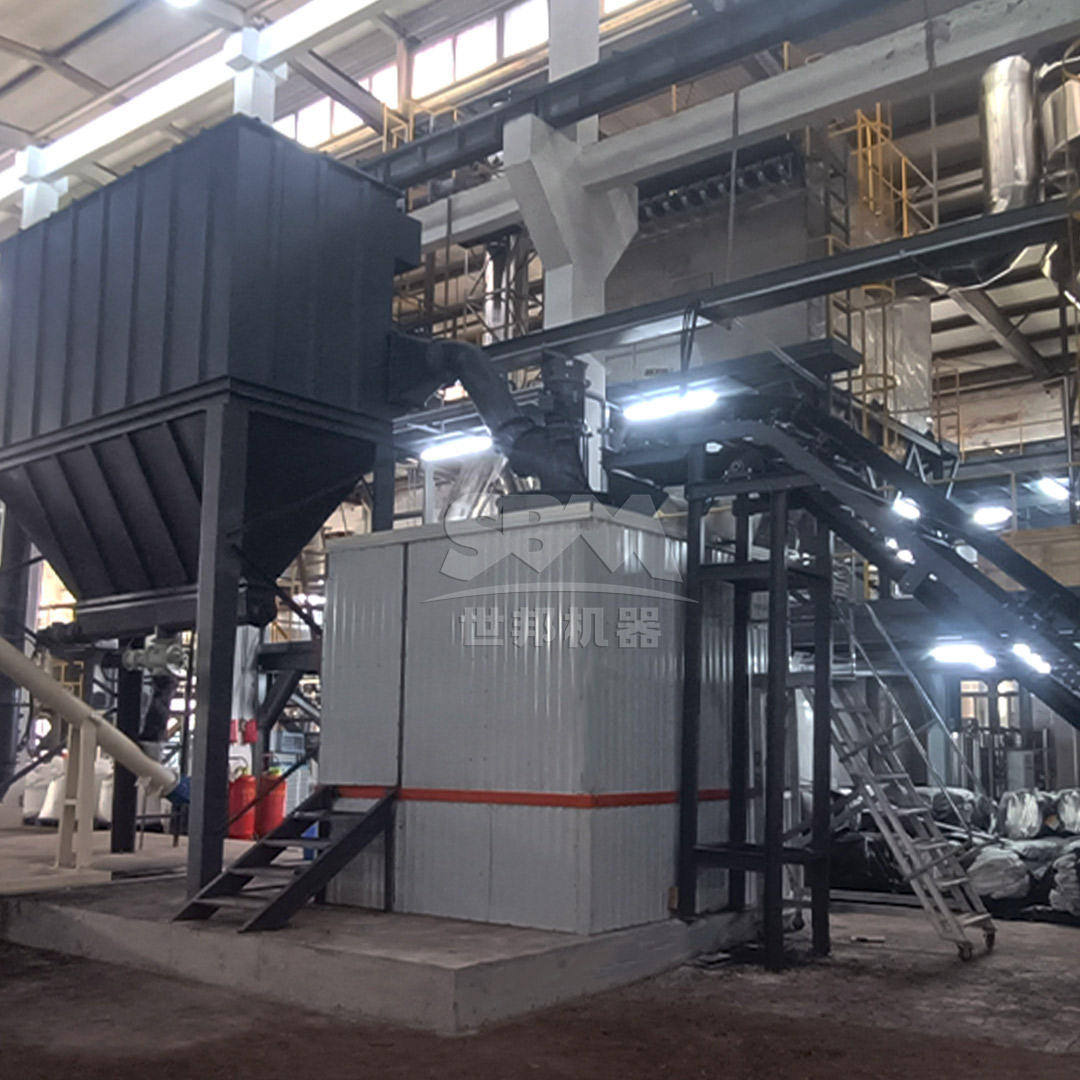
Producing the fine powders required for anode paste or specialty carbon products demands technology capable of achieving micron and sub-micron sizes with high efficiency. Our flagship solution for this demanding task is the SCM Series Ultrafine Mill.
Why the SCM Ultrafine Mill is the optimal choice for fine CPC powder:
- Unmatched Fineness & Efficiency: The SCM mill can produce powders as fine as 2500 mesh (D97 ≤ 5μm). Its innovative grinding chamber design and vertical turbine classifier system achieve a grinding efficiency twice that of jet mills while reducing energy consumption by 30%.
- High-Precision Classification: The advanced classifier guarantees a sharp particle size cut, eliminating coarse particles and ensuring a uniform, high-quality product essential for anode performance.
- Superior Durability: To combat CPC’s abrasiveness, the SCM mill features specially hardened grinding rollers and rings, extending service life multiple times compared to conventional materials. Its bearingless screw design in the grinding cavity enhances operational stability.
- Eco-Friendly Operation: The integrated pulse dust collector exceeds international standards, ensuring a clean workshop with dust emissions well under control. Soundproofing design keeps noise levels below 75dB.
With models like the SCM1000 (1.0-8.5 t/h, 132kW) or the high-capacity SCM1680 (5.0-25 t/h, 315kW), the SCM series offers a scalable solution for any production need, from pilot plants to full-scale industrial lines.
Grinding Process Recommendations
- Pre-Crushing: For optimal mill feed, large lumps of CPC should be pre-crushed to below 20mm using a jaw crusher or hammer mill.
- Drying: Ensure the CPC feed has low moisture content. Integrated hot air systems in mills like the SCM or MTW can assist with residual moisture removal.
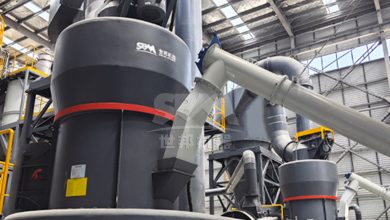
- Closed-Loop Grinding & Collection: Employ a fully closed system comprising the mill, a high-efficiency classifier, a cyclone collector, and a pulse-jet baghouse filter. This maximizes product yield, ensures environmental compliance, and allows for the recovery of valuable product.
- System Automation: Implement PLC-based controls to monitor key parameters (motor load, temperature, pressure) and automate the grinding process for consistent quality and reduced labor.
Conclusion
Calcined Petroleum Coke is a vital industrial material whose value is fully realized only after being processed to the correct particle size. The grinding step is therefore not just a size reduction operation but a critical value-adding process. Investing in the right grinding technology—such as the high-capacity MTW Series European Trapezium Mill for coarser grades or the precision SCM Series Ultrafine Mill for anode-grade fines—is essential for achieving product quality, operational efficiency, and long-term profitability. By understanding the application requirements and matching them with robust, efficient, and precise grinding equipment, producers can optimize their CPC supply chain for competitive advantage.