What is Brucite Used for and Which Grinding Mill is Recommended?
Introduction to Brucite
Brucite, with the chemical formula Mg(OH)2, is a naturally occurring mineral form of magnesium hydroxide. It is characterized by its typically white, gray, or pale green color, vitreous to pearly luster, and perfect basal cleavage. Brucite is a relatively soft mineral, with a Mohs hardness of about 2.5, making it easy to scratch. Its industrial value lies in its high magnesium oxide (MgO) content, which can exceed 60% in pure samples, and its unique physical and chemical properties, including flame retardancy, basicity, and low solubility.
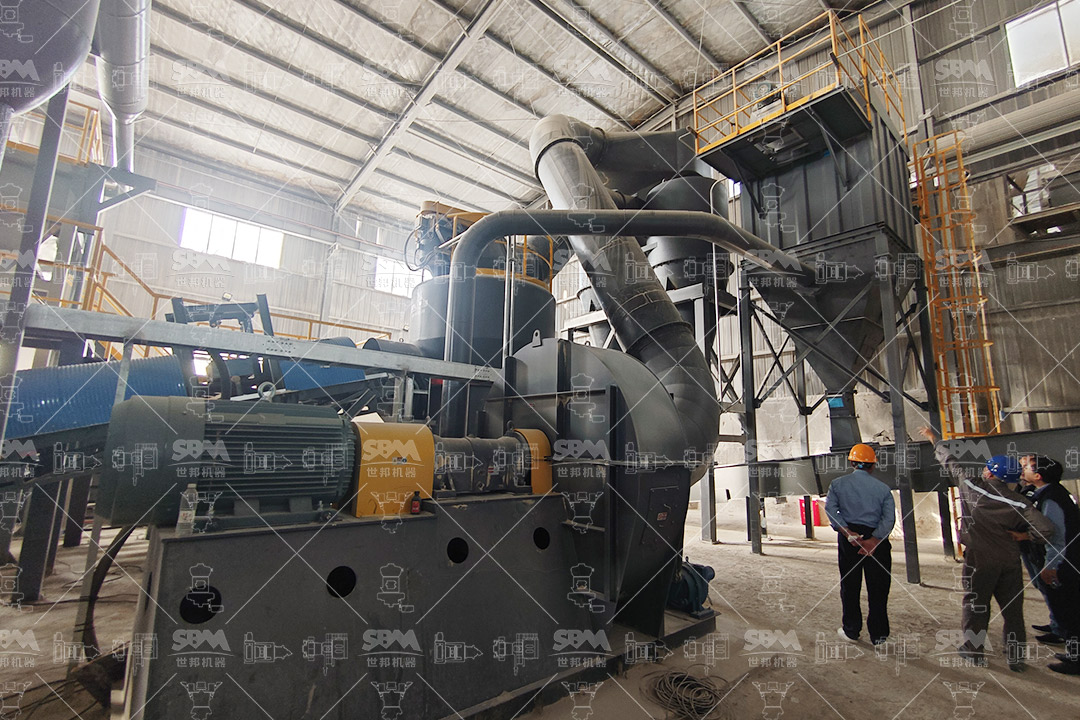
Key Applications of Brucite
The applications of brucite are diverse, spanning multiple industries. The required fineness of the brucite powder is a critical factor that directly influences its performance in these applications, necessitating precise grinding solutions.
1. Flame Retardants and Smoke Suppressants
This is one of the most significant applications of brucite. When heated above 340°C, brucite undergoes an endothermic decomposition reaction, releasing water vapor and leaving behind magnesium oxide (MgO). This reaction absorbs a substantial amount of heat, effectively cooling the material, while the released water vapor dilutes combustible gases. Brucite is used as an environmentally friendly, halogen-free flame retardant in polymers, cables, roofing materials, and composites. For optimal dispersion and performance within polymer matrices, a very fine powder is required, typically in the range of 800 to 1250 mesh (approximately 15-40 microns).
2. Magnesium-based Chemicals Production
Brucite serves as a high-quality raw material for producing a variety of magnesium chemicals, including magnesium oxide (MgO), magnesium sulfate, and magnesium carbonate. Due to its low boron content compared to other sources like magnesite or seawater, brucite-derived MgO is particularly valued for applications in agriculture and specialty chemicals. The initial grinding step for chemical processing often requires a medium fineness, around 200-400 mesh (37-74 microns), to facilitate subsequent chemical reactions.
3. Environmental Remediation
Brucite is an effective agent for neutralizing acidic waste streams, such as acid mine drainage and industrial wastewater. Its high neutralizing capacity and slower reaction rate compared to quicklime allow for more controlled pH adjustment and reduced risk of over-treatment. For this application, a coarser grind is often sufficient, but a finer grind increases the surface area and reaction speed.
4. Refractory Industry
Although dead-burned magnesia (from magnesite) is more common, brucite can be used as a source of MgO in certain refractory formulations. Its use contributes to the development of refractory bricks and castables with specific properties for high-temperature applications like steelmaking furnaces.
5. Other Niche Applications
Other uses include as a filler in paper and plastics, a nutrient source in animal feed, and a component in pharmaceuticals. Each of these applications has specific purity and fineness requirements.
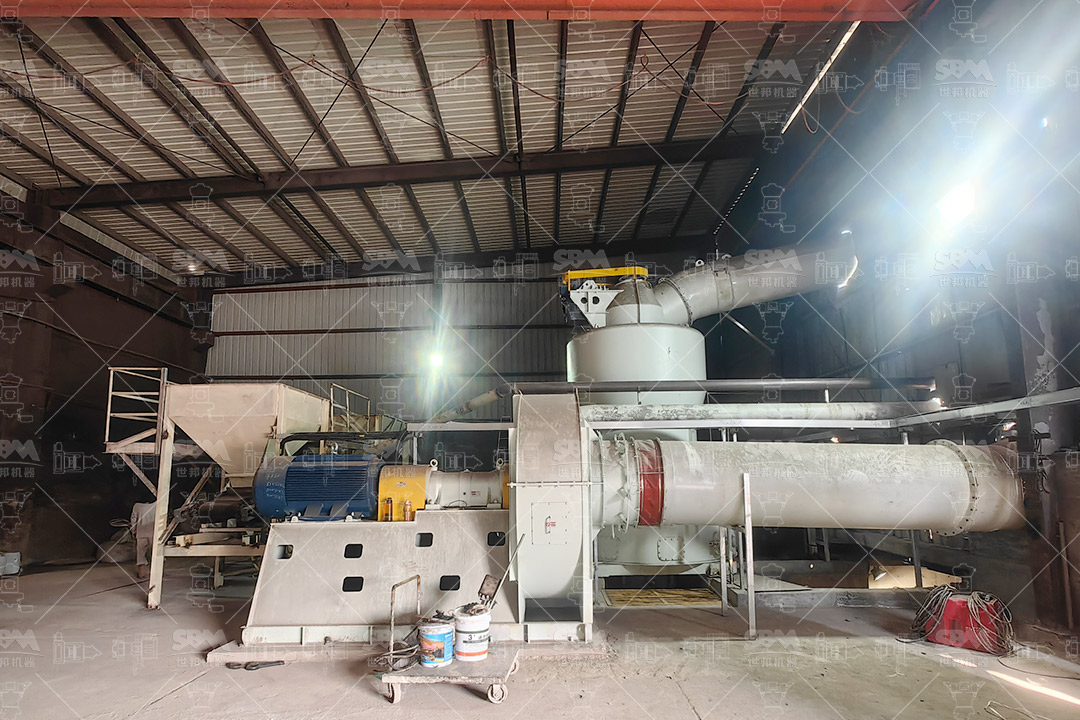
The Critical Role of Grinding in Brucite Processing
The value of brucite is unlocked through proper comminution. Grinding brucite to the desired fineness is not merely a size reduction process; it is essential for:
- Maximizing Surface Area: Finer particles have a larger surface area, which is crucial for chemical reactivity (e.g., in flame retardancy or neutralization) and for uniform dispersion as a filler.
- Controlling Reactivity: The particle size distribution directly affects the rate of decomposition or dissolution, allowing manufacturers to tailor the material’s performance.
- Ensuring Product Quality: Consistent and controlled fineness is vital for meeting the stringent specifications of end-users in industries like plastics and chemicals.
However, brucite’s softness and platy habit can present grinding challenges, such as agglomeration and inefficient energy use in inappropriate mill types. Therefore, selecting the right grinding technology is paramount.
Recommended Grinding Mills for Brucite
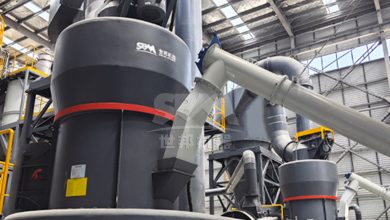
Based on the fineness requirements of brucite’s primary applications, two types of mills from our product line stand out as ideal solutions: one for ultra-fine processing and another for high-capacity, coarse to medium-fine grinding.
1. For Ultra-Fine Grinding (325-2500 mesh / 45-5μm): SCM Ultrafine Mill
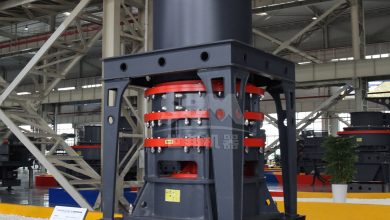
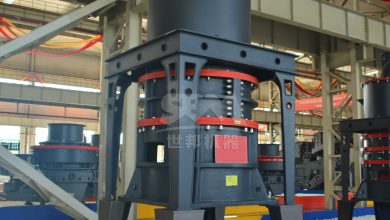
For applications demanding the highest levels of fineness, such as high-performance flame retardants, the SCM Series Ultrafine Mill is the superior choice. This mill is engineered to achieve D97 fineness down to 5 microns (2500 mesh) efficiently and reliably.
Why the SCM Mill is Ideal for Fine-Grade Brucite:
- High-Precision Classification: Its integrated vertical turbine classifier ensures precise particle size cuts, producing a consistent product with no coarse grit contamination. This is critical for flame retardant efficacy.
- Exceptional Energy Efficiency: The SCM mill offers twice the capacity of jet mills while reducing energy consumption by 30%. Its layered grinding principle applies gradual force, which is well-suited for soft minerals like brucite, minimizing over-grinding.
- Durable and Stable Operation: The grinding rollers and ring are made from special wear-resistant materials, significantly extending service life. The innovative bearing-less grinding chamber design enhances operational stability.
- Environmental Compliance: With a pulse dust collector exceeding international standards and noise levels below 75dB, the SCM mill meets modern environmental and workplace safety requirements.
Recommended Model for Brucite: The SCM1000 model, with a handling capacity of 1.0-8.5 tons/hour and a main motor power of 132kW, is an excellent choice for medium to large-scale production of ultra-fine brucite powder.
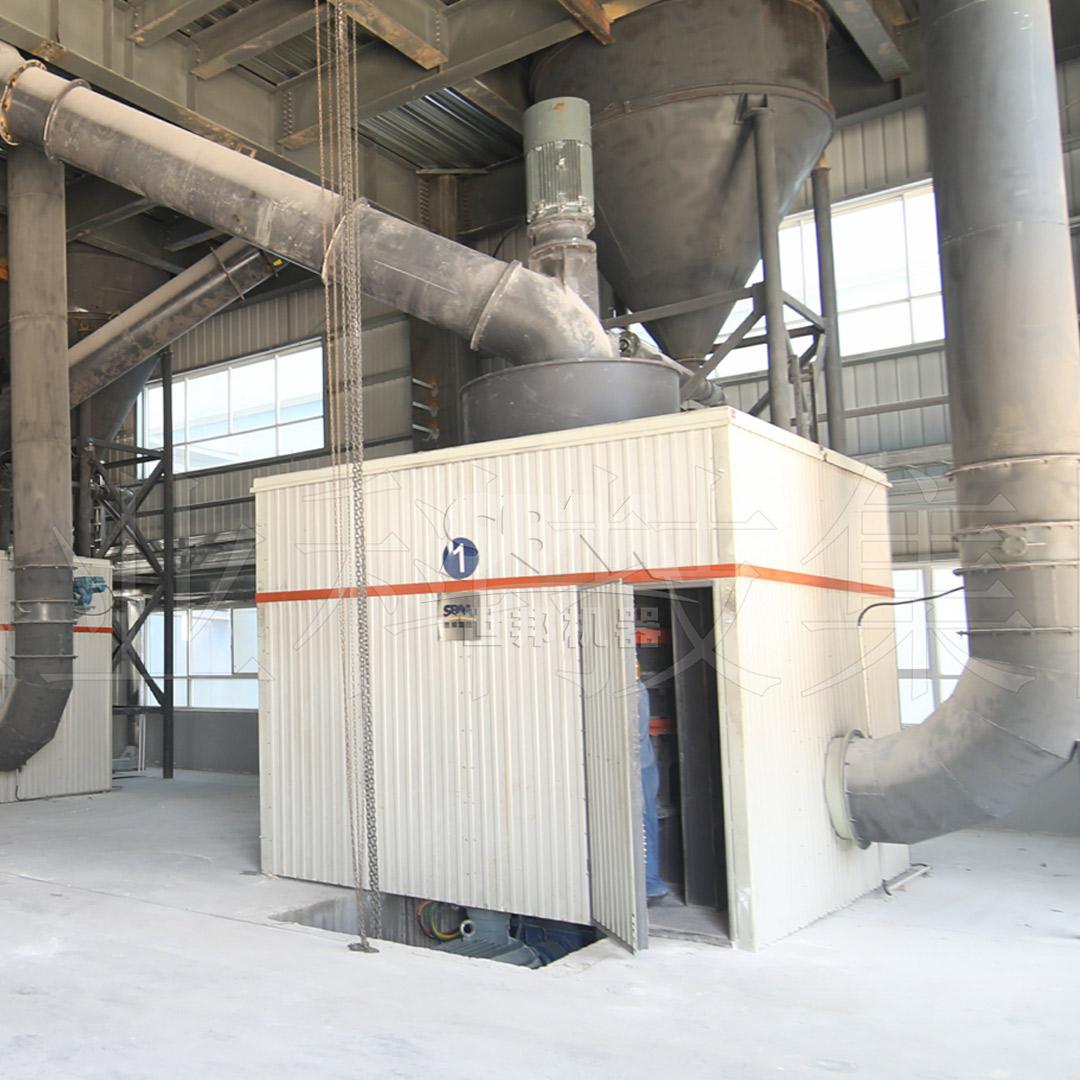
2. For Coarse to Medium-Fine Grinding (30-325 mesh / 600-45μm): MTW Series Trapezium Mill
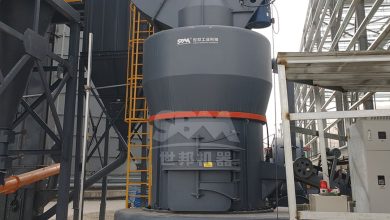
For applications where high capacity and cost-effectiveness for coarse to medium-fine powders are key, such as in environmental remediation or initial processing for chemical production, the MTW Series Trapezium Mill is highly recommended.
Why the MTW Mill is Ideal for Standard Brucite Grinding:
- High Capacity and Robustness: With a maximum feed size of 50mm and capacities ranging from 3 to 45 tons/hour, the MTW mill is built for large-scale, continuous operation.
- Advanced Wear Protection: Its curved duct design and wear-resistant volute structure reduce energy loss and maintenance costs by 30%. The modular shovel blade design allows for easy replacement of worn parts.
- Efficient Power Transmission: The overall transmission system using bevel gears achieves a remarkable 98% transmission efficiency, saving space and installation costs.
- Reliable Performance: The mature grinding principle, combining grinding roller centrifugal force and a spring pressure system, ensures consistent output for materials like brucite.
Recommended Model for Brucite: The MTW138Z model, offering a capacity of 6-17 tons/hour, is a well-balanced option for producing brucite powder in the 30-325 mesh range for various industrial uses.
Conclusion
Brucite is a versatile industrial mineral with growing importance in flame retardancy, chemical production, and environmental protection. The key to maximizing its value is selecting a grinding mill that can deliver the precise fineness required by the target application while ensuring operational efficiency and cost-effectiveness. For ultra-fine brucite powders, the SCM Ultrafine Mill provides unmatched precision and energy savings. For high-volume production of coarser grades, the MTW Series Trapezium Mill offers robust performance and reliability. By choosing the appropriate grinding technology, producers can fully leverage the potential of this valuable mineral resource.