What is an Activated Carbon Grinding Mill and Which Manufacturers Produce It?
Introduction to Activated Carbon Grinding
Activated carbon grinding is a specialized process that requires precision equipment capable of producing ultra-fine powders with specific surface area characteristics. The grinding mill used for activated carbon must achieve consistent particle size distribution while maintaining the material’s adsorption properties. This article explores the technical requirements for activated carbon grinding mills and highlights leading manufacturers in this field.
Technical Requirements for Activated Carbon Grinding Mills
Activated carbon grinding presents unique challenges due to the material’s porous structure and the need to preserve its adsorption capacity. The ideal grinding mill must feature:
- Precise particle size control (typically 325-2500 mesh)
- Low heat generation to prevent damaging the carbon structure
- High efficiency with minimal energy consumption
- Contamination-free operation
- Advanced dust collection systems
The grinding process must maintain the integrity of activated carbon’s microporous structure, which is essential for its adsorption capabilities. Any compromise in this structure can significantly reduce the material’s effectiveness in applications such as water purification, air filtration, and chemical processing.
Types of Grinding Mills Suitable for Activated Carbon
Ultrafine Grinding Mills
For applications requiring the finest particle sizes (45-5μm), ultrafine grinding mills are essential. These mills utilize advanced classification systems to achieve precise particle size distributions. The grinding mechanism typically involves multiple grinding stages with integrated classification to ensure uniform product quality.
Vertical Roller Mills
Vertical roller mills offer excellent efficiency for medium to fine grinding applications (600-45μm). Their compact design and integrated drying capabilities make them suitable for processing activated carbon with varying moisture content. The vertical configuration allows for efficient material transport and classification.
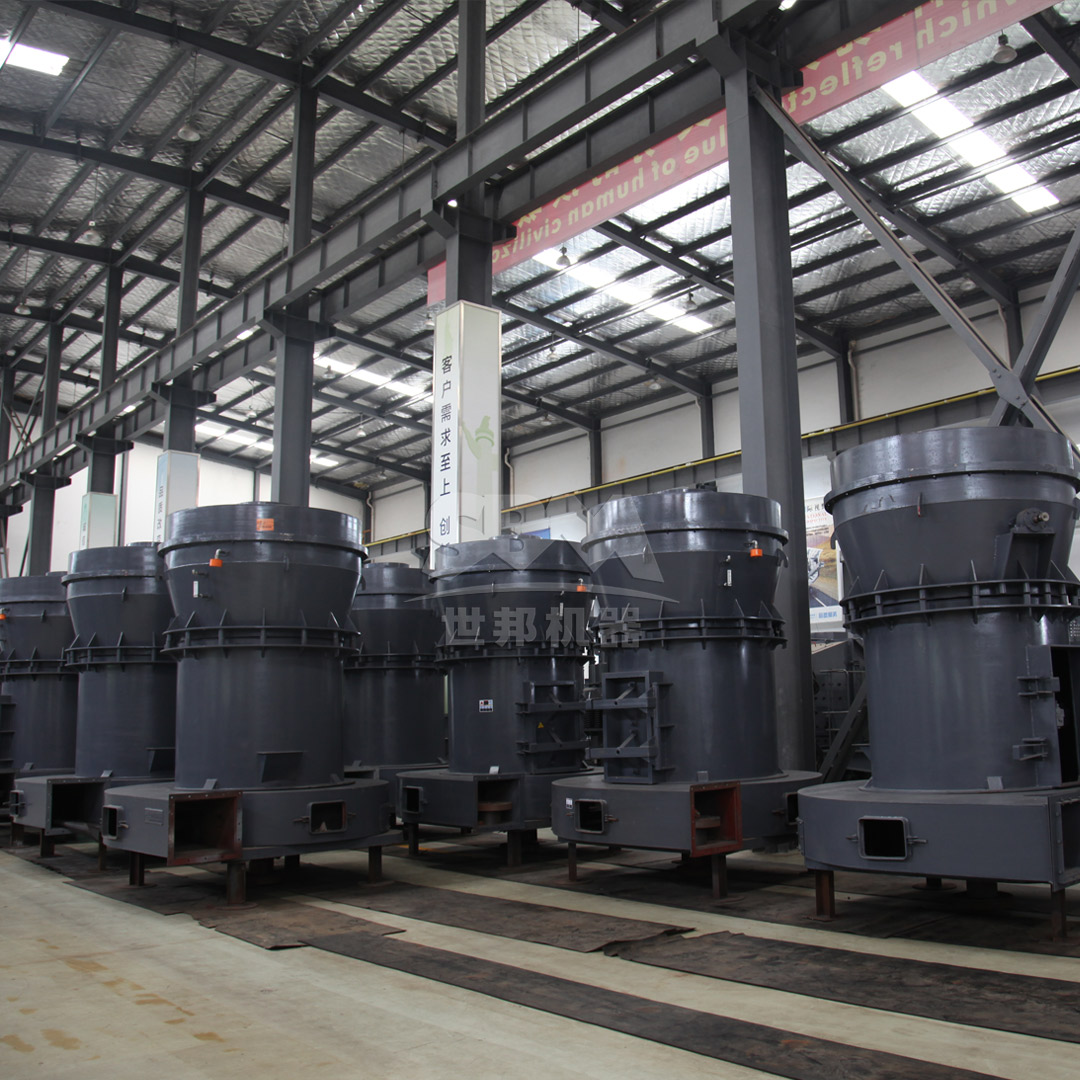
Trapezium Mills
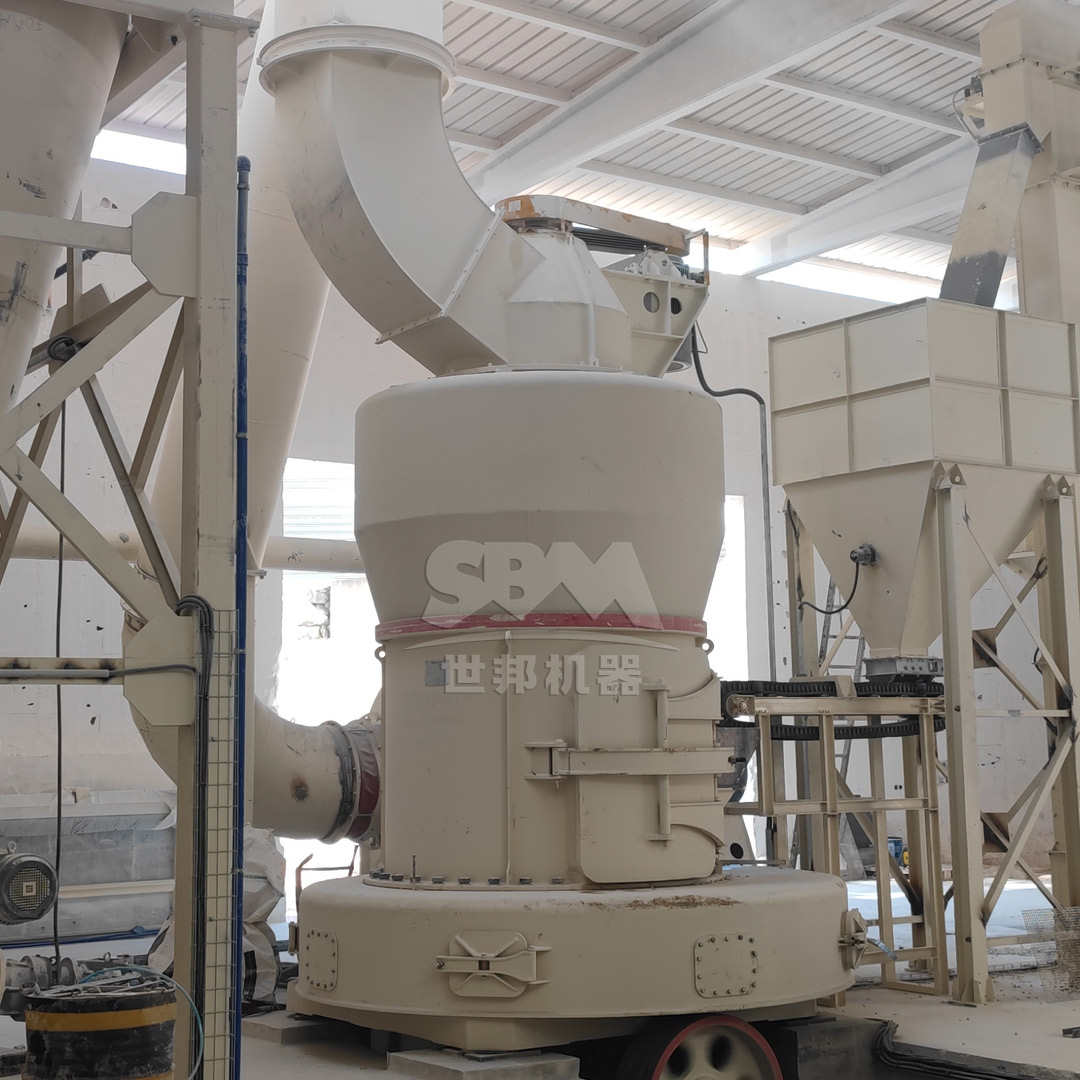
MTW series trapezium mills provide reliable performance for activated carbon grinding with output fineness ranging from 30-325 mesh. Their curved air duct design minimizes energy loss while the wear-resistant components ensure long service life when processing abrasive materials.
Key Manufacturers and Their Solutions
Several manufacturers specialize in grinding equipment suitable for activated carbon processing. Among these, our company stands out with comprehensive solutions tailored to the specific needs of activated carbon producers.
SCM Series Ultrafine Mill – The Premium Choice for High-Purity Applications
Our SCM Series Ultrafine Mill represents the cutting edge in activated carbon grinding technology. With output fineness ranging from 325-2500 mesh (D97≤5μm), this mill delivers exceptional performance for premium-grade activated carbon production.
Technical Highlights:
- High-efficiency grinding with 30% lower energy consumption compared to jet mills
- Vertical turbine classifier for precise particle size control
- Special wear-resistant materials extending component life
- Pulse dust collection system exceeding international standards
- Noise levels below 75dB for improved working environment
The SCM Ultrafine Mill operates through a sophisticated mechanism where the main motor drives multiple grinding rings to create layered grinding paths. Material is dispersed by centrifugal force and progressively refined through roller compression, with final powder collection handled by cyclone collectors and pulse dust removal systems.
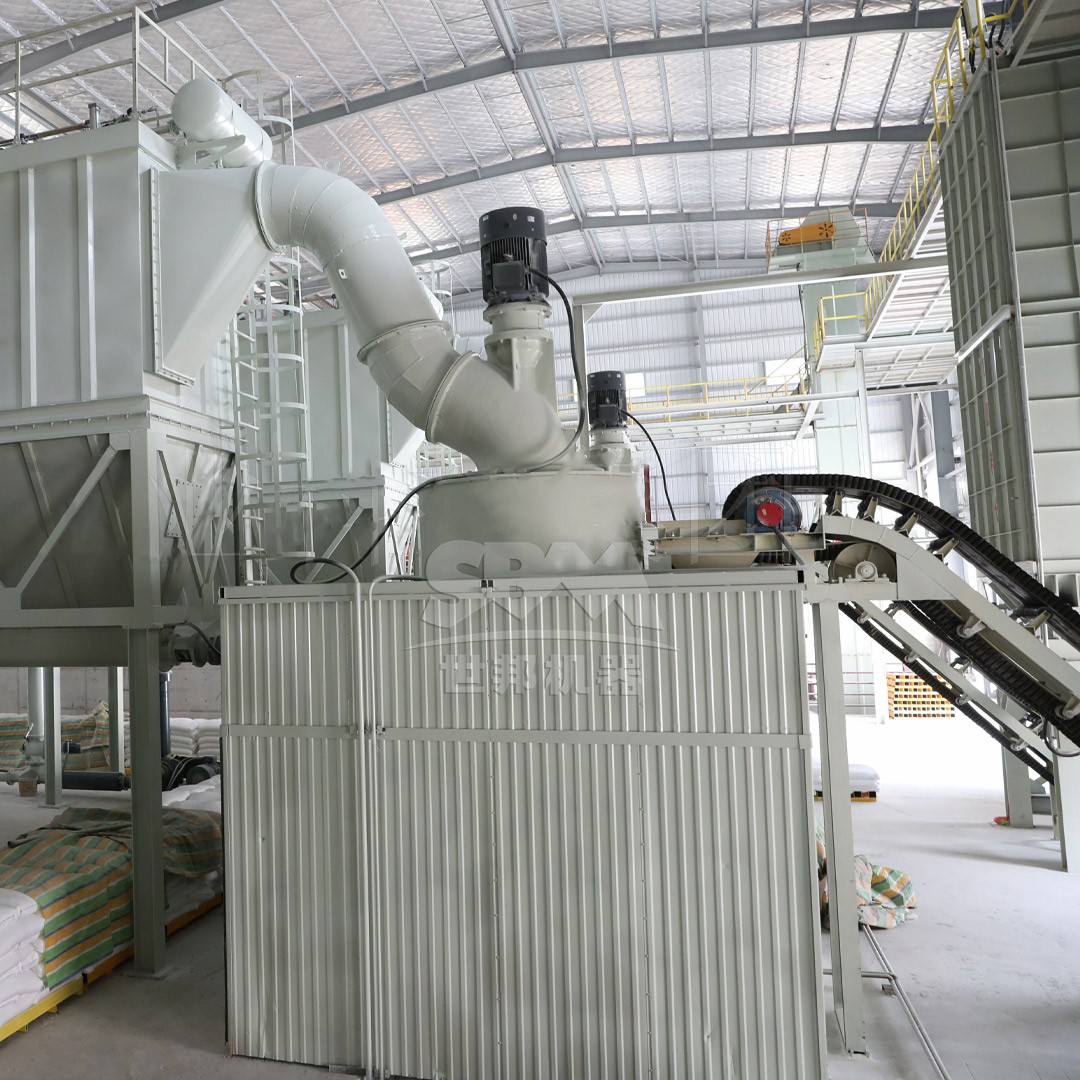
With models ranging from SCM800 (0.5-4.5 ton/h capacity) to SCM1680 (5.0-25 ton/h capacity), our SCM series offers scalable solutions for operations of all sizes. The intelligent control system automatically monitors and adjusts product fineness, ensuring consistent quality throughout production runs.
MTW Series Trapezium Mill – The Reliable Workhorse
For applications requiring slightly coarser particles or higher throughput, our MTW Series Trapezium Mill provides robust performance with output fineness from 30-325 mesh. This mill incorporates several patented technologies that make it ideal for activated carbon grinding:
Distinctive Features:
- Anti-wear shovel design with combined blades reducing maintenance costs
- Curved air duct optimizing airflow and transmission efficiency
- Integral transmission with bevel gears achieving 98% transmission efficiency
- Wear-resistant volute structure with non-clogging design
The MTW series employs a grinding principle where the main motor drives grinding rollers that revolve around the central axis while simultaneously rotating to generate centrifugal force. Shovels throw material between the grinding ring and rollers, creating a material layer that undergoes efficient crushing through extrusion forces.
Available in multiple configurations including MTW110 (3-9 ton/h), MTW138Z (6-17 ton/h), and MTW215G (15-45 ton/h), these mills can be precisely matched to production requirements. The proprietary internal oil lubrication system and international standard pulse dust removal technology ensure reliable, environmentally compliant operation.
Selection Criteria for Activated Carbon Grinding Mills
When choosing a grinding mill for activated carbon, several factors must be considered:
Particle Size Requirements
The intended application dictates the necessary particle size distribution. Water treatment typically requires different specifications than air filtration or chemical processing. Our grinding mills offer adjustable fineness controls to meet these varied requirements.
Production Capacity
From laboratory-scale testing to full industrial production, the grinding equipment must match throughput requirements. Our product range includes solutions from 0.5 ton/h to 45 ton/h, ensuring appropriate scaling for any operation.
Energy Efficiency
Grinding operations account for significant energy consumption in activated carbon production. Our mills incorporate energy-saving technologies that reduce power consumption by 30-50% compared to conventional equipment.
Maintenance Requirements
Downtime for maintenance directly impacts production efficiency. Our grinding mills feature durable components and accessible maintenance points to minimize service interruptions.
Advanced Technologies in Modern Grinding Mills
Contemporary grinding mills for activated carbon incorporate several advanced technologies:
Intelligent Control Systems
PLC-based automation allows for precise control of grinding parameters, automatic adjustment of product fineness, and remote monitoring capabilities. Our mills feature expert-level automatic control systems that support both remote and local operation modes.
Advanced Classification
High-precision classifiers ensure consistent particle size distribution without coarse particle contamination. The multi-rotor classification technology in our LUM series provides exceptional separation efficiency.
Environmental Compliance
Modern grinding mills must meet stringent environmental standards for dust emissions and noise levels. Our equipment features full-seal negative pressure operation with dust emissions below 20mg/m³ and noise levels under 80dB(A).
Conclusion
Selecting the appropriate grinding mill is critical for producing high-quality activated carbon powders with the desired properties for specific applications. The SCM Series Ultrafine Mill and MTW Series Trapezium Mill from our company represent two excellent solutions tailored to different production requirements. With advanced technologies, energy-efficient operation, and reliable performance, these mills have established themselves as preferred choices for activated carbon producers worldwide.
When considering equipment for activated carbon grinding, it’s essential to partner with manufacturers who understand the specific challenges of this material and can provide comprehensive technical support throughout the equipment lifecycle. Our company’s expertise in grinding technology and commitment to innovation ensures that customers receive optimal solutions for their activated carbon processing needs.