What is Aluminum Hydroxide Powder Used For? Common Applications in Industry
Introduction: The Versatile White Powder
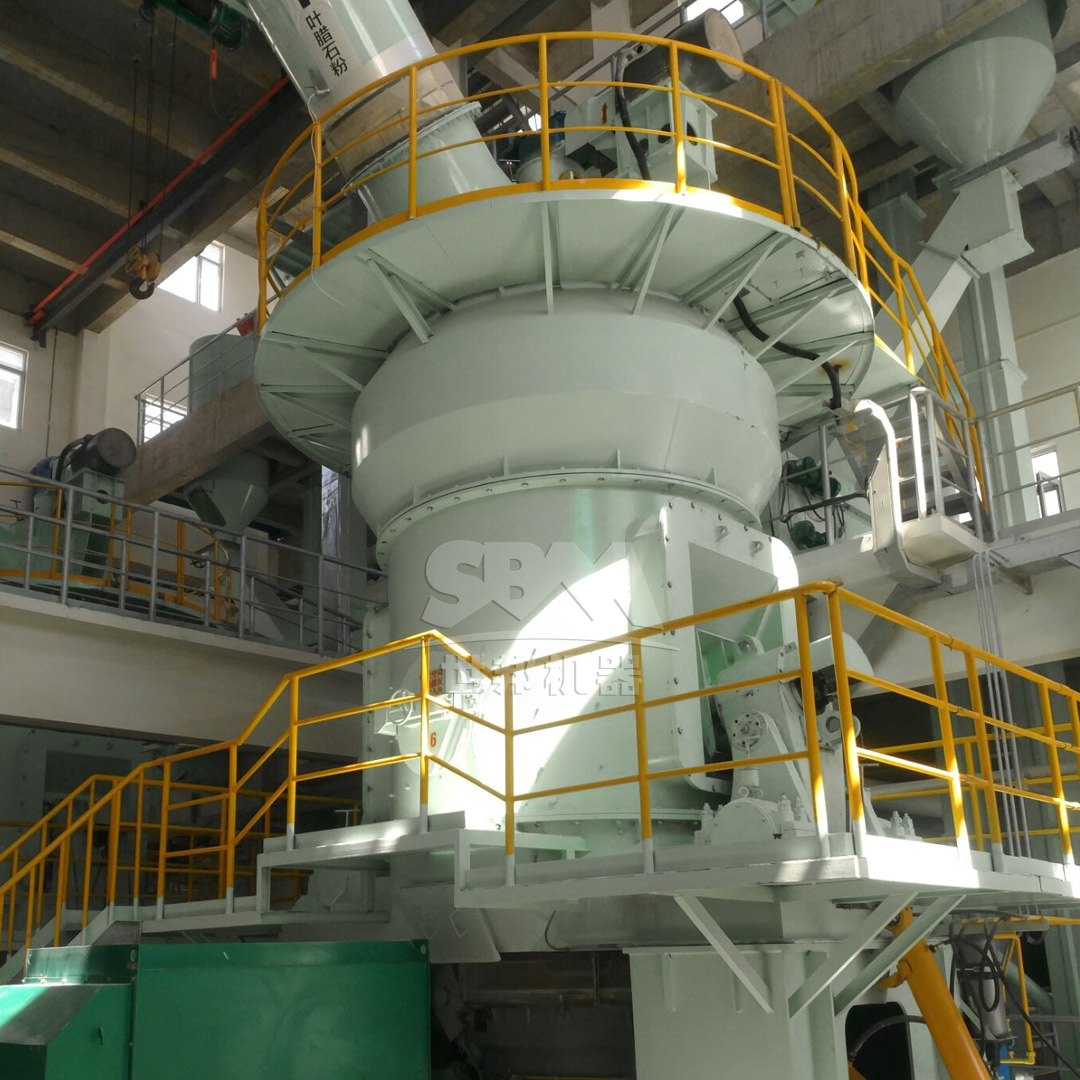
Aluminum hydroxide powder, chemically represented as Al(OH)3, is a white, crystalline, and amphoteric inorganic compound. While it is widely recognized as an active ingredient in antacid medications, its industrial significance extends far beyond pharmaceuticals. The unique properties of aluminum hydroxide—including its flame retardancy, thermal stability, chemical inertness, and filler characteristics—make it an indispensable material across a diverse range of modern industries. The performance of aluminum hydroxide in these applications is critically dependent on its particle size, purity, and morphology, which are directly determined by the precision and efficiency of the grinding and classification processes used in its production.
Core Industrial Applications of Aluminum Hydroxide Powder
1. Flame Retardants and Smoke Suppressants
This is the single largest industrial application for aluminum hydroxide powder. It functions as an excellent, non-toxic, and halogen-free flame retardant filler in polymers and composites. When exposed to heat, aluminum hydroxide undergoes an endothermic decomposition reaction around 180-200°C, releasing water vapor (approximately 34.6% of its mass). This process effectively cools the material, dilutes combustible gases, and forms a protective, insulating layer of alumina (Al2O3) char. Its application is widespread in:
- Wire & Cable Insulation: Used in PVC, polyethylene, and EVA compounds for building wires, automotive cables, and power transmission lines.
- Polymer Composites: Reinforced plastics, synthetic rubbers, and transportation interiors (e.g., seats, wall panels).
- Construction Materials: Added to carpets, roofing materials, and adhesives to improve fire safety.
The effectiveness is highly dependent on particle size and surface area. Ultrafine powders with consistent particle distribution offer better dispersion in the polymer matrix and a more rapid endothermic response.
2. Filler and Reinforcing Agent in Polymers
Beyond flame retardancy, aluminum hydroxide acts as a functional filler to improve the mechanical and optical properties of various materials.
- Plastics & Elastomers: It increases stiffness, improves tracking resistance in electrical applications, and enhances arc and weather resistance. Its whiteness helps maintain color in pigmented products.
- Paper Coating: Used as a filler and coating pigment to improve brightness, opacity, smoothness, and printability of high-quality paper.
- Adhesives & Sealants: Acts as a rheology modifier and extender, providing body and reducing cost.
3. Raw Material for Aluminum Chemicals
Aluminum hydroxide is the primary precursor for manufacturing a vast array of aluminum compounds.
- Aluminum Sulfate (Alum): Produced by reacting Al(OH)3 with sulfuric acid. It is a crucial coagulant in water and wastewater treatment for purifying drinking water and treating industrial effluent.
- Polyaluminum Chloride (PAC): A more advanced and efficient coagulant derived from aluminum hydroxide, widely used in municipal water treatment plants.
- Aluminum Oxide (Alumina): Through calcination, aluminum hydroxide is converted into alumina (Al2O3), which is the essential feedstock for the electrolytic production of metallic aluminum. Specialty aluminas are also used in ceramics, abrasives, and catalysts.
- Sodium Aluminate & Other Salts: Used in paper sizing, cement acceleration, and as catalysts.
4. Ceramics and Refractories
In the ceramics industry, aluminum hydroxide powder is valued for its role in forming mullite (3Al2O3·2SiO2) during firing, which enhances the strength and thermal shock resistance of ceramic bodies. It is used in:
- Whiteware (sanitaryware, tableware).
- Technical ceramics.
- Refractory bricks and castables for high-temperature furnaces.
5. Other Specialized Applications
- Glass & Glazes: As a source of alumina to improve chemical durability, viscosity, and mechanical strength.
- Cosmetics: Used as a gentle abrasive in toothpaste and as an opacifying agent in skin care products.
- Pharmaceuticals: As an active antacid and as an adjuvant in some vaccines to enhance immune response.
The Critical Role of Milling Technology in Aluminum Hydroxide Processing
The breadth of applications for aluminum hydroxide demands a wide spectrum of powder specifications. From coarse fillers for rubber to ultrafine, high-purity powders for advanced ceramics and flame-retardant masterbatches, the grinding equipment must be versatile, precise, and efficient. Key requirements include:
- Precise Particle Size Control: Ability to produce powders from coarse (30-100 mesh) to superfine (2500 mesh and above).
- Narrow Particle Size Distribution: Essential for consistent performance, especially in polymer compounding where uniform dispersion is critical.
- High Purity & Low Contamination: The milling system must be designed to minimize iron and other metallic contamination from wear parts.
- Energy Efficiency: Grinding can be energy-intensive; modern mills must optimize power consumption per ton of product.
- Environmental Compliance: Fully enclosed, negative-pressure systems with efficient dust collection are mandatory to protect product yield and operator safety.
Recommended Grinding Solutions for Aluminum Hydroxide Production
To meet the diverse fineness and capacity requirements of the aluminum hydroxide industry, we recommend our advanced milling systems, which are engineered for precision, reliability, and low operating costs.
1. For Ultrafine and High-Precision Applications (45-5μm / 325-2500 mesh)
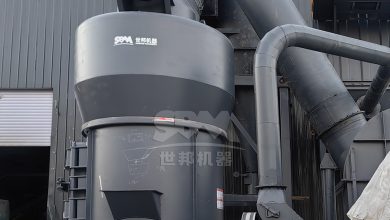
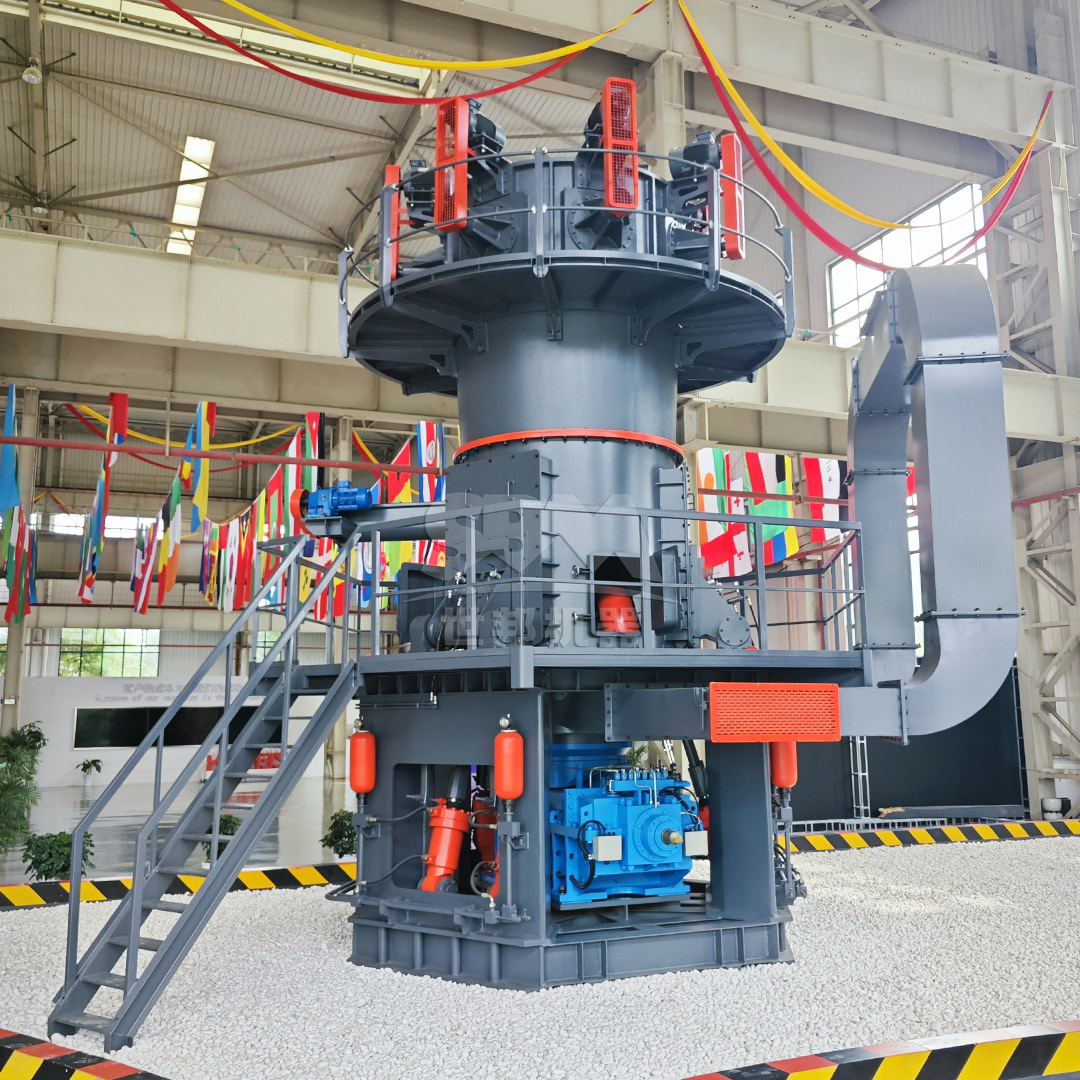
For producing the superfine aluminum hydroxide powders required in high-performance flame-retardant composites, advanced ceramics, and premium coatings, our SCM Series Ultrafine Mill is the ideal solution.
This mill excels in applications demanding extremely fine and uniform particle sizes. Its vertical turbine classifier ensures precise particle size cutting, eliminating coarse powder mixing and guaranteeing a consistent, high-quality finished product. With an output fineness range of 325 to 2500 mesh and a capacity of up to 25 tons per hour (depending on model), it handles high-volume production of premium-grade powders. The mill’s design emphasizes durability and eco-friendliness, featuring special material rollers and rings for extended service life and a pulse dust collection system that exceeds international emission standards. Its high efficiency also translates to energy savings, offering approximately 30% lower consumption compared to traditional jet mills.
2. For High-Capacity and Versatile Fine Grinding (600-45μm / 30-325 mesh)
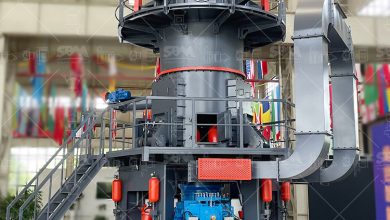
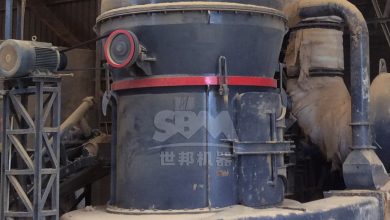
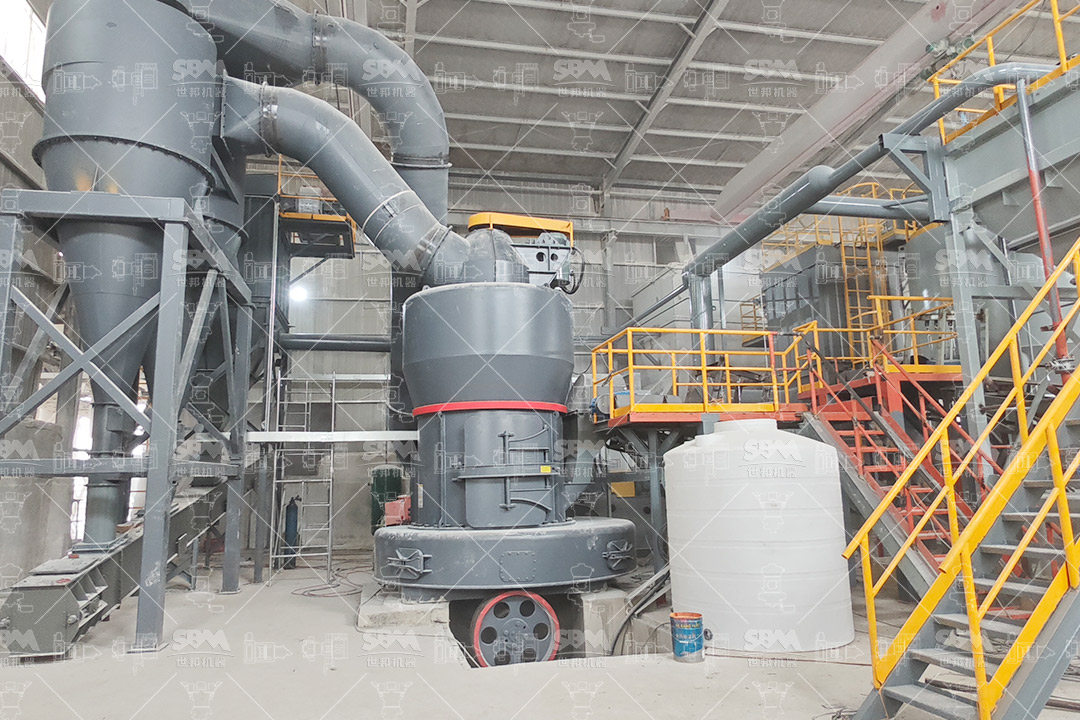
For large-scale production of aluminum hydroxide used as a filler, in water treatment chemical synthesis, or for standard flame-retardant grades, the MTW Series European Trapezium Mill offers unmatched efficiency and robustness.
This mill is designed for heavy-duty, continuous operation with capacities ranging from 3 to 45 tons per hour. It produces powders in the 30 to 325 mesh range, perfectly suited for many industrial filler applications. Its key advantages include an anti-wear shovel design and wear-resistant volute structure, which significantly reduce maintenance costs and downtime—a critical factor for cost-sensitive applications. The integral bevel gear drive provides a high transmission efficiency of up to 98%, ensuring stable power delivery and lower energy costs over the long term. This mill is the workhorse solution for producers needing reliable, high-output grinding of aluminum hydroxide to standard fine specifications.
Conclusion
Aluminum hydroxide powder is a cornerstone material in modern industry, enabling safer, stronger, and more functional products from construction and transportation to water purification and specialty chemicals. Its value is unlocked through precise particle engineering. Investing in the right milling technology—whether for ultrafine precision with the SCM Series or for high-volume efficiency with the MTW Series—is not merely an equipment purchase; it is a strategic decision that directly impacts product quality, application performance, and overall production profitability. By selecting a mill designed for the specific demands of aluminum hydroxide processing, manufacturers can ensure they meet the exacting standards of their end markets while optimizing their operational efficiency.