What is a Pendulum Roller Mill and How Does It Work?
Introduction to Pendulum Roller Mills
The pendulum roller mill is a highly efficient grinding machine widely used in the processing of non-metallic minerals, chemical raw materials, and various industrial powders. Its name derives from the pendulum-like motion of its grinding rollers, which swing outward under centrifugal force to press against a stationary grinding ring. This design creates a unique and powerful grinding action capable of producing fine to ultra-fine powders with remarkable consistency and energy efficiency. As a cornerstone technology in modern powder processing, understanding its operation and advantages is crucial for industries ranging from construction and mining to pharmaceuticals and advanced materials.
Core Components and Working Principle
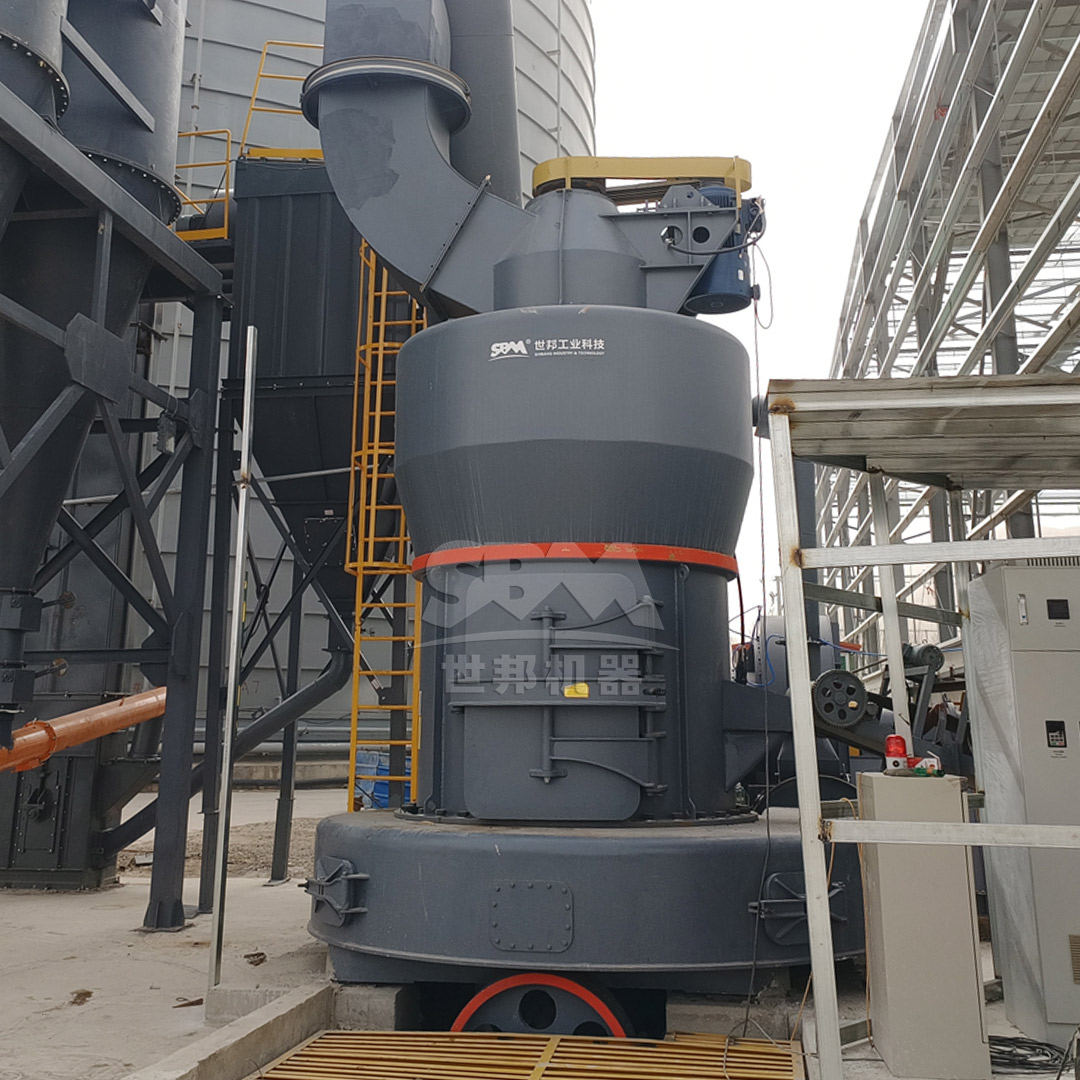
A pendulum roller mill consists of several key components working in harmony. The central element is the grinding assembly, which includes multiple grinding rollers suspended from a spider-like carrier (the cross-arm or pendulum). These rollers are free to swing like pendulums. Below them rotates a large, stationary grinding ring or bowl. The system is driven by a central main shaft connected to a powerful motor.
The working process can be broken down into sequential stages:
- Feeding: Raw material, pre-crushed to a specified size (typically ≤50mm), is fed into the mill via a feeder and falls onto the center of the grinding table/ring.
- Grinding: As the main shaft rotates, the carrier and attached rollers rotate with it. Centrifugal force causes the rollers to swing outward and press against the inner surface of the grinding ring. Material is caught between the rotating rollers and the ring, subjected to intense compression and shear forces that pulverize it into fine particles.
- Drying and Classification: Hot air (or ambient air) is introduced from below or around the grinding zone. This air stream serves two purposes: it dries moisture from the material and carries the finer particles upward. An integrated classifier (often a dynamic turbo classifier) at the top of the mill allows only particles meeting the target fineness to pass through. Coarser particles are rejected by the classifier’s rotating blades and fall back onto the grinding bed for further processing.
- Collection: The fine powder that passes the classifier is transported by the air stream to a cyclone collector and/or a baghouse pulse-jet dust collector, where it is separated from the air and collected for packaging or further processing. The cleaned air is either recirculated or vented, meeting strict environmental standards.
This closed-circuit grinding and classification system ensures high efficiency, precise particle size control, and minimal waste.
Key Technical Advantages of Modern Pendulum Mills
Modern pendulum roller mills incorporate advanced engineering to address the core demands of productivity, quality, and sustainability.
- High Grinding Efficiency & Energy Savings: The pendulum design creates a leveraged grinding force, allowing a relatively small motor to generate significant grinding pressure. The material is ground in a bed or layer, which is more efficient than impact-based grinding. Compared to traditional ball mills or Raymond mills, modern pendulum mills can offer energy savings of 30-50% for the same output.
- Precise Particle Size Control: The integration of high-efficiency dynamic classifiers is a game-changer. These classifiers provide sharp cuts and can be adjusted in real-time to produce powders from coarse (30 mesh/600μm) to very fine (325 mesh/45μm) and even ultra-fine ranges. This ensures a consistent product with a narrow particle size distribution (PSD).
- Durability and Low Maintenance: Critical wear parts like grinding rollers and rings are made from high-chromium alloy or other special wear-resistant materials, extending service life by several times. Advanced designs often feature centralized grease or oil lubrication systems that automate maintenance and protect bearings from dust ingress.
- Environmental Friendliness: The entire grinding process occurs under negative pressure, preventing dust leakage. High-efficiency pulse-jet bag filters ensure dust emissions are well below international standards (often <20mg/m³). Furthermore, sound insulation enclosures keep operational noise levels low, typically below 75-80 dB(A).
- Automation and Intelligence: Modern mills are equipped with PLC-based control systems that allow for automatic start-up/shutdown, real-time monitoring of key parameters (pressure, temperature, motor load), and feedback loops to adjust feeding rate or classifier speed to maintain constant product fineness.
Our Recommended Pendulum Roller Mill Solutions
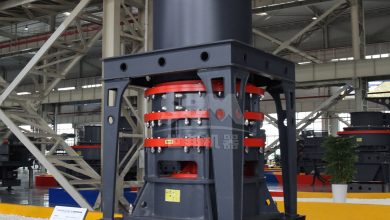
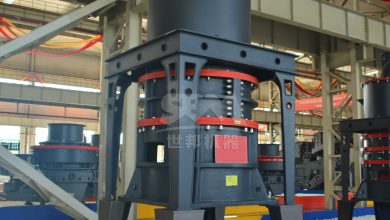
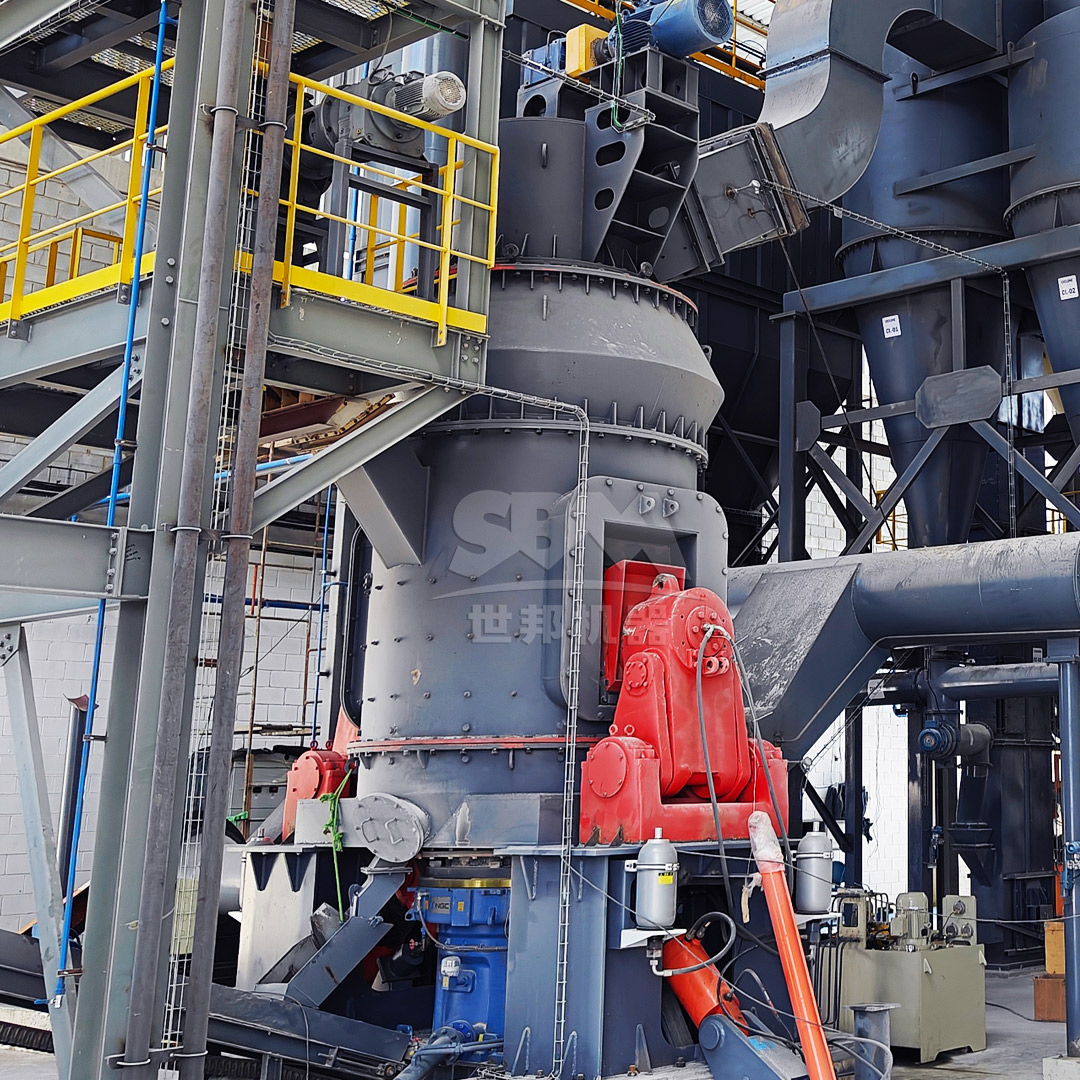
Based on decades of research and field application, we have developed a range of pendulum roller mills that embody the latest technological advancements. Two standout series in our portfolio are the MTW Series European Trapezium Mill and the SCM Series Ultrafine Mill, each designed for specific fineness and capacity requirements.
1. MTW Series European Trapezium Mill (For 30-325 Mesh / 600-45μm)
Our MTW Series Trapezium Mill represents the evolution of the traditional pendulum mill, incorporating European grinding technology for mid-range to fine powder production. It is ideal for processing materials like limestone, calcite, dolomite, barite, talc, and gypsum.
Key Features & Innovations:
- Bevel Gear Integral Transmission: This compact and efficient transmission system boasts up to 98% efficiency, saving space and installation costs while ensuring smooth, powerful operation.
- Curved Air Duct & Wear-Resistant Volute: The optimized curved duct minimizes air flow resistance and energy loss. The volute’s wear-resistant design and obstruction-free flow path enhance air classification efficiency and reduce maintenance costs by up to 30%.
- Anti-Wear Shovel Design: Featuring modular shovel tips and a curved surface, this design reduces wear part replacement costs and extends the service life of the grinding rollers.
- High Capacity: With models like the MTW215G offering throughputs from 15 to 45 tons per hour, this series is built for large-scale industrial production.
For projects requiring high-volume output of powders in the 30 to 325 mesh range, the MTW Series offers an unbeatable combination of reliability, efficiency, and low operational cost.
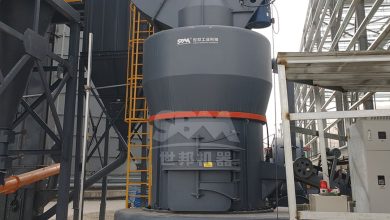
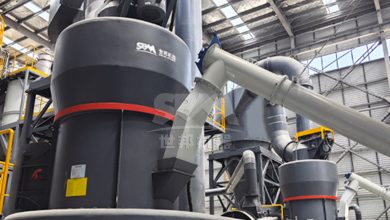
2. SCM Series Ultrafine Mill (For 325-2500 Mesh / 45-5μm)
When your application demands ultra-fine powders, our flagship SCM Ultrafine Mill is the premier choice. It pushes the boundaries of fineness, capable of producing powders with a D97 particle size as fine as 5 microns (2500 mesh).
Unparalleled Advantages for Ultrafine Grinding:
- Exceptional Fineness and High Capacity: It achieves fineness levels unattainable by ordinary pendulum mills. Remarkably, its capacity is approximately twice that of a jet mill of similar power input, while reducing energy consumption by about 30%.
- High-Precision Vertical Turbine Classifier: The heart of its performance is an advanced, internally adjustable classifier that ensures precise particle size cuts. This results in a uniform final product with no coarse grit contamination.
- Durable and Stable Grinding Chamber: The mill features a unique bearingless screw grinding chamber design for enhanced stability. The rollers and grinding ring are made from special materials, multiplying their service life.
- Intelligent Control System: An automatic control system provides feedback on product fineness, allowing for real-time adjustments to maintain consistent quality with minimal operator intervention.
For demanding applications in industries such as high-end paints, coatings, plastics, rubber, or advanced ceramics where ultra-fine, consistent powder is critical, the SCM series—with models like the SCM1680 delivering 5-25 tons per hour—provides a technologically superior and economically sound solution.

Applications and Material Suitability
Pendulum roller mills are incredibly versatile. They are successfully employed in processing a vast array of non-flammable, non-explosive brittle materials with Mohs hardness below 7, such as:
- Construction Materials: Limestone, calcite, dolomite, gypsum, fly ash.
- Industrial Minerals: Quartz, feldspar, barite, fluorite, marble, ceramics.
- Chemical Raw Materials: Activated carbon, bentonite, kaolin, cement clinker.
- Agricultural Products: Various grains and biomass for food or feed.
Conclusion
The pendulum roller mill remains a vital and evolving technology in the world of industrial grinding. Its principle of pendulum-mounted rollers applying compressive force offers inherent advantages in efficiency and control. Modern iterations, like our advanced MTW and SCM series, have integrated intelligent classification, robust construction, and eco-friendly designs to meet the rigorous demands of today’s industries. Whether your goal is high-volume production of fine powders or the challenge of achieving consistent ultra-fine results, selecting the right pendulum roller mill technology is a decisive step toward optimizing your process, reducing your total cost of ownership, and achieving superior product quality.