What is a 4R Raymond Mill and What is Its Hourly Production Capacity?
Introduction to the 4R Raymond Mill
The term “4R Raymond Mill” refers to a specific configuration of the classic Raymond roller mill, a cornerstone technology in the size reduction industry for over a century. The “R” stands for “Roller,” and the number indicates the quantity of grinding rollers installed within the mill. Therefore, a 4R Raymond Mill is equipped with four grinding rollers. This configuration represents a mid-to-large size model within the traditional Raymond mill family, designed to balance production capacity, energy consumption, and final product fineness for a wide range of medium-hardness materials such as limestone, calcite, barite, dolomite, potassium feldspar, talc, and marble.
The fundamental design involves a central vertical shaft driven by a main motor. The grinding rollers, suspended from a revolving star frame (or yoke), swing outward due to centrifugal force and roll against the inner surface of a stationary grinding ring. The material to be ground is fed into the grinding chamber and is shoveled by plows (or blades) into the path between the rollers and the ring, where it is crushed and ground by the rolling pressure.
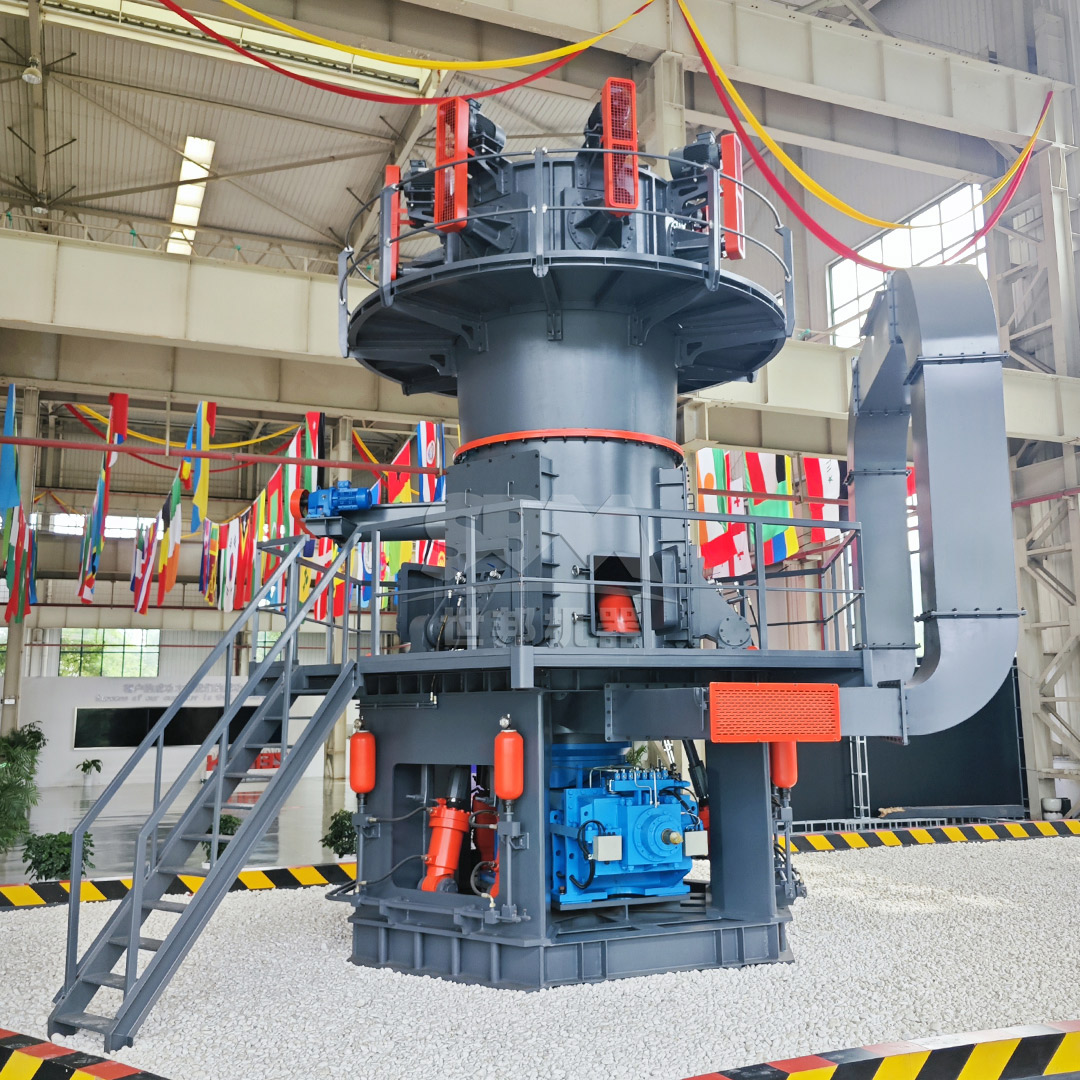
Key Components and Working Mechanism
A standard 4R Raymond Mill system comprises several key components working in unison:
- Main Frame & Grinding Chamber: The robust housing contains the grinding assembly.
- Grinding Rollers (4) and Grinding Ring: The four rollers apply compressive force against the ring to pulverize the material. These are typically made from high manganese steel or other wear-resistant alloys.
- Classifier: An integral component mounted on top of the mill. It consists of a rotating impeller (or cage). The ground powder is carried by the upward air stream into the classifier. Coarse particles are rejected by the centrifugal force of the rotating blades and fall back to the grinding zone for further size reduction, while fine particles that meet the target size pass through and are collected.
- Feeder: Automatically and uniformly delivers raw material into the mill.
- Drive System: Includes the main motor, reducer, and gearing to drive the central shaft and the classifier.
- Air System: Comprising a fan, pipes, and a cyclone collector or bag filter. The fan creates the necessary airflow to transport the powder and control the milling temperature.
The process is continuous: feed → grinding → classification → collection. The fineness of the final product is primarily controlled by adjusting the speed of the classifier impeller; a higher speed yields a finer product.
Hourly Production Capacity of a 4R Raymond Mill
The hourly production capacity of a 4R Raymond Mill is not a fixed number but a range influenced by a complex interplay of factors. While traditional models might offer a capacity in the range of 3 to 15 tons per hour, this is highly variable. Understanding these factors is crucial for proper mill selection and operation.
Primary Factors Affecting Capacity:
- Material Hardness and Abrasiveness: Softer materials like calcite or talc will yield significantly higher throughput compared to harder materials like quartz or ceramic raw materials. Highly abrasive materials also reduce capacity due to faster wear of grinding parts.
- Feed Size: The mill is designed for a maximum feed size (typically ≤30mm). Consistently feeding smaller material allows for higher throughput as less work is required for initial breakage.
- Required Product Fineness: This is the most critical factor. Producing a coarse powder (e.g., 80-100 mesh) allows for maximum capacity. As the target fineness increases (e.g., to 200, 325, or even 400 mesh), the capacity drops substantially because the material must recirculate many more times within the grinding-classification loop to achieve the desired particle size.
- Moisture Content: Materials with high moisture can cause clogging, reduce grinding efficiency, and impede airflow. Pre-drying may be necessary for optimal capacity.
- System Configuration and Maintenance: A well-maintained mill with sharp grinding edges, a properly sized fan, and an efficient dust collection system will operate at peak capacity. Worn rollers/rings can reduce output by 20% or more.
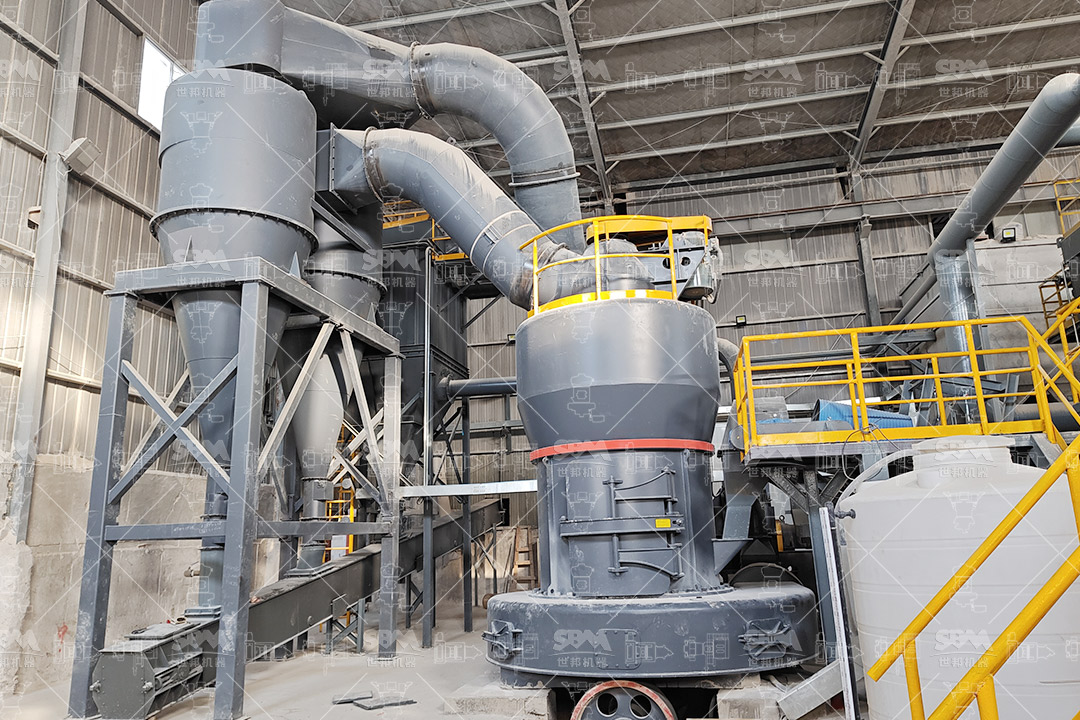
For example, a 4R mill processing medium-hard limestone might achieve 8-10 t/h at 200 mesh but only 4-5 t/h at 325 mesh under the same conditions. It is essential for buyers to test their specific material and communicate their fineness requirements to suppliers to get accurate capacity estimates.
Modern Evolutions and Technological Limitations
While the 4R Raymond Mill is a proven workhorse, its traditional design has inherent limitations that modern grinding technology has sought to overcome:
- Energy Efficiency: The centrifugal rolling/sliding action can be less energy-efficient compared to direct grinding methods like vertical roller mills.
- Fineness Limit: Achieving consistent fineness beyond 400 mesh (D97 < 38μm) is challenging due to the limitations of the mechanical spring pressure system and internal air classification.
- Wear and Maintenance: Direct metal-to-metal contact in the grinding zone leads to wear, requiring periodic replacement of rollers and rings, which involves downtime.
- System Footprint: Traditional Raymond mill systems, including the separate fan and large cyclone collectors, can occupy considerable floor space.
Advanced Alternatives for Enhanced Performance
To address the needs of modern industry for higher efficiency, finer products, and lower operational costs, several advanced milling technologies have been developed. These machines often represent the next generation of grinding solutions, offering superior performance in specific applications.
1. For Ultra-Fine Grinding (325-2500 mesh / 5-45μm): SCM Ultrafine Mill
When your application demands ultra-fine powders beyond the practical reach of a standard Raymond mill, the SCM Ultrafine Mill is the ideal solution. This mill is engineered specifically for high-efficiency production of fine and ultra-fine powders.
Core Advantages:
- High Efficiency & Energy Saving: Its innovative grinding chamber and classification design result in a capacity twice that of a jet mill while reducing energy consumption by 30%. An intelligent control system provides automatic feedback on product fineness.
- High-Precision Classification: Equipped with a vertical turbine classifier, it achieves precise particle size cuts, ensuring a uniform final product with no coarse powder contamination.
- Durable Design: Features special material rollers and grinding rings that extend service life multiple times. The unique bearing-less screw design in the grinding cavity ensures stable operation.
- Environmental & Low Noise: Incorporates a pulse dust collector with efficiency exceeding international standards. A soundproof room design keeps operational noise below 75dB.
Capacity & Models: The SCM series offers a scalable range to match various production needs, from pilot-scale to large industrial lines. For instance, the SCM1000 model offers a capacity range of 1.0-8.5 tons per hour with a fineness range of 325-2500 mesh (D97≤5μm), powered by a 132kW main motor. For larger requirements, the SCM1680 model can handle 5.0-25 tons per hour. This makes the SCM series a perfect upgrade for applications requiring finer products than a 4R Raymond Mill can efficiently produce.
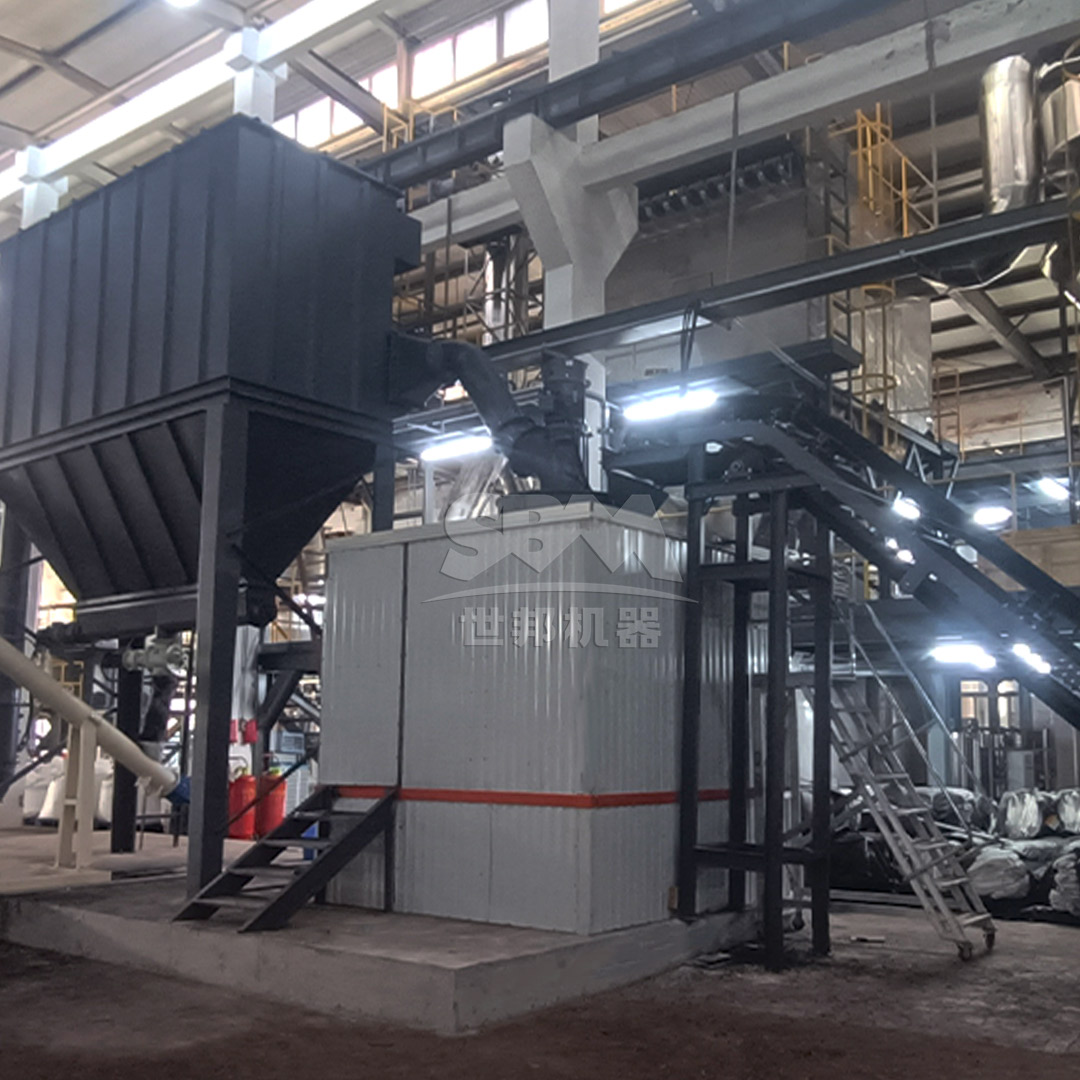
2. For High-Capacity Fine Grinding (30-325 mesh / 45-600μm): MTW Series Trapezium Mill
If your primary need is high hourly output of fine powders in the common 30-325 mesh range, the MTW Series Trapezium Mill represents a significant technological leap from the traditional Raymond mill design, offering much higher capacity and reliability.
Core Advantages:
- Advanced Wear-Resistant Design: Features a combined shovel blade design that lowers maintenance costs and curved surfaces that extend roller life.
- Optimized Airflow: A curved air duct reduces airflow resistance and energy loss, improving transmission efficiency, with high-strength guard plates protecting the working surface.
- Efficient Drive System: Utilizes an integral bevel gear transmission with an efficiency as high as 98%, saving space and installation costs.
- Durable Structure: A wear-resistant volute structure with a non-blocking design enhances air classification efficiency and reduces maintenance costs by 30%.
Capacity & Models: The MTW series is built for scale. For example, the MTW175G model delivers an impressive 9.5-25 tons per hour in the 10-325 mesh range, powered by a 160kW motor. For the largest projects, the MTW215G model can achieve a remarkable 15-45 tons per hour. This series is an excellent direct replacement or alternative for a 4R Raymond Mill when the goal is to maximize production capacity for standard fineness requirements with modern efficiency and lower operating costs.
Conclusion
The 4R Raymond Mill remains a relevant and reliable machine for many medium-scale, medium-fineness grinding applications. Its capacity is a flexible parameter heavily dependent on material properties and product specifications. However, for operations seeking to push the boundaries of fineness, energy efficiency, or raw throughput, modern alternatives like the SCM Ultrafine Mill and the MTW Series Trapezium Mill offer compelling advantages. These advanced mills incorporate decades of engineering innovation to deliver higher performance, lower total cost of ownership, and better adaptability to the stringent demands of contemporary powder processing industries. When selecting equipment, a thorough analysis of material characteristics, target product specs, and total operational costs will guide the choice between a traditional workhorse and its modern, high-performance successors.