What equipment is used to produce finely ground silica sand for pipe piles?
Introduction: The Critical Role of Finely Ground Silica Sand in Pipe Pile Manufacturing
The production of high-quality pipe piles, essential for deep foundation systems in modern construction, relies heavily on the performance of concrete mixes. A key component influencing the workability, strength, and durability of this concrete is the fine aggregate – specifically, finely ground silica sand. Unlike standard construction sand, silica sand for pipe piles requires precise particle size distribution, high purity (SiO2 content), and controlled morphology to ensure optimal packing density and pozzolanic reactivity. Producing this specialized material demands a sophisticated grinding circuit capable of delivering consistent fineness, high throughput, and operational efficiency. This article explores the essential equipment used in this process and highlights optimal solutions for modern production lines.
1. Understanding the Specifications: Desired Properties of Silica Sand for Pipe Piles
Before delving into equipment, it’s crucial to define the target product specifications. Silica sand for premium pipe pile concrete typically aims for a fineness between 200 mesh (75μm) and 325 mesh (45μm), with some advanced applications requiring even finer grades up to 600 mesh (23μm) or beyond for enhanced micro-filling effects. The particle size distribution should be narrow to prevent segregation and improve fluidity. Furthermore, the grinding process must preserve the sand’s crystalline structure to a degree, avoiding excessive amorphization that could lead to unwanted water demand. The equipment chosen must, therefore, offer not just size reduction but also precise classification and minimal heat generation.
2. The Grinding Circuit: From Raw Feed to Finished Product
A complete production line for finely ground silica sand involves several stages:
- Primary Crushing & Screening: Raw silica sand (often with feed sizes up to 50mm) is first reduced to a manageable size (typically below 20-30mm) using jaw crushers or cone crushers, followed by screening to remove oversize material.
- Drying: Moisture control is critical for efficient grinding. Rotary dryers are commonly employed to reduce moisture content to below 1-2%.
- Fine Grinding & Classification: This is the heart of the process, where the pre-processed sand is ground to the target fineness. This stage requires equipment that can handle the abrasive nature of silica.
- Collection & Packaging: The final product is collected via efficient cyclone separators and baghouse filters before being stored or packaged.
The selection of the fine grinding mill is the most critical decision, determining product quality, energy consumption, and overall plant economics.
3. Core Equipment for Fine and Ultrafine Grinding of Silica Sand
Several types of grinding mills are employed in the industry, each with its own advantages and suitable fineness ranges.
3.1. Vertical Roller Mills (VRM) – For High-Capacity Production
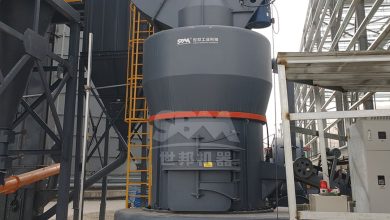
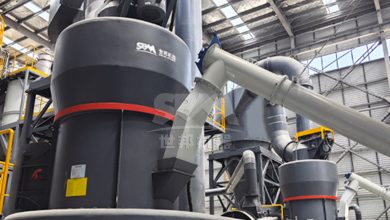
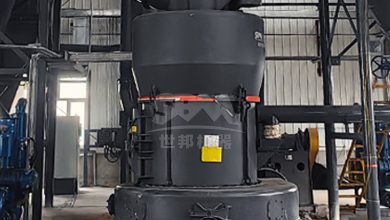
Vertical Roller Mills, such as the LM Series, represent a highly efficient solution for large-scale production of ground silica sand in the range of 30-325 mesh (600-45μm). Their working principle involves a motor-driven grinding table rotating beneath hydraulically loaded grinding rollers. Material is fed centrally, ground under pressure, and swept by hot air (or inert gas) to an integrated classifier. The key advantages for silica sand processing include:
- High Grinding Efficiency & Low Energy Consumption: The bed grinding mechanism between rollers and table is significantly more efficient than the ball-to-ball/liner contact in ball mills, offering 30-40% lower energy consumption.
- Integrated Drying and Grinding: The hot gas stream can simultaneously dry moist feed, simplifying the process flow.
- Precise Particle Size Control: The built-in dynamic classifier allows for quick adjustment of product fineness by changing rotor speed.
- Compact Footprint: The vertical design integrates grinding, drying, and classification, reducing plant space requirements by up to 50% compared to traditional ball mill systems.
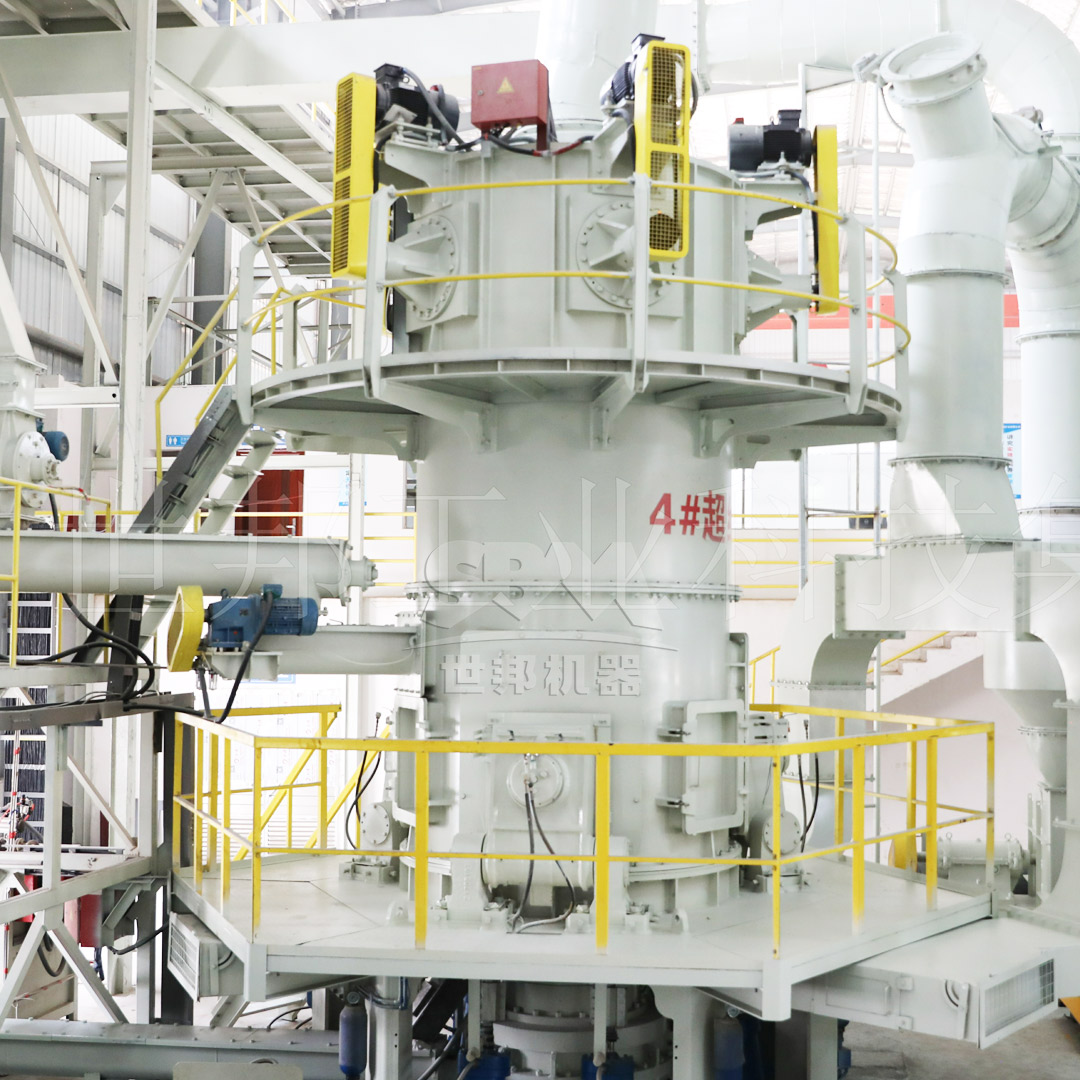
For pipe pile sand production requiring high tonnage (from 10 to over 100 tons per hour) and consistent quality in the coarse to medium-fine range, the LM Vertical Roller Mill is an outstanding choice. Its robust construction with wear-resistant rollers and table liners is well-suited to handle abrasive silica.
3.2. Ultrafine Grinding Mills – For Premium High-Fineness Products
When the application demands ultra-fine silica flour (325-2500 mesh or 45-5μm) to act as a high-performance pozzolan or micro-filler, specialized ultrafine mills are required. Among the most advanced technologies is the SCM Series Ultrafine Mill.
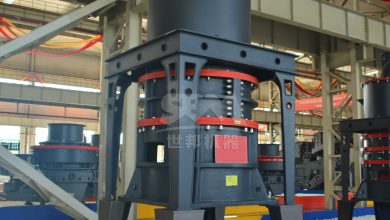
This mill is engineered specifically for producing micron and sub-micron powders. Its design features a three-layer ring medium-speed micro-grinding principle. The main motor drives the central shaft, which rotates the turntable and causes the rollers to revolve and rotate via links. Material is fed into the grinding chamber and is crushed by the rollers’ centrifugal force against the ring. A critical component is the high-precision vertical turbine classifier, which ensures only particles meeting the target fineness leave the grinding zone, guaranteeing a uniform product without coarse grit contamination.
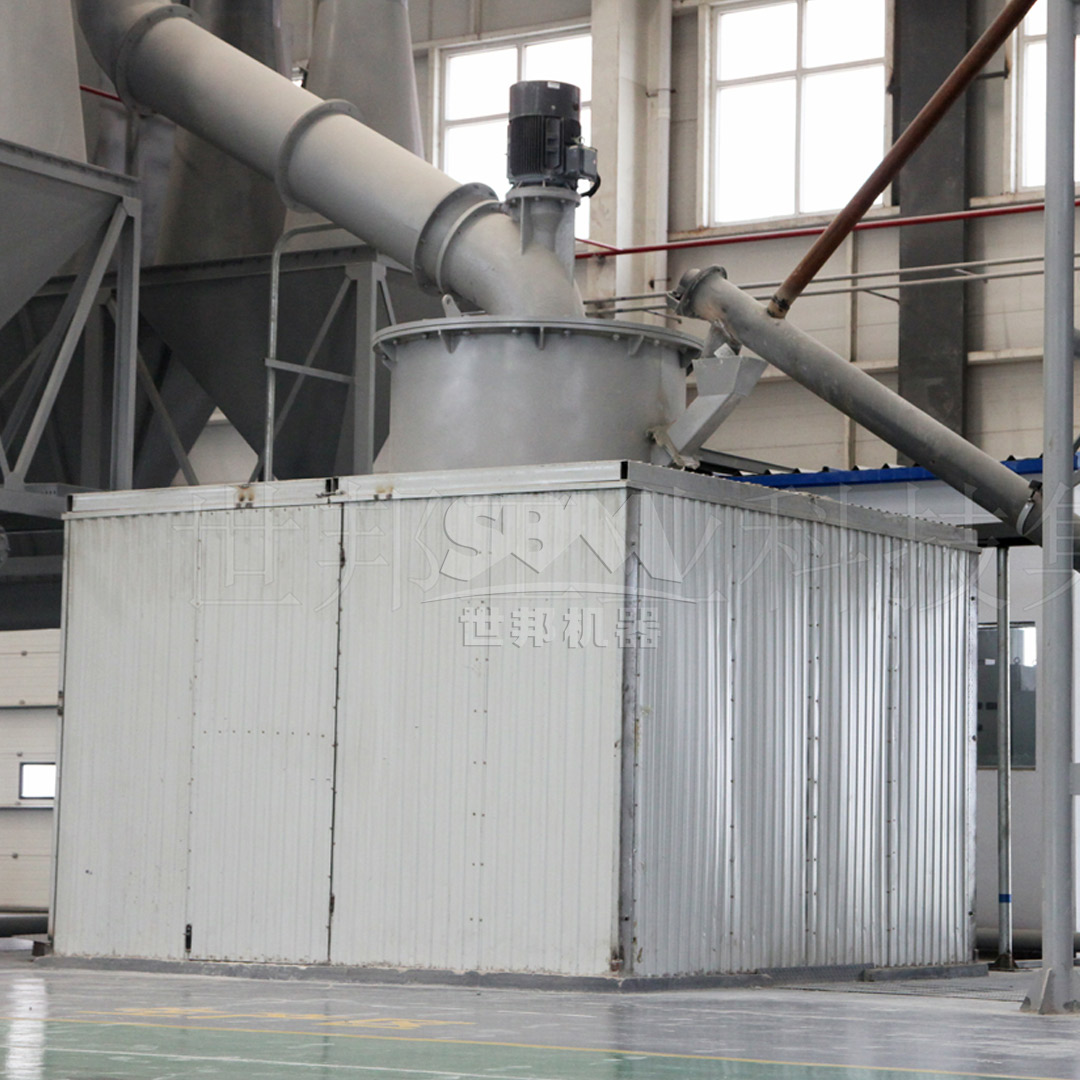
For producers aiming to supply the highest grade silica sand for advanced pipe pile formulations, we highly recommend our SCM Ultrafine Mill. Its advantages are particularly relevant:
- Exceptional Fineness and Uniformity: Capable of achieving D97 ≤ 5μm (2500 mesh), it produces silica powder with a very narrow size distribution, perfect for enhancing concrete density and strength.
- High Efficiency & Energy Saving: Compared to traditional jet mills, the SCM offers approximately double the capacity with 30% lower energy consumption for the same fineness, dramatically reducing operating costs.
- Durable Construction for Abrasive Materials: The grinding rollers and rings are made from special wear-resistant materials, extending service life multiple times over. The innovative bearing-less screw design in the grinding cavity enhances stability.
- Intelligent & Environmental Operation: It features smart control with automatic feedback on product size. The pulse dust collection system exceeds international standards, and soundproofing ensures noise levels below 75dB.
With models like the SCM1000 (1.0-8.5 ton/h, 132kW) or the larger SCM1680 (5.0-25 ton/h, 315kW), this mill can be scaled to match various production needs for premium ultrafine silica sand.
3.3. Other Grinding Technologies
- Ball Mills: The traditional workhorse for mineral grinding. While capable of producing fine silica sand, they are less energy-efficient, generate more heat, and offer less precise particle size control compared to VRMs and ultrafine mills. They are often used in older installations or where capital cost is a primary constraint.
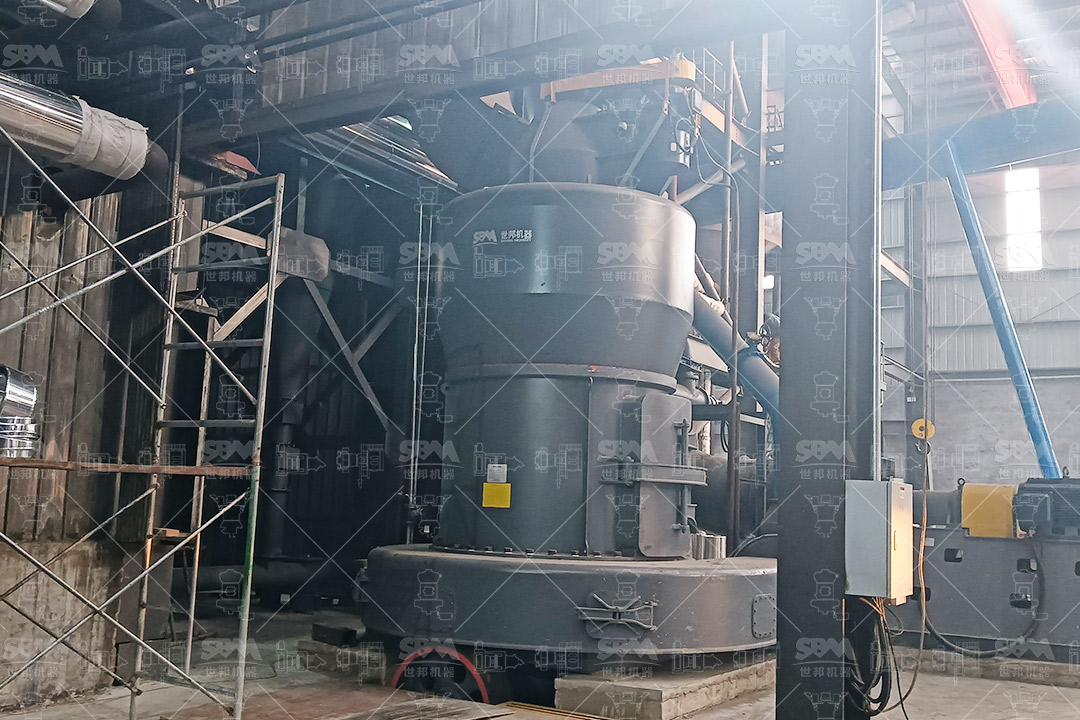
- Trapezium Mills (e.g., MTW/MTM Series): These are improved versions of Raymond mills, suitable for producing powder in the 45-325 mesh range. They offer good stability and are a reliable option for medium-scale production. The MTW Series, with its curved air duct and conical gear overall transmission, provides improved efficiency and is a solid contender for projects not requiring ultrafine outputs.
- Jet Mills: Use high-speed gas jets to achieve particle-on-particle impact grinding. They can produce very fine, contamination-free powder but have very high energy consumption and lower throughput, making them less economical for high-volume silica sand production.
4. Auxiliary and Supporting Equipment
A successful grinding plant is more than just a mill. Key supporting units include:
- High-Efficiency Classifiers: Whether integrated (as in VRMs and SCM mills) or standalone, classifiers like dynamic air classifiers are vital for separating fine product from coarse material that needs regrinding.
- Dust Collection Systems: Pulse-jet baghouse filters are essential to meet environmental standards, recover product, and ensure a clean working environment. Their efficiency directly impacts product yield.
- Feeding and Conveying Systems: Consistent and controlled feed is crucial for stable mill operation. Screw feeders, belt conveyors, and bucket elevators must be designed to handle abrasive silica.
- Process Control & Automation: Modern PLC-based control systems monitor and adjust mill parameters (feed rate, classifier speed, grinding pressure) in real-time to maintain consistent product quality and optimize energy use.
5. Conclusion: Selecting the Optimal Equipment Strategy
The production of finely ground silica sand for pipe piles is a technologically demanding process that balances product specifications, production capacity, and operational costs. For most modern, high-volume applications targeting the 30-325 mesh range, Vertical Roller Mills (LM Series) offer an unbeatable combination of efficiency, capacity, and control.
For manufacturers seeking to differentiate their product with ultra-high fineness silica flour (325-2500 mesh) that can significantly improve the performance characteristics of pipe pile concrete, investing in an SCM Series Ultrafine Mill is a forward-thinking strategic decision. Its superior grinding precision, energy savings, and reliability make it the ideal technological partner for producing premium raw materials for the next generation of construction foundations.
Ultimately, the choice of equipment should be based on a thorough analysis of the target market, required product portfolio, capital and operating expenditure frameworks, and a partnership with an equipment supplier that offers robust technology, comprehensive after-sales support, and deep process knowledge.