What Equipment is Used to Produce 325 Mesh Coal Gangue Powder?
Introduction to Coal Gangue Processing
Coal gangue, a solid waste generated during coal mining and washing processes, has traditionally been considered an environmental liability. However, with advanced processing technologies, this material can be transformed into valuable resources for construction, cement production, and other industrial applications. The key to unlocking this potential lies in efficient grinding equipment capable of producing fine powders, particularly at 325 mesh (approximately 45μm), which represents an optimal fineness for many industrial applications.
The production of 325 mesh coal gangue powder requires specialized milling equipment that can handle the material’s variable hardness and composition while achieving consistent particle size distribution. This article explores the technical requirements and equipment options for producing high-quality coal gangue powder at industrial scales.
Technical Requirements for 325 Mesh Coal Gangue Powder Production
Producing 325 mesh coal gangue powder presents several technical challenges that must be addressed by the grinding equipment:
Material Characteristics
Coal gangue typically contains varying proportions of clay minerals, sandstone, shale, and carbonaceous matter, resulting in inconsistent hardness and abrasiveness. The material may have a Mohs hardness ranging from 2 to 7, requiring equipment that can handle this variability without compromising performance.
Particle Size Distribution
For most applications, the target fineness is 325 mesh with a D97 value of ≤45μm. The particle size distribution should be narrow and consistent to ensure optimal performance in downstream processes. Equipment must provide precise classification capabilities to achieve this specification.
Production Capacity
Industrial-scale operations typically require production capacities ranging from 5 to 50 tons per hour, depending on the application. The equipment must maintain consistent output while handling the abrasive nature of coal gangue.
Energy Efficiency
Given the energy-intensive nature of fine grinding, equipment selection must prioritize energy efficiency to ensure economic viability. Modern grinding systems should offer significant advantages over traditional ball mills in terms of specific energy consumption.
Equipment Options for 325 Mesh Coal Gangue Powder Production
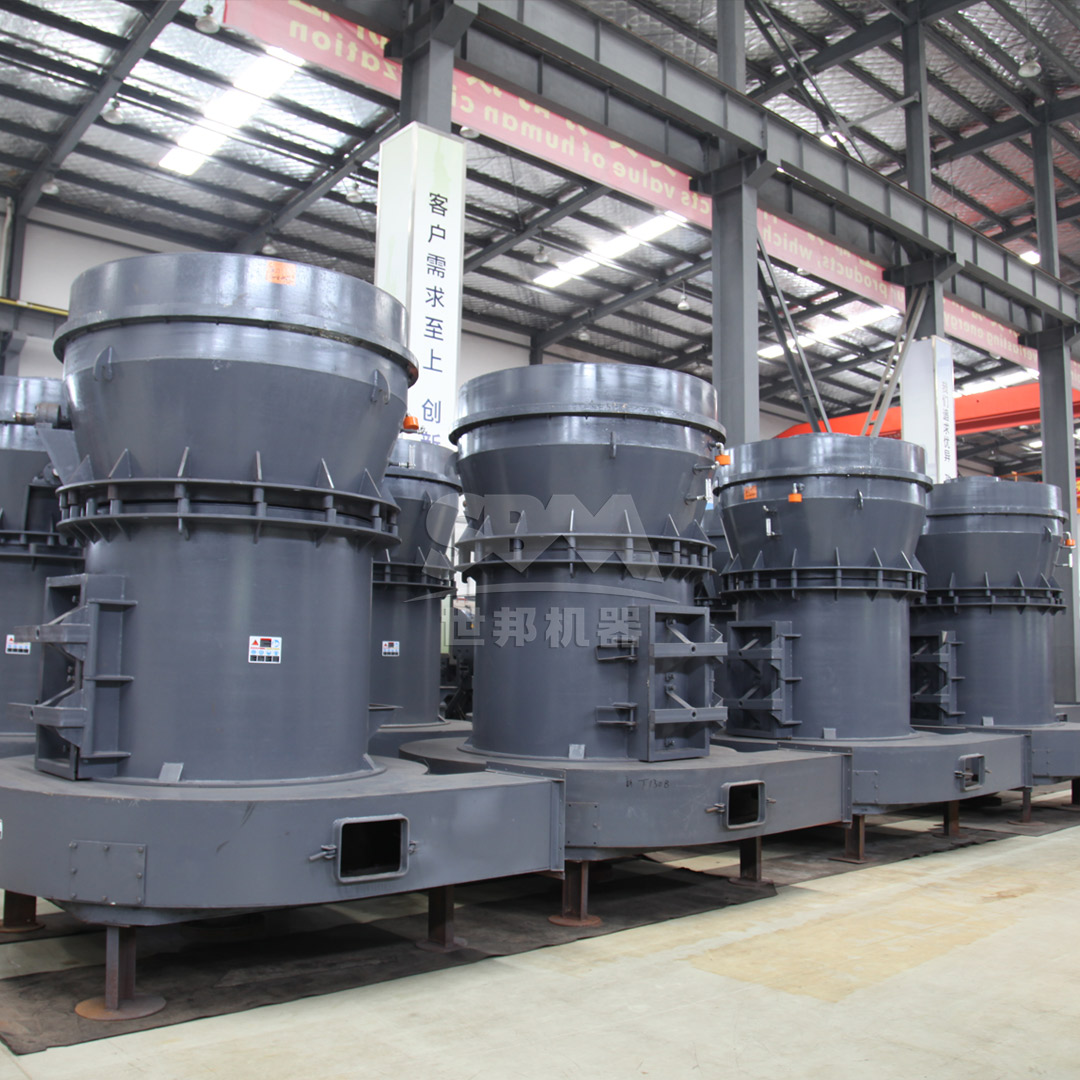
Several types of grinding equipment can be used for producing 325 mesh coal gangue powder, each with distinct advantages and limitations. The selection depends on factors such as production capacity, energy efficiency requirements, and capital investment constraints.
Ball Mills
Traditional ball mills have been widely used for mineral processing applications, including coal gangue grinding. These systems operate on the principle of impact and attrition as grinding media (steel balls) cascade inside a rotating cylinder. While ball mills can achieve 325 mesh fineness, they suffer from high energy consumption, significant wear, and relatively coarse classification capabilities.
Modern ball mills like the GMQG series offer capacities from 0.65 to 450 tons per hour with output fineness ranging from 0.074 to 0.8mm. However, for dedicated 325 mesh production, their efficiency is generally lower compared to more specialized equipment.
Vertical Roller Mills
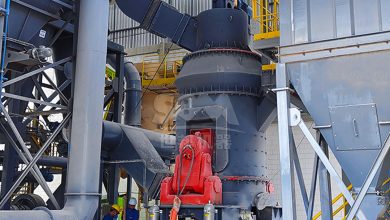
Vertical roller mills (VRMs) have gained popularity in recent years due to their superior energy efficiency and compact design. These systems utilize hydraulically pressurized grinding rollers that operate against a rotating grinding table. The material is ground by compression and shear forces, with integrated classification systems ensuring precise particle size control.
The LM Series Vertical Roller Mill represents a significant advancement in this category, offering output fineness from 30 to 325 mesh (with special models achieving 600 mesh) and capacities from 3 to 250 tons per hour. Key advantages include:
- Integrated crushing, grinding, and classification functions
- 50% reduction in footprint compared to ball mill systems
- 30-40% lower energy consumption than ball mills
- Ability for outdoor installation, reducing civil engineering costs
- Full negative pressure operation with dust emission <20mg/m³
For coal gangue specifically, the Vertical Coal Mill series (including models LM80M to LM280M) offers specialized solutions with capacities from 3 to 90 tons per hour and adjustable fineness control.
Recommended Solution: SCM Series Ultrafine Mill for 325 Mesh Coal Gangue
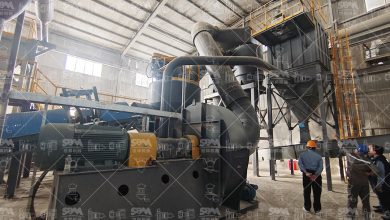
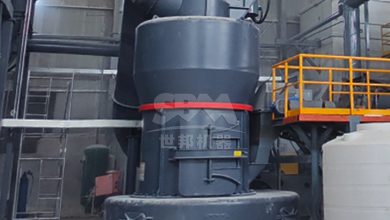
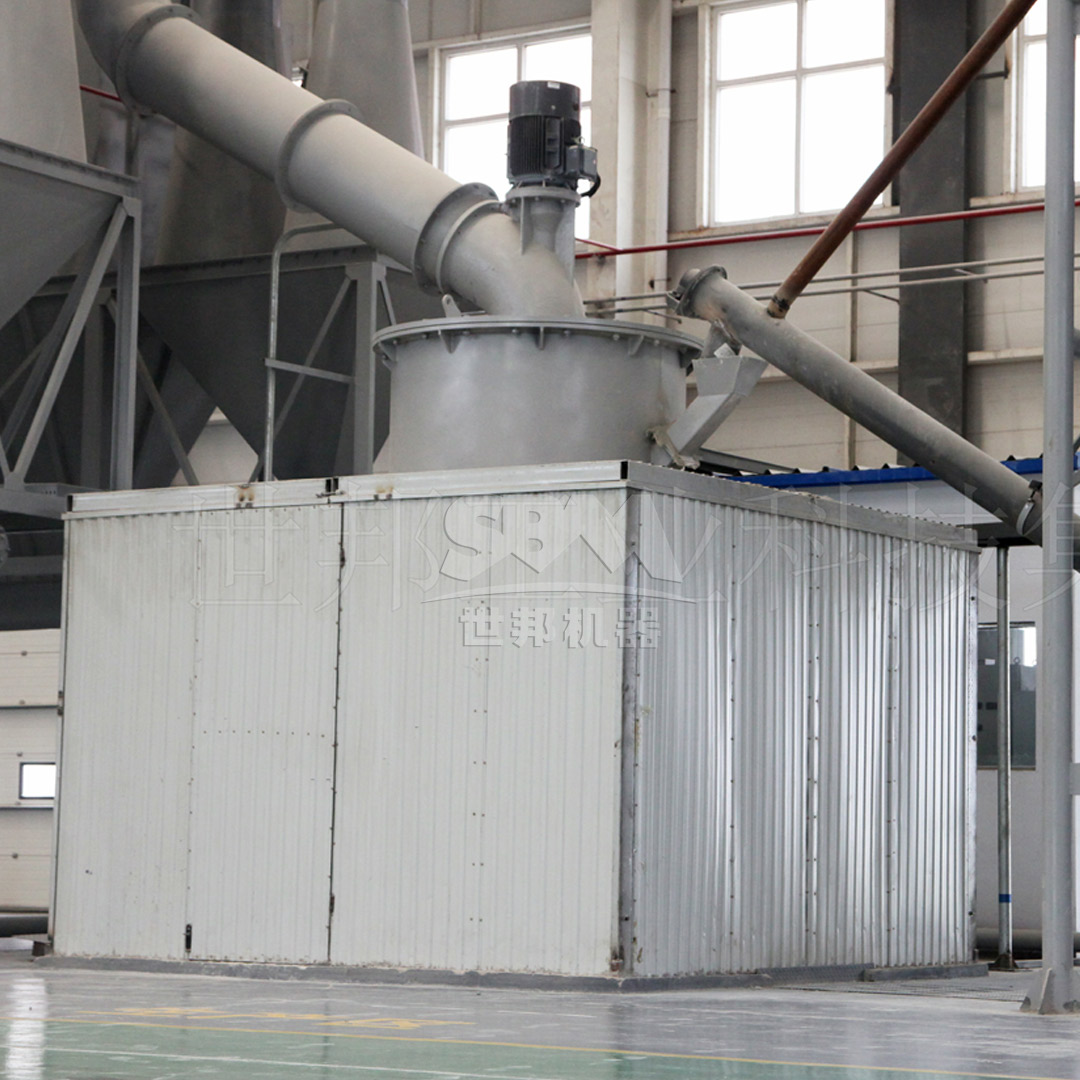
For operations specifically targeting 325 mesh coal gangue powder with potential for even finer products, the SCM Series Ultrafine Mill represents an optimal solution. This equipment is specifically engineered for high-efficiency production of fine and ultrafine powders with superior particle size distribution control.
Technical Specifications
The SCM Ultrafine Mill processes feed material with input size ≤20mm and produces output ranging from 325 to 2500 mesh (D97≤5μm). With capacity options from 0.5 to 25 tons per hour across different models (SCM800 to SCM1680), this equipment covers a wide range of production requirements.
Key Technological Advantages
The SCM Ultrafine Mill incorporates several advanced features that make it particularly suitable for coal gangue processing:
- High Efficiency and Energy Savings: With capacity twice that of jet mills and 30% lower energy consumption, the SCM series offers significant operational cost advantages. The intelligent control system provides automatic feedback on product fineness, ensuring consistent quality.
- High-Precision Classification: The vertical turbine classifier enables precise particle size cuts with no coarse powder contamination, resulting in uniform product quality essential for downstream applications.
- Durable Design: Specially manufactured roller and grinding ring materials extend service life several times over conventional designs. The bearing-free screw grinding chamber ensures stable operation even with abrasive materials like coal gangue.
- Environmental Compliance: With pulse dust collection efficiency exceeding international standards and noise levels ≤75dB, the SCM series meets stringent environmental requirements.
Working Principle
The SCM Ultrafine Mill operates through a multi-stage grinding process: the main motor drives three layers of grinding rings to rotate, dispersing material into the grinding path by centrifugal force. After roller compression and progressive grinding through multiple layers, the final powder is collected by a cyclone collector and pulse dust collection system.
Alternative Solution: MTW Series Trapezium Mill
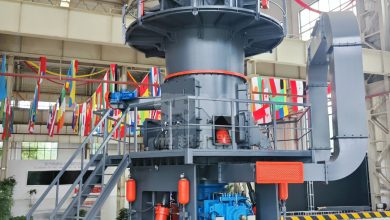
For operations requiring high-capacity production of 325 mesh coal gangue powder with potential for coarser products, the MTW Series Trapezium Mill offers an excellent alternative. This equipment processes feed material up to 50mm and produces output from 30 to 325 mesh (down to 0.038mm) with capacities ranging from 3 to 45 tons per hour.
Distinctive Features
The MTW Series incorporates several innovative design elements:
- Anti-Wear Shovel Design: Combined shovel blades reduce maintenance costs while curved design extends roller life.
- Optimized Air Channel: Curved air duct design reduces airflow energy loss and improves transmission efficiency with high-strength guard plates protecting the working surface.
- Integrated Bevel Gear Transmission: Achieving 98% transmission efficiency while saving space and reducing installation costs.
- Wear-Resistant Volute Structure: Non-clogging design improves air classification efficiency and reduces maintenance costs by 30%.
Working Principle
The main motor drives the grinding rollers to revolve around the central axis while rotating themselves to generate centrifugal force. Shovels throw material between the grinding ring and rollers to form a material layer, achieving efficient crushing through compression. The classification system precisely controls final product fineness.
Equipment Selection Considerations
When selecting equipment for 325 mesh coal gangue powder production, several factors should be considered:
Production Scale
For small to medium operations (under 10 tph), the SCM800 to SCM1000 models offer an ideal balance of performance and investment. For larger operations requiring 10-25 tph, the SCM1250 and SCM1680 models provide the necessary capacity. For even higher production requirements, the MTW Series (up to 45 tph) or LM Series Vertical Mills (up to 250 tph) may be more appropriate.
Product Value
When producing higher-value products where superior particle size distribution commands premium pricing, the SCM Series with its precise classification capabilities offers distinct advantages. For construction materials where cost efficiency is paramount, the MTW Series may represent a better balance of performance and investment.
Future Expansion
Modular designs like the SCM and MTW series allow for relatively straightforward capacity expansion as market demand grows. The standardized components and system architecture facilitate scaling operations without complete system replacement.
Conclusion
The production of 325 mesh coal gangue powder requires specialized grinding equipment that balances production efficiency, energy consumption, and product quality. While several equipment options exist, the SCM Series Ultrafine Mill stands out for its exceptional classification precision, energy efficiency, and ability to produce consistent high-quality powder. For operations requiring higher capacity with slightly less stringent fineness requirements, the MTW Series Trapezium Mill offers an excellent alternative with robust construction and operational economies.
As environmental regulations tighten and resource utilization becomes increasingly important, transforming coal gangue from waste to valuable resource represents both an economic opportunity and environmental responsibility. Selecting the appropriate grinding technology is crucial to realizing this potential while maintaining competitive operation.