What Equipment is Used to Grind Copper Matte? Which Grinding Mill is Better for Lead-Copper Matte Crushing and Grinding?
Introduction to Copper Matte and Its Processing Challenges
Copper matte, a crucial intermediate product in the pyrometallurgical extraction of copper, is a mixture of copper and iron sulfides (primarily Cu2S and FeS) produced during the smelting of copper concentrates. Its subsequent processing, which involves crushing and grinding to liberate valuable metals for further refining or leaching, presents unique challenges. The material is typically abrasive, moderately hard, and can vary in composition and moisture content. Selecting the right grinding equipment is paramount to achieving optimal liberation of copper and associated metals (like lead in lead-copper mattes), maximizing recovery rates, ensuring energy efficiency, and controlling operational costs. This article provides a comprehensive analysis of the equipment used for grinding copper matte and offers guidance on selecting the most suitable mill for lead-copper matte applications.
Key Considerations for Copper Matte Grinding
Before delving into specific equipment, it’s essential to understand the factors that influence mill selection for copper matte:
- Feed Size: Matte from smelting furnaces may be granulated or in larger lumps, requiring primary and sometimes secondary crushing before fine grinding.
- Target Product Fineness: The required fineness depends on the downstream process. Hydrometallurgical leaching (e.g., for copper recovery) often requires a finer grind (e.g., 80% passing 45-75 microns or even finer) to maximize surface area and reaction kinetics, while subsequent physical separation steps might have different specifications.
- Abrasiveness and Hardness: The iron sulfide content contributes to abrasiveness, demanding wear-resistant mill components.
- Capacity Requirement: This is dictated by the overall smelter or refinery throughput.
- Operational Costs: Energy consumption (kWh/ton) and maintenance costs (wear parts replacement) are major economic drivers.
- System Integration: The grinding circuit must integrate seamlessly with drying, classification, and dust collection systems.
Equipment Used for Copper Matte Crushing and Grinding
The processing chain typically involves stages of size reduction.
1. Primary and Secondary Crushing
For large matte pieces, robust crushers are employed:
- Jaw Crushers: Used for primary crushing to reduce large lumps to a manageable size (e.g., <150mm).
- Cone Crushers or Impact Crushers: Often used for secondary crushing to produce a feed (e.g., <30-50mm) suitable for grinding mills.
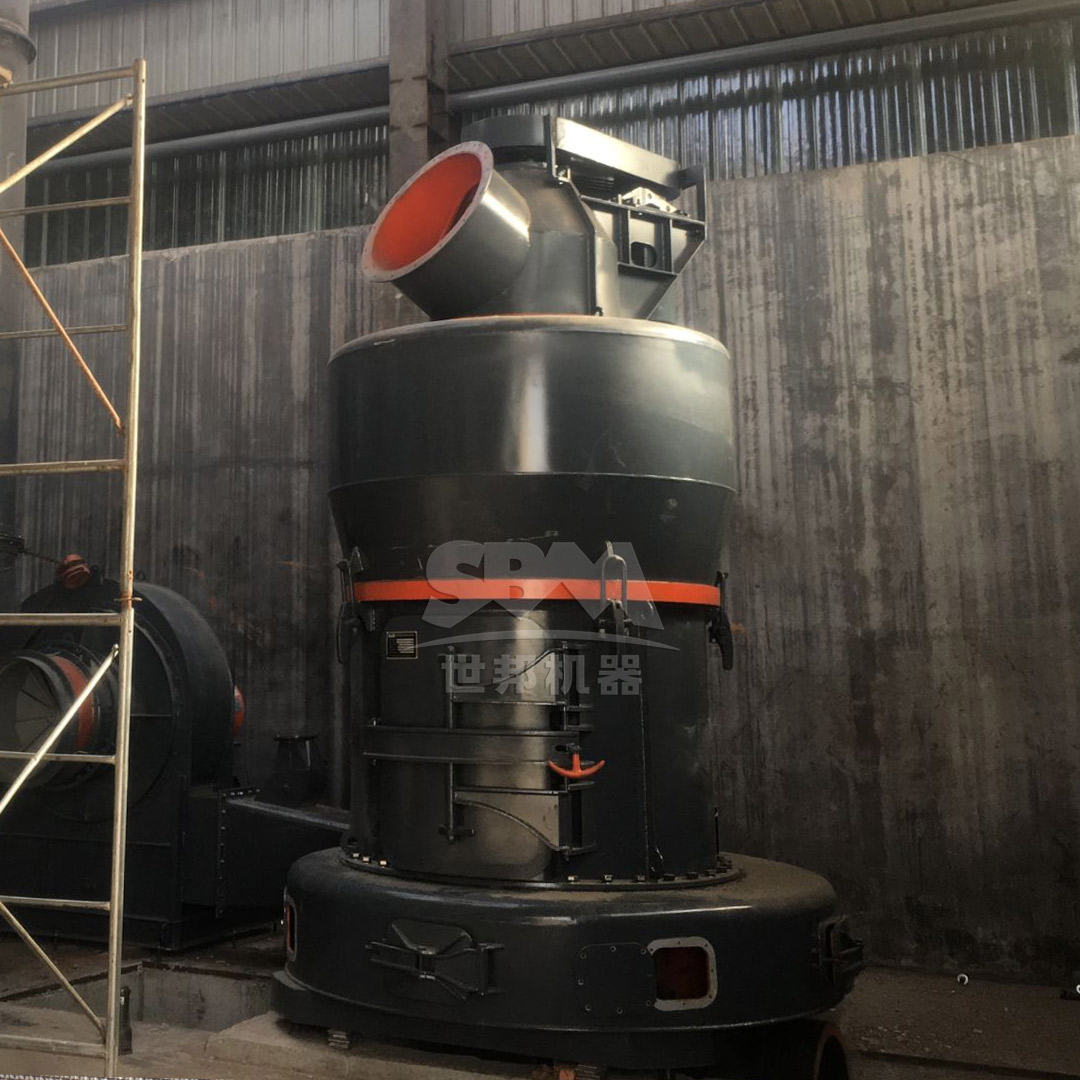
- Hammer Crushers/Hammer Mills: These are highly effective for intermediate crushing of brittle materials like matte. They offer a high reduction ratio in a single stage, can handle moderately wet feed, and produce a relatively uniform product size. For example, a Hammer Mill with high manganese steel hammers and liners can efficiently reduce matte to below 10mm, preparing it for fine grinding.
2. Fine Grinding Mills
This is the core of the liberation process. Several types of mills are used in the industry:
- Ball Mills: The traditional workhorse for mineral grinding. They are versatile, reliable, and can produce a wide range of product fineness. Wet ball milling is common in hydrometallurgical circuits. However, they are generally less energy-efficient than more modern grinding technologies, especially for finer grinds, and have higher media and liner wear rates.
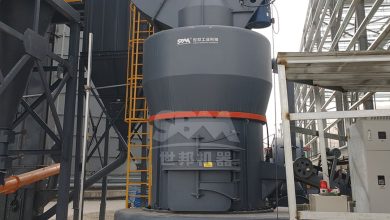
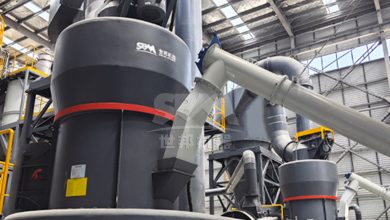
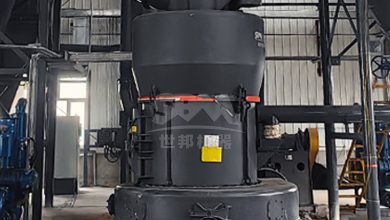
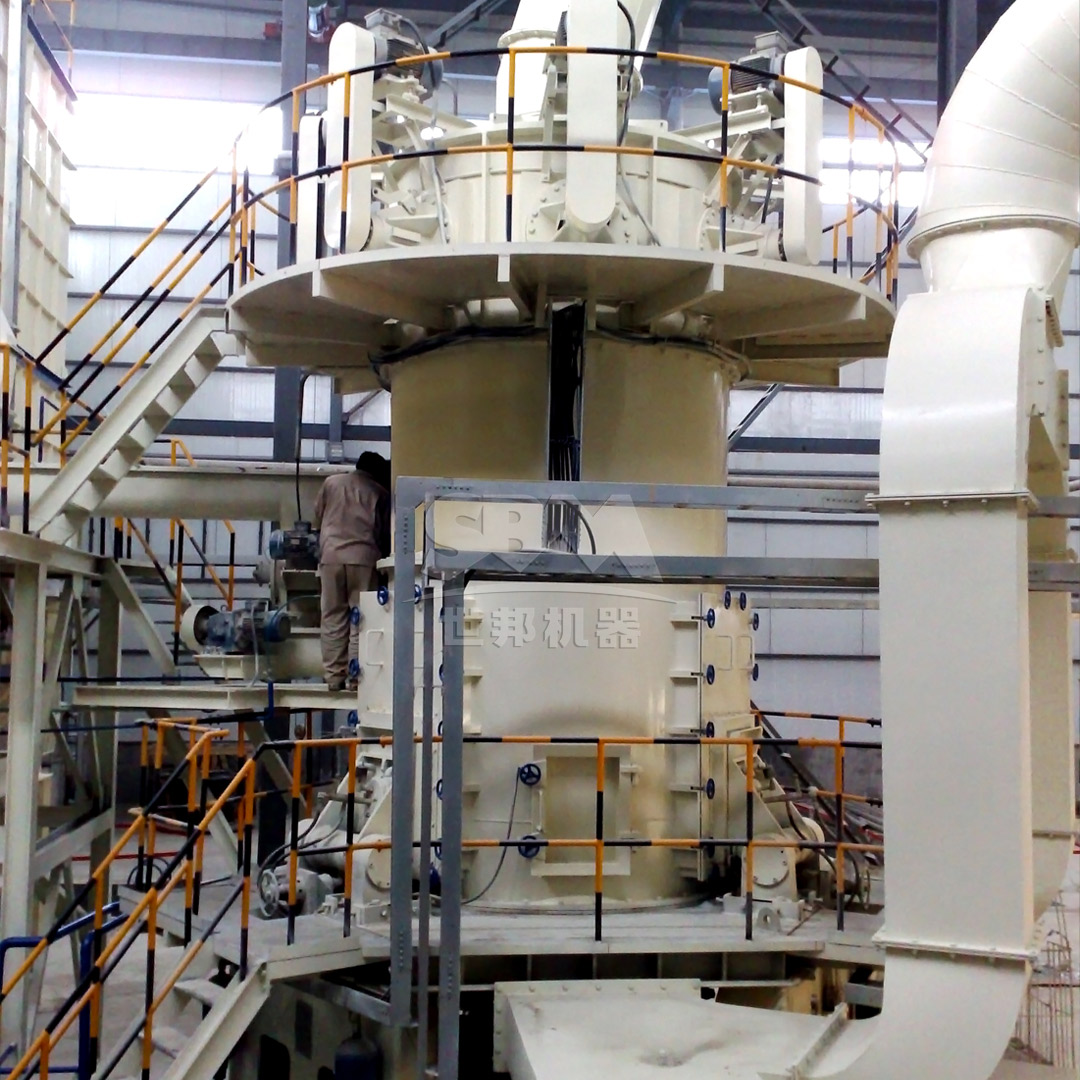
- Vertical Roller Mills (VRM): Increasingly popular in mineral processing due to their significant advantages in energy efficiency. They grind by applying pressure through rollers onto a rotating grinding table. VRMs are excellent for dry grinding applications and offer integrated drying, grinding, and classification in a single unit. Their energy consumption can be 30-50% lower than ball mills. The LM Series Vertical Roller Mill is a prime example of this technology. Its集约化设计 integrates multiple functions, reducing footprint by 50%. More importantly, its料床粉磨原理 (material bed grinding principle) and low运行成本, with能耗较球磨系统降低30-40%, make it a compelling choice for processing abrasive materials like copper matte. The磨辊与磨盘非接触设计 also enhances耐磨件寿命提升3倍. For lead-copper matte requiring fine grinding, models like the LM190K (output fineness 170-40μm/80-400目, capacity 23-68 t/h) or the finer LM190X-GX (成品细度325-600目, capacity 13-26 t/h) can be precisely configured to meet the target liberation size.
- Stirred Media Mills: Used for ultra-fine grinding (<20 microns). While not always the first choice for standard matte grinding, they could be relevant for specialized applications requiring extremely high liberation.
Selecting the Best Mill for Lead-Copper Matte
Lead-copper matte introduces additional complexity due to the presence of lead sulfides. The selection criteria become more stringent, emphasizing efficiency, controllability, and environmental protection.
Why Vertical Roller Mills are Often the Superior Choice
For modern, high-capacity plants processing lead-copper matte, Vertical Roller Mills offer distinct advantages over traditional ball mills:
- Energy Efficiency: This is the most significant factor. VRMs consume substantially less power per ton of product, leading to major operational cost savings.
- Superior Product Control: The integrated dynamic classifier allows for precise control over product fineness and particle size distribution (PSD). A tight PSD is beneficial for downstream leaching or flotation processes.
- Dry Grinding & Integrated Drying: VRMs can handle a certain moisture content in the feed and use hot gas for simultaneous drying and grinding. This eliminates the need for a separate dryer and is ideal for avoiding slurry formation if dry processing is preferred.
- Lower Wear Rates: The grinding principle (pressure rather than impact) and the possibility of using highly wear-resistant materials for rollers and table lead to lower specific wear rates compared to the impact/abrasion environment in a ball mill.
- Space and Layout Efficiency: VRMs have a much smaller footprint than a ball mill circuit of equivalent capacity.
- Environmental Compliance: VRMs operate under negative pressure, ensuring全密封负压运行 with粉尘排放<20mg/m³. This is critical when handling materials containing lead to protect worker health and meet environmental standards. The运行噪音≤80dB(A) also contributes to a better working environment.
Case for Ultra-Fine Grinding: The SCM Ultrafine Mill
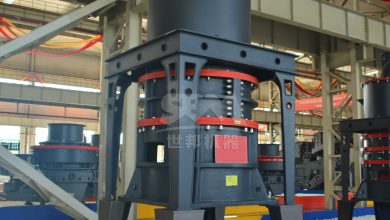
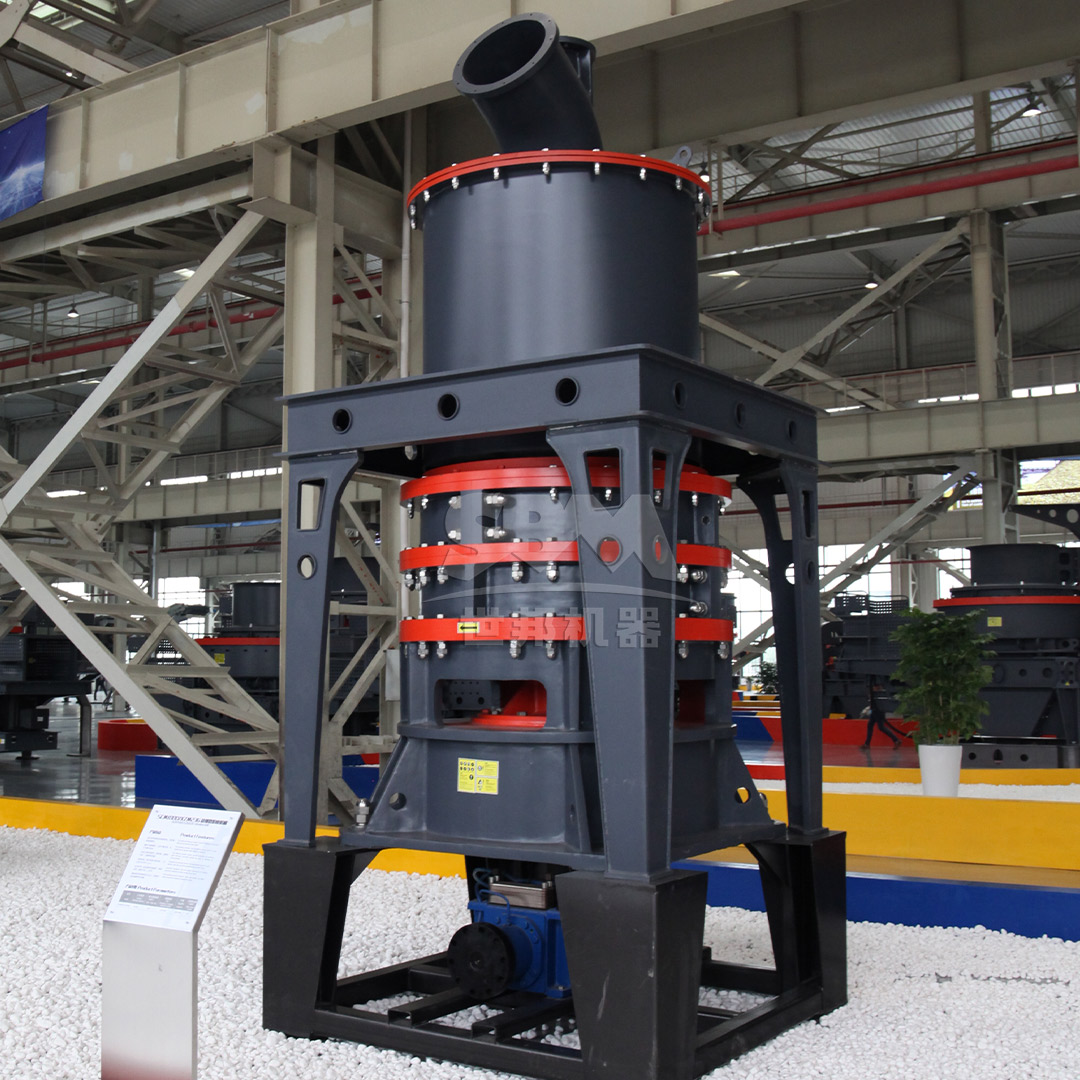
In some advanced hydrometallurgical flowsheets, particularly those aiming for exceptionally high recovery rates of copper and associated metals from complex mattes, an ultra-fine grind may be specified. For target fineness in the range of 325-2500目 (D97 ≤5μm), traditional mills are unsuitable. In this scenario, the SCM Ultrafine Mill emerges as the specialized solution. This mill is engineered for high-precision, ultra-fine powder production. Its核心优势 lies in its高效节能 design, offering产能为气流磨2倍 while能耗降低30%. The高精度分级 system, featuring a vertical turbine classifier, ensures精准粒度切割 with无粗粉混入, resulting in成品均匀. This is vital for consistent leaching performance. For pilot-scale or dedicated fine-grinding circuits of lead-copper matte concentrates, a model like the SCM1000 (处理量1.0-8.5ton/h, 成品细度325-2500目) provides the necessary capability. Its耐用设计 with特殊材质辊轮与磨环 ensures it can handle the abrasive nature of the feed.
Conclusion and Recommendation
The choice of equipment for grinding copper and lead-copper matte is not one-size-fits-all. It requires a careful balance of technical requirements and economic considerations. For primary and secondary crushing, robust jaw, cone, or hammer crushers are standard. For the critical fine-grinding stage, the industry is moving decisively towards more efficient technologies.
For most industrial-scale applications aiming for product fineness between 30-400目, the LM Series Vertical Roller Mill (VRM) stands out as the technologically advanced and economically superior choice. Its unparalleled energy efficiency, precise product control, integrated drying capability, and excellent environmental performance make it ideally suited for processing abrasive materials like lead-copper matte. It represents a future-proof investment that lowers operating costs and enhances process stability.
For specialized applications demanding ultra-fine grinding into the micron and sub-micron range to unlock maximum metal value, the SCM Ultrafine Mill is the definitive technical solution, offering unmatched fineness control and energy efficiency in its class.
Ultimately, partnering with an experienced supplier who can provide detailed test work, circuit design, and the right mill technology—such as the advanced LM or SCM series—is key to optimizing the crushing and grinding circuit for copper and lead-copper matte, ensuring high recovery, low costs, and sustainable operation.