What Equipment is Used for Producing High-Calcium Stone Powder and How Does It Work?
Introduction to High-Calcium Stone Powder Production
High-calcium stone powder, primarily derived from limestone, marble, and other calcium-rich minerals, is a crucial raw material in numerous industries including construction, pharmaceuticals, plastics, paints, and agriculture. The production of high-quality calcium powder requires specialized grinding equipment capable of achieving precise particle size distributions while maintaining operational efficiency and environmental compliance. This comprehensive guide explores the various types of machinery used in high-calcium stone powder production and their working mechanisms.
Key Equipment in High-Calcium Stone Powder Production
1. Crushers: The Primary Size Reduction Stage
Before the fine grinding process can begin, raw high-calcium stone must be reduced to manageable sizes. Jaw crushers and hammer mills serve as the primary crushing equipment, breaking down large quarry stones into smaller fragments typically under 50mm in diameter.
Hammer mills, in particular, are highly effective for preliminary size reduction of high-calcium materials. These machines utilize high-speed rotating hammers that impact and shatter the incoming stone against hardened liners. The resulting material, with particle sizes typically ranging from 0-3mm to 0-8mm depending on the screen configuration, provides an ideal feed stock for subsequent fine grinding operations.

2. Grinding Mills: The Core of Powder Production
The grinding stage is where the actual transformation of crushed stone into fine powder occurs. Different types of mills are employed based on the required fineness, production capacity, and specific application requirements.
Ball Mills
Ball mills represent one of the most traditional approaches to stone powder production. These rotating cylinders contain grinding media (typically steel balls) that cascade and impact the material, gradually reducing it to finer particles. While ball mills can handle a wide range of materials and produce powders in the 0.074-0.8mm range, they are generally less energy-efficient for ultra-fine grinding applications and may generate more heat, which can affect the quality of heat-sensitive calcium compounds.
Vertical Roller Mills
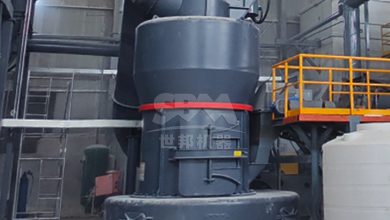
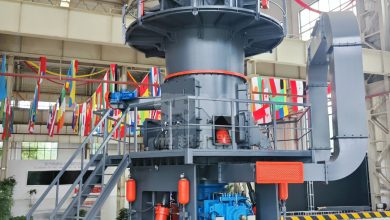
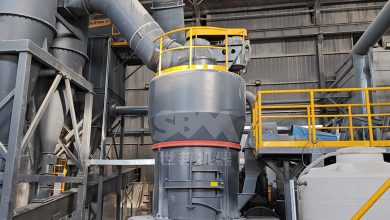
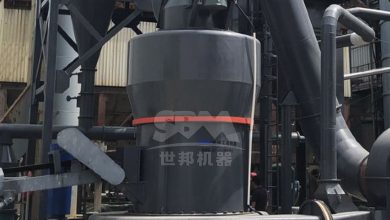
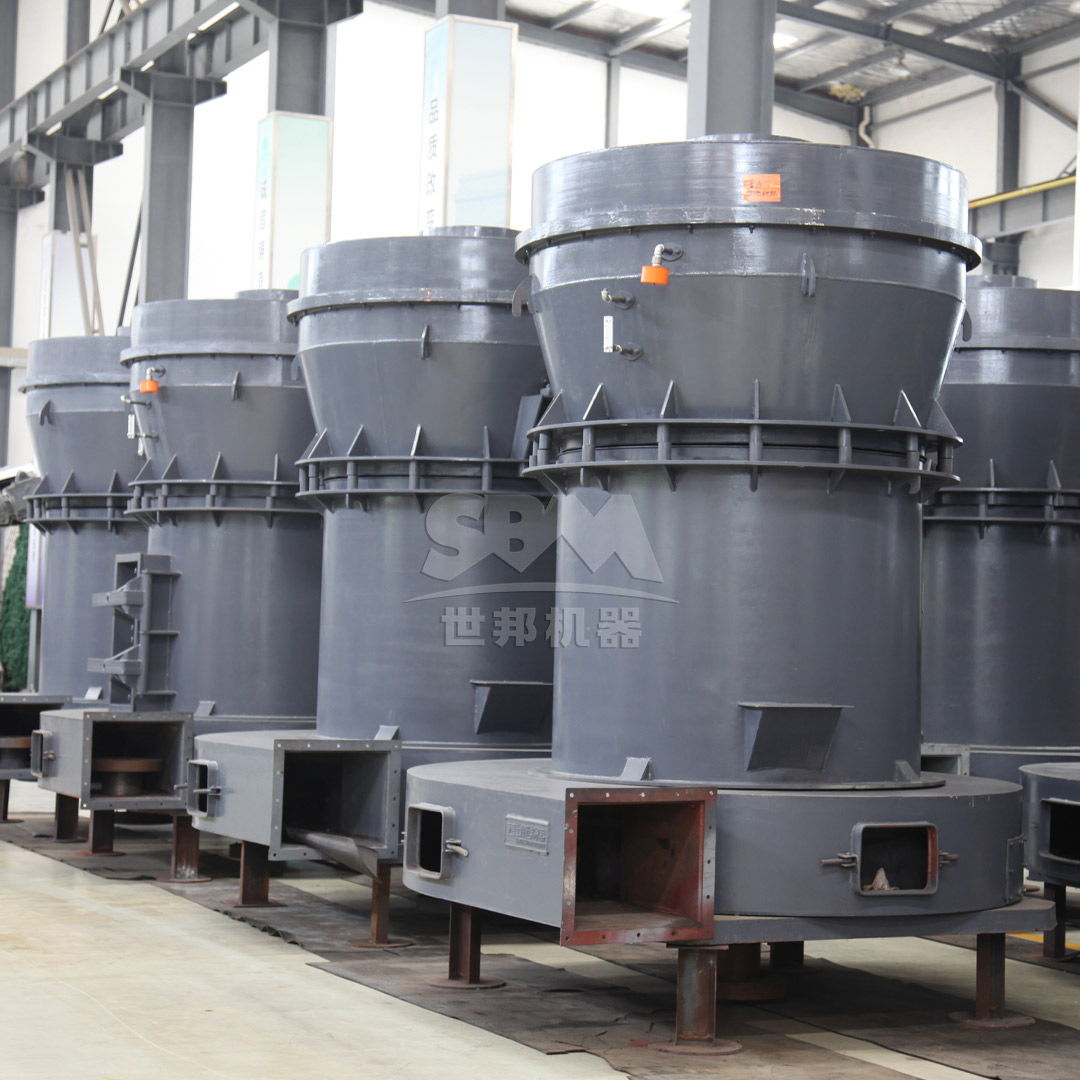
Vertical roller mills have gained significant popularity in high-calcium stone powder production due to their excellent energy efficiency and compact design. In these systems, material is fed onto a rotating grinding table where rollers apply pressure, crushing the particles through a bed-compaction mechanism. The ground material is then transported by air to a classifier for size separation.
Our LM Series Vertical Roller Mill represents the pinnacle of vertical grinding technology for high-calcium stone applications. With its integrated crushing, grinding, and separation functions, this system reduces footprint requirements by 50% while lowering energy consumption by 30-40% compared to traditional ball mill systems. The LM series offers exceptional flexibility, producing powders ranging from 30-325 mesh (special models up to 600 mesh) with capacities from 3-250 tons per hour. The intelligent control system enables remote operation and real-time monitoring, while full negative pressure operation ensures dust emissions remain below 20mg/m³.

Trapezium Mills
Trapezium mills offer a balanced solution for medium to fine grinding of high-calcium stones. These mills feature a unique grinding chamber design where rollers and rings create multiple grinding zones, ensuring efficient particle size reduction. The MTW Series European Trapezium Mill, with its advanced curved air duct and wear-resistant shovel design, provides exceptional performance for producing high-calcium powders in the 30-325 mesh range.
Ultrafine Grinding Mills
For applications requiring the finest particle sizes, ultrafine grinding mills are essential. These specialized systems can produce high-calcium stone powders with D97 particle sizes as fine as 5μm (2500 mesh), making them ideal for high-value applications in plastics, paints, and advanced materials.
Our SCM Series Ultrafine Mill stands as a technological leader in ultrafine high-calcium powder production. This advanced system achieves remarkable fineness levels of 325-2500 mesh (D97≤5μm) with throughput capacities ranging from 0.5-25 tons per hour depending on the model. The SCM mill incorporates a vertical turbine classifier that ensures precise particle size cuts without coarse powder contamination. Its energy-efficient design delivers twice the production capacity of jet mills while reducing energy consumption by 30%. Special material rollers and grinding rings extend service life significantly, while the pulse dust collection system exceeds international environmental standards.
The Production Process: From Raw Stone to Fine Powder
Stage 1: Raw Material Preparation
High-calcium stone from quarries undergoes initial crushing to reduce particle size to approximately 20-50mm, depending on the grinding equipment requirements. This preliminary size reduction improves handling efficiency and prepares the material for consistent feeding into the grinding system.
Stage 2: Grinding and Classification
The heart of the powder production process involves simultaneous grinding and classification. In vertical roller mills, for instance, the prepared raw material enters through the center feed chute onto the rotating grinding table. Centrifugal force distributes the material evenly across the grinding track where rollers apply substantial pressure, implementing the bed-compaction principle for efficient size reduction.
As grinding occurs, a stream of air carries the ground particles upward to an integrated classifier. This critical component separates particles based on size, allowing properly sized material to proceed while returning oversized particles to the grinding zone for further processing. Modern classifiers employ advanced turbine designs with adjustable rotor speeds to precisely control the final product fineness.
Stage 3: Product Collection and Dedusting
Once the high-calcium stone particles reach the target size, they pass through the classifier and enter the product collection system. Cyclone collectors efficiently separate the majority of the powder from the transport air, while baghouse filters or pulse-jet dust collectors capture the remaining fine particles to ensure comprehensive product recovery and environmental compliance.
Critical Technical Considerations for High-Calcium Stone Powder Production
Particle Size Distribution Control
The performance of high-calcium stone powder in its final application heavily depends on precise particle size distribution. Modern grinding systems incorporate advanced classification technology that enables tight control over the top size (D100) and the proportion of fine particles. For the SCM Ultrafine Mill, the vertical turbine classifier ensures no coarse powder contamination, producing exceptionally uniform products ideal for demanding applications.
Energy Efficiency Optimization
Grinding operations typically represent the most energy-intensive stage in powder production. Equipment selection directly impacts operational costs, with modern vertical roller mills and ultrafine grinding systems offering significant advantages over traditional technologies. The LM Series Vertical Roller Mill, for example, reduces specific energy consumption by 30-40% compared to ball mill systems, while the SCM Ultrafine Mill operates with 30% lower energy requirements than conventional jet mills.
Wear Part Management
The abrasive nature of high-calcium stone necessitates careful consideration of wear part materials and designs. Advanced grinding systems employ specially formulated alloys for grinding elements, with some configurations offering 3x longer service life compared to standard materials. The MTW Series Trapezium Mill features innovative wear-resistant shovel designs and curved grinding paths that significantly extend component lifespan while reducing maintenance requirements.
Environmental Compliance
Modern powder production equipment must address multiple environmental considerations including dust emissions, noise levels, and overall energy footprint. Leading systems like the LM Series Vertical Roller Mill operate under full negative pressure, ensuring dust emissions remain below 20mg/m³, while integrated noise reduction technologies maintain operational sound levels below 80dB(A). Similarly, the SCM Ultrafine Mill incorporates advanced pulse-jet dust collection with efficiency exceeding international standards and noise levels controlled to ≤75dB through comprehensive acoustic engineering.
Equipment Selection Guide for Different Applications
Construction Materials (100-325 mesh)
For standard construction applications including dry-mix mortars, joint compounds, and asphalt fillers, the MTW Series Trapezium Mill offers an optimal balance of performance, efficiency, and operational flexibility. With output fineness adjustable between 30-325 mesh and capacities ranging from 3-45 tons per hour, this system meets the requirements of most construction material producers.
Industrial Fillers (400-1250 mesh)
High-value industrial applications in plastics, paints, and rubber compounds typically require finer high-calcium stone powders with tight particle size distributions. The LM Series Vertical Fine-powder Mill (LM-X models) specifically addresses this market segment, producing powders in the 325-600 mesh range with excellent particle morphology and surface characteristics.
Specialty Applications (1250-2500 mesh)
For the most demanding applications requiring ultrafine high-calcium stone powders, including advanced composites, pharmaceutical excipients, and specialty chemicals, the SCM Series Ultrafine Mill delivers unparalleled performance. With the capability to produce powders as fine as 2500 mesh (D97≤5μm), this system represents the cutting edge of fine grinding technology.
Conclusion
The production of high-calcium stone powder has evolved significantly with advancements in grinding technology. From traditional ball mills to sophisticated vertical roller mills and ultrafine grinding systems, modern equipment offers unprecedented control over product characteristics while improving energy efficiency and environmental performance. When selecting equipment for high-calcium stone powder production, considerations should include the target particle size distribution, required production capacity, energy efficiency targets, and specific application requirements. With proper equipment selection and process optimization, producers can create high-value calcium powder products that meet the exacting standards of diverse industrial applications.