
What equipment is used for grinding construction waste and what are the applications of the processed powder?
Introduction
The construction industry generates massive amounts of waste materials annually, including concrete, bricks, tiles, and asphalt. Traditionally, these materials ended up in landfills, causing environmental concerns and resource depletion. However, with advanced grinding technology, construction waste can be transformed into valuable powder products with diverse applications. This article explores the equipment used for grinding construction waste and the extensive applications of the resulting powder.
Construction Waste Characteristics and Pre-processing
Before grinding, construction waste requires proper pre-processing. The material typically contains concrete fragments, bricks, ceramics, and occasionally metal reinforcements. Pre-processing involves several stages:
Sorting and Separation
Construction waste must be sorted to remove contaminants like wood, plastic, and metals. Magnetic separators effectively remove ferrous metals, while air classifiers and manual sorting handle non-ferrous materials.
Primary Crushing
Large concrete blocks and bricks need primary crushing to reduce size before fine grinding. Jaw crushers and impact crushers are commonly used for this stage, reducing materials to 30-50mm particles suitable for grinding equipment.
Grinding Equipment for Construction Waste
Various grinding machines are available for processing construction waste, each with unique capabilities and output specifications.
Vertical Roller Mills
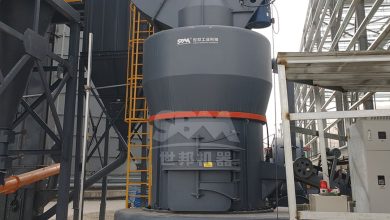
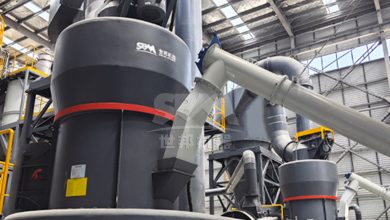
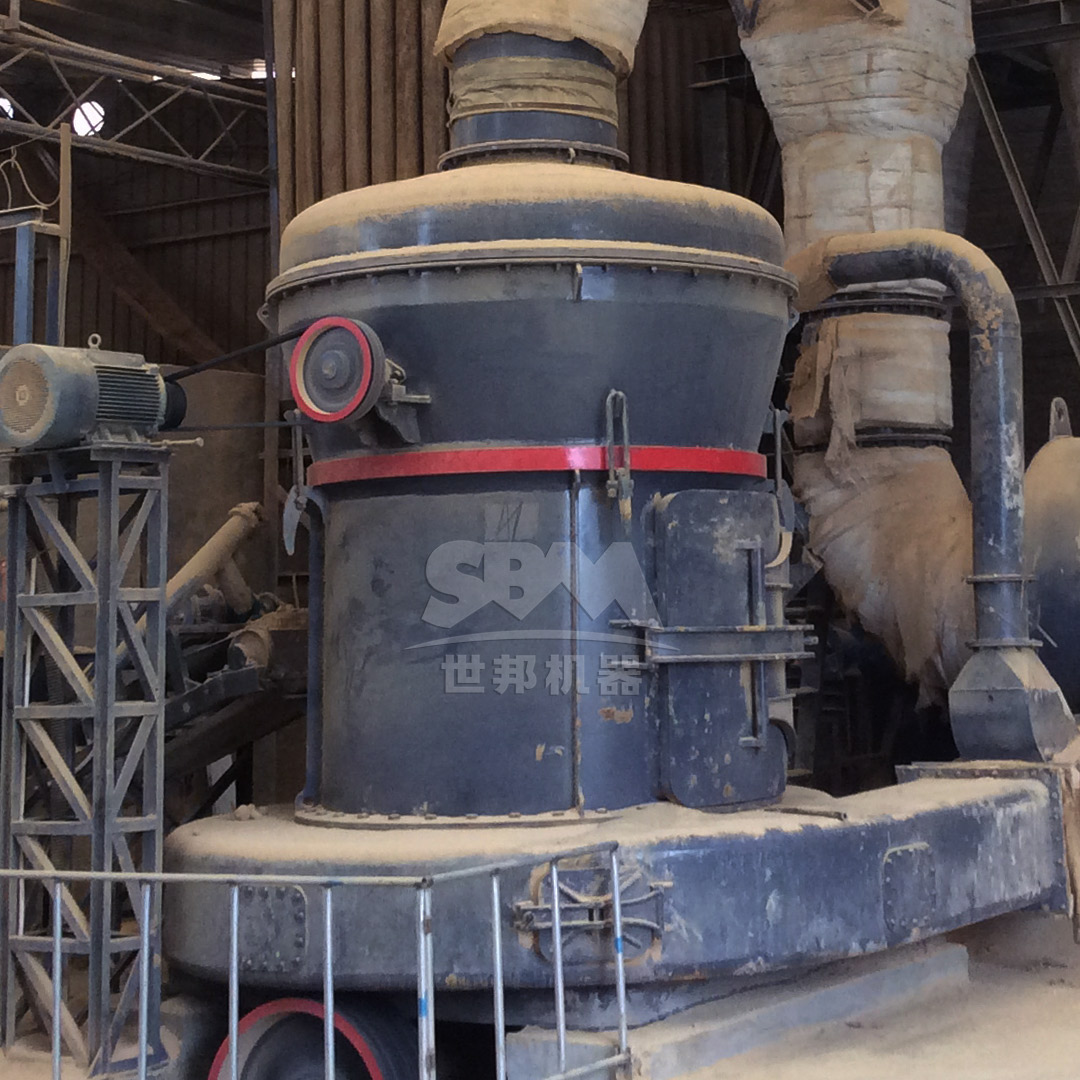
Vertical roller mills are highly efficient for grinding construction waste due to their integrated crushing, grinding, and classification capabilities. They handle materials up to 50mm in size and produce powder ranging from 30-325 mesh (600-45μm).
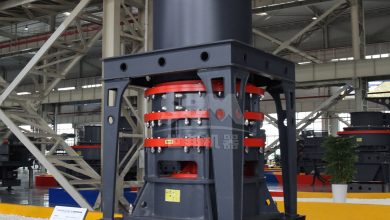
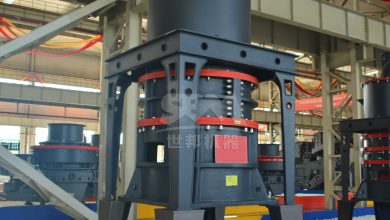
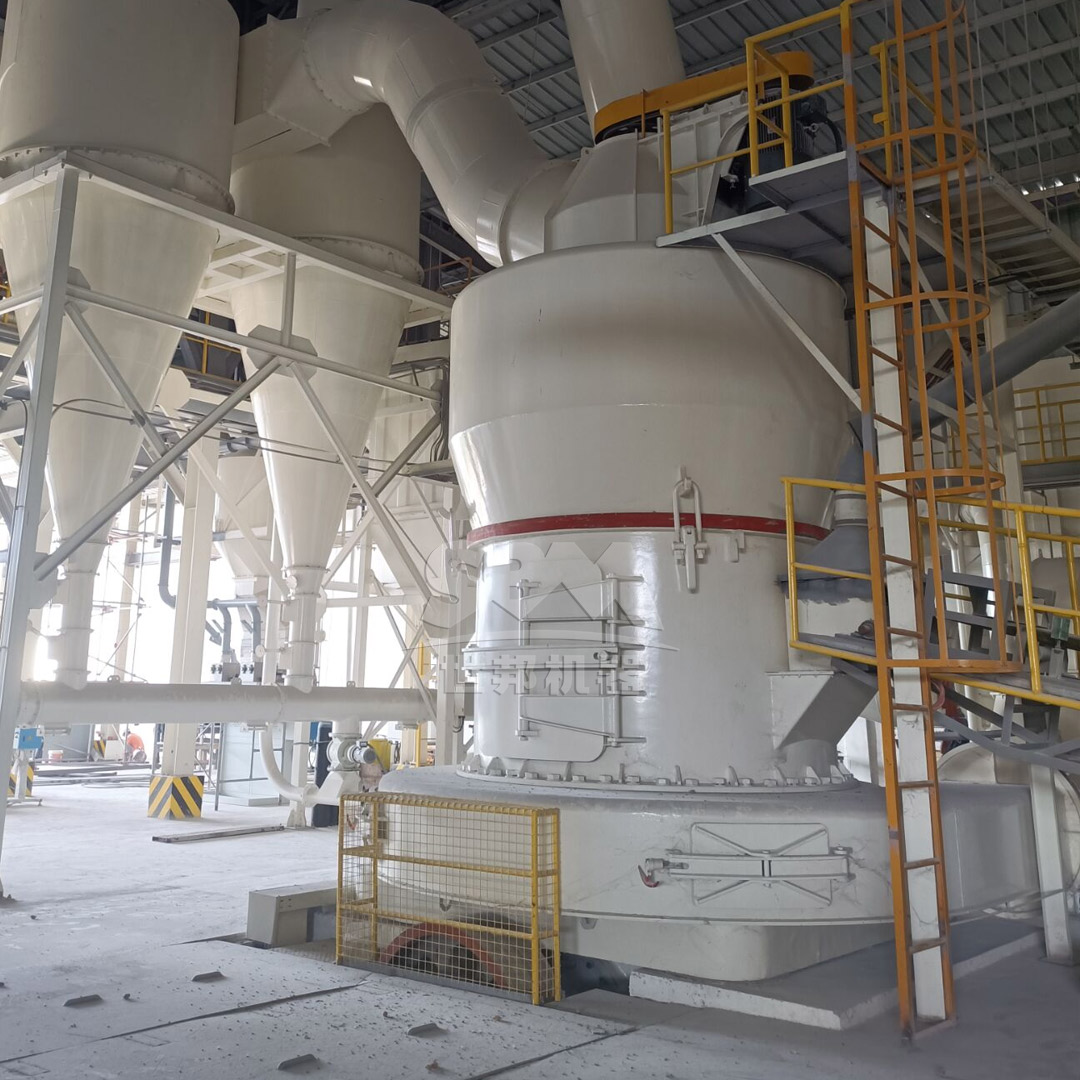
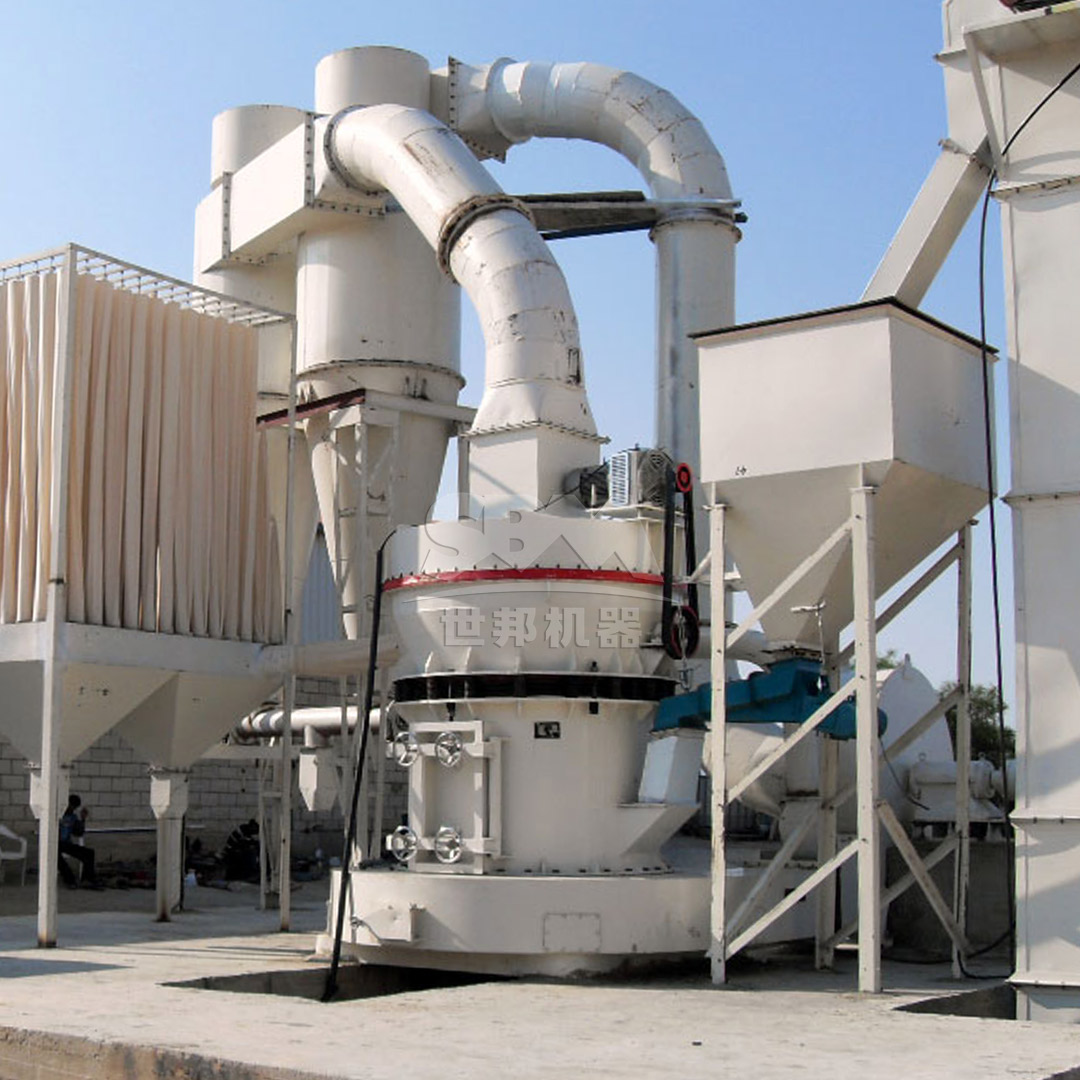
For construction waste applications requiring medium to fine powder, the MTW Series Trapezium Mill offers exceptional performance. With input sizes up to 50mm and output fineness ranging from 30-325 mesh (down to 0.038mm), this equipment handles 3-45 tons per hour depending on the model. Its anti-wear shovel design and curved air duct optimization significantly reduce maintenance costs while improving transmission efficiency. The integrated cone gear transmission system achieves 98% efficiency, making it ideal for large-scale construction waste recycling operations.
Ultrafine Grinding Mills
When ultra-fine powder is required, specialized equipment like the SCM Series Ultrafine Mill delivers outstanding results. This mill processes materials up to 20mm and produces powder with fineness ranging from 325-2500 mesh (D97≤5μm), with capacities from 0.5-25 tons per hour. The vertical turbine classifier ensures precise particle size distribution without coarse powder contamination. Its energy-efficient design provides twice the capacity of jet mills while reducing energy consumption by 30%. The special material rollers and grinding rings extend service life significantly, making it perfect for producing high-value additives from construction waste.
Ball Mills
Ball mills represent traditional grinding technology, suitable for producing powder in the range of 0.074-0.8mm. They offer both dry and wet processing modes with capacities reaching 450 tons per hour for larger models. The high crushing ratio of 300:1 and continuous fineness adjustment make them versatile for various construction waste applications.
Hammer Mills
Hammer mills provide efficient crushing and grinding for construction waste requiring 0-3mm output. With high capacity and crushing ratio, they handle input sizes up to 40mm. Their compact structure reduces installation space and investment costs, while high-manganese steel wear plates extend service life.
Technical Considerations for Equipment Selection
Selecting appropriate grinding equipment depends on several factors:
Material Hardness and Abrasiveness
Construction waste materials vary in hardness, with concrete typically having higher abrasiveness than bricks. Equipment with wear-resistant components is essential for economic operation.
Required Product Fineness
The intended application determines the necessary powder fineness. Coarser powders for aggregate replacement require different equipment than ultra-fine powders for cementitious applications.
Production Capacity Requirements
Project scale influences equipment selection, ranging from small mobile units for specific projects to large stationary plants serving regional markets.
Energy Efficiency and Operating Costs
Modern grinding equipment incorporates energy-saving features that significantly reduce operational expenses while maintaining high output quality.
Applications of Processed Construction Waste Powder
The powder produced from grinding construction waste finds numerous applications across various industries:
Construction Materials Manufacturing
Processed construction waste powder serves as raw material for new construction products:
Concrete Production
Fine powder from concrete waste can replace natural sand as fine aggregate or serve as supplementary cementitious material when properly processed. Research shows that replacing up to 30% of natural sand with recycled concrete powder maintains concrete strength while reducing environmental impact.
Brick and Block Manufacturing
Powdered construction waste mixed with binding agents produces eco-friendly bricks and blocks. These products offer comparable strength to conventional materials while utilizing waste resources.
Road Base and Sub-base Materials
Coarser fractions of ground construction waste provide excellent material for road construction layers, offering good compaction characteristics and drainage properties.
Agricultural Applications
Certain types of construction waste powder find use in agriculture:
Soil Amendment
Brick and tile powder can improve soil structure and drainage when mixed with clay soils. The mineral content provides essential trace elements for plant growth.
pH Regulation
Concrete powder’s alkaline nature helps neutralize acidic soils, reducing the need for commercial lime applications.
Industrial Applications
Specialized applications leverage the unique properties of construction waste powder:
Fillers in Composite Materials
Fine powder serves as cost-effective filler in plastics, rubber, and other composite materials, reducing production costs while maintaining product quality.
Absorbent Materials
Certain construction waste powders exhibit good absorption properties, useful in spill control and filtration applications.
Quality Control and Standards
Ensuring consistent quality in processed construction waste powder requires adherence to established standards:
Particle Size Distribution
Consistent grinding produces powder with controlled particle size distribution, critical for specific applications. Modern classification systems in grinding equipment maintain tight tolerances.
Chemical Composition
Regular testing ensures the powder meets chemical requirements for intended applications, particularly regarding harmful substance content.
Physical Properties
Density, absorption, and strength characteristics must comply with relevant industry standards for each application.
Economic and Environmental Benefits
The grinding of construction waste offers significant advantages:
Resource Conservation
Reusing construction waste reduces demand for virgin materials, conserving natural resources and reducing quarrying activities.
Waste Reduction
Diverting construction waste from landfills extends landfill lifespan and reduces environmental contamination risks.
Economic Opportunities
Construction waste recycling creates business opportunities in collection, processing, and product manufacturing, contributing to circular economy development.
Carbon Footprint Reduction
Using recycled powder reduces energy consumption compared to virgin material extraction and processing, lowering overall carbon emissions.
Future Trends and Innovations
The construction waste grinding industry continues evolving with several promising developments:
Mobile Grinding Solutions
Compact, mobile grinding units enable on-site processing, reducing transportation costs and enabling immediate reuse of materials.
Advanced Separation Technologies
Improved sorting and separation technologies enhance material purity, increasing the value and applications of processed powder.
Smart Grinding Systems
Integration of IoT sensors and AI optimization algorithms improves grinding efficiency and product quality while reducing operational costs.
New Application Development
Ongoing research identifies novel applications for construction waste powder, expanding market opportunities and improving economic viability.
Conclusion
Grinding construction waste represents a sustainable approach to resource management in the construction industry. Advanced equipment like the MTW Series Trapezium Mill and SCM Ultrafine Mill enable efficient transformation of waste materials into valuable powder products with diverse applications. As technology advances and environmental regulations tighten, the economic and ecological benefits of construction waste grinding will continue to drive industry growth. Proper equipment selection, combined with quality control and market development, ensures successful implementation of construction waste recycling initiatives.
The transition from waste disposal to resource recovery requires commitment from all stakeholders, but offers substantial rewards in terms of environmental protection, resource conservation, and economic development. With continued innovation and adoption of best practices, construction waste grinding will play an increasingly important role in building sustainable communities.